Benedict Sagayam — Verified Supplier

About Benedict Sagayam - Mixed Goods Supplier in India

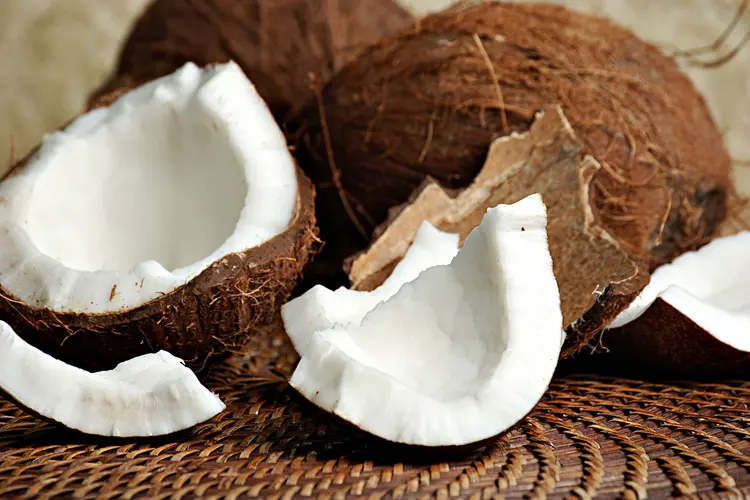
Benedict Sagayam is based in India and currently lists six active products across three primary categories: Herbal Products, Honey, and Vegetables. The catalogue includes Tender White Coconut, a generic Cycle and Cycle Spare Parts line, bulk Honey, assorted Vegetables, a range of Herbal Products, and a Palm Leaf Holy Cross item, reflecting a mixed‑goods portfolio that spans both agricultural and small‑manufacturing items.

The supplier’s product mix combines consumable food items such as coconut, honey and fresh vegetables with non‑food items like cycle components and a ceremonial palm‑leaf product. Each listing aligns with standard HS chapter groups for agricultural produce (chapter 04) and manufactured goods (chapter 87), though specific HS codes are not disclosed in the provided data. The diversity of the catalogue suggests capability to handle bulk shipments as well as smaller, value‑added packages.

Product Range and Specialties of Benedict Sagayam

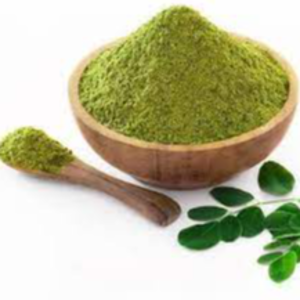
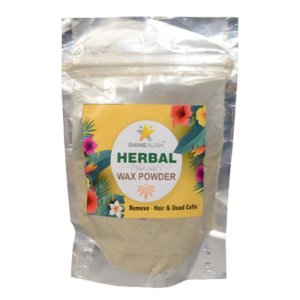
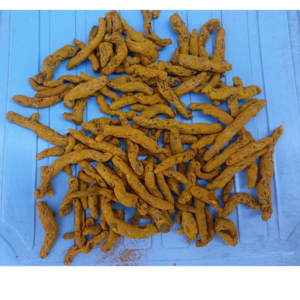
The Tender White Coconut offering typically conforms to the specifications used for desiccated coconut exports, where moisture content is kept below 6 % and the kernel is graded by size (e.g., 12 mm or larger). Honey listed under the Honey category is usually sold in liquid form and industry buyers look for ICUMSA grades such as 45 or 70, with a typical purity of 80 % - 85 % and water content not exceeding 18 %. Vegetables are generally exported as fresh or frozen produce, with common quality checks on pesticide residues, firmness, and uniformity of size; standard packing includes 20 kg or 25 kg bulk bags for root crops or 10 kg cartons for leafy greens. Herbal Products can include dried leaves, powders or extracts; typical standards involve verification of active ingredient content, absence of heavy metals, and compliance with WHO monographs. Cycle and Cycle Spare Parts are usually metal or alloy components, often supplied in standardized dimensions and finishes, with specifications such as tensile strength (e.g., 400 MPa for steel frames) and surface hardness (e.g., Rockwell B 80). The Palm Leaf Holy Cross is a ceremonial item made from dried palm fronds, commonly sized around 30 cm × 20 cm and packaged in cardboard boxes for safe transport.

Trade and Export Information - Benedict Sagayam

India exports agricultural commodities like coconut, honey and fresh vegetables to markets in the Middle East, Europe and Southeast Asia, where buyers typically require phytosanitary certificates and compliance with local residue limits. For honey, importing countries often request a certificate of analysis confirming sugar profile, moisture level and pollen count, as well as compliance with EU or US standards for lead and pesticide residues. Cycle spare parts are classified under machinery and vehicle parts, and buyers in Africa and South‑East Asia usually ask for test reports on mechanical strength and conformity to ISO 9001 quality management systems, even when the supplier does not hold the certification itself. Packaging for bulk agricultural goods from India commonly uses 20‑ft or 40‑ft containers with interior liners to prevent moisture ingress, while smaller items such as the Palm Leaf Holy Cross are shipped in cartons with protective padding. Standard Incoterms for these exports are FOB (Free on Board) Indian ports or CIF (Cost, Insurance, Freight) to the buyer’s destination, depending on the buyer’s logistics preferences.

Sourcing from Benedict Sagayam - Buyer Guidance

When sourcing Tender White Coconut, buyers should request a moisture analysis report and a sample batch to verify kernel size and flavor profile before confirming larger orders. For honey, request an ICUMSA grade certificate, a recent laboratory test for water content and a pesticide residue report; a small jar sample is customary for sensory evaluation. Vegetable buyers need to verify the latest phytosanitary certificate, a post‑harvest handling plan, and, where applicable, a cold‑chain capability statement from the supplier. Herbal product procurement should be supported by a Certificate of Analysis detailing active ingredient percentages, heavy‑metal testing results, and an assurance of GMP‑type processing, even if the supplier does not hold formal GMP certification. Cycle spare parts buyers should ask for material test reports (e.g., tensile strength, hardness) and dimensional drawings, as well as confirmation of compliance with relevant ISO or ASTM standards. For the Palm Leaf Holy Cross, request dimensions, drying method details, and a photo of the finished product to ensure it meets ceremonial specifications.

Frequently Asked Questions About Benedict Sagayam

What types of coconut does Benedict Sagayam supply?

The catalogue lists a Tender White Coconut product, which is typically exported with moisture below 6 % and kernel size of 12 mm or larger, suitable for desiccated or fresh‑use markets.

Does the supplier provide certification for honey quality?

No specific certifications are listed, so buyers should request an ICUMSA grade certificate, moisture analysis and a recent pesticide residue test report before purchase.

Which vegetables are available from this supplier?

The supplier’s vegetable line is generic; common export specifications include size uniformity, firmness tests and compliance with maximum pesticide residue limits for the destination market.

Are the cycle spare parts covered by any quality standard?

The facts do not mention a standard; buyers should ask for material test reports (e.g., tensile strength, hardness) and any applicable ISO or ASTM compliance documents.

What is the typical packaging for the Palm Leaf Holy Cross?

It is usually packed in cardboard boxes with protective padding to prevent damage, sized around 30 cm × 20 cm per unit.

How can I obtain a sample of the herbal products?

Contact the supplier to request a small sample batch together with a Certificate of Analysis that details active ingredient levels and heavy‑metal testing.

What documents are needed for importing vegetables from India?

Importers generally require a phytosanitary certificate, a commercial invoice and a packing list, plus any destination‑specific residue certificates.

Which Incoterms are commonly used for these products?

Typical terms include FOB from Indian ports for bulk agricultural goods and CIF for smaller or higher‑value items, depending on the buyer’s logistics arrangement.


Other Suppliers in Herbal Products

Top Trusted Suppliers

Related Products in Herbal Products

Trending in Parent Category

More Suppliers in Parent Category

Related Products

Other Suppliers

EximNext
58.7K+ live requirements
Register Free🎁 Reach verified global buyers
Post Requirement
🌍 Trusted by 224.9K+ businesses in 200+ countries|
58.7K+ active requirements right now
✉️ [email protected]
|
Sell on EximNextPost Requirement
EximNext
AgricultureApparelConstructionElectronicFoodHomeIndustrialMineralsMiscellaneous
🔥 Deals|✨ AI Match|🏭 Suppliers|📋 Buy Leads|💰 Trade Finance
58.7K+ live RFQs·194.8K+ suppliers
🎁 Reach global buyers →
EximNext
EximNext
Register Free
🎁 Reach verified global buyers
Sign In
📋Post Requirement💬Get Quotes✨AI Match📋RFQ Marketplace
All Categories
Services & Tools
🏭Supplier Directory🔥Today's Deals💰Trade Finance
Sell on EximNext →
AboutContactBlogHelp
Agriculture & Food  ·  India
6
products listed

Benedict Sagayam

⚓ Harbor
Country flag , India
🛡️
56/100
Trust Score

Benedict Sagayam Product Catalog

Showing 6 of 6 products
View all products →
Herbal Products
⚓ Harbor
Herbal Products
Contact
MOQ: 1 Unit
Palm Leaf Holy Cross
⚓ Harbor
Palm Leaf Holy Cross
Contact
MOQ: 1 Unit
Vegetables
⚓ Harbor
Vegetables
Contact
MOQ: 1 Unit
Honey
⚓ Harbor
Honey
Contact
MOQ: 1 Unit
Cycle, Cycle Spare Parts
⚓ Harbor
Cycle, Cycle Spare Parts
Contact
MOQ: 1 Unit
Tender White Coconut
⚓ Harbor
Tender White Coconut
Contact
MOQ: 1 Unit

About Benedict Sagayam - Mixed Goods Supplier in India

Benedict Sagayam is based in India and currently lists six active products across three primary categories: Herbal Products, Honey, and Vegetables. The catalogue includes Tender White Coconut, a generic Cycle and Cycle Spare Parts line, bulk Honey, assorted Vegetables, a range of Herbal Products, and a Palm Leaf Holy Cross item, reflecting a mixed‑goods portfolio that spans both agricultural and small‑manufacturing items.

The supplier’s product mix combines consumable food items such as coconut, honey and fresh vegetables with non‑food items like cycle components and a ceremonial palm‑leaf product. Each listing aligns with standard HS chapter groups for agricultural produce (chapter 04) and manufactured goods (chapter 87), though specific HS codes are not disclosed in the provided data. The diversity of the catalogue suggests capability to handle bulk shipments as well as smaller, value‑added packages.

Product Range and Specialties of Benedict Sagayam

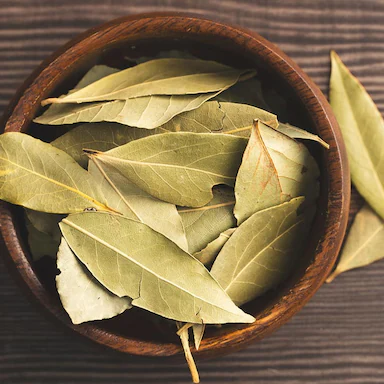
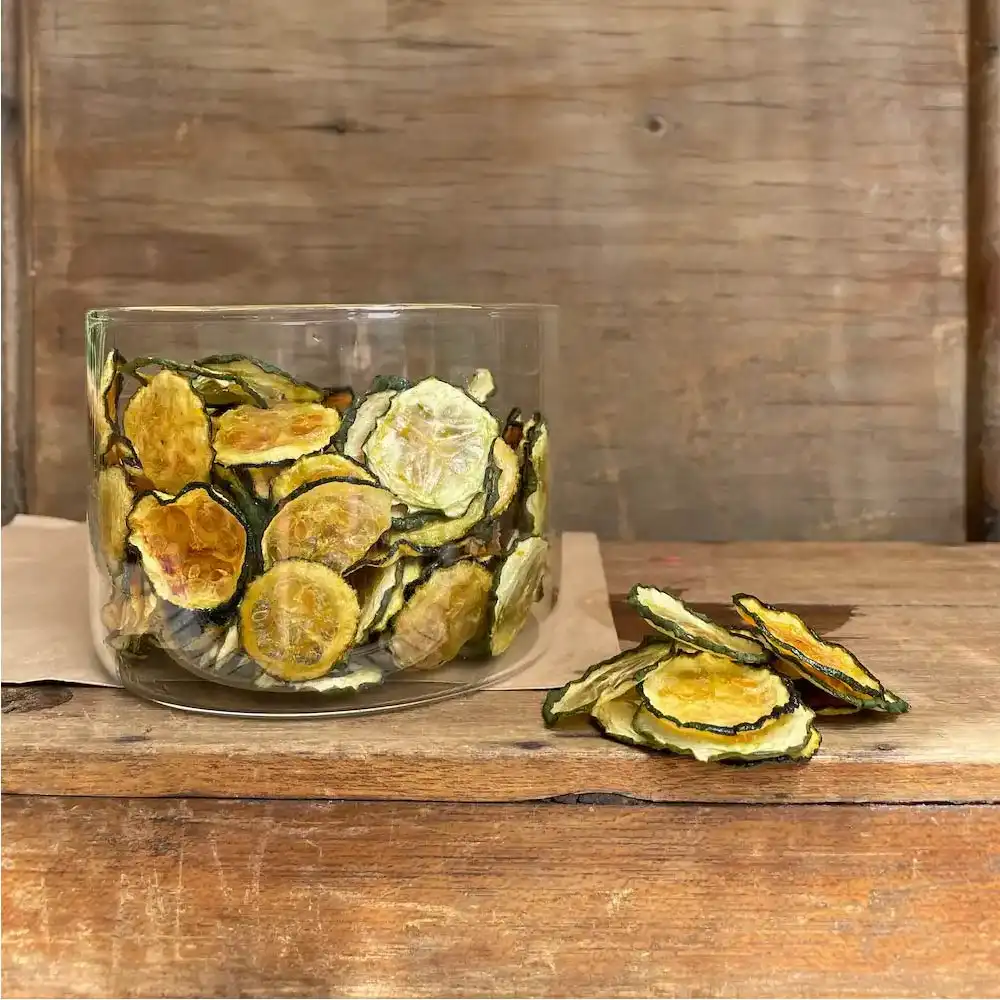
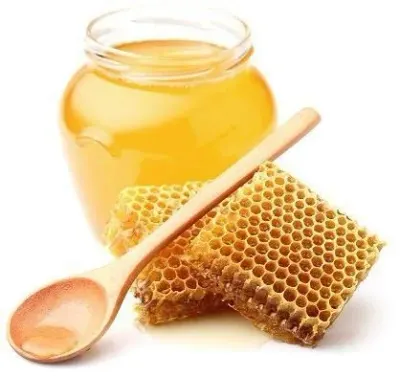
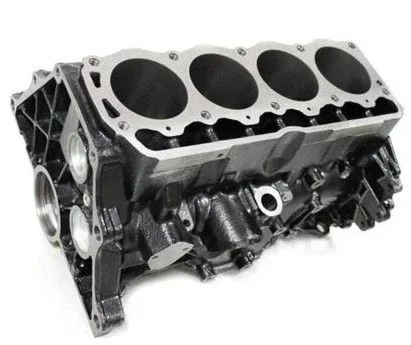
The Tender White Coconut offering typically conforms to the specifications used for desiccated coconut exports, where moisture content is kept below 6 % and the kernel is graded by size (e.g., 12 mm or larger). Honey listed under the Honey category is usually sold in liquid form and industry buyers look for ICUMSA grades such as 45 or 70, with a typical purity of 80 % - 85 % and water content not exceeding 18 %. Vegetables are generally exported as fresh or frozen produce, with common quality checks on pesticide residues, firmness, and uniformity of size; standard packing includes 20 kg or 25 kg bulk bags for root crops or 10 kg cartons for leafy greens. Herbal Products can include dried leaves, powders or extracts; typical standards involve verification of active ingredient content, absence of heavy metals, and compliance with WHO monographs. Cycle and Cycle Spare Parts are usually metal or alloy components, often supplied in standardized dimensions and finishes, with specifications such as tensile strength (e.g., 400 MPa for steel frames) and surface hardness (e.g., Rockwell B 80). The Palm Leaf Holy Cross is a ceremonial item made from dried palm fronds, commonly sized around 30 cm × 20 cm and packaged in cardboard boxes for safe transport.

Trade and Export Information - Benedict Sagayam

India exports agricultural commodities like coconut, honey and fresh vegetables to markets in the Middle East, Europe and Southeast Asia, where buyers typically require phytosanitary certificates and compliance with local residue limits. For honey, importing countries often request a certificate of analysis confirming sugar profile, moisture level and pollen count, as well as compliance with EU or US standards for lead and pesticide residues. Cycle spare parts are classified under machinery and vehicle parts, and buyers in Africa and South‑East Asia usually ask for test reports on mechanical strength and conformity to ISO 9001 quality management systems, even when the supplier does not hold the certification itself. Packaging for bulk agricultural goods from India commonly uses 20‑ft or 40‑ft containers with interior liners to prevent moisture ingress, while smaller items such as the Palm Leaf Holy Cross are shipped in cartons with protective padding. Standard Incoterms for these exports are FOB (Free on Board) Indian ports or CIF (Cost, Insurance, Freight) to the buyer’s destination, depending on the buyer’s logistics preferences.

Sourcing from Benedict Sagayam - Buyer Guidance

When sourcing Tender White Coconut, buyers should request a moisture analysis report and a sample batch to verify kernel size and flavor profile before confirming larger orders. For honey, request an ICUMSA grade certificate, a recent laboratory test for water content and a pesticide residue report; a small jar sample is customary for sensory evaluation. Vegetable buyers need to verify the latest phytosanitary certificate, a post‑harvest handling plan, and, where applicable, a cold‑chain capability statement from the supplier. Herbal product procurement should be supported by a Certificate of Analysis detailing active ingredient percentages, heavy‑metal testing results, and an assurance of GMP‑type processing, even if the supplier does not hold formal GMP certification. Cycle spare parts buyers should ask for material test reports (e.g., tensile strength, hardness) and dimensional drawings, as well as confirmation of compliance with relevant ISO or ASTM standards. For the Palm Leaf Holy Cross, request dimensions, drying method details, and a photo of the finished product to ensure it meets ceremonial specifications.

Frequently Asked Questions About Benedict Sagayam

What types of coconut does Benedict Sagayam supply?

The catalogue lists a Tender White Coconut product, which is typically exported with moisture below 6 % and kernel size of 12 mm or larger, suitable for desiccated or fresh‑use markets.

Does the supplier provide certification for honey quality?

No specific certifications are listed, so buyers should request an ICUMSA grade certificate, moisture analysis and a recent pesticide residue test report before purchase.

Which vegetables are available from this supplier?

The supplier’s vegetable line is generic; common export specifications include size uniformity, firmness tests and compliance with maximum pesticide residue limits for the destination market.

Are the cycle spare parts covered by any quality standard?

The facts do not mention a standard; buyers should ask for material test reports (e.g., tensile strength, hardness) and any applicable ISO or ASTM compliance documents.

What is the typical packaging for the Palm Leaf Holy Cross?

It is usually packed in cardboard boxes with protective padding to prevent damage, sized around 30 cm × 20 cm per unit.

How can I obtain a sample of the herbal products?

Contact the supplier to request a small sample batch together with a Certificate of Analysis that details active ingredient levels and heavy‑metal testing.

What documents are needed for importing vegetables from India?

Importers generally require a phytosanitary certificate, a commercial invoice and a packing list, plus any destination‑specific residue certificates.

Which Incoterms are commonly used for these products?

Typical terms include FOB from Indian ports for bulk agricultural goods and CIF for smaller or higher‑value items, depending on the buyer’s logistics arrangement.

About Benedict Sagayam - Mixed Goods Supplier in India

Benedict Sagayam is based in India and currently lists six active products across three primary categories: Herbal Products, Honey, and Vegetables. The catalogue includes Tender White Coconut, a generic Cycle and Cycle Spare Parts line, bulk Honey, assorted Vegetables, a range of Herbal Products, and a Palm Leaf Holy Cross item, reflecting a mixed‑goods portfolio that spans both agricultural and small‑manufacturing items.

The supplier’s product mix combines consumable food items such as coconut, honey and fresh vegetables with non‑food items like cycle components and a ceremonial palm‑leaf product. Each listing aligns with standard HS chapter groups for agricultural produce (chapter 04) and manufactured goods (chapter 87), though specific HS codes are not disclosed in the provided data. The diversity of the catalogue suggests capability to handle bulk shipments as well as smaller, value‑added packages.

Product Range and Specialties of Benedict Sagayam

The Tender White Coconut offering typically conforms to the specifications used for desiccated coconut exports, where moisture content is kept below 6 % and the kernel is graded by size (e.g., 12 mm or larger). Honey listed under the Honey category is usually sold in liquid form and industry buyers look for ICUMSA grades such as 45 or 70, with a typical purity of 80 % - 85 % and water content not exceeding 18 %. Vegetables are generally exported as fresh or frozen produce, with common quality checks on pesticide residues, firmness, and uniformity of size; standard packing includes 20 kg or 25 kg bulk bags for root crops or 10 kg cartons for leafy greens. Herbal Products can include dried leaves, powders or extracts; typical standards involve verification of active ingredient content, absence of heavy metals, and compliance with WHO monographs. Cycle and Cycle Spare Parts are usually metal or alloy components, often supplied in standardized dimensions and finishes, with specifications such as tensile strength (e.g., 400 MPa for steel frames) and surface hardness (e.g., Rockwell B 80). The Palm Leaf Holy Cross is a ceremonial item made from dried palm fronds, commonly sized around 30 cm × 20 cm and packaged in cardboard boxes for safe transport.

Trade and Export Information - Benedict Sagayam

India exports agricultural commodities like coconut, honey and fresh vegetables to markets in the Middle East, Europe and Southeast Asia, where buyers typically require phytosanitary certificates and compliance with local residue limits. For honey, importing countries often request a certificate of analysis confirming sugar profile, moisture level and pollen count, as well as compliance with EU or US standards for lead and pesticide residues. Cycle spare parts are classified under machinery and vehicle parts, and buyers in Africa and South‑East Asia usually ask for test reports on mechanical strength and conformity to ISO 9001 quality management systems, even when the supplier does not hold the certification itself. Packaging for bulk agricultural goods from India commonly uses 20‑ft or 40‑ft containers with interior liners to prevent moisture ingress, while smaller items such as the Palm Leaf Holy Cross are shipped in cartons with protective padding. Standard Incoterms for these exports are FOB (Free on Board) Indian ports or CIF (Cost, Insurance, Freight) to the buyer’s destination, depending on the buyer’s logistics preferences.

Sourcing from Benedict Sagayam - Buyer Guidance

When sourcing Tender White Coconut, buyers should request a moisture analysis report and a sample batch to verify kernel size and flavor profile before confirming larger orders. For honey, request an ICUMSA grade certificate, a recent laboratory test for water content and a pesticide residue report; a small jar sample is customary for sensory evaluation. Vegetable buyers need to verify the latest phytosanitary certificate, a post‑harvest handling plan, and, where applicable, a cold‑chain capability statement from the supplier. Herbal product procurement should be supported by a Certificate of Analysis detailing active ingredient percentages, heavy‑metal testing results, and an assurance of GMP‑type processing, even if the supplier does not hold formal GMP certification. Cycle spare parts buyers should ask for material test reports (e.g., tensile strength, hardness) and dimensional drawings, as well as confirmation of compliance with relevant ISO or ASTM standards. For the Palm Leaf Holy Cross, request dimensions, drying method details, and a photo of the finished product to ensure it meets ceremonial specifications.

Frequently Asked Questions About Benedict Sagayam
What types of coconut does Benedict Sagayam supply?
The catalogue lists a Tender White Coconut product, which is typically exported with moisture below 6 % and kernel size of 12 mm or larger, suitable for desiccated or fresh‑use markets.
Does the supplier provide certification for honey quality?
No specific certifications are listed, so buyers should request an ICUMSA grade certificate, moisture analysis and a recent pesticide residue test report before purchase.
Which vegetables are available from this supplier?
The supplier’s vegetable line is generic; common export specifications include size uniformity, firmness tests and compliance with maximum pesticide residue limits for the destination market.
Are the cycle spare parts covered by any quality standard?
The facts do not mention a standard; buyers should ask for material test reports (e.g., tensile strength, hardness) and any applicable ISO or ASTM compliance documents.
What is the typical packaging for the Palm Leaf Holy Cross?
It is usually packed in cardboard boxes with protective padding to prevent damage, sized around 30 cm × 20 cm per unit.
How can I obtain a sample of the herbal products?
Contact the supplier to request a small sample batch together with a Certificate of Analysis that details active ingredient levels and heavy‑metal testing.
What documents are needed for importing vegetables from India?
Importers generally require a phytosanitary certificate, a commercial invoice and a packing list, plus any destination‑specific residue certificates.
Which Incoterms are commonly used for these products?
Typical terms include FOB from Indian ports for bulk agricultural goods and CIF for smaller or higher‑value items, depending on the buyer’s logistics arrangement.

Benedict Sagayam
Country flag India
⚓ HarborAgriculture & Food
56/100
Trust Score
6
Products
✓ Free to contact — no commission
✓ Escrow payment available
✓ Verified business identity
Compare more suppliers
Post a requirement — get 10 quotes free
Let verified suppliers compete for your business. Free, fast, no commitment.
EximNext Verified Supplier
Business identity verified
Physical address confirmed
Financial history checked
Certifications authenticated
Trade references validated
Due Diligence
Verify this supplier's real shipping history.
Every shipment, every buyer, every port. Trade data that can't be faked.
Run due diligence →
Discover More

Related Suppliers & Products

Explore similar suppliers, related products and trending categories

Other Suppliers in Herbal Products

Top Trusted Suppliers

Related Products in Herbal Products

Trending in Parent Category

More Suppliers in Parent Category

Stay ahead in global trade
Weekly market insights & new supplier alerts.
EximNext
Exim Next is a leading global B2B marketplace, connecting over 205,000 verified suppliers and buyers across 200+ countries. As a trusted import export marketplace, it serves as the essential B2B portal for businesses worldwide, empowering them to expand their international reach. With Exim Next, businesses can trade smarter and grow faster.
SECURE PAYMENTS
VISAMastercardPayPalSWIFTL/CEscrow
Follow us
© 2026 EximNext