Baseafood Jsc — Supplier
About Baseafood Jsc - Frozen Seafood Supplier in Viet Nam
Viet Nam supplies ten active products through Baseafood Jsc, as indicated by the catalogue count. The company lists items across fresh and frozen seafood categories, including mackerel, tuna, squid, octopus, cuttlefish, fish maw and dried salted fish. Each product falls under standard HS‑code families for fish and cephalopods, such as Chapter 03 0304 (fresh or chilled fish) and 0305 (frozen fish). The catalogue reflects a mix of whole, portioned and processed forms that are common in Southeast Asian seafood export portfolios.
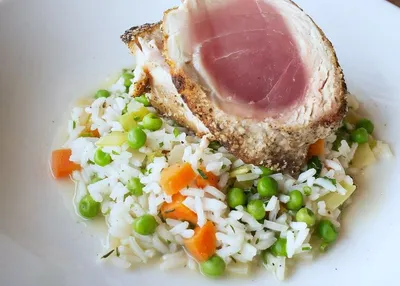
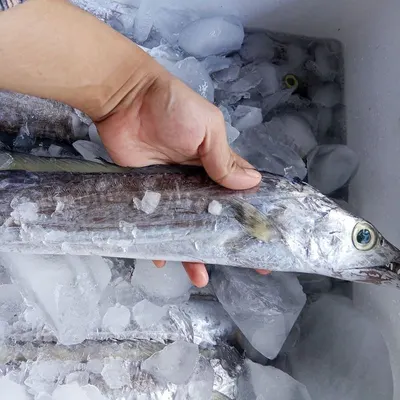
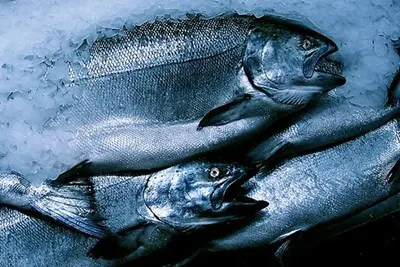
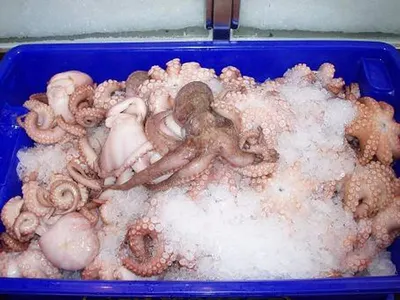
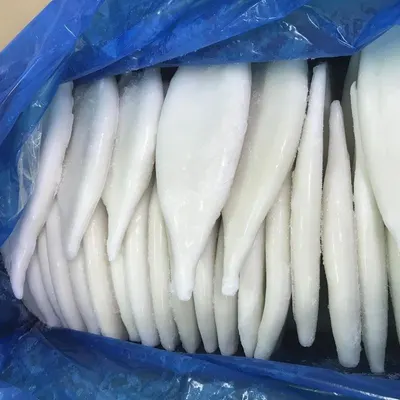
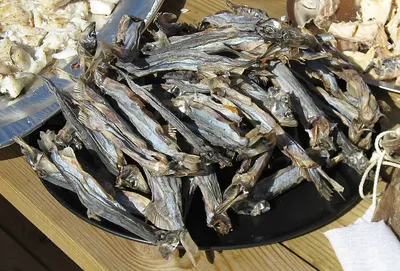
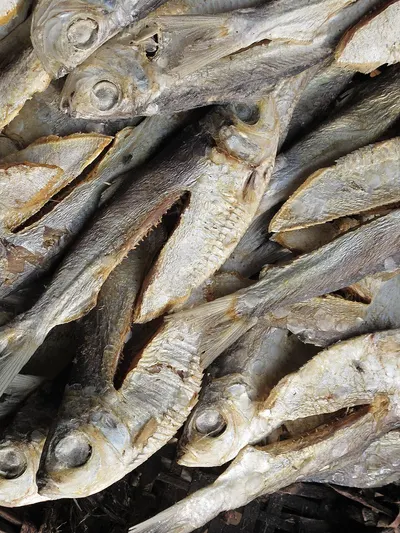
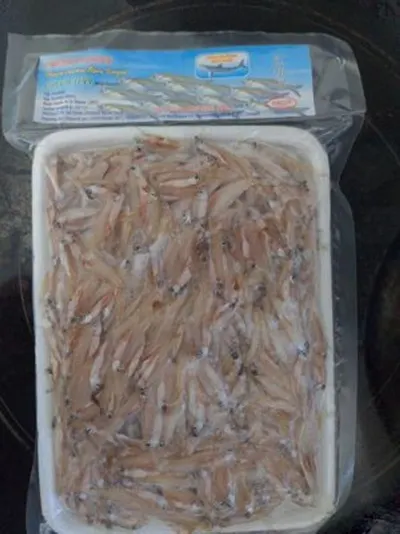
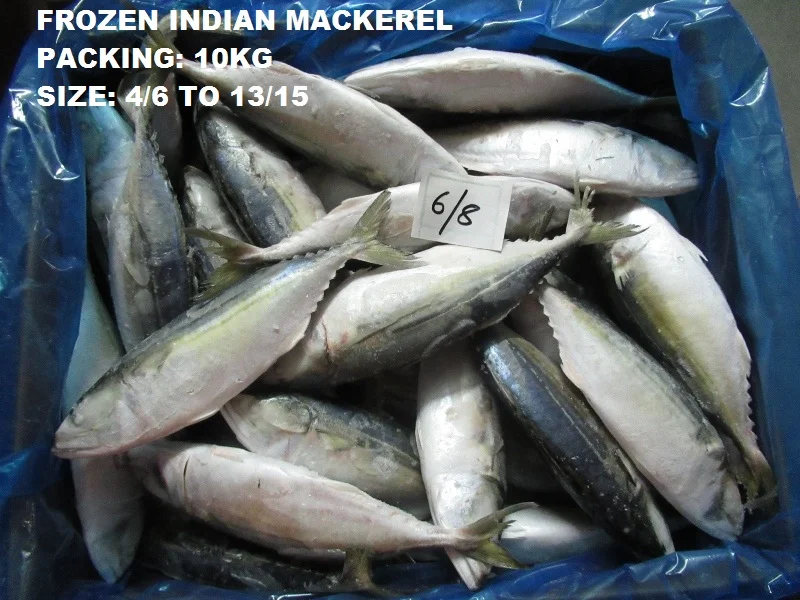
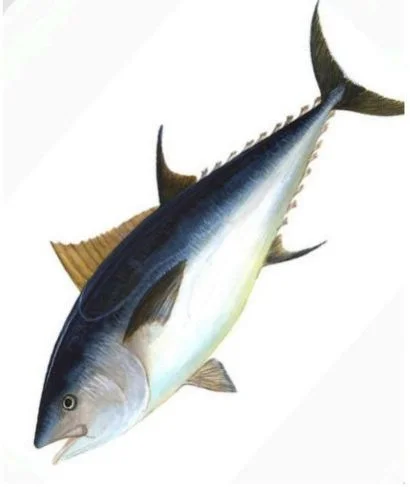
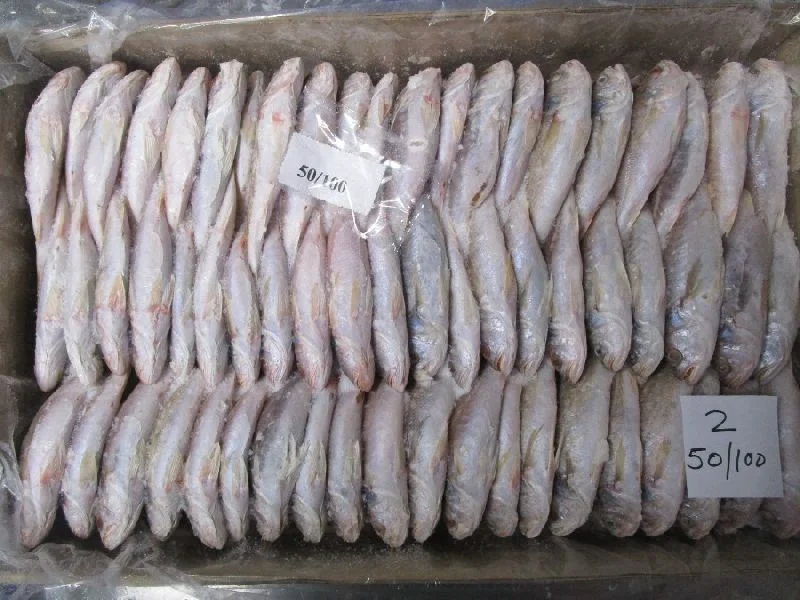
The specific catalogue entries include Frozen Bonito Tuna, Frozen Wr Mackerel, Black Squid, Frozen Baby Octopus, Sell Frozen Wc Cuttlefish, Frozen Squid (Loligo Squid), Dried Salted Fish, Dried Atlantic Cod Fish Maws, Indian Mackerel and Dried Loligo Squid. Products are presented as frozen or dried, indicating typical preservation methods for long‑distance shipping. The range covers both pelagic species (tuna, mackerel) and cephalopods (squid, octopus, cuttlefish) that are regularly traded under HS codes 0304‑30 and 0305‑30. The list does not mention any proprietary processing claims beyond the basic product type.
Product Range and Specialties of Baseafood Jsc
Baseafood Jsc’s catalogue features frozen tuna, mackerel, various squid species, octopus, cuttlefish and dried fish maw products. In the frozen seafood sector, buyers usually encounter grades such as ICUMSA‑free for fish fillets, moisture content below 70 % for frozen whole fish, and standard size ranges of 300 - 600 g per unit for whole squid. Cephalopods are often graded by mantle length (e.g., 15 - 30 cm for squid) and by body condition, with BRC or HACCP compliance expected for export quality. Dried fish maw typically meets a moisture level under 12 % and is sold in vacuum‑packed bags of 5 - 10 kg.
Industry practice in Vietnam includes adherence to ASEAN‑GAP guidelines and routine testing for histamine, heavy metals and microbiological limits. Export‑ready frozen products are usually flash‑frozen at - 30 °C to preserve texture, and are packed in insulated containers with dry ice or gel packs for sea freight. Dried products are often vacuum‑sealed with nitrogen flush to limit oxidation.
Trade and Export Information - Baseafood Jsc
Vietnamese seafood exporters primarily ship to the European Union, United States, Japan and the Middle East, where demand for frozen tuna, mackerel and cephalopods remains strong. HS Chapter 03 codes trigger phytosanitary inspections under the World Trade Organization SPS Agreement, and many importers require a Certificate of Origin and a sanitary export certificate. Typical certifications requested by buyers include HACCP, BRC Global Standard for Food Safety and ISO 22000, though Baseafood Jsc’s specific holdings are not listed in the provided facts. Shipping is commonly performed in 20‑foot and 40‑foot refrigerated containers (reefers) with temperature settings of - 18 °C to - 20 °C for frozen fish, while dried products travel in standard dry containers with moisture‑proof packaging.
Regulatory considerations include compliance with the EU’s IFS Food standard and the U.S. FDA’s Seafood HACCP regulations. Vietnamese exporters often work with the Ministry of Industry and Trade to secure export permits, and they may need to provide laboratory analysis reports for mercury, PCBs and microbiological counts before customs clearance.
Sourcing from Baseafood Jsc - Buyer Guidance
When sourcing from Baseafood Jsc, buyers should request recent HACCP or BRC audit reports, a sanitary export certificate and product analysis sheets covering moisture, ash, protein and heavy‑metal limits. For frozen species, verification of species identity, catch method (wild‑caught vs farmed) and freezer temperature logs are standard due diligence items. Dried fish maw and salted fish should be accompanied by moisture content certificates and vacuum‑pack integrity test results.
It is advisable to obtain a sample batch for organoleptic and laboratory testing before placing a full order. Confirm packaging dimensions (e.g., 1 kg vacuum bags for dried squid, 10 kg bulk boxes for frozen cuttlefish) and ensure that the supplier can meet standard Incoterms such as CFR or CIF to the buyer’s destination port. Documentation of traceability from landing to processing is also commonly required for compliance audits.
Frequently Asked Questions About Baseafood Jsc
What product categories does Baseafood Jsc list in its catalogue?
The catalogue includes frozen Bonito tuna, frozen Wr mackerel, black squid, frozen baby octopus, frozen whole cuttlefish, frozen Loligo squid, dried salted fish, dried Atlantic cod fish maws, Indian mackerel and dried Loligo squid.
Which HS code families are relevant for the listed products?
The products fall under HS Chapter 03, primarily codes 0304 for fresh or chilled fish and 0305 for frozen fish and cephalopods, as well as related sub‑headings for dried fish products.
Are any certifications explicitly held by Baseafood Jsc?
No certifications are mentioned in the supplied facts; buyers should request HACCP, BRC or ISO 22000 certificates as part of their due‑diligence.
What typical quality specifications apply to frozen tuna and mackerel?
Frozen tuna and mackerel are usually required to have moisture content below 70 %, free‑from visible ice crystals, and be flash‑frozen at - 30 °C or lower to preserve texture.
What packaging formats are common for the dried fish maw products?
Dried fish maw is commonly packaged in vacuum‑sealed bags of 5 - 10 kg, often placed in outer cartons of 20 kg for shipment.
Which markets commonly import Vietnamese frozen seafood?
Key import markets include the European Union, United States, Japan and Gulf Cooperation Council countries, where buyers often request sanitary certificates and compliance with HACCP standards.
What documentation should a buyer request before ordering?
Buyers should ask for a sanitary export certificate, recent laboratory analysis reports (heavy metals, microbiology), and traceability records from catch to packing.
What are typical shipping methods for these products?
Frozen seafood is normally shipped in refrigerated containers (reefers) set at - 18 °C to - 20 °C, while dried products travel in standard dry containers with moisture‑proof packaging.




 , Viet Nam