B-G Fruits And Nuts Mfg. Corp. — Verified Supplier
About B-G Fruits And Nuts Mfg. Corp. - Fruits and Nuts Supplier in Philippines
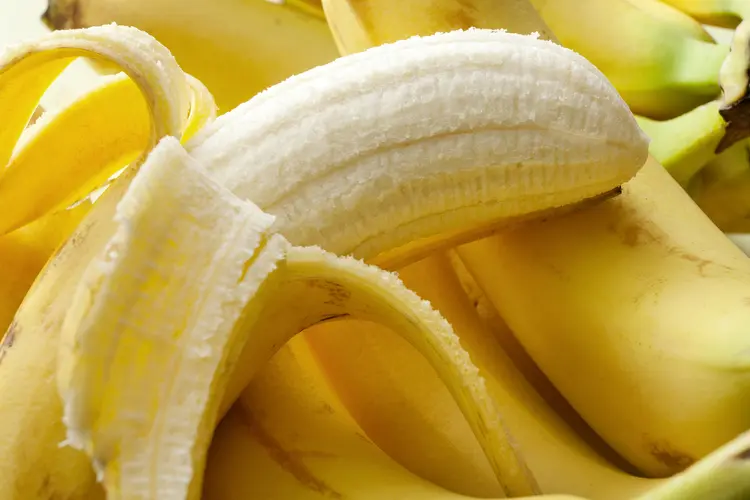
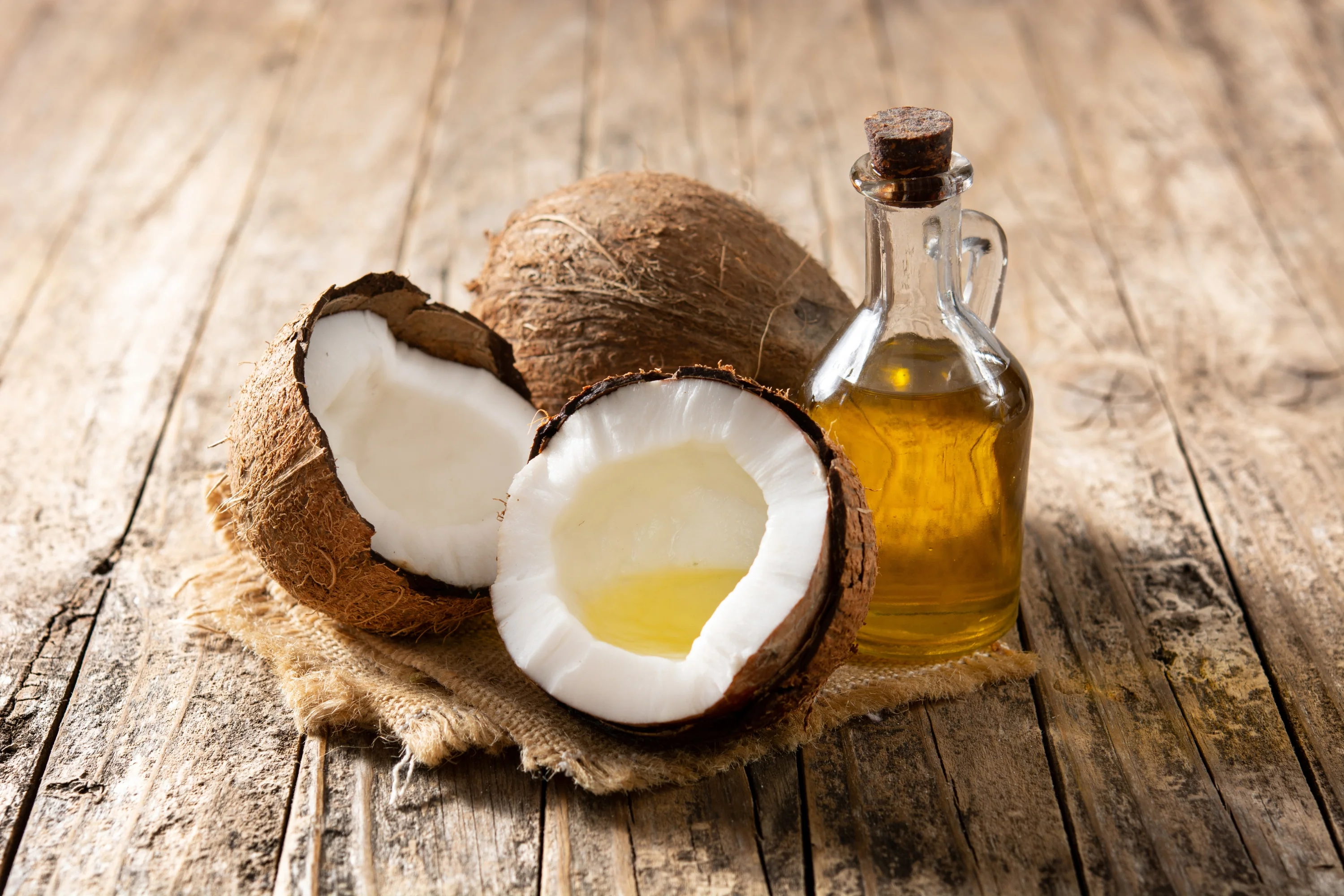
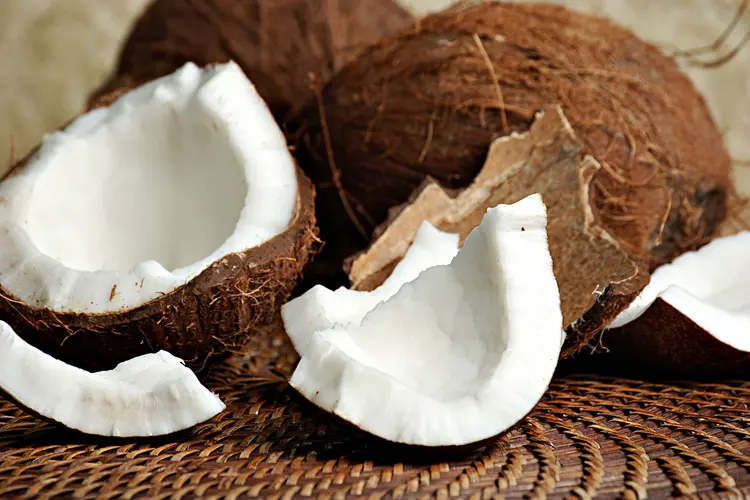
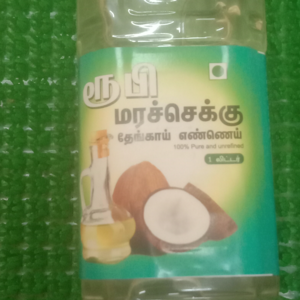
The Philippines, specifically the region surrounding B-G Fruits And Nuts Mfg. Corp., is home to a diverse range of fruit and nut products, with this supplier actively listing 12 products. Their catalogue includes various types of banana chips, such as wholes, ruffled wholes, halved, long cut, and quarters, both sweetened and unsweetened. Additionally, they offer coconut oil, coconut by-products like coconut milk, charcoal briquettes made from coconut shells, and coconut cream. The supplier's product range reflects the country's rich agricultural resources and its strategic position for exporting goods to regions like North America, Europe, and other parts of Asia.
Exporters of fruits and nuts from the Philippines, like B-G Fruits And Nuts Mfg. Corp., often cater to international markets seeking quality, tropical products. The HS code 2008.19, associated with banana chips, indicates the product's classification under the Harmonized System, which is crucial for customs and trade purposes. Buyers of these products usually look for specific quality parameters, such as moisture content, purity, and adherence to food safety standards.
Product Range and Specialties of B-G Fruits And Nuts Mfg. Corp.
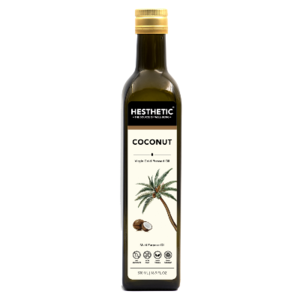
B-G Fruits And Nuts Mfg. Corp.'s product range encompasses various forms of banana chips and coconut products, reflecting the versatility of these raw materials. For banana chips, typical industry specifications might include parameters like crispiness, flavor profile (sweetened or unsweetened), and packaging to maintain freshness. Coconut oil, another key product, comes in different grades, such as extra virgin and virgin, each with its own set of quality standards and uses. Understanding these specifications is crucial for buyers to ensure they source products that meet their market's requirements.
Trade and Export Information - B-G Fruits And Nuts Mfg. Corp.
Exporters of fruits and nuts from the Philippines, like B-G Fruits And Nuts Mfg. Corp., typically engage with buyers from regions with a high demand for tropical and exotic food products. These goods, classified under HS chapters like 08 for fruits and 15 for vegetable fats and oils, are subject to various international trade regulations and standards. Buyers should be aware of the certifications and compliance required for their target market, such as FDA clearance for the U.S. market or EU food safety standards for the European market. The use of Incoterms, like CIF or FOB, is also crucial in determining the responsibilities of the buyer and seller in the transaction.
Sourcing from B-G Fruits And Nuts Mfg. Corp. - Buyer Guidance
When sourcing from B-G Fruits And Nuts Mfg. Corp. or similar suppliers, buyers should request specific product samples to verify quality parameters like taste, texture, and appearance. For banana chips, factors such as the type of banana used (e.g., Saba Banana), the sugar content, and the frying process can significantly affect the product's quality. Buyers should also inquire about the packaging options available, such as 20 ft or 40 ft containers, and the moisture and purity percentages guaranteed by the supplier. Requesting test reports or certifications, such as HACCP or ISO 22000 for food safety, can provide additional assurance of the product's quality and compliance with international standards.
Frequently Asked Questions About B-G Fruits And Nuts Mfg. Corp.
What types of banana chips does B-G Fruits And Nuts Mfg. Corp. offer?
B-G Fruits And Nuts Mfg. Corp. offers a variety of banana chips, including wholes, ruffled wholes, halved, long cut, and quarters, in both sweetened and unsweetened forms. The specific product, Banana Chips, is classified under the HS code 2008.19 and is made from Saba Banana (Musa balbisiana x acuminata), Sugar Syrup, and Refined Coconut Oil.
What certifications should I request from B-G Fruits And Nuts Mfg. Corp.?
Buyers should request certifications that are relevant to their target market, such as HACCP, ISO 22000 for food safety, or other local regulatory compliance documents. For coconut oil products, certifications like USDA Organic or Non-GMO can be important for certain markets.
What quality parameters should I verify for banana chips?
For banana chips, buyers should verify parameters such as crispiness, flavor profile, moisture content, and purity percentage. The product should also comply with food safety standards, and the packaging should be designed to maintain freshness during shipping and storage.
What is the typical packaging for B-G Fruits And Nuts Mfg. Corp.'s products?
The typical packaging for banana chips and other snack products can vary, but common packaging includes bags or containers that are designed to maintain freshness. For international shipping, products are often loaded into 20 ft or 40 ft containers. Buyers should specify their packaging requirements when inquiring about products.
How do I confirm the lead time and MOQ for B-G Fruits And Nuts Mfg. Corp.'s products?
Buyers should confirm the lead time and minimum order quantity (MOQ) with B-G Fruits And Nuts Mfg. Corp. for each specific product. Lead times can vary based on production schedules and the availability of raw materials, and MOQ can differ depending on the product type and packaging requirements.
What are the common export destinations for Philippine fruits and nuts?
Common export destinations for Philippine fruits and nuts include countries in North America, Europe, and other parts of Asia, where there is a high demand for tropical and exotic food products. Exporters like B-G Fruits And Nuts Mfg. Corp. often engage with buyers from these regions, catering to their specific product and quality requirements.
How do I ensure compliance with international trade regulations?
To ensure compliance with international trade regulations, buyers should be aware of the certifications and compliance required for their target market. This includes understanding the HS code classification for the products, adhering to food safety standards, and complying with local regulatory requirements. The use of Incoterms and awareness of packaging and shipping regulations are also crucial.




 , Philippines