Atulit Impex Pvt. Ltd. — Verified Supplier
About Atulit Impex Pvt. Ltd. - Cotton & Textile Products Supplier in India
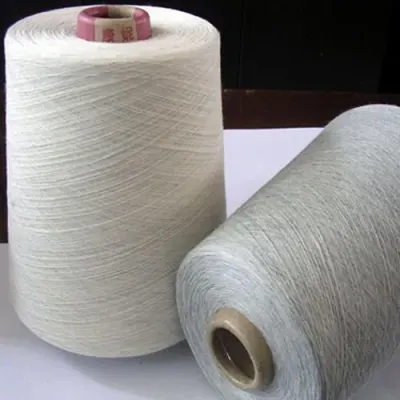
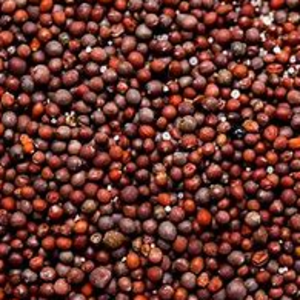
India hosts Atulit Impex Pvt. Ltd., which currently lists 14 distinct products across cotton, yarn, denim and related agricultural items. The catalogue includes cotton waste, comber noil, flat stripes, dropping, clean lickerine, yarn waste, denim yarn waste, USA gin motes, bleached comber noil, yarn, polyester staple fiber, raw cotton, denim fabric, cotton gin motes and mustard seed. Each entry falls under HS‑code families such as 5205 for cotton waste and yarn, 5201 for raw cotton, 5208 for denim fabric and 1206 for mustard seed. The supplier is classified as an imported tier with a harbor trust rating, indicating a verified presence in international trade networks. The product set reflects a focus on raw and semi‑finished textile inputs as well as a single agricultural seed commodity.
The listed items span both primary agricultural outputs (raw cotton, mustard seed) and processed textile materials (denim, polyester staple fiber, various cotton by‑products). The catalogue does not specify quantities, but the range covers typical inputs used by spinning mills, denim manufacturers and seed processors. HS‑code references suggest the goods are treated as bulk commodities suitable for containerised shipment. No explicit certifications are recorded for the supplier, so buyers normally request standard documentation such as phytosanitary certificates for seeds and ISO‑9001 or Oeko‑Tex test reports for textile fibers. The supplier’s profile emphasises its role as an export and sourcing agent for these product families.
Product Range and Specialties of Atulit Impex Pvt. Ltd.
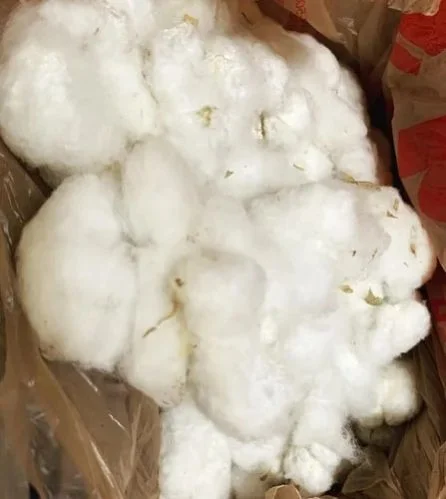
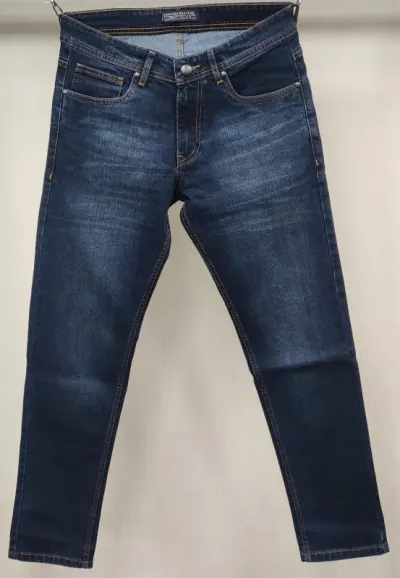
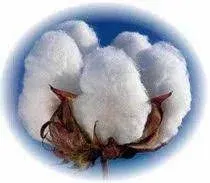
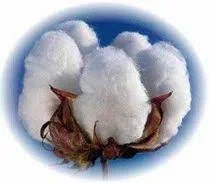
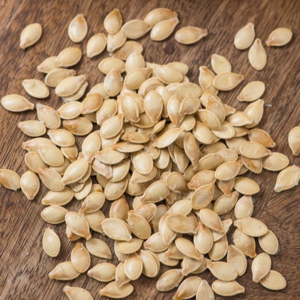
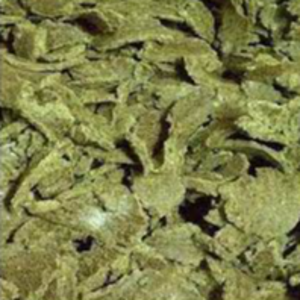
The product list includes cotton waste (short fibers and slivers), comber noil (soft‑finish), flat‑stripe cotton, cotton dropping and clean lickerine, which are common feedstocks for recycling into low‑grade yarns or non‑woven products. In the textile sector, raw cotton is typically graded by micronaire (3.5‑5.0 µg/inch) and colour grade (ICUMSA 45‑70). Denim fabric is usually supplied in 12‑16 oz/yd² (≈ 380‑430 gsm) weight with a twill weave, while polyester staple fiber is classified by denier (1.5‑6 d) and melt‑flow index. Mustard seed is exported based on oil content (48‑52 %) and moisture (≤ 8 %). Standard industry specifications such as ISO 9001 quality management, Oeko‑Tex Standard 100 for textile fibers and ISO 22000 for food‑grade seeds are commonly applied to these categories.
Trade and Export Information - Atulit Impex Pvt. Ltd.
India is a major exporter of cotton by‑products and textile intermediates, shipping primarily to Bangladesh, Vietnam, China, Pakistan and East‑African markets. HS‑code 5205 covers cotton waste and yarn waste, while HS‑code 5201 applies to raw cotton, and HS‑code 5208 to denim fabrics; mustard seed falls under HS‑code 1206 and polyester staple fiber under HS‑code 5512. Buyers typically require phytosanitary certificates for mustard seed, and test reports for fibre length, micronaire, tensile strength and colour fastness for cotton and polyester products. Export shipments are commonly packed in standard 20‑ft or 40‑ft containers on compressed bales or bulk bags (up to 1 ton per bag) and shipped under CIF or FOB terms. Indian exporters often hold certifications such as ISO‑9001, ISO‑14001 and may provide SGS inspection reports upon request, which align with the expectations of textile mills and seed processors worldwide.
Sourcing from Atulit Impex Pvt. Ltd. - Buyer Guidance
When sourcing from Atulit Impex, buyers should request specific test reports: micronaire and staple length for raw cotton, denier and melt‑flow index for polyester fiber, and oil content and moisture analysis for mustard seed. Phytosanitary certificates are mandatory for any seed shipment entering the EU or GCC, while textile buyers usually ask for Oeko‑Tex or ISO‑9001 compliance documentation. Verify the HS‑code declared on the commercial invoice matches the product class (e.g., 5205 for cotton waste). Samples are typically supplied in 5 kg or 10 kg quantities, allowing verification of colour grade, fibre purity and physical properties before confirming bulk orders. Confirm packaging details - bales for cotton waste, bulk bags for seeds - and ensure the supplier can meet standard container loading ratios (≈ 20 tons per 20‑ft container for bulk cotton waste).
Frequently Asked Questions About Atulit Impex Pvt. Ltd.
What textile products does Atulit Impex list in its catalogue?
The catalogue includes cotton waste, comber noil, flat‑stripe cotton, dropping, clean lickerine, yarn waste, denim yarn waste, USA gin motes, bleached comber noil, yarn, polyester staple fiber, raw cotton, denim fabric, cotton gin motes and mustard seed.
Which HS codes are associated with the cotton‑related items?
Cotton waste, yarn waste and related by‑products are classified under HS‑code 5205, raw cotton under HS‑code 5201, and denim fabric under HS‑code 5208.
What quality documentation should a buyer request for raw cotton?
Buyers should ask for a micronaire range (typically 3.5‑5.0 µg/inch), colour grade (ICUMSA 45‑70), moisture content (≤ 7 %) and an ISO‑9001 or Oeko‑Tex test report.
Are phytosanitary certificates needed for the mustard seed?
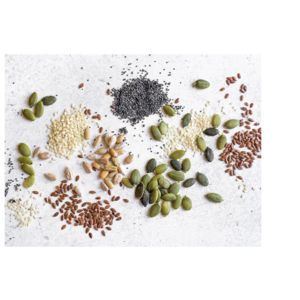
Yes, most importing countries require a phytosanitary certificate confirming the seed is free of pests and meets moisture limits (usually ≤ 8 %).
What are the typical packaging formats for the listed products?
Cotton waste and yarn waste are usually packed in compressed bales or bulk bags (up to 1 ton per bag); raw cotton is shipped in bales; denim fabric is rolled on pallets; mustard seed is packed in jute or polypropylene bags (≈ 50 kg each).
What minimum order quantities (MOQ) are common for polyester staple fiber?
Exporters often set an MOQ of 5 tons per shipment, which fits into a single 20‑ft container when packed in bulk bags.
Which markets commonly import Indian denim fabric?
Indian denim fabric is frequently shipped to Bangladesh, Vietnam, the United States, and European garment manufacturers under HS‑code 5208.




 , India

.jpg.png)