Astro Seafood Exim — Supplier
About Astro Seafood Exim - Frozen Shrimps Supplier in India
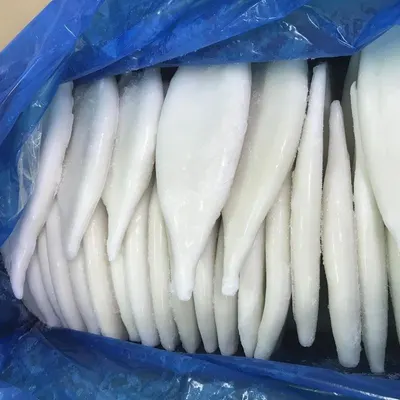
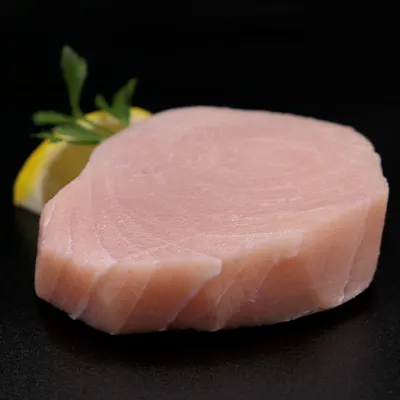
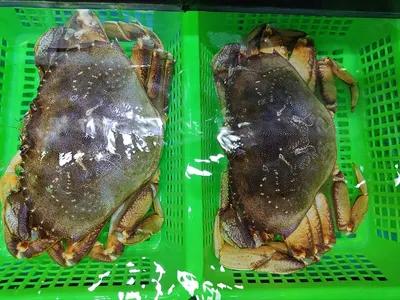
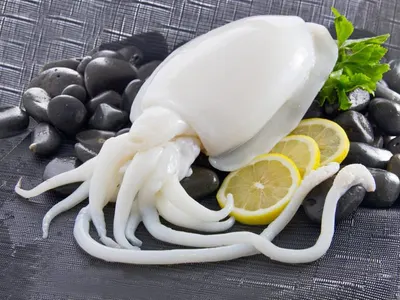
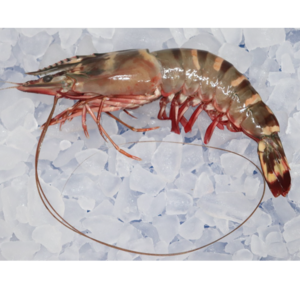
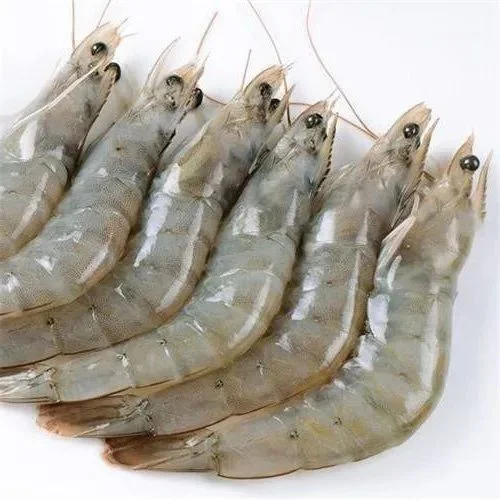
Astro Seafood Exim operates out of India and currently lists 68 active seafood products in its catalogue. The company’s portfolio covers major frozen and fresh categories such as Frozen Shrimps, Frozen Tuna Fish, Fresh Shrimps, Frozen Squid, Fresh or Chilled Fish, Frozen Crabs, Frozen Fish and Frozen Mackerel Fish, each falling under the HS 0306‑0309 families for frozen crustaceans and fish. Specific catalogue entries include variants of Vannamei shrimp (Hlso, HOSO, PD, PUD, headless‑shellless, peeled), Illex and Loligo squids, Yellow Fin Tuna whole, Skipjack Tuna, Blue Swim Crab and Indian Mackerel. The product list also mentions processed forms like pulled‑vein shrimp and leather‑jacket fish, reflecting a broad mix of whole, head‑on, and value‑added seafood items.
The listed items are typical of Indian seafood exporters who supply to wholesale and processing buyers worldwide. Products such as frozen shrimp are usually classified under HS code 0306, frozen tuna under 0307, and frozen squid under 0308, while frozen crabs fall under 0306.03. The catalogue’s 68 SKUs illustrate a diversified range that can be packaged in bulk cartons, insulated boxes or freezer pallets for cold‑chain shipment.
Product Range and Specialties of Astro Seafood Exim
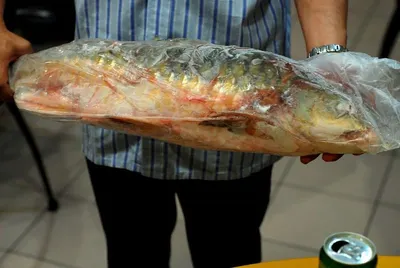
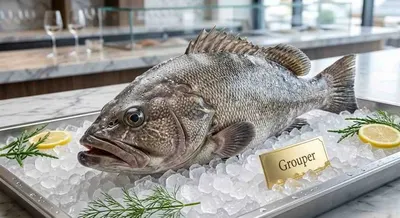
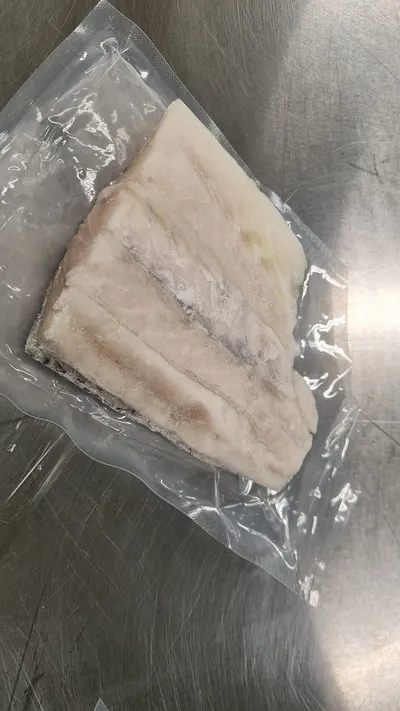
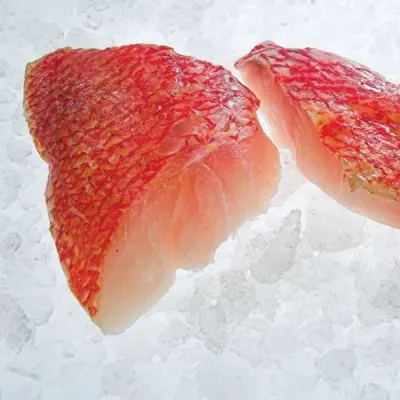
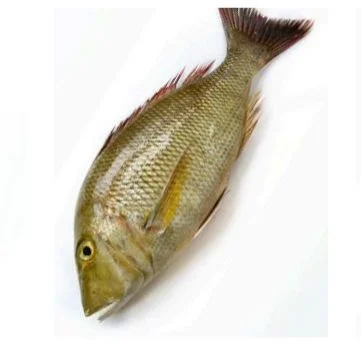
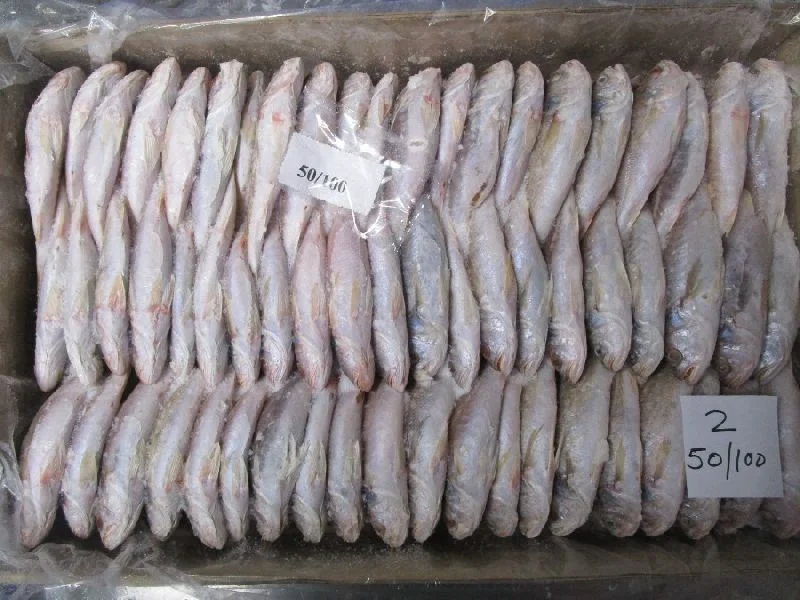
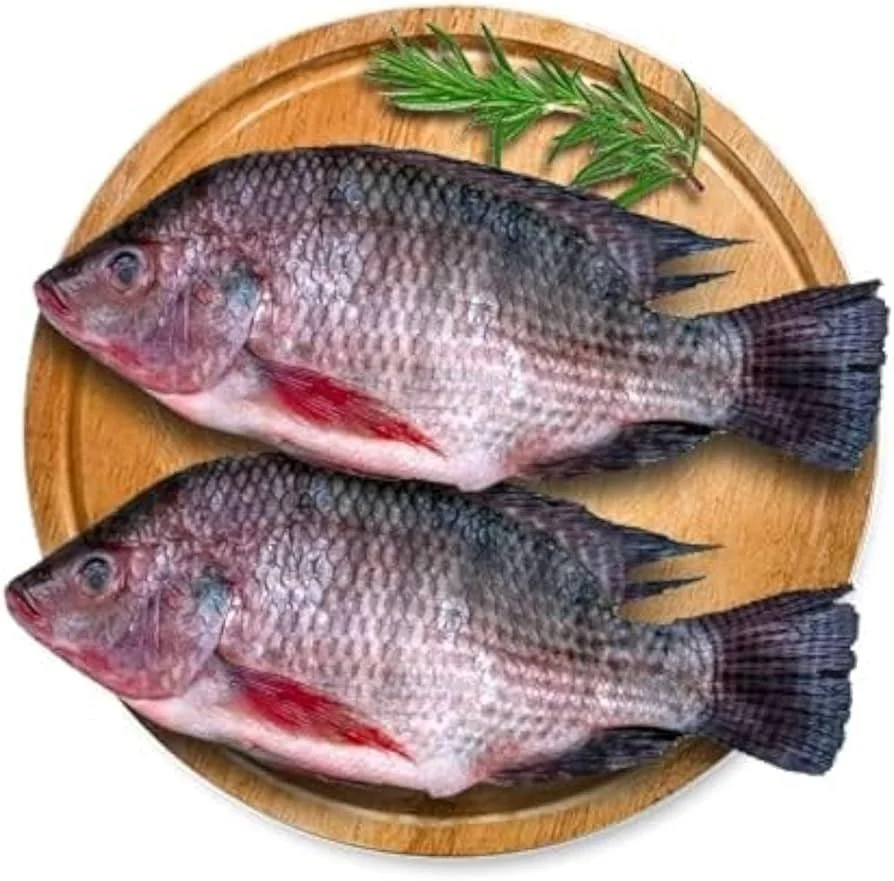
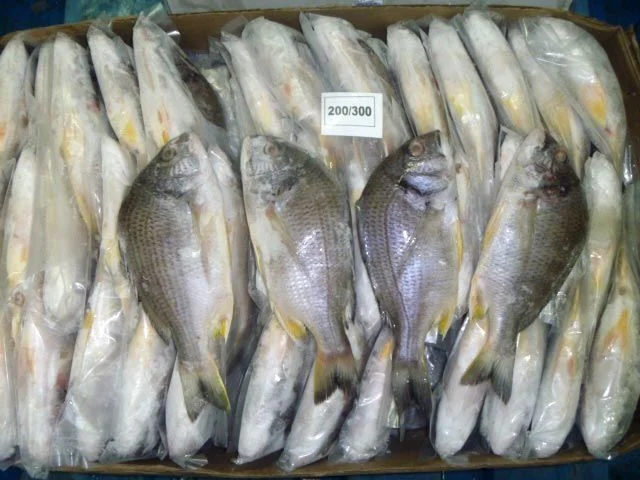
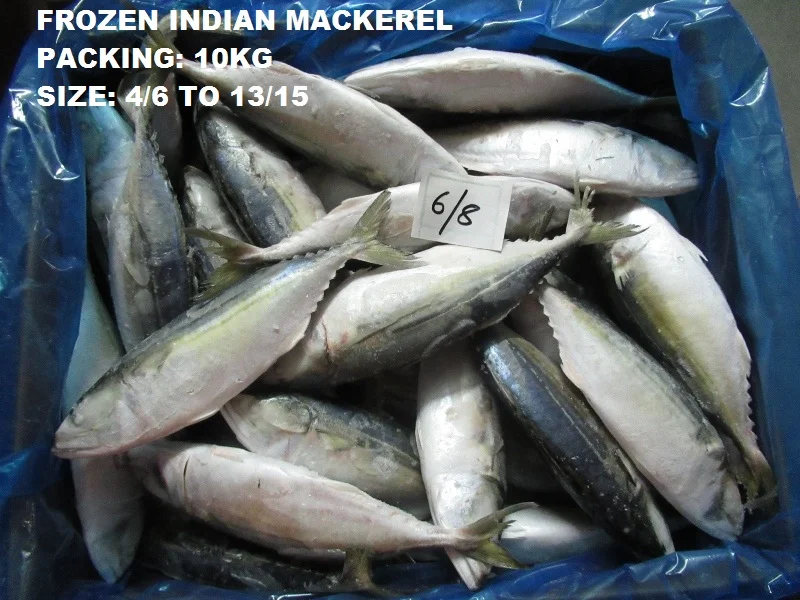
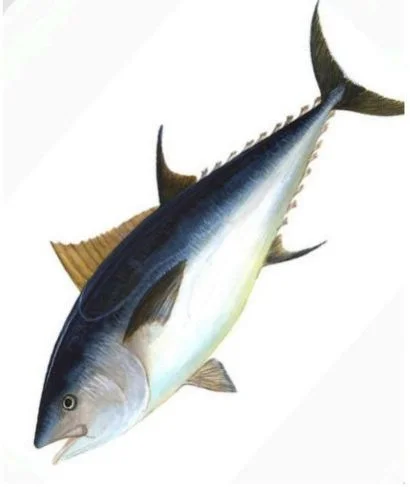
The catalogue shows a focus on shrimp varieties, including size‑graded Vannamei shrimp (Hlso, HOSO, PD, PUD) as well as headless‑shellless and peeled formats. Squid offerings span whole Illex, semi‑frozen whole, needle‑cut, and Loligo species, while tuna items cover Yellow Fin, Skipjack and Bonito whole cuts. Additional fish lines list leather‑jacket fish, Indian Mackerel (Rastrelliger kanagurta), Silver Pomfret and Baigai fish, complemented by Blue Swim Crab and Red Shrimp. Typical industry grades for frozen shrimp are size counts such as 21/25, 16/20, and 10/15 per kilogram, with ice content below 10 % and moisture under 75 %. Frozen squid is often graded by mantle length (e.g., 40 mm ± 5 mm) and packed in 10 kg boxes. Tuna is commonly sorted by whole weight ranges (5‑10 kg) and graded for flesh color and fat content.
In global seafood trade, HS 0306 products are expected to meet HACCP or BRC food safety standards, with many buyers also requesting MSC or ASC sustainability certifications. Shrimp and squid shipments are usually frozen at - 18 °C and loaded on 20‑ft or 40‑ft refrigerated containers, each container typically holding 12‑14 pallets of 10 kg cartons. Tuna and larger fish are often packed in insulated wooden crates or bulk polyethylene bags, with a total container capacity of 20‑25 tons depending on the product density.
Trade and Export Information - Astro Seafood Exim
India is a major exporter of frozen crustaceans and fish, supplying the European Union, United States, Middle East, and Southeast Asian markets. Exported shrimp and squid fall under HS chapter 03, with HS 0306 used for frozen shrimp and HS 0308 for frozen squid, while frozen tuna is classified under HS 0307. Importing countries commonly require HACCP, ISO 22000, BRC Global Standards, and, for sustainability, MSC or ASC certificates. In the EU, IFS (International Food Standard) and EU-specific residue limits are applied, while the US FDA requires prior notice and compliance with the Seafood HACCP regulations.
Typical logistics involve FOB or CFR terms from Indian ports such as Mumbai or Kochi, with cargo placed in refrigerated containers equipped with temperature monitoring devices. Packaging must meet cold‑chain integrity, using insulated pallets, gel‑packs or dry ice where required, and containers are routinely inspected under the Indian Export Inspection Council (EIC) and the destination country’s customs authorities.
Sourcing from Astro Seafood Exim - Buyer Guidance
Buyers should request a detailed product specification sheet that lists size count, ice content, moisture level, and any added preservatives. Verification documents normally include a HACCP or BRC audit report, a laboratory microbial test report (e.g., total plate count, E. coli), and a Certificate of Origin. Since Astro Seafood Exim does not list specific certifications, buyers are advised to ask for copies of any existing food safety or sustainability certificates before placing a purchase order.
Samples are typically supplied in 5‑kg insulated boxes, with shipping terms agreed on FOB or CIF. Prior to full order, confirm the supplier’s packaging method (e.g., 10 kg cartons, frozen pallets) and ensure that the container loading plan meets the buyer’s temperature control requirements.
Frequently Asked Questions About Astro Seafood Exim
What shrimp sizes does Astro Seafood Exim offer?
The catalogue lists Vannamei shrimp variants such as Hlso, HOSO, PD and PUD, which are commonly supplied in size counts ranging from 21/25 to 10/15 per kilogram. Exact size specifications should be confirmed with the supplier for each SKU.
Are the shrimp products headless and shellless?
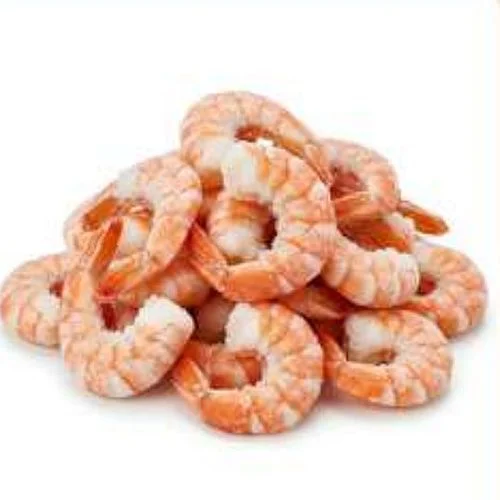
Yes, the list includes headless‑shellless pulled‑vein Vannamei shrimp and peeled Vannamei shrimp, which are processed to remove head and shell for ready‑to‑cook applications.
Which certifications should a buyer request from Astro Seafood Exim?
Buyers should request HACCP, BRC, ISO 22000, and any MSC or ASC sustainability certificates that the supplier may hold, as these are standard for frozen seafood imports.
What are the typical packaging formats for the squid products?
Frozen squid such as Illex, Whole Semi Squid and Needle Squid are usually packed in 10 kg insulated cartons or bulk freezer bags, placed on pallets for refrigerated container loading.
What HS codes apply to the main product categories?
Frozen shrimp fall under HS 0306, frozen tuna under HS 0307, frozen squid under HS 0308, and frozen crabs under HS 0306.03. These codes are used for customs declaration and tariff assessment.
Which markets does Astro Seafood Exim primarily serve?
The supplier’s product range aligns with typical Indian seafood export destinations, including the EU, United States, Middle East and Southeast Asian countries.
What is the minimum order quantity (MOQ) for frozen shrimp?
MOQs vary by SKU but generally start at one 20‑ft refrigerated container, equivalent to roughly 12‑14 pallets of 10 kg cartons, depending on the product’s density.
How long does lead time usually take from order to shipment?
Lead time depends on product availability and seasonal catch volumes; standard lead times range from 15 to 30 days after order confirmation and receipt of required certifications.




 , India