Asian Minerals And Allied Industries — Verified Supplier
About Asian Minerals And Allied Industries - Salt, Bentonite, Silica Sand Supplier in India
Asian Minerals And Allied Industries is based in India and lists 20 active products across three primary categories: salt, bentonite and silica sand. The catalogue groups bentonite items under HS code 2508.10, indicating natural calcium or sodium bentonite clays, while the quartz silica sand is classified under HS code 2505.10. The salt range includes industrial, food‑grade and specialty forms such as iodised table salt and de‑icing salt. All products are presented without reference to certifications or historical company data. The supplier’s trust tier is recorded as harbor.
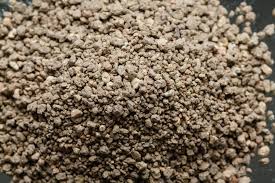
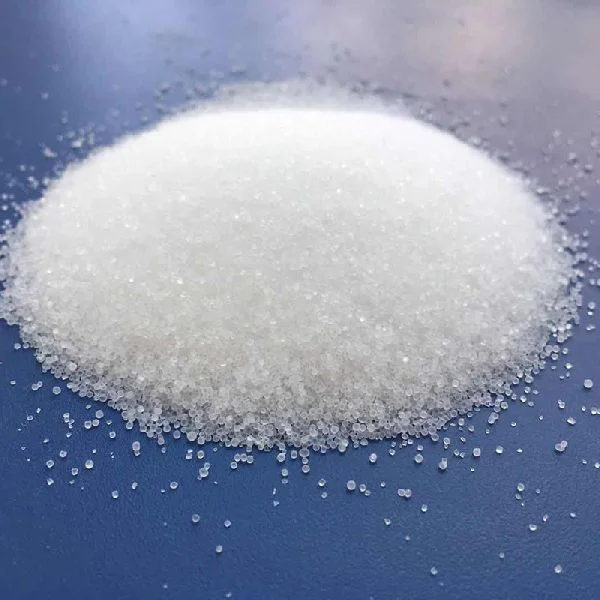
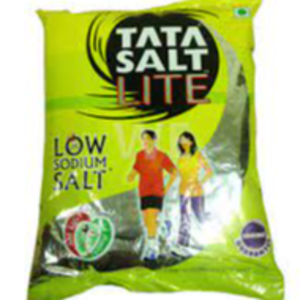
The bentonite portfolio comprises API 13A Section 9 compliant powder, API 13A Section 11 OCMA drilling grade, pilling grade, foundry grade, geo‑synthetic liner grade and granules, as well as IOP grade material, each described as natural montmorillonite with calcium or sodium dominance. Silica sand is described as high‑purity crystalline quartz suitable for glass and foundry applications. The salt line lists raw natural salt, refined industrial salt, cooking salt, water‑softening tablets, de‑icing salt, textile grade, paper‑pulp grade, iodised table salt, ice melting salt and other variants. No additional technical parameters are supplied in the source data.
Product Range and Specialties of Asian Minerals And Allied Industries
Bentonite products from India typically contain ≥70 % montmorillonite, moisture below 5 %, and particle‑size distribution meeting API 13A Section 9 or Section 11 requirements for drilling fluids. Common industry standards include ASTM D 5898 for bentonite purity and ISO 14688‑1 for liner applications, with bulk densities around 0.9 - 1.1 t/m³. Grades such as pilling, foundry and IOP are differentiated by cation exchange capacity and swelling index, which buyers verify through laboratory testing.
Quartz silica sand exported from India is usually ≥99.5 % SiO₂, with silica content measured by XRF and grain size ranging from 0.1 mm to 2 mm for industrial use. Typical certifications requested are ISO 9001 quality management and compliance with REACH for hazardous substances. Salt products are classified by purity (≥99 % NaCl for food grade, lower for industrial de‑icing) and grain size, with iodised variants meeting Codex Alimentarius specifications for iodine content (15 - 45 mg/kg).
Trade and Export Information - Asian Minerals And Allied Industries
Indian bentonite and silica sand are major export commodities, with primary buyers located in the Middle East, Africa, Southeast Asia and Europe. HS chapter 25 (2508.10 for bentonite, 2505.10 for silica sand) governs customs duty rates, and many importers require a Certificate of Origin and compliance with ASTM or ISO standards before shipment. Bulk shipments are commonly packed in 25 kg polypropylene bags for bentonite and 20‑ft or 40‑ft containers for silica sand, often under CIF terms to the port of destination.
Salt exports from India serve water‑softening, de‑icing and food‑processing markets, especially in South Asia, the Gulf Cooperation Council and African nations. Import regulations frequently call for a Material Safety Data Sheet (MSDS), a Certificate of Analysis (CoA) confirming NaCl purity, and where applicable, compliance with food‑grade standards such as ISO 22000. Buyers typically arrange sea freight in 20‑ft containers for bulk salt or smaller bagged quantities for specialty grades.
Sourcing from Asian Minerals And Allied Industries - Buyer Guidance
When sourcing bentonite from this supplier, request a recent CoA that details montmorillonite content, moisture, and cation exchange capacity, as well as an API 13A compliance certificate for the specific grade. Verify the packaging weight (usually 25 kg bags) and confirm that the product meets ASTM D 5898 or ISO 14688‑1 if it will be used as a geo‑synthetic liner.
For silica sand, ask for an XRF report confirming SiO₂ purity and a grain‑size analysis report; ISO 9001 certification is a common baseline for quality management. Salt buyers should obtain a food‑grade analysis (iodine level, microbial limits) for edible varieties and an MSDS for industrial salts. In all cases, confirm the lead time, minimum order quantity (often one container load or a specified number of bags), and the preferred Incoterm before placing an order.
Frequently Asked Questions About Asian Minerals And Allied Industries
What HS codes apply to the bentonite products listed by Asian Minerals And Allied Industries?
All bentonite items are classified under HS code 2508.10, which covers natural calcium or sodium bentonite clays used in drilling, foundry and geo‑synthetic applications.
Which specifications should I verify for the API 13A Section 9 bentonite powder?
Verify the API 13A Section 9 compliance certificate, montmorillonite content (≥70 %), moisture below 5 %, and request a particle‑size distribution report. A recent CoA and an MSDS are also standard documents.
What are the typical purity and grain‑size requirements for the quartz silica sand?
Buyers usually expect SiO₂ purity of 99.5 % or higher, grain sizes between 0.1 mm and 2 mm, and a bulk density around 1.5 t/m³. An XRF analysis and a grain‑size distribution chart are standard verification items.
Which certifications are commonly required for Indian salt exports?
Importers often request ISO 9001 quality management certification, a Certificate of Analysis showing NaCl purity (≥99 % for industrial, ≥99.5 % for food grade), and, for edible salts, compliance with Codex Alimentarius iodine specifications.
How are the bentonite and sand products typically packaged for shipment?
Bentonite powders are normally packed in 25 kg polypropylene bags, while silica sand is shipped in bulk within 20‑ft or 40‑ft containers, sometimes using bulk bags (1 ton) depending on the buyer’s requirement.
What documentation should I ask for before placing a bulk order of water‑softening salt tablets?
Request a Material Safety Data Sheet, a Certificate of Analysis confirming NaCl purity and tablet hardness, and, if the tablets are intended for food‑contact water, evidence of compliance with ISO 22000 or local food‑safety regulations.
What lead times and minimum order quantities are typical for these products?
Lead times range from 4 to 8 weeks after order confirmation, depending on the grade and packaging. Minimum order quantities are often one 20‑ft container for bulk salt or a specified number of 25 kg bags for bentonite, but exact figures should be confirmed with the supplier.




 , India