Asian Exportex — Verified Supplier
About Asian Exportex - Wooden Handicrafts Supplier in India
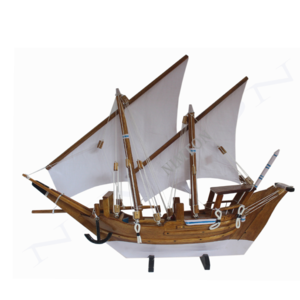
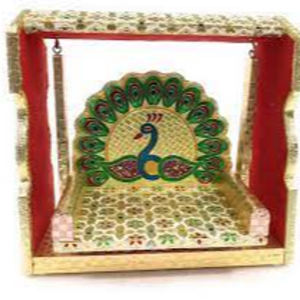
Asian Exportex operates from Murshidabad in the West Bengal state of India and currently lists 76 active products. The catalogue is organised under eight top categories that include Wooden Handicrafts, Wooden Box, Serving Trays, Serving Bowls, Flower Pots and Vases, Dry Fruit Boxes, general Wooden Products and Kitchen Storage Jars. Each product entry is presented by name only, for example “Goddess Sita”, “The Dholki Mini” or “Elephant Pen Vase”, reflecting a focus on decorative and functional wooden items. The supplier’s tier is recorded as imported with a voyage trust tier, indicating it ships primarily on a FOB or CIF basis. No explicit HS‑code numbers are provided in the source data, so references to HS chapters are limited to the typical wood‑product range (chapter 44).
Product Range and Specialties of Asian Exportex
The listed items span carved figurines, traditional musical instrument replicas, decorative vases and storage containers, all fashioned from solid wood or engineered wood panels. In the wooden handicrafts market, buyers usually look for grades such as seasoned hardwood with moisture content below 12 %, surface finishes ranging from natural lacquer to polyurethane, and dimensions that fit standard packaging pallets. Common wood species sourced in India include teak, sheesham, mango and bamboo, each offering distinct durability and aesthetic grain. Export‑ready wooden boxes and serving trays are often produced to ISO 9001 quality management standards and may carry FSC certification for sustainable sourcing, although such certification is not confirmed for this supplier. Kitchen storage jars and dry‑fruit boxes typically conform to food‑contact regulations, requiring food‑grade finishes and compliance with the EU’s REACH or the US FDA food‑contact material guidelines.
Trade and Export Information - Asian Exportex
India is a major exporter of handcrafted wooden goods, with the European Union, United States and Middle Eastern markets accounting for the largest shares. Products classified under HS chapter 44 are subject to phytosanitary inspections to prevent pest transmission, and many importers request a phytosanitary certificate together with a commercial invoice and packing list. Buyers often require evidence of sustainable sourcing, so FSC or PEFC certificates are commonly requested even when not listed by the supplier. Shipping of wooden handicrafts from West Bengal usually employs 20‑ft or 40‑ft containers, with internal cushioning such as corrugated board or foam to protect intricate carvings during sea transit.
Sourcing from Asian Exportex - Buyer Guidance
When sourcing from Asian Exportex, buyers should ask for product samples that include dimensions, wood species identification and finish type, allowing verification of moisture content and surface hardness. Requesting a test report for formaldehyde emissions (per CARB Phase 2 or EU E1 limits) is advisable for items that may enter indoor environments. Verify whether the supplier can provide a phytosanitary certificate and, if sustainability is a concern, ask for any existing FSC or similar chain‑of‑custody documentation. Confirm packaging details - for example, whether items are packed in individual cardboard boxes, stacked on wooden pallets, and protected with bubble wrap - to ensure safe handling during the typical 30‑45 day ocean freight from Kolkata ports.
Frequently Asked Questions About Asian Exportex
What categories of wooden products does Asian Exportex list?
The catalogue groups items under Wooden Handicrafts, Wooden Box, Serving Trays, Serving Bowls, Flower Pots and Vases, Dry Fruit Boxes, general Wooden Products and Kitchen Storage Jars.
How many individual products are shown in the Asian Exportex catalogue?
The supplier lists 76 active products, each identified by a distinct name such as “Goddess Sita” or “The Dholki Mini.”
Are HS codes provided for the products?
No specific HS‑code numbers are included in the supplied data; however, wooden handicrafts generally fall under HS chapter 44.
What wood species are commonly used for these types of items in India?
Typical species include teak, sheesham, mango and bamboo, chosen for durability, grain pattern and suitability for carving or finishing.
What certifications should a buyer request for wooden handicrafts from India?
Buyers usually request FSC or PEFC for sustainable sourcing, ISO 9001 for quality management, and a phytosanitary certificate for export compliance.
What packaging is typical for wooden decorative items shipped from West Bengal?
Items are often individually boxed in cardboard, wrapped with protective foam or bubble wrap, and placed on wooden or plastic pallets inside 20‑ft or 40‑ft containers.
What documentation is needed to clear customs for wooden goods from India?
Customs authorities typically require a commercial invoice, packing list, bill of lading, phytosanitary certificate and, where applicable, sustainability certificates.
What lead time can buyers expect for orders of wooden handicrafts?
Lead times generally range from 30 to 45 days for production and packaging, plus additional transit time depending on the chosen Incoterm such as FOB Kolkata or CIF destination port.




 Murshidabad, India