Miral India — Verified Manufacturer & Wholesale Supplier
About Miral India - Wooden Carving Supplier in India
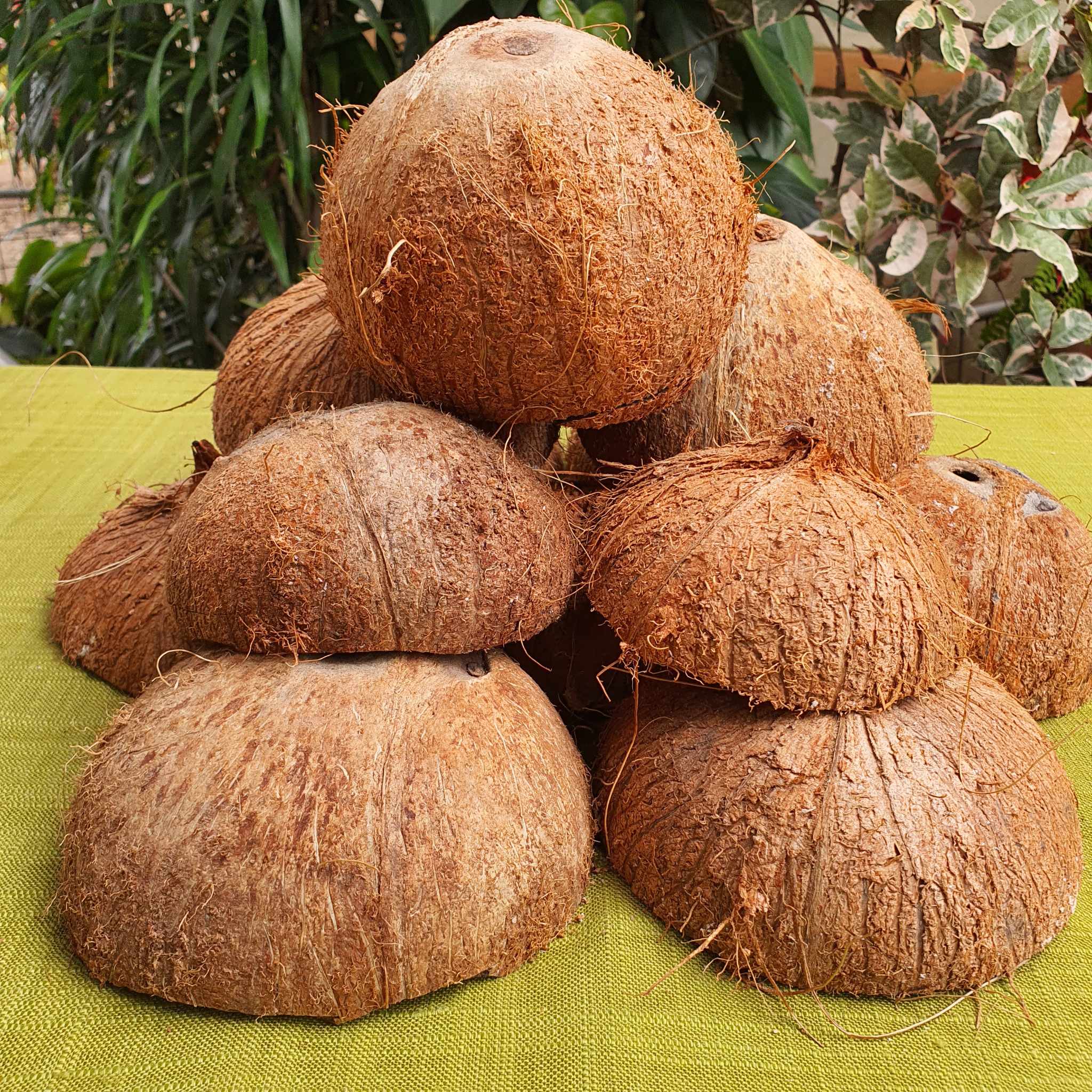
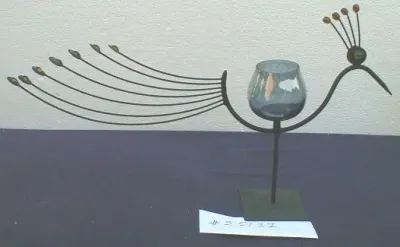
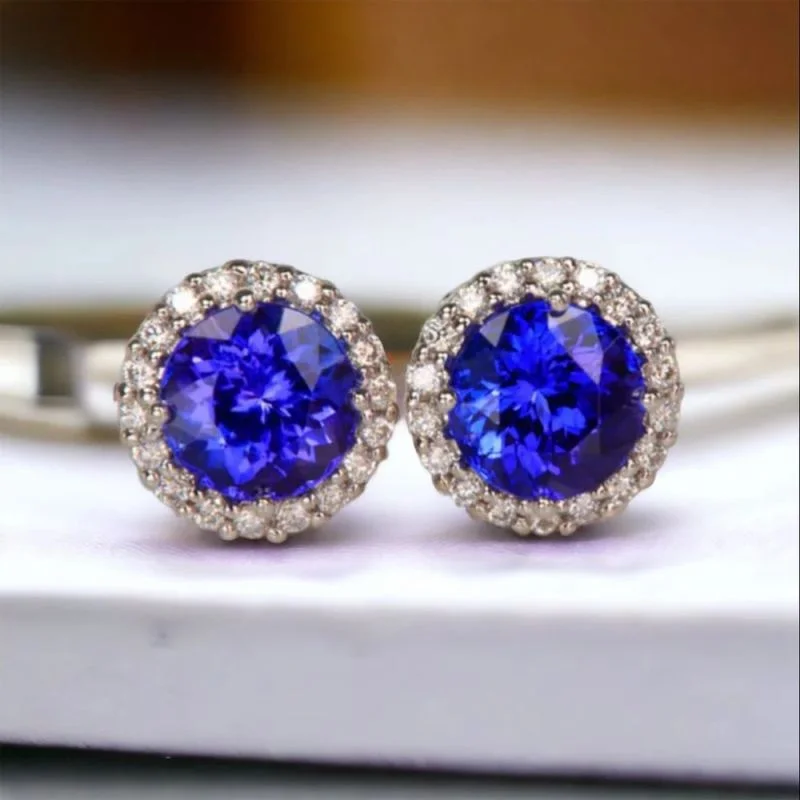
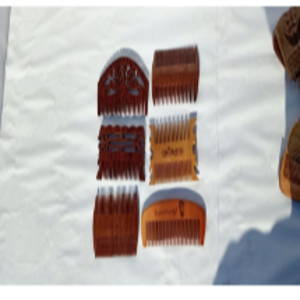
Miral India operates from Malappuram in the state of Kerala, India and lists 30 distinct products in its online catalogue. The catalogue is organised under categories such as Wooden Carving, Artificial Jewellery, Candle Holder and Interior Decoration Products, and the items are primarily handcrafted mirror frames, wall‑mounted mirrors and decorative artefacts made from reclaimed teak, reclaimed mahogany and coconut shell. The wooden items fall under the HS‑code family 4421 (wooden articles) while the coconut‑shell jewellery and accessories are typically classified under HS‑code 4602 (other articles of wood or similar materials).
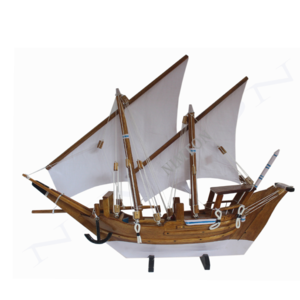
The supplier’s product list includes medium and large Kerala‑mural mirrors, teak‑wood mirror frames with non‑toxic acrylic paint, reclaimed‑teak boat‑inspired frames, and a variety of coconut‑shell pendants, earrings, necklaces and tea‑light holders. Each entry specifies the base material - Mahogany wood, Teak wood, reclaimed Teak wood or Coconut shell - and the range covers both decorative mirrors and wearable items, providing a focused but diverse portfolio for buyers interested in sustainable Indian handicrafts.
Product Range and Specialties of Miral India
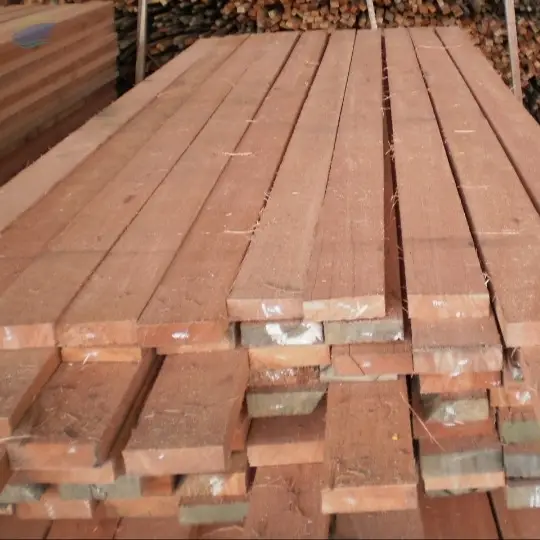
The wooden segment comprises mirror frames and mural mirrors crafted from reclaimed Mahogany and Teak. In the Indian handicraft market, reclaimed teak is graded by density (typically 0.65‑0.75 g/cm³) and colour consistency, while Mahogany used for decorative mirrors is often selected for a uniform grain and low moisture (≤12 %). Coconut‑shell jewellery is produced from hand‑polished shells, usually sized between 10 mm and 30 mm for pendants and earrings, and finished with non‑toxic acrylic or natural dyes. Typical industry specifications call for lead‑free finishes (<0.01 % lead) and a minimum durability test of 500 cycles of handling without cracking.
Trade and Export Information - Miral India
India is a major exporter of handcrafted wooden décor and coconut‑shell accessories, with the United States, Germany, the United Kingdom and the United Arab Emirates accounting for the bulk of demand. Export shipments of wooden articles (HS 4421) are frequently subject to phytosanitary certificates and, where sustainable sourcing is claimed, an FSC or equivalent provenance document. Coconut‑shell items (HS 4602) often require a declaration that the material is a natural renewable resource and may be inspected for compliance with REACH limits on heavy metals. Common Incoterms used by Indian artisans are FOB Kochi or CIF Dubai, and goods are packed in double‑wall corrugated boxes with internal cushioning to protect delicate frames and jewellery during sea freight.
Sourcing from Miral India - Buyer Guidance
Buyers should request a material‑origin statement for the reclaimed teak and Mahogany, preferably an FSC‑type certificate, and ask for a sample of the non‑toxic acrylic paint to verify lead‑free compliance. For jewellery, a test report covering heavy‑metal content (e.g., ISO 17025 laboratory results) is standard practice. Verify dimensions and weight - mirror frames typically range from 600 mm × 400 mm to 1500 mm × 800 mm, and coconut‑shell pendants usually weigh 10‑30 g each. Minimum order quantities are often set at 50‑100 units per design, with lead times of 4‑6 weeks after artwork approval, and packaging should be confirmed as double‑wall boxes with eco‑friendly inserts for jewellery.
Frequently Asked Questions About Miral India
What materials are used in Miral India’s mirror frames?
The frames are made from reclaimed Mahogany wood, reclaimed Teak wood or solid Teak wood, and are finished with non‑toxic acrylic paint.
Are the coconut‑shell jewellery pieces lead‑free?
The supplier states that the acrylic finishes are non‑toxic; buyers should request a REACH‑compliant heavy‑metal test report to confirm lead levels below 0.01 %.
Which HS codes apply to the listed products?
Wooden mirror frames and mural mirrors fall under HS 4421 (wooden articles); coconut‑shell pendants, earrings and tea‑light holders are generally classified under HS 4602 (other articles of wood or similar materials).
What certifications should a buyer request?
For reclaimed wood, ask for an FSC or equivalent provenance certificate; for finishes, request a non‑lead (lead‑free) certification and, if required by the destination market, a phytosanitary certificate.
What is the typical minimum order quantity and lead time?
MOQ is usually 50‑100 units per design, and production lead time after design approval is 4‑6 weeks, subject to material availability.
How are the products packaged for export?
Wooden items are packed in double‑wall corrugated boxes with internal cushioning; jewellery and small coconut‑shell items are placed in eco‑friendly padded inserts to prevent movement and damage during sea freight.
Which markets import these types of Indian handicrafts?
Major importers include the United States, Germany, the United Kingdom and the United Arab Emirates, where buyers often look for sustainable, handcrafted décor and accessories.
What Incoterms are commonly used for shipments from India?
FOB from the nearest Indian port (often Kochi) and CIF to major Middle‑East hubs such as Dubai are the most frequently applied terms.





 Malappuram, India