Agriculture›
 Apparel and fashion accessories›
 Construction & real estate›💡Electronic & Electrical›🍎Food & Beverages›🛋️Home furnishing & supplies›⚗️Industrial goods & chemical›🪨Minerals & metals›📦Miscellaneous›Agriculture›Apparel and fashion accessories›Construction & real estate›💡Electronic & Electrical›🍎Food & Beverages›🛋️Home furnishing & supplies›⚗️Industrial goods & chemical›🪨Minerals & metals›📦Miscellaneous›
Asia Trade Global Product Catalog


About Asia Trade Global - Coal Supplier in Indonesia
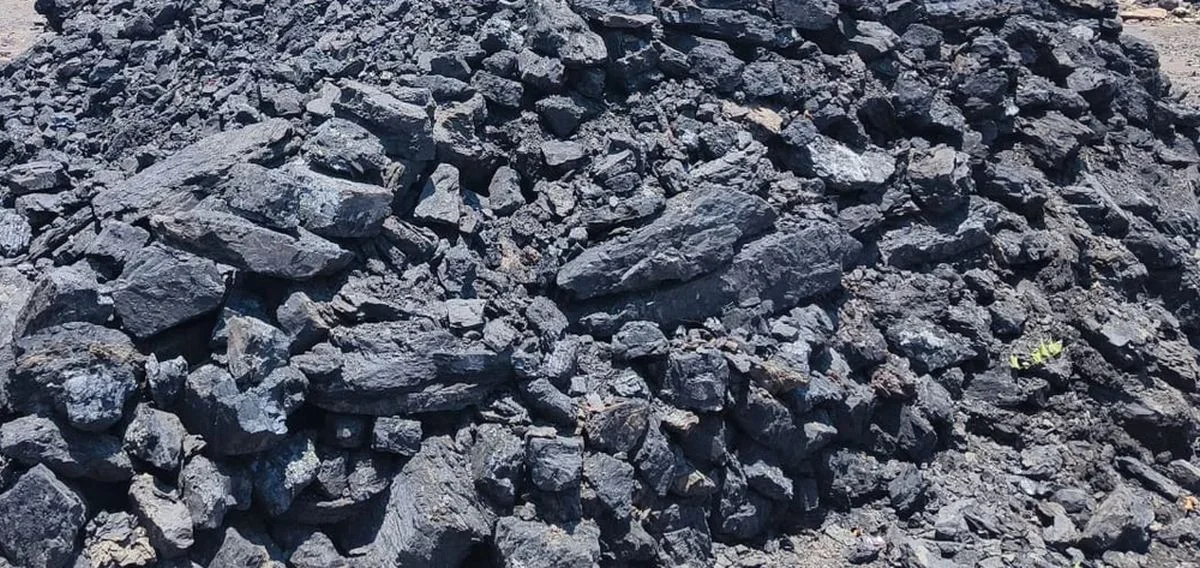
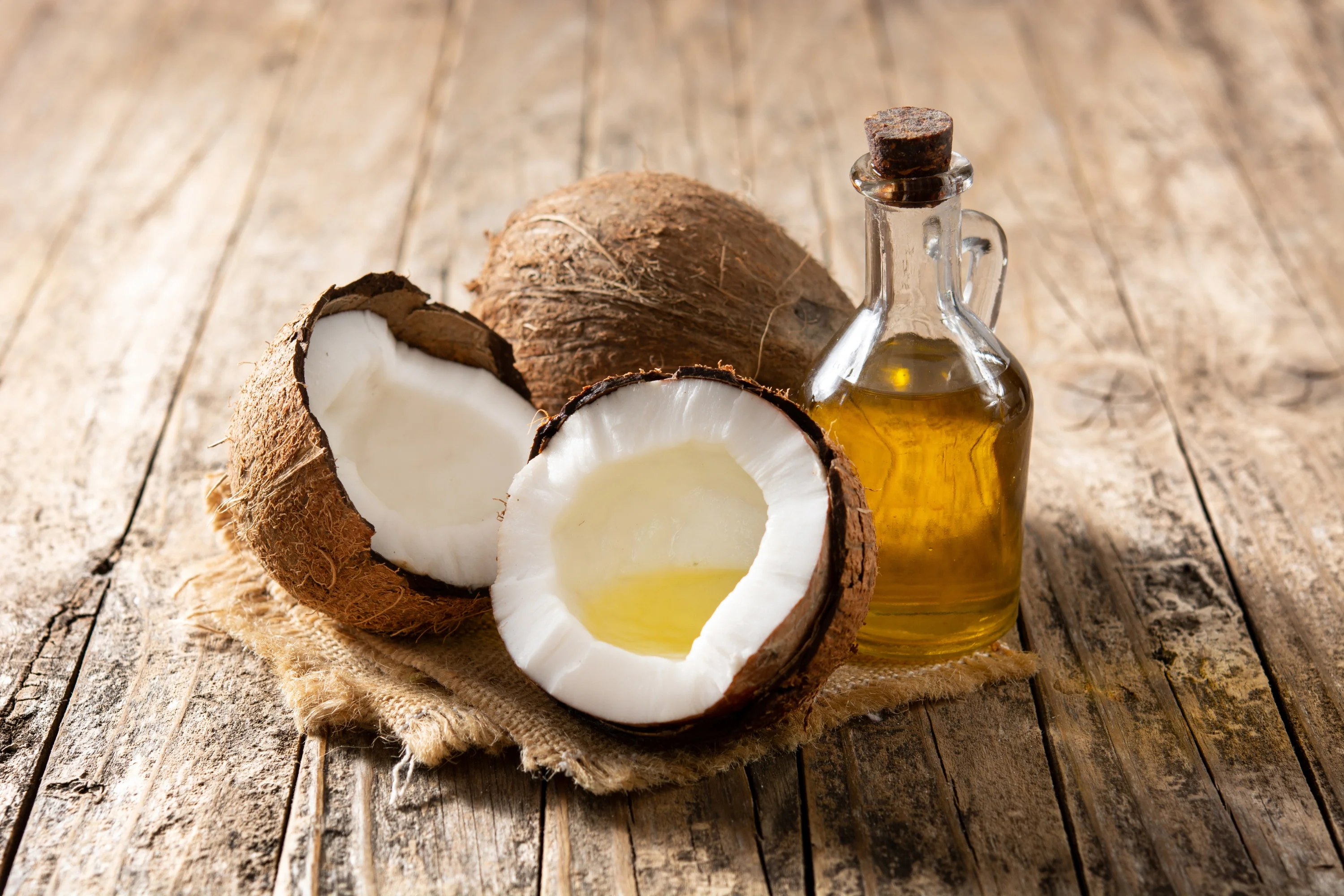
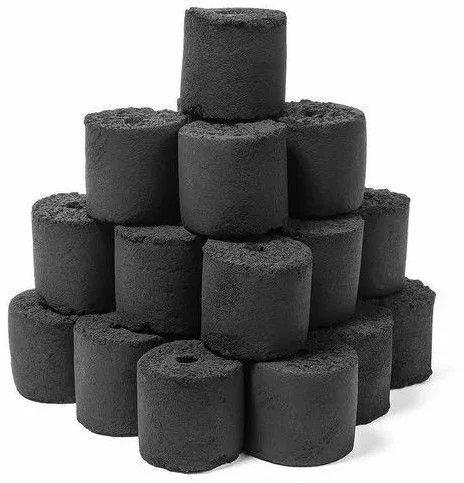
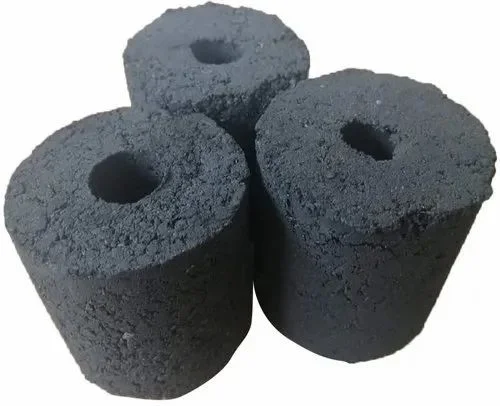
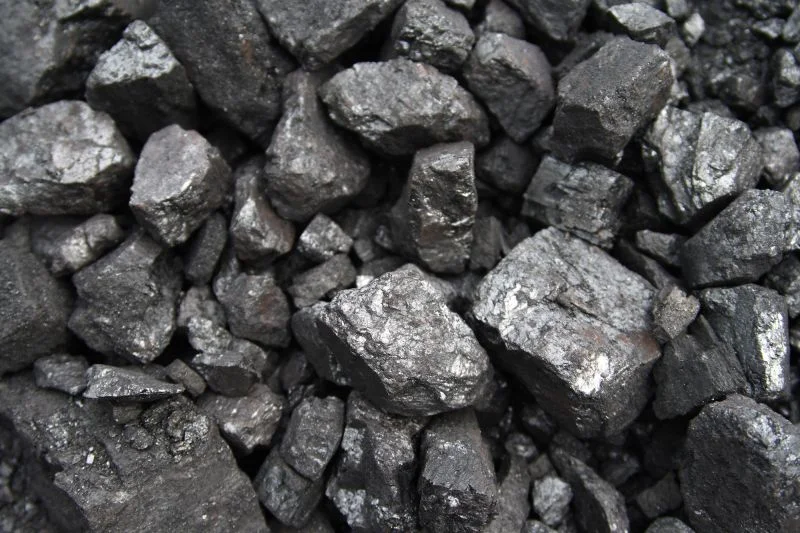
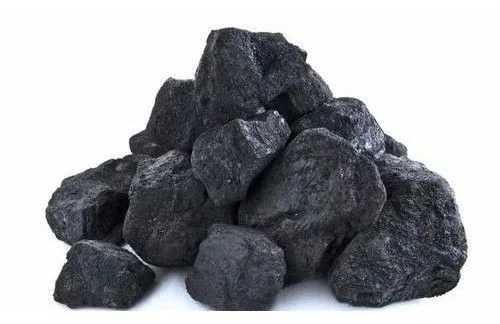
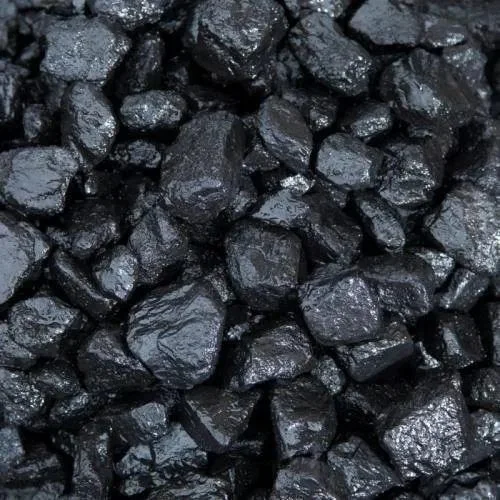
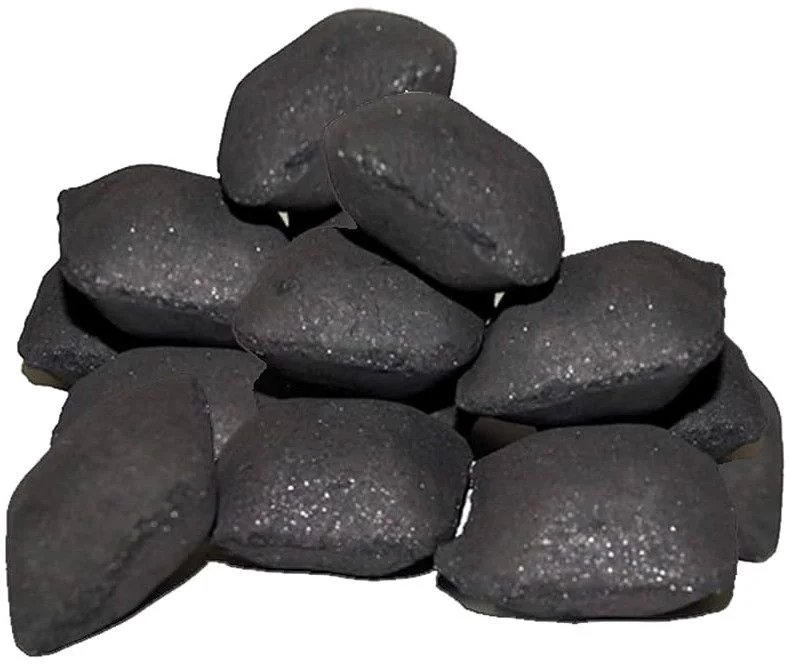
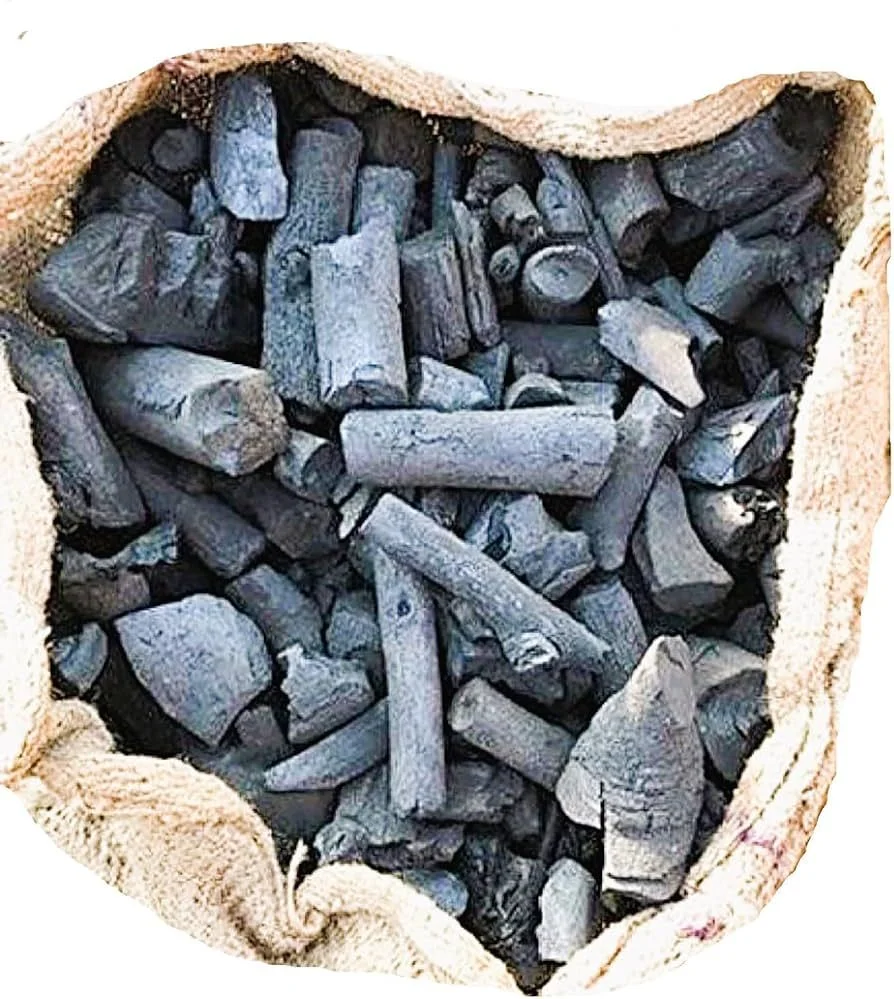
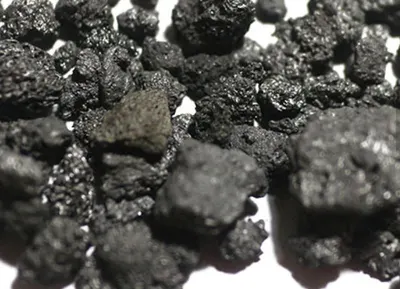
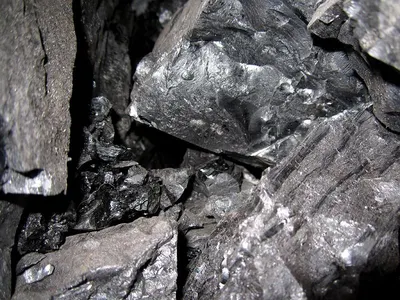
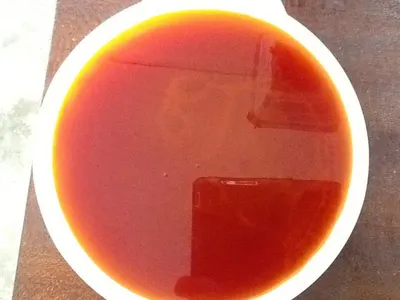
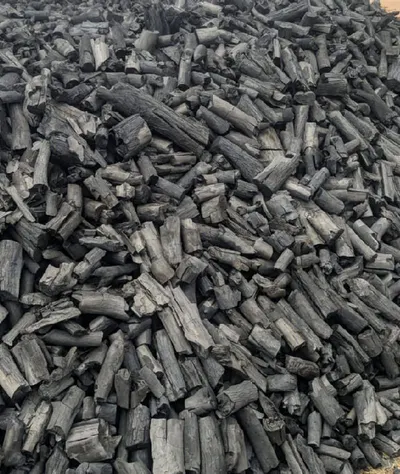
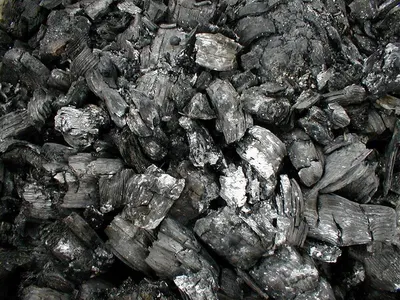
Indonesia‑based Asia Trade Global lists seven active products spanning coal, charcoal, coconut oil, crude oil and palm oil categories. The catalogue records two thermal‑coal grades (GAR 5800 NAR 5500 and GAR 4200 NAR 3800), two coconut‑oil variants (Virgin Coconut Oil and Crude Coconut Oil), refined palm olein (RBD Palm Olein) and two hardwood‑charcoal products (industrial charcoal and briquettes).
The supplier’s product titles follow standard industry naming conventions, indicating gross and net calorific values for coal, and specifying “virgin” or “crude” for coconut oil. The charcoal entries are described for industrial use, while the palm olein is identified as refined, bleached and deodorised (RBD). All seven items are presented without additional branding or client references.
Product Range and Specialties of Asia Trade Global
The two coal entries correspond to Indonesian thermal coal typically graded by gross calorific value (GAR) between 4 200 and 5 800 kcal/kg and net calorific value (NAR) between 3 800 and 5 500 kcal/kg. Buyers normally expect moisture below 6 %, ash under 10 % and a calorific value consistent with the stated GAR/NAR. Hardwood charcoal for industrial use is usually measured by bulk density (≈0.5 t/m³) and fixed carbon content above 70 %. The briquette form is pressed to a standard size of 50 mm × 50 mm × 30 mm and packed in 1‑ton bags. Virgin Coconut Oil (VCO) is cold‑pressed, typically containing ≤0.1 % free fatty acids (FFA) and a peroxide value below 5 meq O₂/kg. Crude Coconut Oil is unrefined, with higher FFA (up to 2 %) and moisture around 0.2 %. Refined, bleached and deodorised (RBD) Palm Olein usually meets an FFA limit of ≤0.1 % and an iodine value of 45‑55 g I₂/100 g.
Industry standards for these commodities include ISO 9001 quality‑management systems, SGS inspection reports, and, for edible oils, compliance with Codex Alimentarius limits on contaminants. Typical packaging involves bulk bags of 20 kg for oils, 1‑ton flexible intermediate bulk containers for coal, and 25 kg paper bags for charcoal, all loaded in 20‑ft or 40‑ft containers.
Frequently Asked Questions About Asia Trade Global
What are the calorific values of the coal products listed by Asia Trade Global?
The catalogue lists GAR 5800 NAR 5500 and GAR 4200 NAR 3800, indicating gross calorific values of approximately 5 800 kcal/kg and 4 200 kcal/kg respectively, with corresponding net values.
Does the supplier provide laboratory certificates for the coconut oil products?
Buyers should request a recent Certificate of Analysis that details free fatty acid (FFA), peroxide value, moisture and iodine value for both Virgin and Crude Coconut Oil.
What packaging is used for the hardwood charcoal products?
Hardwood charcoal for industrial use is typically packed in 1‑ton bulk bags, while briquettes are packed in 25 kg paper bags; both are loaded in standard 20‑ft containers.
Which HS codes apply to the listed products?
Typical HS codes are 2701 for thermal coal, 4401 for hardwood charcoal, and 1511 for both coconut oil and palm olein.
Are any certifications required for importing the palm olein?
Importers usually request an ISO 9001 quality‑management certificate, a SGS inspection report, and, for sustainability claims, an RSPO or equivalent palm‑oil certification.
 Indonesia
Related Suppliers & Products
Explore similar suppliers, related products and trending categories