Arihant Enterprise — Supplier
About Arihant Enterprise - Mixed Seeds Supplier in India
Arihant Enterprise is based in Mumbai City, Maharashtra, India and currently lists nine active products across its catalogue. The supplier’s top categories include Sesame Seeds, Maize, Oil Seeds and Animal & Cattle Feed, reflecting a focus on bulk agricultural commodities that are commonly traded from the Indian sub‑continent.
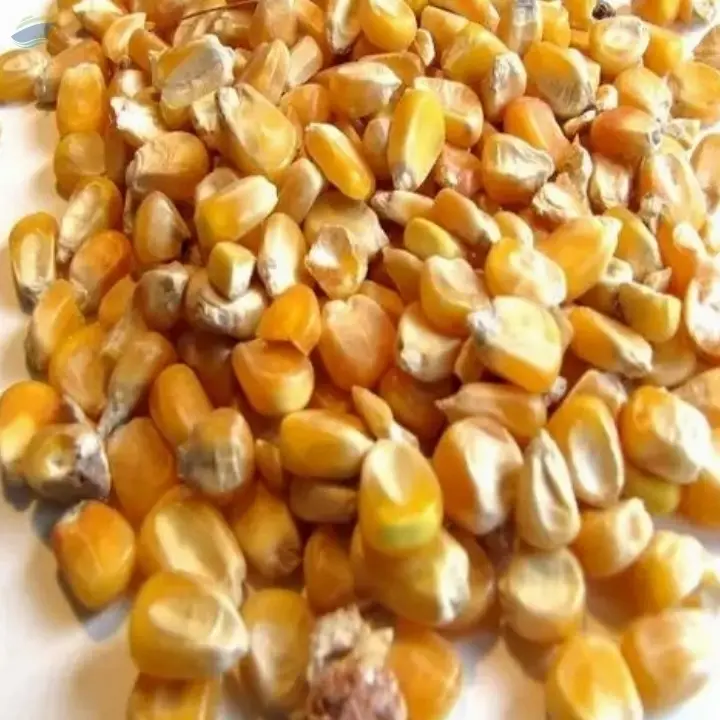
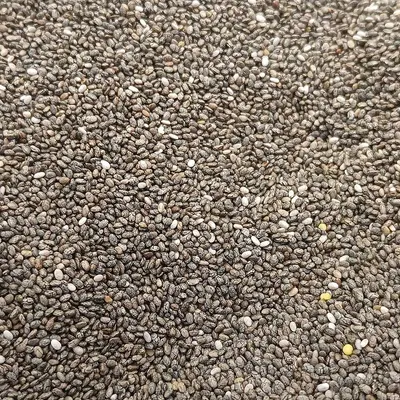
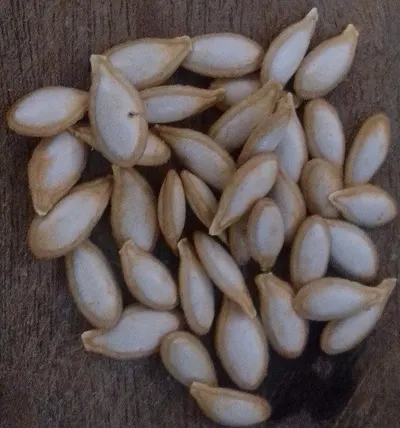
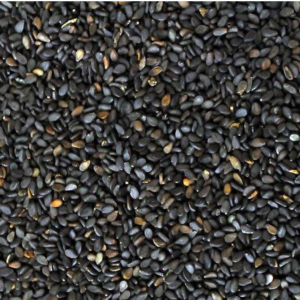
The catalogue comprises Indian Double Skin Brown Sesame Seeds, Indian Double Skin Yellow Sesame Seeds, Black Brown Sesame Seeds, Indian Yellow Maize, Niger Seeds, Assam Small White Sesame Seeds, Assam Small Black Sesame Seeds, Buckwheat and Indian Double Skin Black Sesame Seeds. Each entry corresponds to a specific seed type or grain that is standardised in international trade under the broader seed and cereal HS families, and the list totals nine distinct product lines.
Product Range and Specialties of Arihant Enterprise
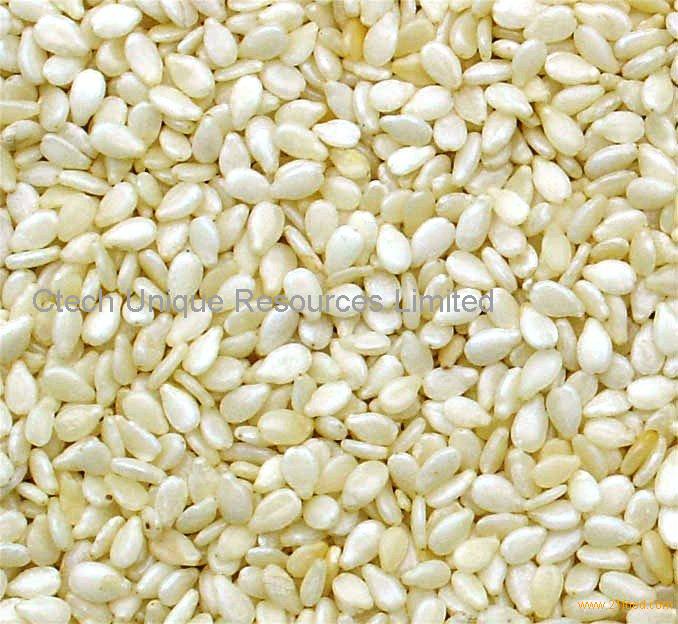
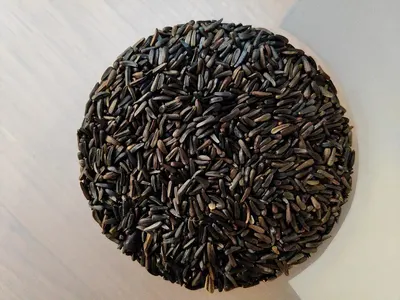
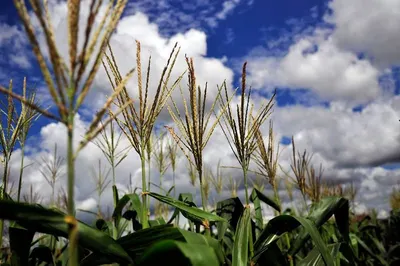
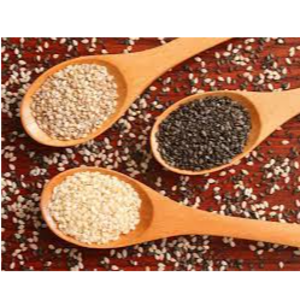
The seed portfolio features multiple sesame seed varieties distinguished by skin colour and size: double‑skin brown, yellow, black, as well as small white and small black seeds from Assam. Typical industry specifications for these sesame grades include moisture levels below 6 %, oil content between 45 % and 55 %, and seed dimensions of 3 - 5 mm. Indian Yellow Maize is generally marketed in a yellow kernel grade with moisture under 14 % and a test for aflatoxin compliance. Niger seeds, used both for oil extraction and animal feed, are usually supplied with oil content of 30‑35 % and particle size around 2‑3 mm. Buckwheat is offered in hulled form, with moisture below 12 % and protein content near 13 % on a dry basis. Packaging for these commodities commonly uses 25 kg polypropylene bags or bulk bulk‑head containers suitable for sea freight.
Trade and Export Information - Arihant Enterprise
India ranks among the world’s largest exporters of sesame seeds, maize and buckwheat, supplying markets in the Middle East, the European Union and Southeast Asia. Export shipments for these seed categories fall under HS Chapter 12 (e.g., HS 1208 for sesame seeds, HS 1005 for maize, HS 1001 for buckwheat) and are subject to phytosanitary certification, origin declaration and, where required, compliance with ISO 22000 or FSSC 22000 food safety standards. Buyers typically request HACCP or HACCP‑based audit reports, especially for feed‑grade seeds. Standard logistics involve loading the 25 kg bags onto pallets that fit 20‑foot containers (approximately 20 tons total) or 40‑foot containers (approximately 40 tons), with the option of bulk shipments in sealed bulk‑head containers for larger orders.
Sourcing from Arihant Enterprise - Buyer Guidance
When sourcing from Arihant Enterprise, buyers should ask for a recent laboratory analysis that confirms moisture, oil content and any mycotoxin limits applicable to the destination market. A phytosanitary certificate issued by Indian authorities is standard for all seed exports and should be verified before shipment. Requesting a 5 kg sample packaged in the same material as the commercial lot helps verify colour, size and purity before committing to a full order. Confirm the packaging format (e.g., 25 kg bag, bulk‑head) and the Incoterm (CIF or FOB) to align with the buyer’s logistics plan.
Frequently Asked Questions About Arihant Enterprise
What sesame seed varieties does Arihant Enterprise offer?
The supplier lists Indian Double Skin Brown, Double Skin Yellow, Double Skin Black, Black Brown, Assam Small White and Assam Small Black sesame seeds, covering the main colour and size grades used in food and oil production.
Are phytosanitary certificates available for the seed shipments?
Yes, Indian exporters are required to provide a phytosanitary certificate for all seed consignments, and buyers should request this document before loading.
What typical moisture limits apply to the listed seeds?
Sesame seeds are commonly limited to moisture below 6 %, while Indian Yellow Maize should not exceed 14 % moisture. Buckwheat and Niger seeds also target moisture levels under 12 %.
Which certifications are usually required for these products?
Importers often ask for food safety certifications such as ISO 22000, FSSC 22000 or HACCP audit reports, together with the phytosanitary certificate and an origin declaration.
What are the usual packaging sizes for the catalogue items?
The standard commercial packaging is 25 kg polypropylene bags, which can be palletised for container loading; bulk‑head containers are used for larger volume orders.
What is the typical container capacity for these seed products?
A 20‑foot container can accommodate roughly 20 tons of bagged seed, while a 40‑foot container can hold around 40 tons, depending on packaging density.
How can a buyer obtain a sample before placing a full order?
Buyers can request a 5 kg sample packed in the same material as the commercial lot; the supplier can ship the sample under the agreed Incoterm for testing.




 Mumbai City, India

.jpg.png)