Aqgromalin — Supplier
About Aqgromalin - Livestock Supplier in India
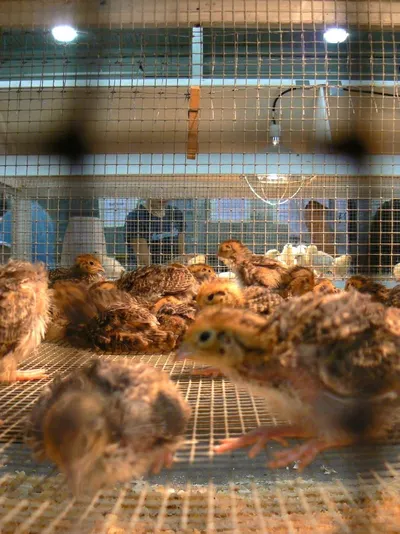
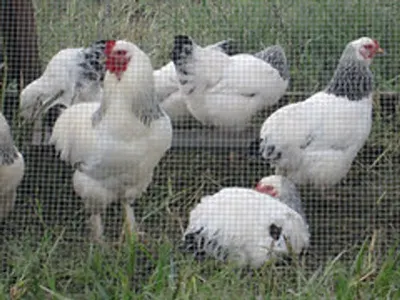
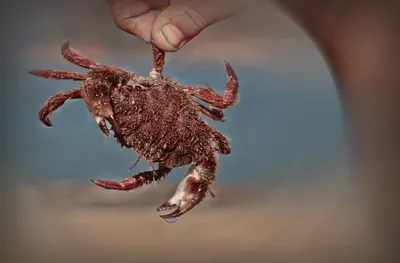
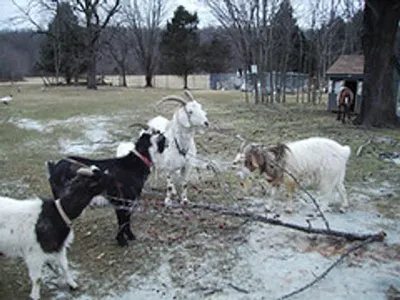
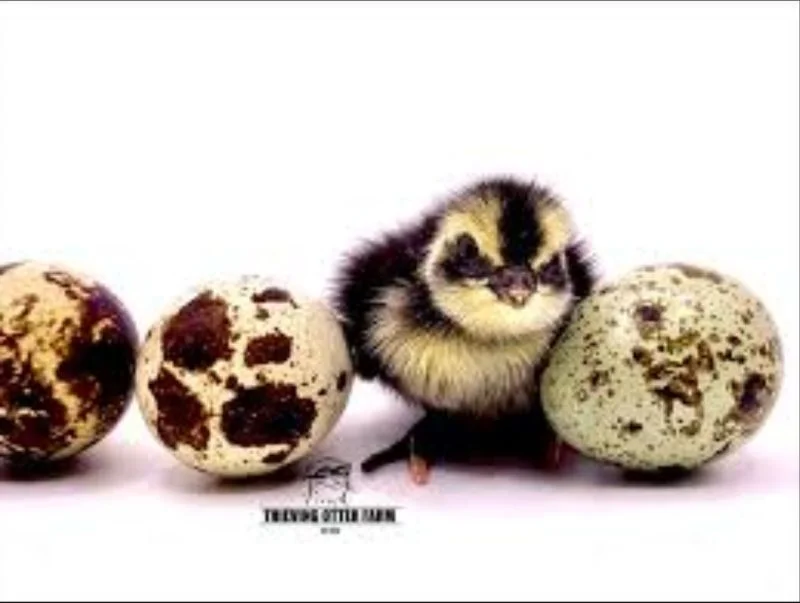
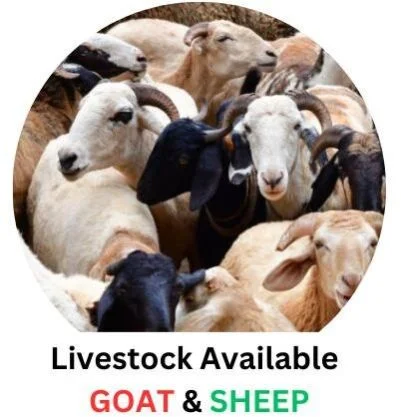
Aqgromalin is based in India and currently lists five active live‑animal products. The catalogue includes Mud Crab, Live Goat, Japanese Quail (live), White Pekin Ducks (live) and Kadaknath Chicken (live). Each item falls under the live‑animal HS chapter 01 or the live‑crustacean chapter 03, which are the standard customs classifications for such goods. The supplier’s product list therefore spans both seafood and terrestrial livestock categories, providing a compact but diverse live‑animal offering. The listed products are described by their biological type rather than processed forms: a mud crab ready for immediate shipment, a goat ready for breeding or meat, quail, ducks and a heritage chicken breed kept alive until delivery. Handling requirements differ among the groups; crustaceans are typically packed on ice, while mammals and birds need ventilated containers and temperature control to maintain animal welfare during transport.
Product Range and Specialties of Aqgromalin
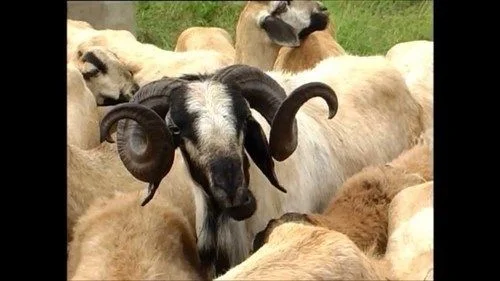
The Mud Crab offering aligns with typical export specifications such as a carapace width of 120‑150 mm and a weight of 500‑800 g per specimen, graded by size and shell condition. Indian exporters often certify crabs against the Marine Products Export Development Authority (MPEDA) guidelines and provide a health certificate confirming freedom from bacterial contamination. Live goats exported from India are generally in the 15‑30 kg weight range, aged 6‑12 months, and are evaluated for sound health, deworming status and vaccination records. For poultry, Japanese quail, White Pekin ducks and Kadaknath chickens are normally supplied at 0.5‑1 kg live weight, with breed‑specific traits such as egg‑laying capacity for quail and dark meat for Kadaknath chickens noted in product sheets. Industry standards often require ISO 22000 or HACCP documentation for live‑bird shipments.
Trade and Export Information - Aqgromalin
India is a major exporter of live livestock and seafood, with key destination markets in the Middle East, Southeast Asia and parts of Europe. Export shipments of live animals are usually cleared under HS chapter 01 (live animals) and chapter 03 (live crustaceans), and buyers typically request a veterinary health certificate, a sanitary certificate and, where applicable, a CITES permit for protected species. Containerized air freight is common for quail, ducks and chickens, while refrigerated sea freight with ice packs is preferred for mud crabs. Importing countries often require compliance with the importing nation’s animal welfare regulations, such as the EU’s Animal Health Law or the USDA’s APHIS standards for live animal imports. Typical packaging includes insulated boxes with breathable mesh for birds, steel cages for goats, and insulated crates with ice for crabs. Incoterms such as CIF or FCA are frequently used in these transactions.
Sourcing from Aqgromalin - Buyer Guidance
Buyers should request the latest veterinary health certificate and, for the mud crab, a phytosanitary certificate issued by the Indian authorities. Verification of deworming and vaccination records is standard for live goats, while poultry suppliers are expected to provide a flock health report and, where available, ISO 22000 or HACCP audit results. Before confirming an order, request sample photographs of the live animals, details of the holding facilities, and the intended packaging method. Confirm the minimum order quantity, which for live crabs is often measured in 500‑kg batches, while live goats and poultry are usually ordered in units of 20‑50 heads per shipment. Lead times typically range from 7 days for air‑freighted quail to 21 days for sea‑freighted crabs, depending on seasonal availability and export documentation processing.
Frequently Asked Questions About Aqgromalin
What HS codes apply to Aqgromalin’s products?
Mud Crab falls under HS chapter 03 (live crustaceans, code 0306), while Live Goat, Japanese Quail, White Pekin Ducks and Kadaknath Chicken are classified under HS chapter 01 (live animals, code 0104 for goats and 0105 for birds).
Which certifications should a buyer request?
Buyers should ask for a veterinary health certificate, a sanitary certificate, and, for crabs, an MPEDA export certificate. ISO 22000 or HACCP audit reports are common for live‑bird shipments.
What are the typical packaging methods?
Crabs are packed in insulated crates with ice, goats in sturdy steel cages with ventilation, and birds in breathable mesh boxes with temperature‑controlled liners.
What is the usual minimum order quantity?
Live crabs are often ordered in batches of at least 500 kg, goats in groups of 20‑30 heads, and poultry in units of 20‑50 birds per shipment.
How long does it take to prepare a shipment?
Air‑freight shipments for quail or ducks generally require 7‑10 days for documentation and loading, while sea‑freight for mud crabs can take 18‑22 days including quarantine clearance.
Which markets commonly import these products?
Middle Eastern countries, Southeast Asian nations and European Union members are frequent importers of Indian live livestock and seafood.
What inspection or quarantine procedures apply?
Importing authorities usually require a pre‑export veterinary inspection, a post‑arrival quarantine period ranging from 3‑7 days for birds and 5‑10 days for goats, and compliance with the destination country's animal health regulations.
What Incoterms are typically used?
CIF (Cost, Insurance, Freight) and FCA (Free Carrier) are the most commonly applied Incoterms for these live‑animal exports.




 , India