Ankush — Verified Supplier
About Ankush - Food Products Supplier in India
Ankush is based in Maharashtra, India and currently lists 43 active products covering a broad set of food categories. The catalogue spans staple grains such as branded Basmati rice, a variety of ghee brands, multiple pulses, packaged snacks, pickles, sauces and several branded consumer goods. Each entry is identified by its product name, and where available the supplier provides HS codes, for example the Himalaya herbal product carries HS code 3304.99 and the Kohinoor and Daawat rice lines are listed under HS code 1006.30. The supplier also mentions well‑known Indian brands such as MD H spices, Patanjali, Haldiram and Amul within the product list. The range therefore reflects typical Indian food‑processing output rather than a single narrow niche.
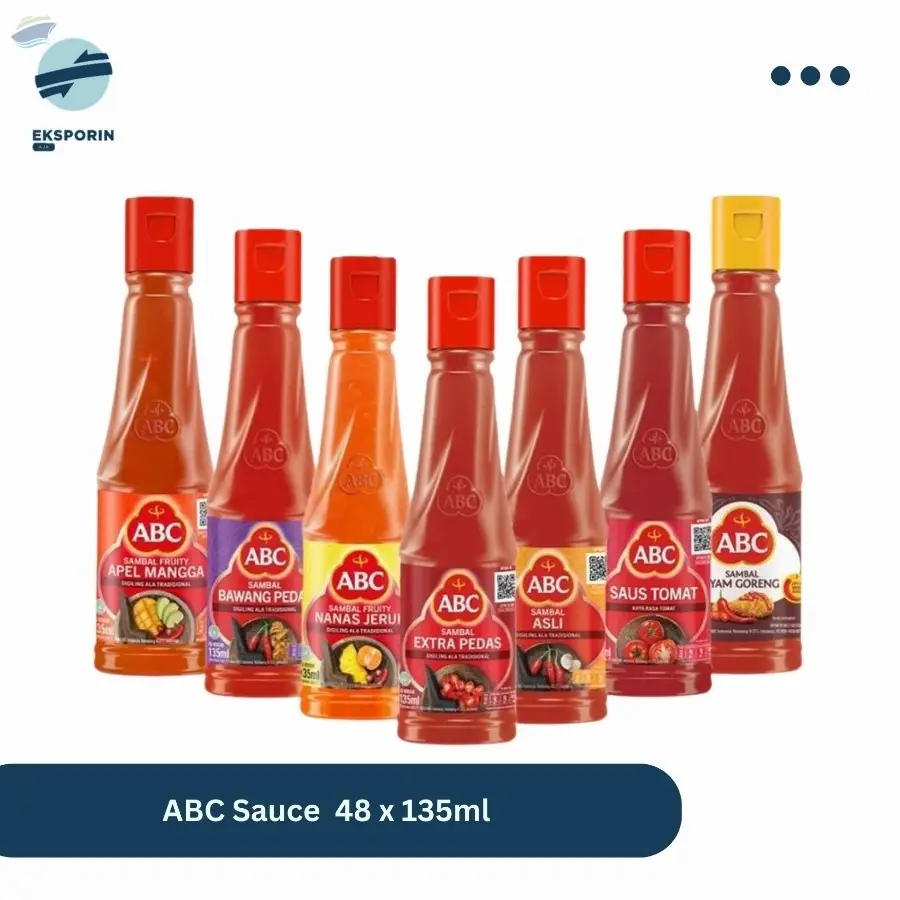
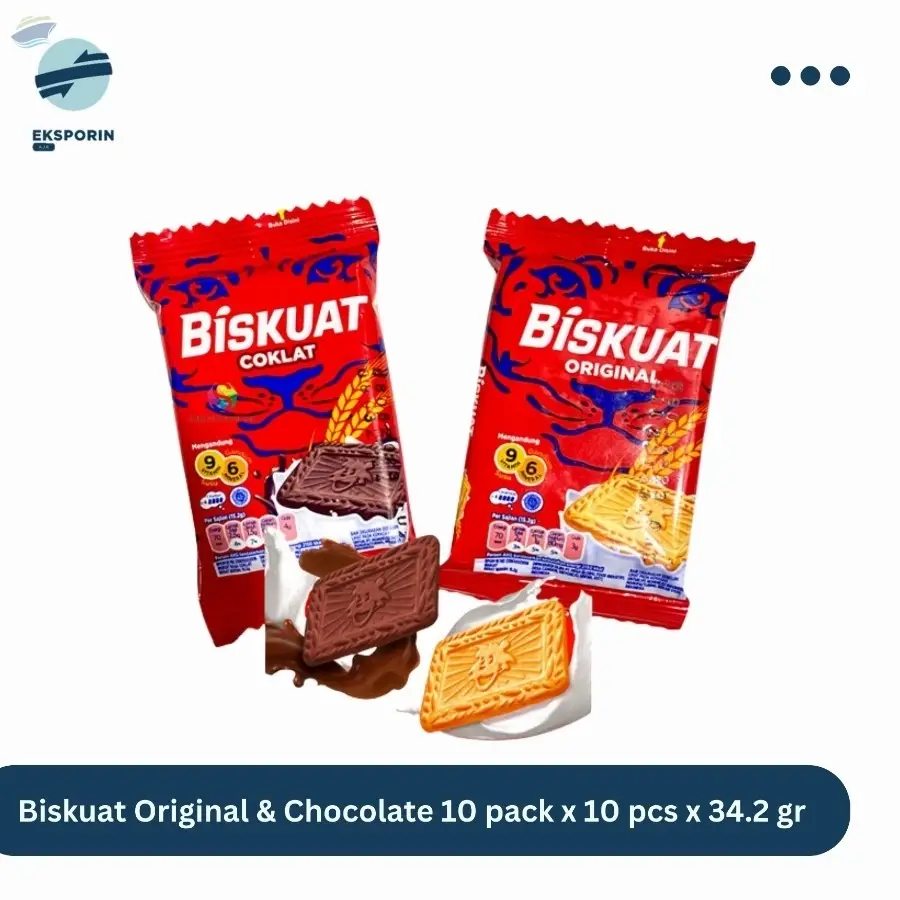
The product list includes Branded Rice, MDH Spices, Patanjali Product, Himalaya Product (Ayurvedic botanical extracts), Gherkin, Pickles, Snacks, Ghee, Kitchen Utensil, Cotton Towel, Kohinoor Basmati Rice, India Gate Rice, Daawat Rice, Flour, Spices, Toor Dal, Pillsbury Atta, Moong Dal, Aashirvaad Atta, Chana Dal, Sauces, Sunflower Oil, Kurkure, Haldiram Product, Lays Chips, Indian Sweets, Patanjali Ghee, Verka Ghee, Amul Ghee and Organic India Ghee. The entries with HS codes fall into the 1006 chapter for milled rice and the 3304 chapter for herbal extracts, providing clear customs classification for international shipments.
Product Range and Specialties of Ankush
Ankush’s rice offering includes extra‑long grain Basmati varieties such as Kohinoor and Daawat, which in the export market are graded by kernel length (typically 7 - 9 mm) and moisture content not exceeding 14 %. Broken grain percentages are usually limited to 5 % for premium shipments. Ghee products listed under multiple brand names are clarified butter with free fatty acid levels generally below 0.02 % and a melt point around 35 °C, attributes that buyers use to verify purity. The pulses - Toor Dal, Moong Dal and Chana Dal - are commonly evaluated for protein content (20 - 24 % dry weight) and moisture below 12 %, with standard 25 kg sacks for bulk trade. Snacks such as Kurkure and Lays Chips are packaged in 200 g to 1 kg bags and typically meet oil content limits of 30 - 35 % and microbial limits of <10 CFU/g for yeast and mould. Pickles and sauces are produced with a target pH of 3.5 - 4.5 and are usually packed in glass jars or PET bottles ranging from 250 ml to 1 L.
Trade and Export Information - Ankush
India ranks among the world’s largest exporters of Basmati rice, clarified butter (ghee) and blended spices, with the Middle East, Europe, the United States and East Africa forming the principal destination regions. HS chapter 1006 (milled rice) and chapter 3304 (herbal extracts) are routinely inspected for phytosanitary certificates, country‑of‑origin statements and, where required, organic certification. Buyers often request ISO 22000 or HACCP compliance, and Indian exporters typically hold FSSAI registration for food safety compliance. Standard export packaging includes 25 kg polypropylene bags for rice, 1 kg tins for ghee and bulk 20‑ft containers that can accommodate roughly 800 bags of rice or equivalent volume of other dry goods. Common Incoterms used by Indian food exporters are FOB Mumbai and CIF Dubai, reflecting the major seaport infrastructure and the prevalent trade lanes for these commodities.
Sourcing from Ankush - Buyer Guidance
When sourcing from Ankush, buyers should ask for a current FSSAI license, a certificate of analysis for each food batch, and a phytosanitary certificate for rice and pulse shipments. Test reports for pesticide residues, aflatoxin levels (especially for nuts and oilseeds) and moisture content are typical requirements before container loading. Requesting a sample of the Basmati rice for cooking quality and a small ghee sample for melt‑point verification helps confirm that the supplier’s specifications match the buyer’s quality criteria. Verify that the HS codes provided (1006.30 for Basmati rice and 3304.99 for the herbal product) align with the intended customs classification and that any required import permits are prepared in advance.
Frequently Asked Questions About Ankush
What rice varieties does Ankush list in its catalogue?
Ankush lists branded Basmati rice under the names Kohinoor Basmati Rice and Daawat Rice, both classified with HS code 1006.30. These varieties are extra‑long grain, typically 7 - 9 mm in length, and are exported in 25 kg polypropylene bags.
Which HS codes are associated with Ankush’s food products?
The supplier provides HS code 1006.30 for its Basmati rice entries and HS code 3304.99 for the Himalaya Ayurvedic botanical extract product. Other items are listed without specific HS codes in the catalogue.
What certifications should a buyer request for the ghee products?
Buyers should request the supplier’s FSSAI registration, a certificate of analysis showing free fatty acid content below 0.02 %, and any HACCP or ISO 22000 food‑safety audit reports that cover the ghee production line.
How are the pulses such as Toor Dal and Moong Dal typically packaged for export?
Indian exporters usually pack pulses in 25 kg woven polypropylene bags, with moisture content limited to 12 % and broken grain under 5 %. The bags are stacked in 20‑ft containers for sea freight.
What quality parameters are common for the snack products like Kurkure and Lays Chips?
Snack products are evaluated for oil content (30 - 35 % by weight), moisture below 5 %, and microbial limits of less than 10 CFU/g for yeast and mould. They are shipped in sealed multi‑layer pouches ranging from 200 g to 1 kg.
Which markets commonly import the types of products Ankush offers?
Typical import markets for Indian Basmati rice, ghee and blended spices include the United Arab Emirates, Saudi Arabia, the United Kingdom, the United States and several East African countries. These regions often require phytosanitary certificates and compliance with local food‑safety standards.
What documentation is needed for the herbal extract listed under HS code 3304.99?
For the Himalaya Ayurvedic botanical extract, buyers should request a certificate of analysis confirming ingredient composition, a test report for heavy metals, and an export health certificate. Additional documentation may include a GMP audit report if the buyer requires it.
What are the typical lead times for shipping rice from Maharashtra?
Lead times for Basmati rice shipments from Maharashtra to major ports such as Mumbai or Karachi are usually 2 - 3 weeks after order confirmation, assuming container availability and completion of required export documentation.




 , India