Amruta Herbals Pvt. Ltd. — Verified Supplier
About Amruta Herbals Pvt. Ltd. - Herbal Extracts Supplier in India
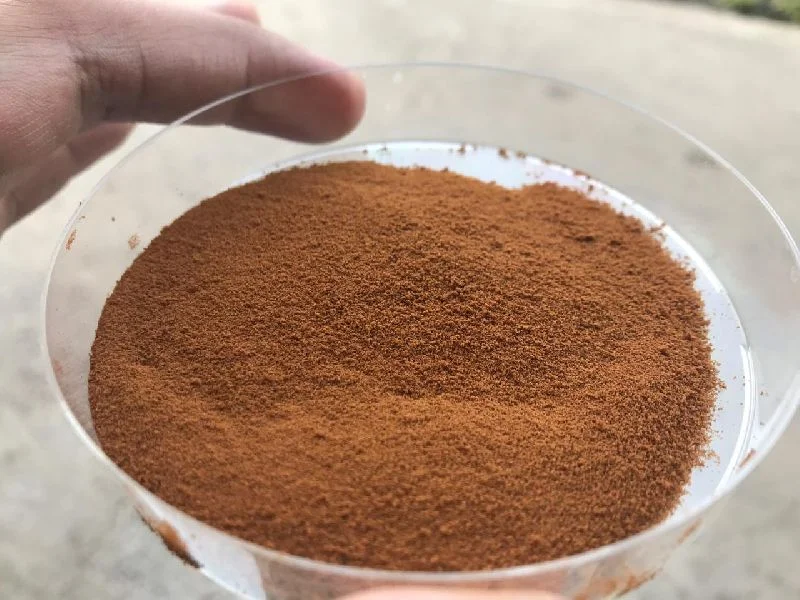
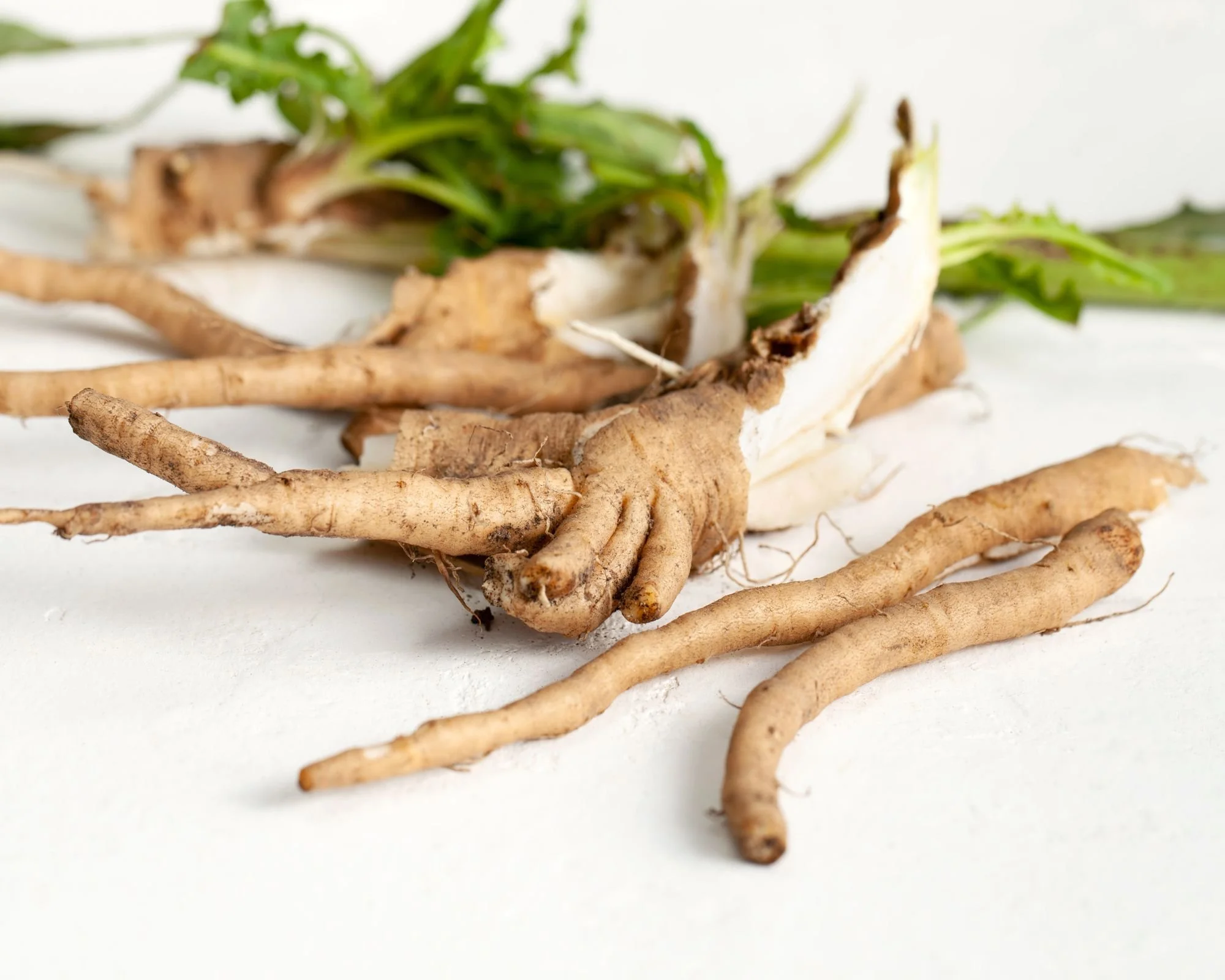
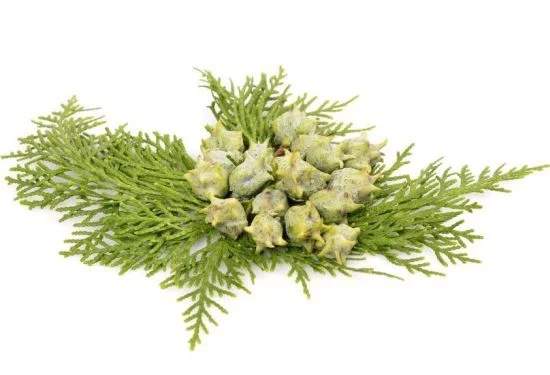
Amruta Herbals Pvt. Ltd. is based in India and lists 26 active products across herbal extracts, cosmetic raw materials, processed fruit products, agriculture and ashwagandha. The catalogue includes a variety of botanical extracts such as Aloe Vera, Arjuna bark, Neem, Gotu Kola, Marigold, Turmeric, Garlic, Sweet Flag, and many spice‑derived extracts, most of which are recorded under HS code 1302.19 for vegetable extracts, essences and concentrates. In addition to the listed extracts, the supplier also mentions dietary fiber, inulin chicory, roasted chicory extract and debitterized fenugreek fiber, which fall outside the HS‑code‑specified items. The product names reference both raw botanical material and standardized forms, for example Curcuma Longa extract with curcuminoids 10‑97% and Centella Asiatica extract standardized to asiaticoside and madecassoside content.
Product Range and Specialties of Amruta Herbals Pvt. Ltd.
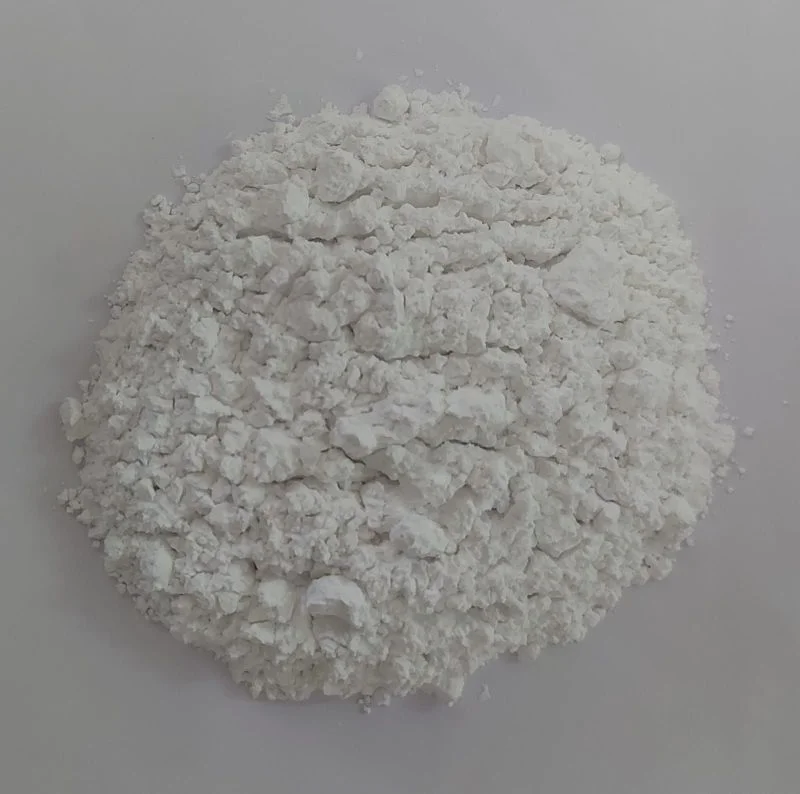
The catalogue covers powdered or liquid extracts derived from leaves, bark, roots, flowers and seeds of a broad set of medicinal and culinary plants. Typical industry practice for such extracts includes standardization to marker compounds (e.g., curcuminoids, asiaticoside, d‑limonene) at purity levels of 90‑99 % and moisture content below 5 %. Buyers commonly encounter specifications such as particle size <200 µm for powder forms and solubility data for liquid concentrates. Indian exporters of herbal extracts often adhere to ISO 9001 quality‑management systems and GMP guidelines, and many provide certificates of analysis (COA) confirming assay, microbiological limits and heavy‑metal testing.
Trade and Export Information - Amruta Herbals Pvt. Ltd.
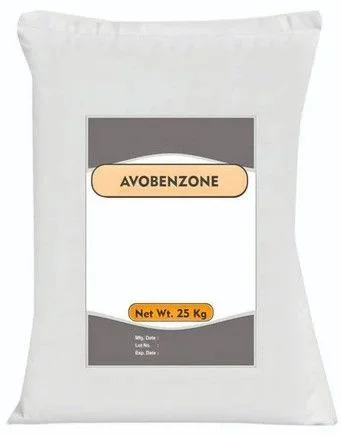
India is a major global source of botanical extracts, with shipments primarily directed to the European Union, United States, Middle East and Southeast Asian markets. HS code 1302.19 covers a broad selection of vegetable extracts, and customs authorities in importing countries frequently require a phytosanitary certificate, a COA and evidence of compliance with local cosmetics or food‑supplement regulations (e.g., EU Regulation No 1223/2009 or US FDA Dietary Supplement Health and Education Act). Standard export packaging includes food‑grade polyethylene bags (25 kg) placed in 20‑ft or 40‑ft containers, often with nitrogen flushing to preserve bioactivity. Indian exporters typically use Incoterms FOB or CIF, and buyers should verify that the shipment meets the destination country’s labeling and ingredient‑listing requirements.
Sourcing from Amruta Herbals Pvt. Ltd. - Buyer Guidance
When sourcing from Amruta Herbals, request a recent COA for each extract, confirming assay percentage, moisture, microbial limits and heavy‑metal thresholds (e.g., lead <10 ppm, arsenic <2 ppm). Ask for documentation of GMP or ISO‑9001 compliance, as well as a phytosanitary certificate for plant‑based materials. Verify the extract’s standardization claim (e.g., curcuminoids 10‑97 %) by comparing the COA to the product specification before confirming an order. It is advisable to obtain a small sample for in‑house testing of solubility, stability and any required analytical methods before committing to larger volumes.
Frequently Asked Questions About Amruta Herbals Pvt. Ltd.
What types of botanical extracts does Amruta Herbals list in its catalogue?
The supplier lists extracts from Aloe Vera, Arjuna bark, Neem, Gotu Kola, Marigold, Turmeric, Garlic, Sweet Flag, Acacia pod, Custard Apple, Lemon, Coriander seed, Saffron, and several spice‑derived extracts, as well as dietary fiber and chicory products.
Which HS code is associated with most of the listed extracts?
Most of the listed extracts are recorded under HS code 1302.19, which covers vegetable extracts, essences and concentrates.
Are the extracts standardized to specific marker compounds?
Yes. For example, Curcuma Longa extract is specified with curcuminoids 10‑97 % and Centella Asiatica extract is standardized to asiaticoside and madecassoside content. Other extracts may have similar marker specifications indicated in their COA.
What typical minimum order quantity (MOQ) and packaging format are used for these extracts?
Indian exporters of herbal extracts commonly use 25 kg food‑grade polyethylene bags as the standard packaging unit, and MOQs often start at one bag per product, though larger volumes are shipped in 20‑ft or 40‑ft containers.
Which certifications should a buyer request before purchasing?
Buyers should request a Certificate of Analysis, a phytosanitary certificate, and documentation of GMP or ISO 9001 compliance, as these are the most frequently required certifications for botanical extracts.
What regulatory documents are typically needed for importing these extracts into the EU or US?
Importers usually need a COA, a phytosanitary certificate, and proof of compliance with EU cosmetics regulation (Regulation No 1223/2009) or US FDA dietary‑supplement guidelines, depending on the end‑use.
How can a buyer obtain a sample for testing?
A buyer can request a small sample (e.g., 100 g) packaged in a sealed, nitrogen‑flushed bag; the supplier typically provides the sample together with a provisional COA for preliminary evaluation.
What is the typical lead time for production and shipment?
Lead times for botanical extracts from India generally range from 3 weeks to 6 weeks after order confirmation, depending on batch size, standardization requirements and customs documentation preparation.




 , India