Amala Global — Supplier

About Amala Global - Textile Yarn & Thread Supplier in Indonesia

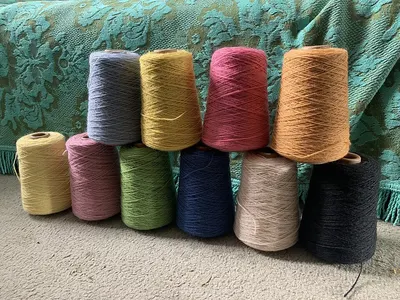
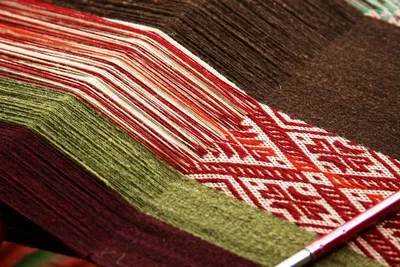
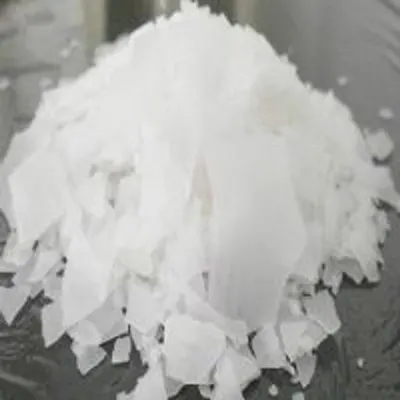
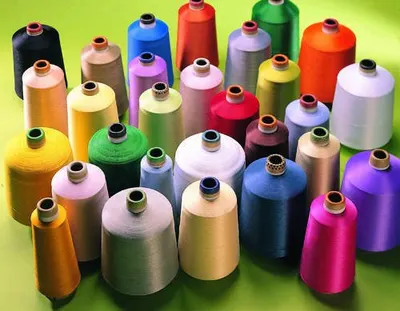
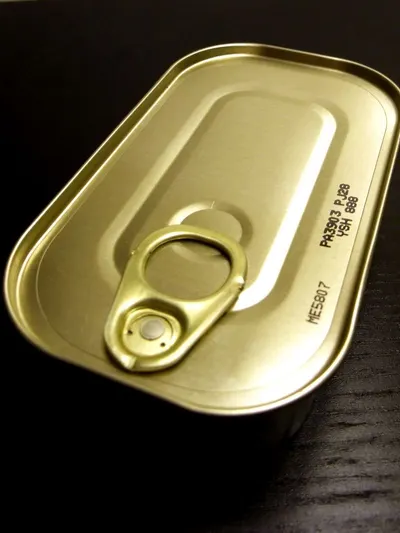
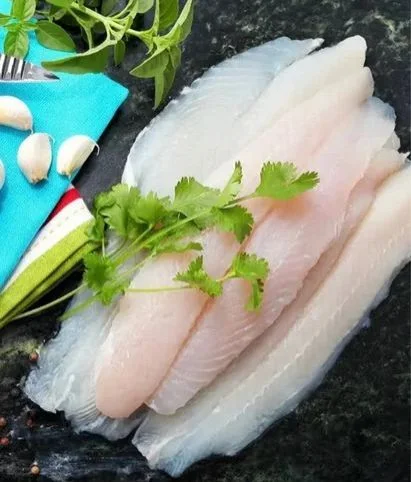
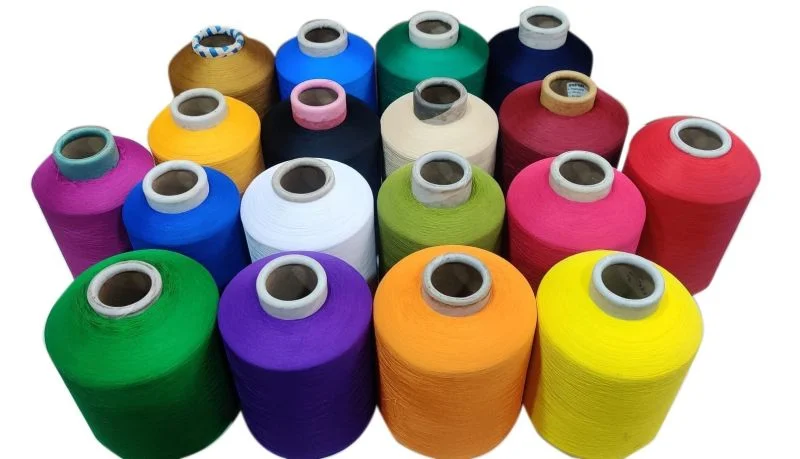
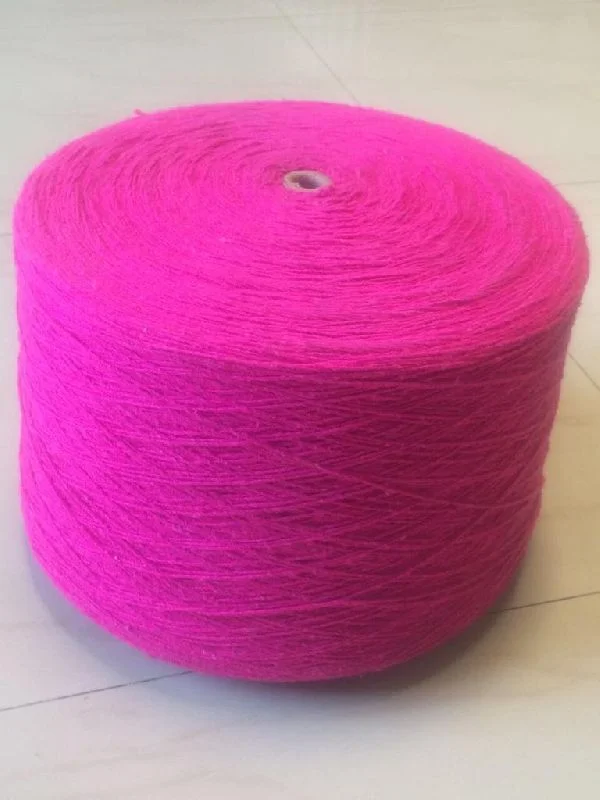
Indonesia hosts Amala Global, a supplier that currently lists 20 active products. The catalogue spans multiple textile yarn families such as spandex, metallic, linen‑blend, acrylic, viscose, cotton, high‑tenacity, nylon, polyester, Lenzing, ITY, cationic, split polyester/nylon, sea‑island and inherent flame‑retardant yarns. In addition, the company offers spunbond and SMS fabrics, polyester staple fiber, and soap noodles. A single food product - canned sardines and tuna - is listed with HS code 1604.13 and is packed in food‑grade tinplate cans. The product mix reflects both textile manufacturing inputs and a small processed‑food line.

The listed textile items fall under HS chapter 54 (synthetic yarns) and chapter 59 (woven fabrics), while the canned fish belongs to HS chapter 16. The catalogue does not provide specific technical grades, but each yarn type is identified by its material family, which aligns with standard industry classifications. The presence of both yarns and fabrics indicates capability to supply raw inputs for garment and technical textile production. The inclusion of soap noodles and canned fish broadens the supplier’s portfolio beyond textiles, offering buyers a diversified sourcing option from a single Indonesian source.

Product Range and Specialties of Amala Global

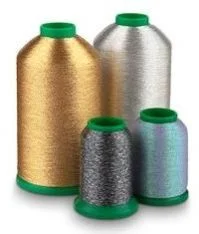
Amala Global’s catalogue includes spandex yarns, metallic yarns, linen and linen‑blend yarns, acrylic, viscose, cotton, high‑tenacity, nylon, polyester, Lenzing, ITY, cationic, polyester/nylon split, sea‑island and inherent flame‑retardant yarns, plus polyester staple fiber and SMS fabric. In the textile sector, buyers typically encounter spandex with an elongation of 400‑500 % and a denier range of 40‑150 dtex, metallic yarns with a reflective coating measured in % reflectivity, and high‑tenacity yarns rated above 8 cN/tex. Standard grades for polyester staple fiber are 1.5‑2.0 dtex, while Lenzing fibers often meet the Tencel® E1‑E5 eco‑labels. Sea‑island yarns are distinguished by a core‑to‑sheath ratio of 1:5 to 1:10 and a tenacity of 9‑12 cN/tex. Flame‑retardant yarns are usually tested to meet ISO 15025 for char length and limiting oxygen index. The fabric entries - spunbond and SMS - are commonly supplied in widths of 1.0‑1.5 m, GSM of 30‑80 g/m² for spunbond and 150‑250 g/m² for SMS, and are packaged in 20‑ft containers. The canned sardines and tuna are packed in tinplate cans complying with food‑grade specifications, a typical export format for Indonesian seafood.

Industry practice for these categories includes certifications such as Oeko‑Tex Standard 100 for yarns, ISO 9001 quality management for textile manufacturers, and HACCP or ISO 22000 for canned fish. Buyers often request test reports covering tensile strength, elongation at break, color fastness (A‑rating), moisture content (<8 %), and for fabrics, dimensional stability after laundering. For the seafood product, certificates of analysis, heavy‑metal testing (lead <0.1 mg/kg) and compliance with the EU’s Food Contact Materials Regulation are standard.

Trade and Export Information - Amala Global

Indonesia is a major exporter of synthetic and blended yarns, with primary destinations in Southeast Asia, South‑East Europe, the United States and the Middle East. HS chapter 54‑55 yarns are typically shipped in 20‑ft or 40‑ft containers, often on a CIF or FOB basis, and require fumigation certificates for certain markets. Spunbond and SMS fabrics fall under HS 5903 and are commonly packed in bulk rolls of 25‑30 kg, with moisture content controlled below 8 % to meet textile‑mill specifications. The canned fish segment uses HS 1604.13, and Indonesia’s seafood exports regularly target the EU, Japan and the United States, where buyers request HACCP compliance and traceability documentation. Export logistics often involve refrigerated containers for seafood, though canned products are stable at ambient temperature and are typically loaded in standard dry containers. Buyers of Indonesian yarns frequently ask for Oeko‑Tex or REACH compliance documentation, while textile mills may require pre‑shipment inspection reports prepared by SGS or similar agencies.

Sourcing from Amala Global - Buyer Guidance

When sourcing yarns from Amala Global, request material safety data sheets, Oeko‑Tex Standard 100 certificates, and tensile‑strength test reports that specify denier, breaking load and elongation. Verify that the supplier can provide sample swatches that meet the required GSM, twist per meter and colorfastness criteria before placing a bulk order. For the canned sardines and tuna, ask for a HACCP audit report, a Certificate of Analysis showing compliance with heavy‑metal limits, and the country‑of‑origin labeling required by EU regulations. Confirm packaging details - tinplate can dimensions, net weight per can and total container load - to ensure compatibility with your logistics chain. Before finalising the order, obtain a pre‑shipment inspection report covering HS code verification, weight consistency and labeling accuracy, which helps mitigate customs clearance issues.

Frequently Asked Questions About Amala Global

What textile yarn categories does Amala Global list?

The supplier lists spandex, metallic, linen‑blend, acrylic, viscose, cotton, high‑tenacity, nylon, polyester, Lenzing, ITY, cationic, polyester/nylon split, sea‑island and inherent flame‑retardant yarns, plus polyester staple fiber.

Is there a HS code for the canned fish product?

Yes, the canned sardines and tuna are recorded under HS code 1604.13, which covers prepared or preserved fish in tins.

What certifications should a buyer request for the yarns?

Typical certifications include Oeko‑Tex Standard 100, ISO 9001 quality‑management certification, and any REACH compliance documents relevant to the polymer type.

What quality tests are standard for the spunbond and SMS fabrics?

Buyers usually ask for GSM measurement, tensile strength (e.g., 15‑30 cN/tex for spunbond), tear resistance, and moisture content below 8 %.

What documentation is needed for the canned fish before import?

A HACCP audit report, Certificate of Analysis for heavy‑metal limits, and compliance with the EU Food Contact Materials Regulation are standard requirements.

What are typical packaging and container sizes for these products?

Yarns and fabrics are commonly packed in 20‑ft or 40‑ft containers, with fabric rolls of 25‑30 kg each, while the canned fish is shipped in dry containers with tinplate cans stacked according to standard pallet dimensions.

What are common incoterms used for exporting these goods from Indonesia?

Buyers often negotiate FOB Jakarta port or CIF destination, depending on the product and the buyer’s logistics preferences.

What sample procedures should a new buyer follow?

Request small‑quantity yarn swatches or fabric rolls for physical testing, and for seafood ask for a sealed sample can to verify labeling, metal detection and organoleptic quality before confirming volume orders.


Featured Products from this Supplier

Other Suppliers in Primary Category

Top Trusted Suppliers

Related Products

Trending in Parent Category

More Suppliers in Category

Related Products

Other Suppliers

EximNext
7.1K+ live requirements
Register Free🎁 Reach global buyers
Post Requirement
🌍 Trusted by 225K+ businesses in 200+ countries|
7.1K+ active requirements right now
✉️ [email protected]
|
Sell on EximNextPost Requirement
EximNext
AgricultureApparelConstructionElectronicFoodHomeIndustrialMineralsMiscellaneous
🔥 Deals|✨ AI Match|🏭 Suppliers|📋 Buy Leads|💰 Trade Finance
7.1K+ live RFQs·194.8K+ suppliers
🎁 Reach global buyers →
EximNext
EximNext
Register Free
🎁 Reach global buyers
Sign In
📋Post Requirement💬Get Quotes✨AI Match📋RFQ Marketplace
All Categories
Services & Tools
🏭Supplier Directory🔥Today's Deals💰Trade Finance
Sell on EximNext →
AboutContactBlogHelp
Apparel & Home  ·  Indonesia
20
products listed

Amala Global

⚓ Harbor
Country flag , IndonesiaNew supplier / no reviews yet
🛡️
77/100
Trust Score

Amala Global Product Catalog

Showing 12 of 20 products
View all products →
Inherent Flame Retardant Yarn
⚓ Harbor
Inherent Flame Retardant Yarn
Contact
MOQ: 1 Unit
Sea-Island Yarn
⚓ Harbor
Sea-Island Yarn
Contact
MOQ: 1 Unit
Polyester/Nylon Split Yarn
⚓ Harbor
Polyester/Nylon Split Yarn
Contact
MOQ: 1 Unit
Cationic Yarn
⚓ Harbor
Cationic Yarn
Contact
MOQ: 1 Unit
ITY Yarn
⚓ Harbor
ITY Yarn
Contact
MOQ: 1 Unit
Lenzing Yarn
⚓ Harbor
Lenzing Yarn
Contact
MOQ: 1 Unit
Polyester Staple Fiber
⚓ Harbor
Polyester Staple Fiber
Contact
MOQ: 1 Unit
Polyester Yarn
⚓ Harbor
Polyester Yarn
Contact
MOQ: 1 Unit
Nylon Yarns
⚓ Harbor
Nylon Yarns
Contact
MOQ: 1 Unit
SMS Fabric
⚓ Harbor
SMS Fabric
Contact
MOQ: 1 Unit
Canned Sardines & Tuna
⚓ Harbor
Canned Sardines & Tuna
Contact
MOQ: 1 Unit
Soap Noodles
⚓ Harbor
Soap Noodles
Contact
MOQ: 1 Unit

About Amala Global - Textile Yarn & Thread Supplier in Indonesia

Indonesia hosts Amala Global, a supplier that currently lists 20 active products. The catalogue spans multiple textile yarn families such as spandex, metallic, linen‑blend, acrylic, viscose, cotton, high‑tenacity, nylon, polyester, Lenzing, ITY, cationic, split polyester/nylon, sea‑island and inherent flame‑retardant yarns. In addition, the company offers spunbond and SMS fabrics, polyester staple fiber, and soap noodles. A single food product - canned sardines and tuna - is listed with HS code 1604.13 and is packed in food‑grade tinplate cans. The product mix reflects both textile manufacturing inputs and a small processed‑food line.

The listed textile items fall under HS chapter 54 (synthetic yarns) and chapter 59 (woven fabrics), while the canned fish belongs to HS chapter 16. The catalogue does not provide specific technical grades, but each yarn type is identified by its material family, which aligns with standard industry classifications. The presence of both yarns and fabrics indicates capability to supply raw inputs for garment and technical textile production. The inclusion of soap noodles and canned fish broadens the supplier’s portfolio beyond textiles, offering buyers a diversified sourcing option from a single Indonesian source.

Product Range and Specialties of Amala Global

Amala Global’s catalogue includes spandex yarns, metallic yarns, linen and linen‑blend yarns, acrylic, viscose, cotton, high‑tenacity, nylon, polyester, Lenzing, ITY, cationic, polyester/nylon split, sea‑island and inherent flame‑retardant yarns, plus polyester staple fiber and SMS fabric. In the textile sector, buyers typically encounter spandex with an elongation of 400‑500 % and a denier range of 40‑150 dtex, metallic yarns with a reflective coating measured in % reflectivity, and high‑tenacity yarns rated above 8 cN/tex. Standard grades for polyester staple fiber are 1.5‑2.0 dtex, while Lenzing fibers often meet the Tencel® E1‑E5 eco‑labels. Sea‑island yarns are distinguished by a core‑to‑sheath ratio of 1:5 to 1:10 and a tenacity of 9‑12 cN/tex. Flame‑retardant yarns are usually tested to meet ISO 15025 for char length and limiting oxygen index. The fabric entries - spunbond and SMS - are commonly supplied in widths of 1.0‑1.5 m, GSM of 30‑80 g/m² for spunbond and 150‑250 g/m² for SMS, and are packaged in 20‑ft containers. The canned sardines and tuna are packed in tinplate cans complying with food‑grade specifications, a typical export format for Indonesian seafood.

Industry practice for these categories includes certifications such as Oeko‑Tex Standard 100 for yarns, ISO 9001 quality management for textile manufacturers, and HACCP or ISO 22000 for canned fish. Buyers often request test reports covering tensile strength, elongation at break, color fastness (A‑rating), moisture content (<8 %), and for fabrics, dimensional stability after laundering. For the seafood product, certificates of analysis, heavy‑metal testing (lead <0.1 mg/kg) and compliance with the EU’s Food Contact Materials Regulation are standard.

Trade and Export Information - Amala Global

Indonesia is a major exporter of synthetic and blended yarns, with primary destinations in Southeast Asia, South‑East Europe, the United States and the Middle East. HS chapter 54‑55 yarns are typically shipped in 20‑ft or 40‑ft containers, often on a CIF or FOB basis, and require fumigation certificates for certain markets. Spunbond and SMS fabrics fall under HS 5903 and are commonly packed in bulk rolls of 25‑30 kg, with moisture content controlled below 8 % to meet textile‑mill specifications. The canned fish segment uses HS 1604.13, and Indonesia’s seafood exports regularly target the EU, Japan and the United States, where buyers request HACCP compliance and traceability documentation. Export logistics often involve refrigerated containers for seafood, though canned products are stable at ambient temperature and are typically loaded in standard dry containers. Buyers of Indonesian yarns frequently ask for Oeko‑Tex or REACH compliance documentation, while textile mills may require pre‑shipment inspection reports prepared by SGS or similar agencies.

Sourcing from Amala Global - Buyer Guidance

When sourcing yarns from Amala Global, request material safety data sheets, Oeko‑Tex Standard 100 certificates, and tensile‑strength test reports that specify denier, breaking load and elongation. Verify that the supplier can provide sample swatches that meet the required GSM, twist per meter and colorfastness criteria before placing a bulk order. For the canned sardines and tuna, ask for a HACCP audit report, a Certificate of Analysis showing compliance with heavy‑metal limits, and the country‑of‑origin labeling required by EU regulations. Confirm packaging details - tinplate can dimensions, net weight per can and total container load - to ensure compatibility with your logistics chain. Before finalising the order, obtain a pre‑shipment inspection report covering HS code verification, weight consistency and labeling accuracy, which helps mitigate customs clearance issues.

Frequently Asked Questions About Amala Global

What textile yarn categories does Amala Global list?

The supplier lists spandex, metallic, linen‑blend, acrylic, viscose, cotton, high‑tenacity, nylon, polyester, Lenzing, ITY, cationic, polyester/nylon split, sea‑island and inherent flame‑retardant yarns, plus polyester staple fiber.

Is there a HS code for the canned fish product?

Yes, the canned sardines and tuna are recorded under HS code 1604.13, which covers prepared or preserved fish in tins.

What certifications should a buyer request for the yarns?

Typical certifications include Oeko‑Tex Standard 100, ISO 9001 quality‑management certification, and any REACH compliance documents relevant to the polymer type.

What quality tests are standard for the spunbond and SMS fabrics?

Buyers usually ask for GSM measurement, tensile strength (e.g., 15‑30 cN/tex for spunbond), tear resistance, and moisture content below 8 %.

What documentation is needed for the canned fish before import?

A HACCP audit report, Certificate of Analysis for heavy‑metal limits, and compliance with the EU Food Contact Materials Regulation are standard requirements.

What are typical packaging and container sizes for these products?

Yarns and fabrics are commonly packed in 20‑ft or 40‑ft containers, with fabric rolls of 25‑30 kg each, while the canned fish is shipped in dry containers with tinplate cans stacked according to standard pallet dimensions.

What are common incoterms used for exporting these goods from Indonesia?

Buyers often negotiate FOB Jakarta port or CIF destination, depending on the product and the buyer’s logistics preferences.

What sample procedures should a new buyer follow?

Request small‑quantity yarn swatches or fabric rolls for physical testing, and for seafood ask for a sealed sample can to verify labeling, metal detection and organoleptic quality before confirming volume orders.

About Amala Global - Textile Yarn & Thread Supplier in Indonesia

Indonesia hosts Amala Global, a supplier that currently lists 20 active products. The catalogue spans multiple textile yarn families such as spandex, metallic, linen‑blend, acrylic, viscose, cotton, high‑tenacity, nylon, polyester, Lenzing, ITY, cationic, split polyester/nylon, sea‑island and inherent flame‑retardant yarns. In addition, the company offers spunbond and SMS fabrics, polyester staple fiber, and soap noodles. A single food product - canned sardines and tuna - is listed with HS code 1604.13 and is packed in food‑grade tinplate cans. The product mix reflects both textile manufacturing inputs and a small processed‑food line.

The listed textile items fall under HS chapter 54 (synthetic yarns) and chapter 59 (woven fabrics), while the canned fish belongs to HS chapter 16. The catalogue does not provide specific technical grades, but each yarn type is identified by its material family, which aligns with standard industry classifications. The presence of both yarns and fabrics indicates capability to supply raw inputs for garment and technical textile production. The inclusion of soap noodles and canned fish broadens the supplier’s portfolio beyond textiles, offering buyers a diversified sourcing option from a single Indonesian source.

Product Range and Specialties of Amala Global

Amala Global’s catalogue includes spandex yarns, metallic yarns, linen and linen‑blend yarns, acrylic, viscose, cotton, high‑tenacity, nylon, polyester, Lenzing, ITY, cationic, polyester/nylon split, sea‑island and inherent flame‑retardant yarns, plus polyester staple fiber and SMS fabric. In the textile sector, buyers typically encounter spandex with an elongation of 400‑500 % and a denier range of 40‑150 dtex, metallic yarns with a reflective coating measured in % reflectivity, and high‑tenacity yarns rated above 8 cN/tex. Standard grades for polyester staple fiber are 1.5‑2.0 dtex, while Lenzing fibers often meet the Tencel® E1‑E5 eco‑labels. Sea‑island yarns are distinguished by a core‑to‑sheath ratio of 1:5 to 1:10 and a tenacity of 9‑12 cN/tex. Flame‑retardant yarns are usually tested to meet ISO 15025 for char length and limiting oxygen index. The fabric entries - spunbond and SMS - are commonly supplied in widths of 1.0‑1.5 m, GSM of 30‑80 g/m² for spunbond and 150‑250 g/m² for SMS, and are packaged in 20‑ft containers. The canned sardines and tuna are packed in tinplate cans complying with food‑grade specifications, a typical export format for Indonesian seafood.

Industry practice for these categories includes certifications such as Oeko‑Tex Standard 100 for yarns, ISO 9001 quality management for textile manufacturers, and HACCP or ISO 22000 for canned fish. Buyers often request test reports covering tensile strength, elongation at break, color fastness (A‑rating), moisture content (<8 %), and for fabrics, dimensional stability after laundering. For the seafood product, certificates of analysis, heavy‑metal testing (lead <0.1 mg/kg) and compliance with the EU’s Food Contact Materials Regulation are standard.

Trade and Export Information - Amala Global

Indonesia is a major exporter of synthetic and blended yarns, with primary destinations in Southeast Asia, South‑East Europe, the United States and the Middle East. HS chapter 54‑55 yarns are typically shipped in 20‑ft or 40‑ft containers, often on a CIF or FOB basis, and require fumigation certificates for certain markets. Spunbond and SMS fabrics fall under HS 5903 and are commonly packed in bulk rolls of 25‑30 kg, with moisture content controlled below 8 % to meet textile‑mill specifications. The canned fish segment uses HS 1604.13, and Indonesia’s seafood exports regularly target the EU, Japan and the United States, where buyers request HACCP compliance and traceability documentation. Export logistics often involve refrigerated containers for seafood, though canned products are stable at ambient temperature and are typically loaded in standard dry containers. Buyers of Indonesian yarns frequently ask for Oeko‑Tex or REACH compliance documentation, while textile mills may require pre‑shipment inspection reports prepared by SGS or similar agencies.

Sourcing from Amala Global - Buyer Guidance

When sourcing yarns from Amala Global, request material safety data sheets, Oeko‑Tex Standard 100 certificates, and tensile‑strength test reports that specify denier, breaking load and elongation. Verify that the supplier can provide sample swatches that meet the required GSM, twist per meter and colorfastness criteria before placing a bulk order. For the canned sardines and tuna, ask for a HACCP audit report, a Certificate of Analysis showing compliance with heavy‑metal limits, and the country‑of‑origin labeling required by EU regulations. Confirm packaging details - tinplate can dimensions, net weight per can and total container load - to ensure compatibility with your logistics chain. Before finalising the order, obtain a pre‑shipment inspection report covering HS code verification, weight consistency and labeling accuracy, which helps mitigate customs clearance issues.

Frequently Asked Questions About Amala Global
What textile yarn categories does Amala Global list?
The supplier lists spandex, metallic, linen‑blend, acrylic, viscose, cotton, high‑tenacity, nylon, polyester, Lenzing, ITY, cationic, polyester/nylon split, sea‑island and inherent flame‑retardant yarns, plus polyester staple fiber.
Is there a HS code for the canned fish product?
Yes, the canned sardines and tuna are recorded under HS code 1604.13, which covers prepared or preserved fish in tins.
What certifications should a buyer request for the yarns?
Typical certifications include Oeko‑Tex Standard 100, ISO 9001 quality‑management certification, and any REACH compliance documents relevant to the polymer type.
What quality tests are standard for the spunbond and SMS fabrics?
Buyers usually ask for GSM measurement, tensile strength (e.g., 15‑30 cN/tex for spunbond), tear resistance, and moisture content below 8 %.
What documentation is needed for the canned fish before import?
A HACCP audit report, Certificate of Analysis for heavy‑metal limits, and compliance with the EU Food Contact Materials Regulation are standard requirements.
What are typical packaging and container sizes for these products?
Yarns and fabrics are commonly packed in 20‑ft or 40‑ft containers, with fabric rolls of 25‑30 kg each, while the canned fish is shipped in dry containers with tinplate cans stacked according to standard pallet dimensions.
What are common incoterms used for exporting these goods from Indonesia?
Buyers often negotiate FOB Jakarta port or CIF destination, depending on the product and the buyer’s logistics preferences.
What sample procedures should a new buyer follow?
Request small‑quantity yarn swatches or fabric rolls for physical testing, and for seafood ask for a sealed sample can to verify labeling, metal detection and organoleptic quality before confirming volume orders.

Amala Global
Country flag Indonesia
⚓ HarborApparel & Home
77/100
Trust Score
20
Products
✓ Free to contact — no commission
✓ Escrow payment available
✓ Verified business identity
Compare more suppliers
Post a requirement — get 10 quotes free
Let verified suppliers compete for your business. Free, fast, no commitment.
Due Diligence
Verify this supplier's real shipping history.
Every shipment, every buyer, every port. Trade data that can't be faked.
Run due diligence →
Discover More

Related Suppliers & Products

Explore similar suppliers, related products and trending categories

Featured Products from this Supplier

Other Suppliers in Primary Category

Top Trusted Suppliers

Related Products

Trending in Parent Category

More Suppliers in Category

Stay ahead in global trade
Weekly market insights & new supplier alerts.
EximNext
Exim Next is a leading global B2B marketplace, connecting over 220,000 registered suppliers and buyers across 200+ countries. As a trusted import export marketplace, it serves as the essential B2B portal for businesses worldwide, empowering them to expand their international reach. With Exim Next, businesses can trade smarter and grow faster.
SECURE PAYMENTS
VISAMastercardPayPalSWIFTL/CEscrow
Follow us
© 2026 EximNext