aldafniya for food industries — Manufacturer & Wholesale Supplier
About aldafniya for food industries - Noodles & Pasta Supplier in Libyan Arab Jamahiriya
The Libyan Arab Jamahiriya, specifically the region surrounding the Al Dafniya Complex, is home to aldafniya for food industries, a supplier with an active product count of 5. Their product range includes Noodles & Pasta and Processed Food, with specific products such as Pasta & Macaroni, Spaghetti, and AL-safwa Couscous. These products are classified under HS codes 1902.19 and 1902.40, and are made from materials like DURUM WHEAT AND SEMOLINA and semolina.
The Al Dafniya Complex, where aldafniya for food industries operates, spans 100 hectares and features 18 state-of-the-art factories and storage silos. This setup allows for the production of a variety of food products, including pasta, couscous, rice, corn, and sunflower oil. With its strong infrastructure, the complex is a trusted provider of quality products, catering to the needs of various industries and regions.
Product Range and Specialties of aldafniya for food industries
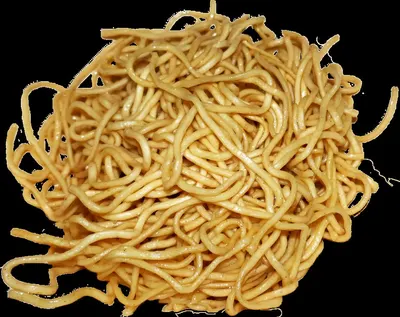
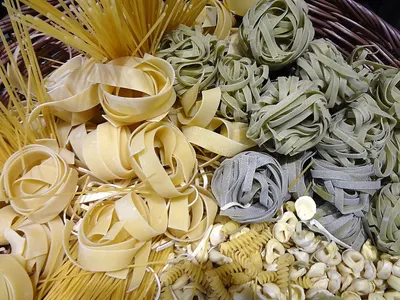
aldafniya for food industries' product catalogue includes Pasta & Macaroni, Spaghetti, and AL-safwa Couscous, all of which fall under the Noodles & Pasta category. These products are typically made from durum wheat and semolina, with HS codes 1902.19 and 1902.40. Buyers of these products usually require specifications such as moisture content, protein levels, and ash content. For instance, pasta products like spaghetti are often graded based on their length, with common lengths ranging from 20 to 25 cm. The material used, such as durum wheat, also plays a crucial role in determining the product's quality and texture.
Trade and Export Information - aldafniya for food industries
Exporters of noodles and pasta, like aldafniya for food industries, typically ship their products to regions such as Europe, the Middle East, and North Africa. These goods are often transported in 20 or 40 ft containers, with packaging that meets international standards for food safety and quality. The HS code families involved, such as 1902.19 and 1902.40, are subject to regulations and inspections to ensure compliance with import requirements. Buyers should be aware of the certifications and documents required for these products, such as ISO 22000 or HACCP, and should request these from their suppliers.
Sourcing from aldafniya for food industries - Buyer Guidance
When sourcing from aldafniya for food industries, buyers should request specifications, samples, and test reports to verify the quality of the products. For instance, buyers of pasta products should request information on the moisture content, protein levels, and ash content. They should also verify the packaging and labeling of the products to ensure compliance with international standards. Additionally, buyers should be aware of the typical quality parameters and tests for these products, such as texture, taste, and appearance, and should request these from their suppliers. By taking these steps, buyers can ensure that they are sourcing quality products that meet their needs.
Frequently Asked Questions About aldafniya for food industries
What is the product range of aldafniya for food industries?
aldafniya for food industries offers a range of products, including Pasta & Macaroni, Spaghetti, and AL-safwa Couscous, all of which fall under the Noodles & Pasta category. These products are classified under HS codes 1902.19 and 1902.40, and are made from materials like DURUM WHEAT AND SEMOLINA and semolina.
What are the typical quality parameters for pasta products?
Buyers of pasta products should request information on the moisture content, protein levels, and ash content. They should also verify the packaging and labeling of the products to ensure compliance with international standards. Additionally, buyers should be aware of the typical quality parameters and tests for these products, such as texture, taste, and appearance.
How are the products of aldafniya for food industries packaged and shipped?
The products of aldafniya for food industries are typically packaged in a way that meets international standards for food safety and quality. They are often transported in 20 or 40 ft containers, with packaging that ensures the products remain fresh and intact during shipping.
What certifications and documents should buyers request from aldafniya for food industries?
Buyers should request certifications such as ISO 22000 or HACCP, as well as documents such as test reports and specifications, to verify the quality and safety of the products. They should also request information on the packaging and labeling of the products to ensure compliance with international standards.
What is the typical lead time for orders from aldafniya for food industries?
The typical lead time for orders from aldafniya for food industries may vary depending on the product and the destination. Buyers should confirm the lead time with the supplier before placing an order.
What is the minimum order quantity (MOQ) for aldafniya for food industries?
The MOQ for aldafniya for food industries may vary depending on the product. Buyers should confirm the MOQ with the supplier before placing an order.
What are the payment terms for aldafniya for food industries?
The payment terms for aldafniya for food industries may vary depending on the product and the destination. Buyers should confirm the payment terms with the supplier before placing an order.





 , Libyan Arab Jamahiriya