Alan — Supplier

About Alan - Seafood Supplier in China

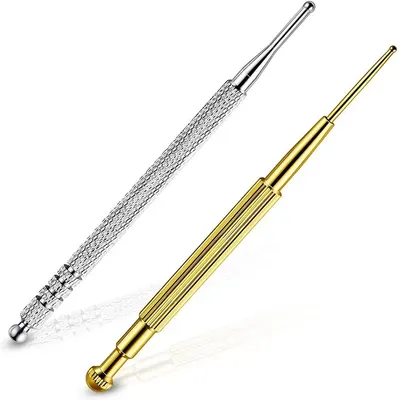
China‑based Alan lists five active products across its catalogue. The supplier’s portfolio covers marine food items such as abalone, mullet roe, giant squid tentacles, and prawns, as well as a medical‑grade PDO thread. The product count of five matches the number of individual SKUs shown, each falling under broad HS‑code families for frozen seafood (0304‑0305) and medical devices (9018). The catalogue does not provide individual HS codes, but the categories align with standard export classifications for fresh or chilled fish, molluscs, and specialty medical sutures.

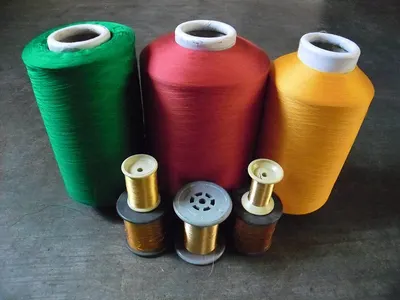
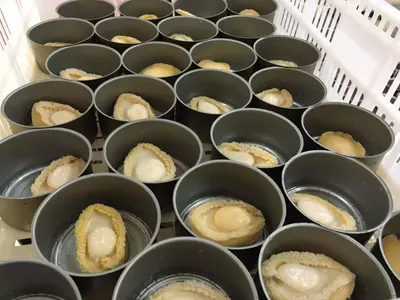
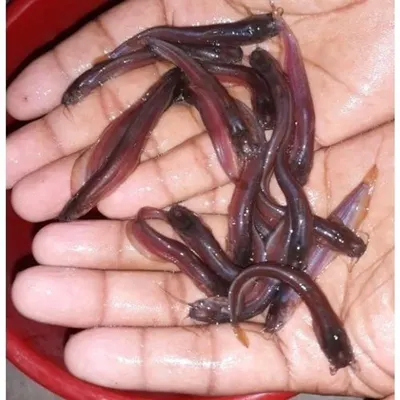
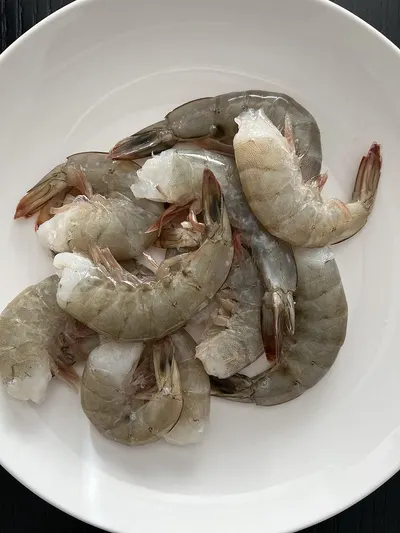
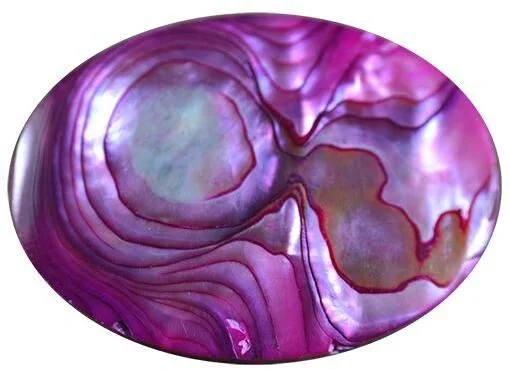
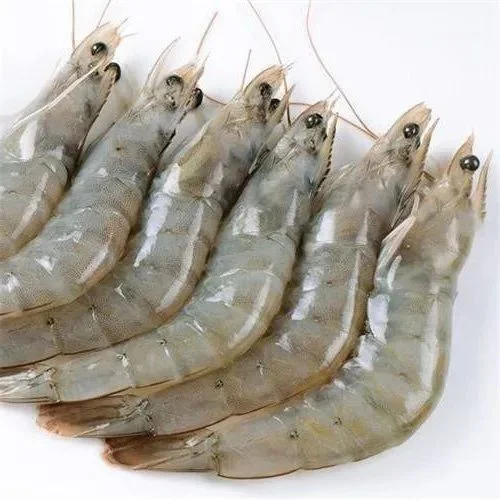
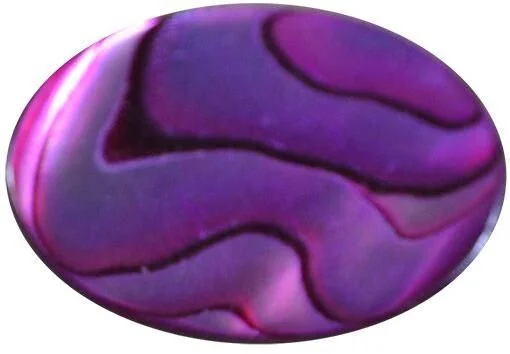
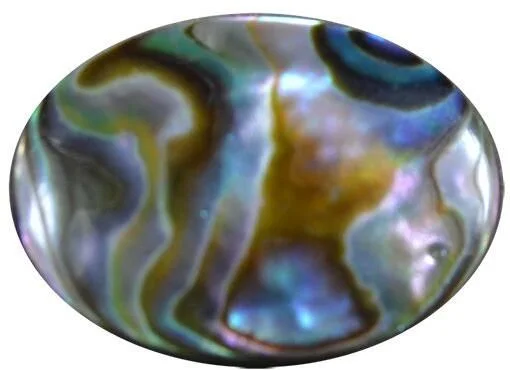
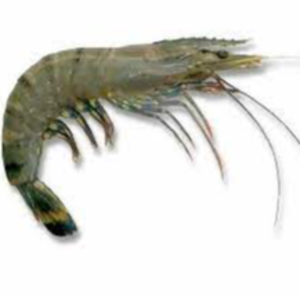
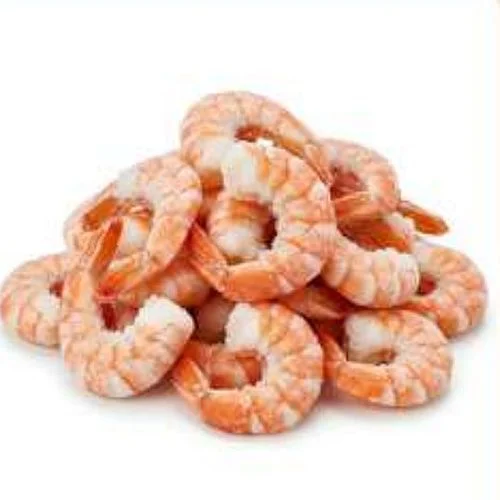
Alan’s listing includes China abalone, a whole‑body mollusk typically graded by shell size and meat weight, mullet roe presented as salted or fresh fats, giant squid tentacles supplied frozen in vacuum‑packed tubes, and China‑origin prawns or shrimp offered either whole or peeled. The medical PDO thread is a polydioxanone absorbable suture used in surgical applications. All items are described without reference to branding or client names, focusing solely on the product type and origin country.

Product Range and Specialties of Alan

The catalogue’s five items reflect two main segments: seafood and medical sutures. In the seafood segment, Chinese abalone is commonly graded by shell length (e.g., 6‑8 cm) and sold chilled at 0‑4 °C, while mullet roe is evaluated by egg size (typically 1‑2 mm) and salt content. Giant squid tentacles are usually frozen at - 18 °C and supplied in 10 kg vacuum packs, and prawns/shrimp are classified by count per kilogram (e.g., 20‑30 pcs/kg). Industry standards for these products often reference HACCP compliance, BRC Global Standards, and ISO 22000 for food safety. The PDO thread belongs to the medical suture market, where grades are defined by tensile strength (e.g., 15 N) and absorption profile; ISO 13485 and CE marking are typical certification expectations for such devices.

Beyond the listed SKUs, buyers frequently encounter related variants such as frozen scallops, live crustaceans, and other absorbable sutures (e.g., poliglecaprone). Typical HS‑code groupings include 0304 for fish fillets, 0307 for molluscs, and 9018 for medical instruments. Suppliers often provide product data sheets that detail moisture content, protein levels, and packaging dimensions, which help buyers compare specifications across sources.

Trade and Export Information - Alan

China remains one of the world’s largest exporters of frozen seafood, with the EU, United States, Japan, and South‑East Asia representing the main destination markets. Export shipments of frozen fish and molluscs usually fall under HS chapters 03 (fish, crustaceans, molluscs) and are subject to phytosanitary certificates, sanitary certificates, and, where required, import permits from the destination country. Common buyer requirements include HACCP plans, BRC or ISO 22000 audit reports, and traceability documentation linking the product to its harvest region. For medical sutures, the HS‑code 9018 classification triggers mandatory conformity assessments such as CE marking for the European market or FDA 510(k) clearance for the United States. Logistics typically involve refrigerated containers (reefers) for seafood, with standard 20‑ft or 40‑ft units packed on insulated pallets, while medical threads are shipped in temperature‑controlled cartons or dry packs. Incoterms such as CIF or FOB are regularly used, with Chinese exporters accustomed to handling customs clearance documentation and export licenses for both food and medical categories.

The supplier’s target markets are not specified in the facts, so buyers should consider the usual import patterns: seafood from China is often purchased by distributors in the Middle East, Europe, and North America, whereas medical sutures are sourced by hospitals and OEMs worldwide that require documented compliance with ISO 13485 and relevant national medical device regulations.

Sourcing from Alan - Buyer Guidance

When sourcing from Alan, buyers should request the latest HACCP audit report, BRC or ISO 22000 certificates for the seafood items, and a Certificate of Analysis (CoA) that includes temperature log sheets and freshness indicators such as TVB‑N (Total Volatile Base nitrogen) for fish. For the PDO thread, request the CE Declaration of Conformity, ISO 13485 certification, and sterility test results (e.g., bacterial endotoxin limits). Verify the product specifications against typical grades - for abalone, confirm shell size and weight; for prawns, confirm count‑per‑kg and shell‑on/off status; for squid tentacles, confirm freeze‑temperature and packaging weight.

Before placing a purchase order, confirm the packaging format (vacuum‑packed bags, insulated pallets, or dry cartons), the minimum order quantity (MOQ) per SKU, and the lead time for production and cold‑chain logistics. Ensure that the supplier can provide a pre‑shipment inspection report from an accredited third‑party inspector (e.g., SGS or Bureau Veritas) and that all required import permits for the destination country are addressed in the shipping documents.

Frequently Asked Questions About Alan

What seafood products does Alan list in its catalogue?

Alan lists China abalone, mullet roe/fats, giant squid tentacles (sold in tubes), and China‑origin prawns or shrimp. Each product falls under the frozen or chilled seafood HS‑code families (0304‑0305 for fish and 0307 for molluscs).

Does Alan provide medical sutures?

Yes, the catalogue includes a PDO (polydioxanone) thread, which is an absorbable surgical suture typically classified under HS code 9018 for medical devices.

What certifications should a buyer request for the seafood items?

Buyers should ask for HACCP compliance, BRC or ISO 22000 audit reports, a sanitary certificate, and a Certificate of Analysis that details freshness parameters such as TVB‑N and moisture content.

Which certification is relevant for the PDO thread?

The PDO thread should be accompanied by a CE Declaration of Conformity or FDA 510(k) clearance, and the supplier should hold ISO 13485 certification for medical device quality management.

What are typical packaging methods for Alan’s seafood exports?

Seafood is usually packed in insulated pallets with vacuum‑sealed bags or frozen blocks, and shipped in refrigerated (reefer) 20‑ft or 40‑ft containers to maintain 0‑4 °C for fish and - 18 °C for frozen squid.

What is the usual minimum order quantity (MOQ) for the listed products?

MOQs vary by product; frozen seafood such as squid tentacles often start at 500 kg per shipment, while abalone and prawns may be offered in 200 kg increments. The PDO thread is typically sold in bulk rolls with a MOQ of 10,000 mm.

How long is the typical lead time from order to shipment?

Lead times depend on product and season but generally range from 15‑30 days for frozen seafood after processing and packaging, and 20‑35 days for medical sutures pending sterilization and documentation.

Which HS codes are associated with Alan’s product categories?

Seafood items fall under HS chapter 03 (e.g., 0304 for frozen fish, 0307 for molluscs), while the PDO thread is classified under HS code 9018 for medical instruments and apparatus.


Featured Products from this Supplier

Top Trusted Suppliers

Related Products

Trending in Parent Category

More Suppliers in Category

Related Products

Other Suppliers

EximNext
7.1K+ live requirements
Register Free🎁 Reach global buyers
Post Requirement
🌍 Trusted by 225K+ businesses in 200+ countries|
7.1K+ active requirements right now
✉️ [email protected]
|
Sell on EximNextPost Requirement
EximNext
AgricultureApparelConstructionElectronicFoodHomeIndustrialMineralsMiscellaneous
🔥 Deals|✨ AI Match|🏭 Suppliers|📋 Buy Leads|💰 Trade Finance
7.1K+ live RFQs·194.8K+ suppliers
🎁 Reach global buyers →
EximNext
EximNext
Register Free
🎁 Reach global buyers
Sign In
📋Post Requirement💬Get Quotes✨AI Match📋RFQ Marketplace
All Categories
Services & Tools
🏭Supplier Directory🔥Today's Deals💰Trade Finance
Sell on EximNext →
AboutContactBlogHelp
Agriculture & Food  ·  China
6
products listed

Alan

⚓ Harbor
Country flag , ChinaNew supplier / no reviews yet
🛡️
54/100
Trust Score

Alan Product Catalog

Showing 6 of 6 products
View all products →
Pdo Thread
⚓ Harbor
Pdo Thread
Contact
MOQ: 1 Unit
China abalone
⚓ Harbor
China abalone
Contact
MOQ: 1 Unit
Mullet roe / fats
⚓ Harbor
Mullet roe / fats
Contact
MOQ: 1 Unit
Giant squid tentacles, tubes
⚓ Harbor
Giant squid tentacles, tubes
Contact
MOQ: 1 Unit
China Prawns / Shrimp
⚓ Harbor
China Prawns / Shrimp
Contact
MOQ: 1 Unit
Micro Cannula
⚓ Harbor
Micro Cannula
Contact
MOQ: 1 Unit

About Alan - Seafood Supplier in China

China‑based Alan lists five active products across its catalogue. The supplier’s portfolio covers marine food items such as abalone, mullet roe, giant squid tentacles, and prawns, as well as a medical‑grade PDO thread. The product count of five matches the number of individual SKUs shown, each falling under broad HS‑code families for frozen seafood (0304‑0305) and medical devices (9018). The catalogue does not provide individual HS codes, but the categories align with standard export classifications for fresh or chilled fish, molluscs, and specialty medical sutures.

Alan’s listing includes China abalone, a whole‑body mollusk typically graded by shell size and meat weight, mullet roe presented as salted or fresh fats, giant squid tentacles supplied frozen in vacuum‑packed tubes, and China‑origin prawns or shrimp offered either whole or peeled. The medical PDO thread is a polydioxanone absorbable suture used in surgical applications. All items are described without reference to branding or client names, focusing solely on the product type and origin country.

Product Range and Specialties of Alan

The catalogue’s five items reflect two main segments: seafood and medical sutures. In the seafood segment, Chinese abalone is commonly graded by shell length (e.g., 6‑8 cm) and sold chilled at 0‑4 °C, while mullet roe is evaluated by egg size (typically 1‑2 mm) and salt content. Giant squid tentacles are usually frozen at - 18 °C and supplied in 10 kg vacuum packs, and prawns/shrimp are classified by count per kilogram (e.g., 20‑30 pcs/kg). Industry standards for these products often reference HACCP compliance, BRC Global Standards, and ISO 22000 for food safety. The PDO thread belongs to the medical suture market, where grades are defined by tensile strength (e.g., 15 N) and absorption profile; ISO 13485 and CE marking are typical certification expectations for such devices.

Beyond the listed SKUs, buyers frequently encounter related variants such as frozen scallops, live crustaceans, and other absorbable sutures (e.g., poliglecaprone). Typical HS‑code groupings include 0304 for fish fillets, 0307 for molluscs, and 9018 for medical instruments. Suppliers often provide product data sheets that detail moisture content, protein levels, and packaging dimensions, which help buyers compare specifications across sources.

Trade and Export Information - Alan

China remains one of the world’s largest exporters of frozen seafood, with the EU, United States, Japan, and South‑East Asia representing the main destination markets. Export shipments of frozen fish and molluscs usually fall under HS chapters 03 (fish, crustaceans, molluscs) and are subject to phytosanitary certificates, sanitary certificates, and, where required, import permits from the destination country. Common buyer requirements include HACCP plans, BRC or ISO 22000 audit reports, and traceability documentation linking the product to its harvest region. For medical sutures, the HS‑code 9018 classification triggers mandatory conformity assessments such as CE marking for the European market or FDA 510(k) clearance for the United States. Logistics typically involve refrigerated containers (reefers) for seafood, with standard 20‑ft or 40‑ft units packed on insulated pallets, while medical threads are shipped in temperature‑controlled cartons or dry packs. Incoterms such as CIF or FOB are regularly used, with Chinese exporters accustomed to handling customs clearance documentation and export licenses for both food and medical categories.

The supplier’s target markets are not specified in the facts, so buyers should consider the usual import patterns: seafood from China is often purchased by distributors in the Middle East, Europe, and North America, whereas medical sutures are sourced by hospitals and OEMs worldwide that require documented compliance with ISO 13485 and relevant national medical device regulations.

Sourcing from Alan - Buyer Guidance

When sourcing from Alan, buyers should request the latest HACCP audit report, BRC or ISO 22000 certificates for the seafood items, and a Certificate of Analysis (CoA) that includes temperature log sheets and freshness indicators such as TVB‑N (Total Volatile Base nitrogen) for fish. For the PDO thread, request the CE Declaration of Conformity, ISO 13485 certification, and sterility test results (e.g., bacterial endotoxin limits). Verify the product specifications against typical grades - for abalone, confirm shell size and weight; for prawns, confirm count‑per‑kg and shell‑on/off status; for squid tentacles, confirm freeze‑temperature and packaging weight.

Before placing a purchase order, confirm the packaging format (vacuum‑packed bags, insulated pallets, or dry cartons), the minimum order quantity (MOQ) per SKU, and the lead time for production and cold‑chain logistics. Ensure that the supplier can provide a pre‑shipment inspection report from an accredited third‑party inspector (e.g., SGS or Bureau Veritas) and that all required import permits for the destination country are addressed in the shipping documents.

Frequently Asked Questions About Alan

What seafood products does Alan list in its catalogue?

Alan lists China abalone, mullet roe/fats, giant squid tentacles (sold in tubes), and China‑origin prawns or shrimp. Each product falls under the frozen or chilled seafood HS‑code families (0304‑0305 for fish and 0307 for molluscs).

Does Alan provide medical sutures?

Yes, the catalogue includes a PDO (polydioxanone) thread, which is an absorbable surgical suture typically classified under HS code 9018 for medical devices.

What certifications should a buyer request for the seafood items?

Buyers should ask for HACCP compliance, BRC or ISO 22000 audit reports, a sanitary certificate, and a Certificate of Analysis that details freshness parameters such as TVB‑N and moisture content.

Which certification is relevant for the PDO thread?

The PDO thread should be accompanied by a CE Declaration of Conformity or FDA 510(k) clearance, and the supplier should hold ISO 13485 certification for medical device quality management.

What are typical packaging methods for Alan’s seafood exports?

Seafood is usually packed in insulated pallets with vacuum‑sealed bags or frozen blocks, and shipped in refrigerated (reefer) 20‑ft or 40‑ft containers to maintain 0‑4 °C for fish and - 18 °C for frozen squid.

What is the usual minimum order quantity (MOQ) for the listed products?

MOQs vary by product; frozen seafood such as squid tentacles often start at 500 kg per shipment, while abalone and prawns may be offered in 200 kg increments. The PDO thread is typically sold in bulk rolls with a MOQ of 10,000 mm.

How long is the typical lead time from order to shipment?

Lead times depend on product and season but generally range from 15‑30 days for frozen seafood after processing and packaging, and 20‑35 days for medical sutures pending sterilization and documentation.

Which HS codes are associated with Alan’s product categories?

Seafood items fall under HS chapter 03 (e.g., 0304 for frozen fish, 0307 for molluscs), while the PDO thread is classified under HS code 9018 for medical instruments and apparatus.

About Alan - Seafood Supplier in China

China‑based Alan lists five active products across its catalogue. The supplier’s portfolio covers marine food items such as abalone, mullet roe, giant squid tentacles, and prawns, as well as a medical‑grade PDO thread. The product count of five matches the number of individual SKUs shown, each falling under broad HS‑code families for frozen seafood (0304‑0305) and medical devices (9018). The catalogue does not provide individual HS codes, but the categories align with standard export classifications for fresh or chilled fish, molluscs, and specialty medical sutures.

Alan’s listing includes China abalone, a whole‑body mollusk typically graded by shell size and meat weight, mullet roe presented as salted or fresh fats, giant squid tentacles supplied frozen in vacuum‑packed tubes, and China‑origin prawns or shrimp offered either whole or peeled. The medical PDO thread is a polydioxanone absorbable suture used in surgical applications. All items are described without reference to branding or client names, focusing solely on the product type and origin country.

Product Range and Specialties of Alan

The catalogue’s five items reflect two main segments: seafood and medical sutures. In the seafood segment, Chinese abalone is commonly graded by shell length (e.g., 6‑8 cm) and sold chilled at 0‑4 °C, while mullet roe is evaluated by egg size (typically 1‑2 mm) and salt content. Giant squid tentacles are usually frozen at - 18 °C and supplied in 10 kg vacuum packs, and prawns/shrimp are classified by count per kilogram (e.g., 20‑30 pcs/kg). Industry standards for these products often reference HACCP compliance, BRC Global Standards, and ISO 22000 for food safety. The PDO thread belongs to the medical suture market, where grades are defined by tensile strength (e.g., 15 N) and absorption profile; ISO 13485 and CE marking are typical certification expectations for such devices.

Beyond the listed SKUs, buyers frequently encounter related variants such as frozen scallops, live crustaceans, and other absorbable sutures (e.g., poliglecaprone). Typical HS‑code groupings include 0304 for fish fillets, 0307 for molluscs, and 9018 for medical instruments. Suppliers often provide product data sheets that detail moisture content, protein levels, and packaging dimensions, which help buyers compare specifications across sources.

Trade and Export Information - Alan

China remains one of the world’s largest exporters of frozen seafood, with the EU, United States, Japan, and South‑East Asia representing the main destination markets. Export shipments of frozen fish and molluscs usually fall under HS chapters 03 (fish, crustaceans, molluscs) and are subject to phytosanitary certificates, sanitary certificates, and, where required, import permits from the destination country. Common buyer requirements include HACCP plans, BRC or ISO 22000 audit reports, and traceability documentation linking the product to its harvest region. For medical sutures, the HS‑code 9018 classification triggers mandatory conformity assessments such as CE marking for the European market or FDA 510(k) clearance for the United States. Logistics typically involve refrigerated containers (reefers) for seafood, with standard 20‑ft or 40‑ft units packed on insulated pallets, while medical threads are shipped in temperature‑controlled cartons or dry packs. Incoterms such as CIF or FOB are regularly used, with Chinese exporters accustomed to handling customs clearance documentation and export licenses for both food and medical categories.

The supplier’s target markets are not specified in the facts, so buyers should consider the usual import patterns: seafood from China is often purchased by distributors in the Middle East, Europe, and North America, whereas medical sutures are sourced by hospitals and OEMs worldwide that require documented compliance with ISO 13485 and relevant national medical device regulations.

Sourcing from Alan - Buyer Guidance

When sourcing from Alan, buyers should request the latest HACCP audit report, BRC or ISO 22000 certificates for the seafood items, and a Certificate of Analysis (CoA) that includes temperature log sheets and freshness indicators such as TVB‑N (Total Volatile Base nitrogen) for fish. For the PDO thread, request the CE Declaration of Conformity, ISO 13485 certification, and sterility test results (e.g., bacterial endotoxin limits). Verify the product specifications against typical grades - for abalone, confirm shell size and weight; for prawns, confirm count‑per‑kg and shell‑on/off status; for squid tentacles, confirm freeze‑temperature and packaging weight.

Before placing a purchase order, confirm the packaging format (vacuum‑packed bags, insulated pallets, or dry cartons), the minimum order quantity (MOQ) per SKU, and the lead time for production and cold‑chain logistics. Ensure that the supplier can provide a pre‑shipment inspection report from an accredited third‑party inspector (e.g., SGS or Bureau Veritas) and that all required import permits for the destination country are addressed in the shipping documents.

Frequently Asked Questions About Alan
What seafood products does Alan list in its catalogue?
Alan lists China abalone, mullet roe/fats, giant squid tentacles (sold in tubes), and China‑origin prawns or shrimp. Each product falls under the frozen or chilled seafood HS‑code families (0304‑0305 for fish and 0307 for molluscs).
Does Alan provide medical sutures?
Yes, the catalogue includes a PDO (polydioxanone) thread, which is an absorbable surgical suture typically classified under HS code 9018 for medical devices.
What certifications should a buyer request for the seafood items?
Buyers should ask for HACCP compliance, BRC or ISO 22000 audit reports, a sanitary certificate, and a Certificate of Analysis that details freshness parameters such as TVB‑N and moisture content.
Which certification is relevant for the PDO thread?
The PDO thread should be accompanied by a CE Declaration of Conformity or FDA 510(k) clearance, and the supplier should hold ISO 13485 certification for medical device quality management.
What are typical packaging methods for Alan’s seafood exports?
Seafood is usually packed in insulated pallets with vacuum‑sealed bags or frozen blocks, and shipped in refrigerated (reefer) 20‑ft or 40‑ft containers to maintain 0‑4 °C for fish and - 18 °C for frozen squid.
What is the usual minimum order quantity (MOQ) for the listed products?
MOQs vary by product; frozen seafood such as squid tentacles often start at 500 kg per shipment, while abalone and prawns may be offered in 200 kg increments. The PDO thread is typically sold in bulk rolls with a MOQ of 10,000 mm.
How long is the typical lead time from order to shipment?
Lead times depend on product and season but generally range from 15‑30 days for frozen seafood after processing and packaging, and 20‑35 days for medical sutures pending sterilization and documentation.
Which HS codes are associated with Alan’s product categories?
Seafood items fall under HS chapter 03 (e.g., 0304 for frozen fish, 0307 for molluscs), while the PDO thread is classified under HS code 9018 for medical instruments and apparatus.

Alan
Country flag China
⚓ HarborAgriculture & Food
54/100
Trust Score
6
Products
✓ Free to contact — no commission
✓ Escrow payment available
✓ Verified business identity
Compare more suppliers
Post a requirement — get 10 quotes free
Let verified suppliers compete for your business. Free, fast, no commitment.
Due Diligence
Verify this supplier's real shipping history.
Every shipment, every buyer, every port. Trade data that can't be faked.
Run due diligence →
Discover More

Related Suppliers & Products

Explore similar suppliers, related products and trending categories

Featured Products from this Supplier

Top Trusted Suppliers

Related Products

Trending in Parent Category

More Suppliers in Category

Stay ahead in global trade
Weekly market insights & new supplier alerts.
EximNext
Exim Next is a leading global B2B marketplace, connecting over 220,000 registered suppliers and buyers across 200+ countries. As a trusted import export marketplace, it serves as the essential B2B portal for businesses worldwide, empowering them to expand their international reach. With Exim Next, businesses can trade smarter and grow faster.
SECURE PAYMENTS
VISAMastercardPayPalSWIFTL/CEscrow
Follow us
© 2026 EximNext