Akshar Industries — Supplier
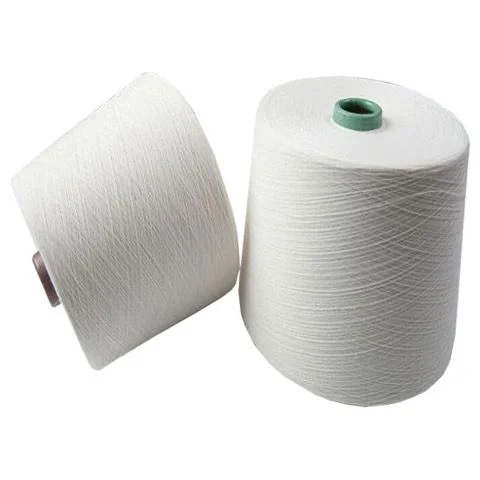
About Akshar Industries - Viscose Yarn Supplier in India
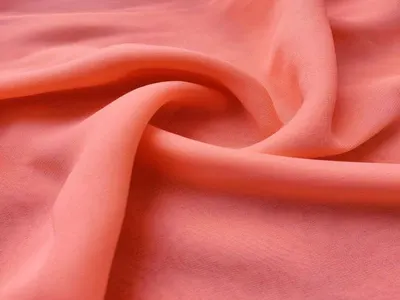
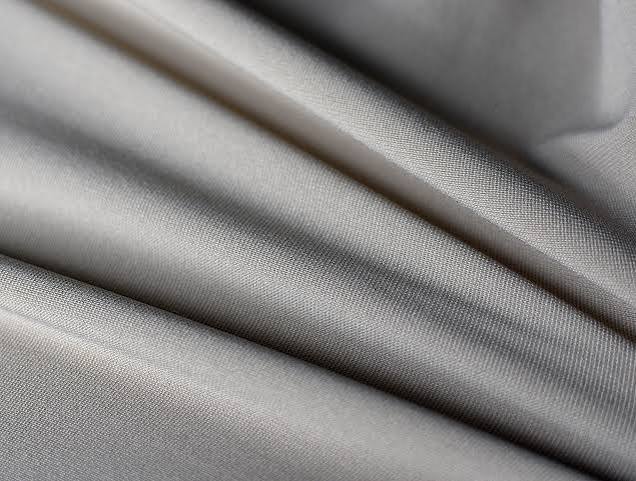
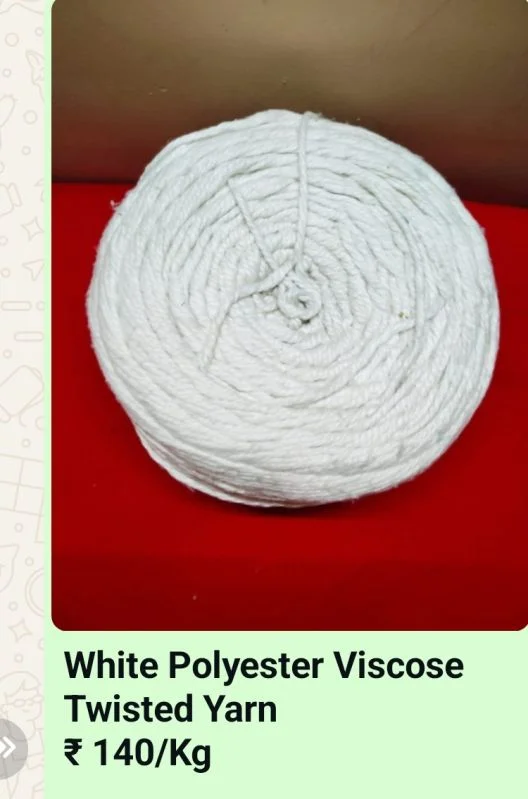
Based in India, Akshar Industries lists 13 active fabric products. The catalogue focuses on woven and knit fabrics derived from viscose yarn and polyester fibers, covering styles such as slub, crepe, chiffon, silk, georgette, satin and bemberg blends. Each product is identified by its trade name, for example BSY Slub, American Crepe, Chinon Chiffon, Honey Silk, Tabi Silk, Slub RFD, Silk Crepe, 60 × 60 Georgette, Double Georgette, Cotton Silk, Touch Satin, Satin Bemberg and Black Berry. The product set falls under HS Chapter 54 for man‑made textile fabrics, which is the standard customs classification for viscose and polyester fabrics. The supplier is classified in the “harbor” trust tier, indicating a mid‑level verification level on the platform.
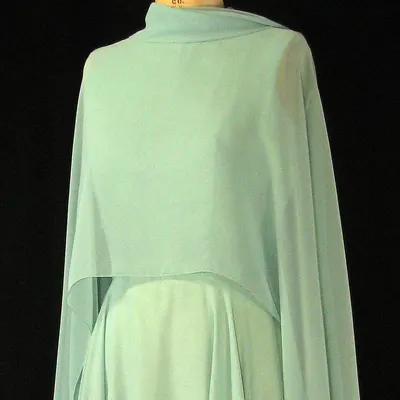
The listed fabrics represent a mix of plain, textured and blended finishes commonly used in apparel, home textiles and fashion accessories. Viscose yarns provide a silk‑like drape, while polyester contributes strength and wrinkle resistance; many of the designs combine both fibers to achieve specific hand and performance characteristics. The range includes lightweight chiffons (typically 60‑80 gsm), medium‑weight georgettes (90‑120 gsm), and heavier satins (150‑180 gsm), matching standard industry specifications for these fabric families. Buyers can expect standard packaging of folded fabric rolls or flat sheets packed in polypropylene bags or cartons for export.
Product Range and Specialties of Akshar Industries
Akshar Industries’ catalogue enumerates 13 fabric designs, each falling under the viscose yarn or polyester material families. The product names indicate the weave or finish: slub fabrics such as BSY Slub and Slub RFD feature uneven yarn thickness for a textured surface; crepe variants like American Crepe and Silk Crepe are treated to produce a crinkled hand; chiffon items (Chinon Chiffon) and georgettes (60 × 60 Georgette, Double Georgette) are lightweight, sheer fabrics with typical GSM 60‑120. Satin finishes (Touch Satin, Satin Bemberg) provide a glossy front and matte back, commonly supplied in 150‑180 gsm. Blended fabrics such as Honey Silk, Tabi Silk, Cotton Silk and Black Berry combine viscose with polyester or cotton to balance drape and durability. Industry standards for these categories often reference ISO 9001 quality management, OEKO‑TEX Standard 100 for harmful substance testing, and, where applicable, GOTS certification for organic viscose.
Trade and Export Information - Akshar Industries
India is a major exporter of man‑made textile fabrics, with viscose and polyester woven goods regularly shipped to the European Union, United States, Middle East and Southeast Asian markets. Under HS Chapter 54, woven fabrics of synthetic filament yarn are classified under code 5407, while woven fabrics of synthetic staple yarn fall under 5408; these codes are routinely used for customs clearance of the types listed by Akshar Industries. Importing buyers typically require compliance with REACH regulations for chemical safety, and may request OEKO‑TEX or GOTS certificates to verify absence of restricted substances. Standard export logistics involve FOB or CIF terms, with fabrics packed in bulk on 20‑foot or 40‑foot containers, protected by moisture‑resistant polybags and cardboard inserts to prevent creasing. Indian textile exporters often work with freight forwarders experienced in handling delicate fabrics, ensuring temperature‑controlled storage during transit when required.
Sourcing from Akshar Industries - Buyer Guidance
When sourcing from Akshar Industries, buyers should request a detailed product specification sheet that lists fiber composition (percentage of viscose and polyester), GSM, width, finish treatment and any applicable certifications such as OEKO‑TEX Standard 100. Sample requests should specify the intended end‑use to obtain appropriate test reports, including colorfastness to washing, light and rubbing, as well as dimensional stability after laundering. Verify that the supplier can provide a mill test report (MTR) or a laboratory‑issued test certificate matching the requested specifications before confirming order quantities. Typical minimum order quantities for fabric rolls range from 500 m to 2 000 m depending on the style, with lead times of 30‑45 days from order confirmation, subject to fabric availability.
Frequently Asked Questions About Akshar Industries
What fabric types are included in Akshar Industries' catalogue?
The catalogue lists 13 fabric designs, including slub, crepe, chiffon, silk, georgette, satin and bemberg blends, all produced from viscose yarn or polyester fibers.
Which HS codes are relevant for these fabrics?
The fabrics fall under HS Chapter 54 for man‑made textile fabrics; woven polyester or viscose fabrics are typically classified under code 5407 (synthetic filament yarn) or 5408 (synthetic staple yarn).
What are the typical GSM ranges for the listed fabrics?
Lightweight chiffons and georgettes are usually 60‑120 gsm, medium‑weight crepes and slubs 90‑130 gsm, while satin finishes are commonly 150‑180 gsm.
Which certifications should a buyer request for these products?
Buyers should ask for OEKO‑TEX Standard 100 test reports, and if organic viscose is required, GOTS certification; REACH compliance documentation is also standard for EU imports.
How can a buyer obtain a sample?
Buyers can request a physical sample by specifying the fabric name, required width and length; the supplier typically ships samples in sealed polybags with a commercial invoice indicating the product code.
What is the usual minimum order quantity and lead time?
MOQs generally start at 500 meters per style, with production lead times of 30‑45 days after order confirmation, depending on fabric availability.
What packaging and shipping methods are used?
Fabrics are folded or rolled, packed in moisture‑resistant polypropylene bags, placed in double‑wall cardboard cartons, and loaded into 20‑foot or 40‑foot containers under FOB or CIF terms.
Are there any specific quality tests buyers should look for?
Typical quality tests include colorfastness to washing, light and rubbing, dimensional stability after laundering, and fiber composition analysis; test reports should be provided before shipment.




 , India