Active Refractories — Supplier
About Active Refractories - Refractory Bricks Supplier in India
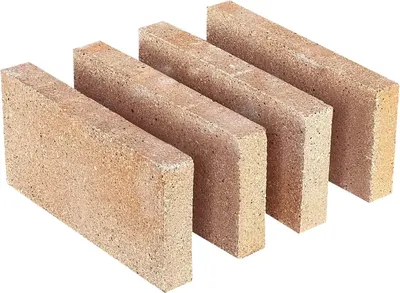
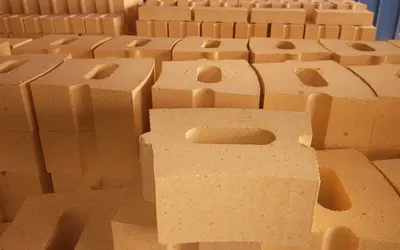
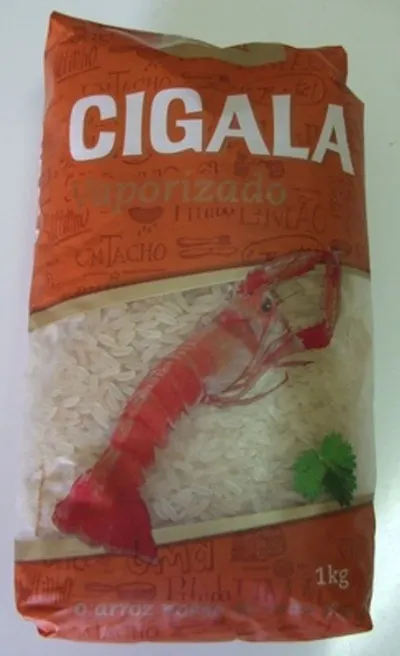
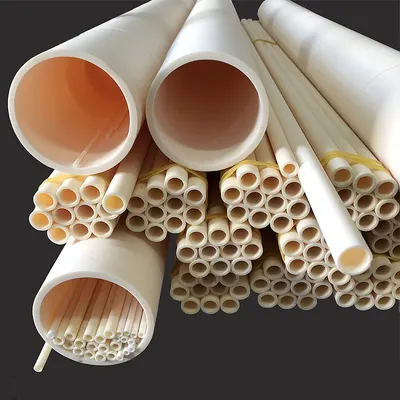
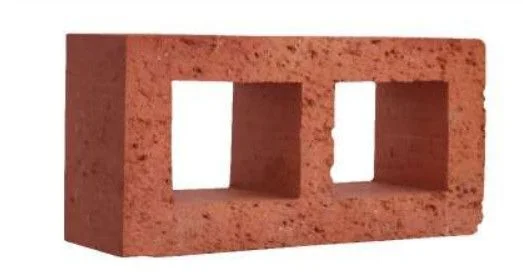
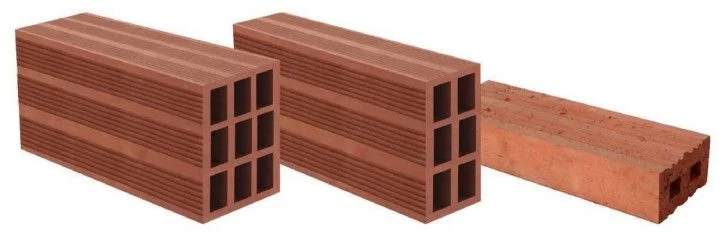
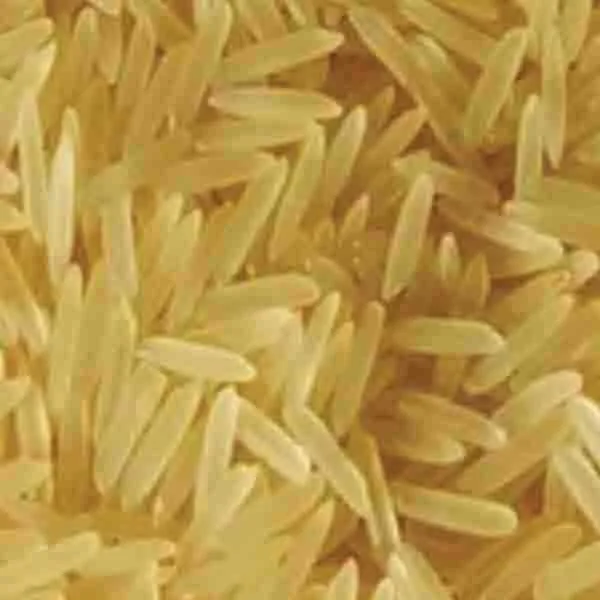
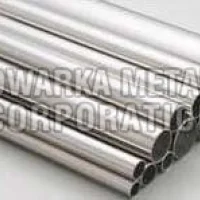
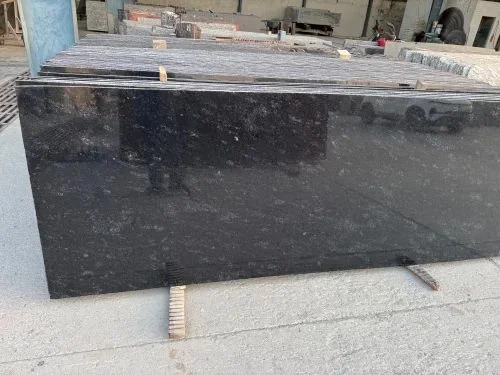
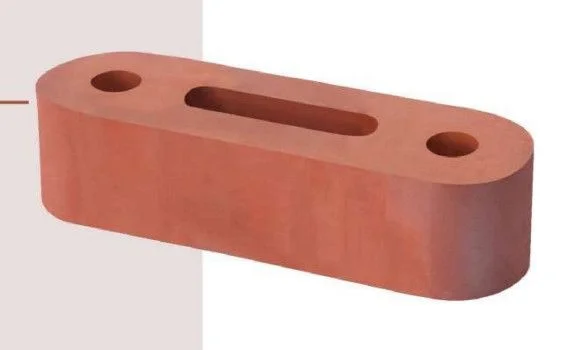
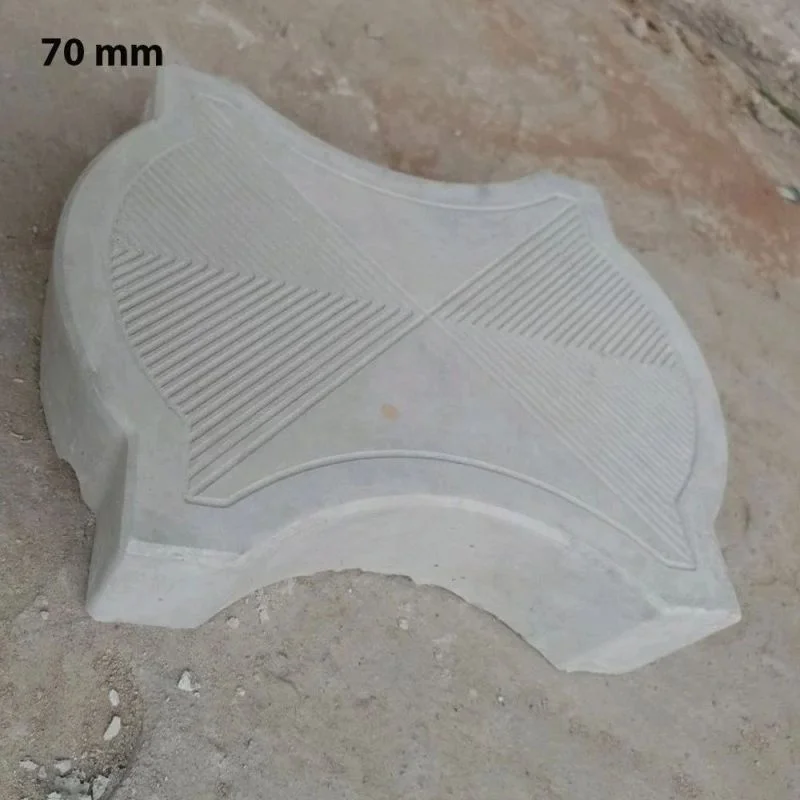
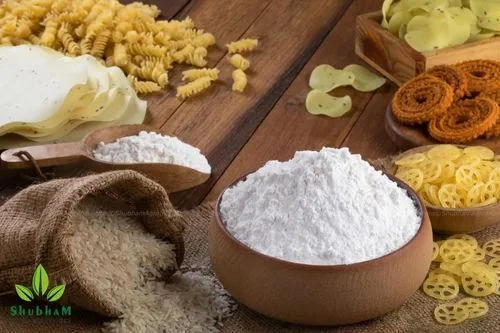
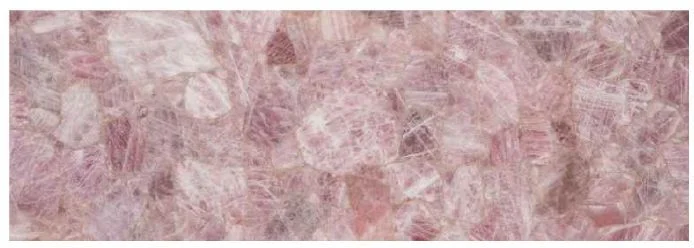
India hosts Active Refractories with a catalogue of twelve distinct products spanning refractory bricks, general bricks, wheat flour, refractory slabs, ceramic tubes, parboiled rice and fire bricks. The supplier lists items such as Wheat Flour, Refractory Cupola Bricks, Refractory Slab (Tiles), Refractories Burner Block, Refractory Half Round, Refractory Arch Blocks, Refractory T‑Bricks, Ceramic Alumina Pipe, Insulation Bricks, Parboiled Rice, Fire Clay & High Alumina Bricks and Heating Element Bricks. HS codes are provided for the Burner Block (6902.20) and Insulation Bricks (6904.90), both falling under the refractory and ceramic product chapters. The material specifications include high‑alumina composites (Al2O3 50‑85 %) for the burner block and refractory fireclay/alumina‑silicate for the insulation bricks.
The catalogue mixes construction‑grade refractory components with two food products, Wheat Flour and Parboiled Rice, reflecting a diversified supply base. Refractory products cover shapes such as cupola bricks, half‑rounds, arch blocks and T‑bricks, as well as flat slabs and ceramic alumina pipes. The Heating Element Bricks are listed under the same HS code 6902.20 and are described as silicon carbide or high‑alumina compounds, which are common for high‑temperature heating applications.
Product Range and Specialties of Active Refractories
Active Refractories offers a concrete set of twelve items that include standard refractory bricks, specialised burner blocks, insulation bricks and ceramic alumina pipes, each aligned with HS chapter 69. In the refractory sector, typical grades range from low‑alumina fireclay bricks (Al2O3 ≈ 15‑30 %) to high‑alumina bricks (Al2O3 ≈ 50‑85 %) and silicon carbide bricks used for temperatures above 1500 °C. Buyers often look for ASTM C 618 pozzolan content, ISO 9001 quality management and specific compressive strength values (e.g., 30 MPa for fireclay, 80 MPa for high‑alumina). The food items, Wheat Flour and Parboiled Rice, follow standard food‑grade specifications such as ICUMSA 45 for flour and moisture content below 14 % for rice, although these are not refractory‑related.
Industry practice for refractory ceramics includes dimensional tolerances of ±1 mm for bricks, density between 2.2‑2.8 g/cm³ and porosity below 10 % for high‑performance units. Ceramic alumina pipes are typically supplied in lengths of 3 m with outer diameters from 25 mm to 200 mm, meeting ASTM C 22 requirements. The supplier’s slab tiles are usually sized 600 mm × 600 mm with thicknesses of 30‑50 mm, matching common kiln floor specifications.
Trade and Export Information - Active Refractories
India is a major exporter of refractory materials, with shipments directed to steel plants in the Middle East, cement manufacturers in Africa and glass furnaces in Southeast Asia. HS code 6902 covers refractory bricks, kiln linings and heating elements, while 6904 includes other refractory products such as insulation bricks; both codes are subject to customs inspections for compliance with material composition declarations. Typical import regulations require material safety data sheets (MSDS), compliance with ISO 9001 or equivalent national standards, and, for high‑alumina products, verification of Al2O3 content through X‑ray fluorescence analysis. Logistics commonly use 20‑foot or 40‑foot containers packed on wooden pallets with moisture‑resistant liners, and Incoterms such as CIF or FOB are standard for bulk refractory shipments. Food products like wheat flour and parboiled rice follow separate HS chapters (1101 and 1006) and must meet FSSAI export guidelines, including microbial testing and pesticide residue limits.
The supplier’s target markets are not listed, so buyers should anticipate typical demand from industrial sectors requiring high‑temperature resistance, such as steel, cement, glass and petrochemical plants. Export documentation generally includes a commercial invoice, packing list, certificate of origin, and where applicable, a test certificate confirming compliance with ASTM or ISO standards.
Sourcing from Active Refractories - Buyer Guidance
When sourcing refractory bricks or burner blocks from Active Refractories, request a recent material test report that details Al2O3 percentage, compressive strength, bulk density and porosity. Verify that the supplier can provide an MSDS and, if required by the buyer’s country, an ISO 9001 certification or equivalent quality management documentation. For the food items, ask for an ICUMSA grade certificate for wheat flour and a moisture‑content analysis for parboiled rice, along with any phytosanitary certificates needed for import.
Samples of brick dimensions and material composition should be examined before placing a bulk order; a standard sample size is one brick of each shape. Confirm packaging specifications - typically double‑layered wooden crates with moisture‑proof liners - to protect against breakage during sea freight. Lead times for refractory products from India often range from 30 to 45 days, while food products may ship within 15‑20 days depending on customs clearance.
Frequently Asked Questions About Active Refractories
What HS codes apply to the refractory products listed by Active Refractories?
The Burner Block and Heating Element Bricks use HS code 6902.20, which covers refractory bricks and kiln linings. Insulation Bricks are classified under HS code 6904.90 for other refractory products.
Which material compositions are typical for the high‑alumina refractory bricks?
High‑alumina bricks from the catalogue contain Al2O3 in the range of 50‑85 %, providing resistance to temperatures above 1500 °C and low thermal conductivity.
What certifications should a buyer request for refractory bricks?
Buyers should request an ISO 9001 quality management certificate and a material test report showing compliance with ASTM C 618 or equivalent standards for compressive strength and alumina content.
How are the ceramic alumina pipes sized for export?
Ceramic alumina pipes are commonly supplied in 3 m lengths with outer diameters ranging from 25 mm to 200 mm, packed in wooden crates to prevent breakage.
What documentation is needed for the wheat flour and parboiled rice exports?
Export of wheat flour and parboiled rice requires a commercial invoice, packing list, certificate of origin, phytosanitary certificate and, for flour, an ICUMSA grade certificate.
What are typical packaging and shipping methods for the refractory slabs?
Refractory slabs are usually packed on wooden pallets with moisture‑resistant liners, loaded into 20‑foot or 40‑foot containers under CIF or FOB terms.
What quality parameters should be verified for insulation bricks?
Insulation bricks should be checked for fireclay or alumina‑silicate composition, bulk density between 2.2‑2.8 g/cm³, porosity below 10 % and compliance with HS code 6904.90 specifications.
What lead time can a buyer expect for a full container of refractory bricks?
Lead times for a 20‑foot container of refractory bricks from India typically range from 30 to 45 days, depending on production scheduling and customs clearance.




 , India