A To Z Impex And Logistics — Verified Supplier
About A To Z Impex And Logistics - Grain and Spice Supplier in India
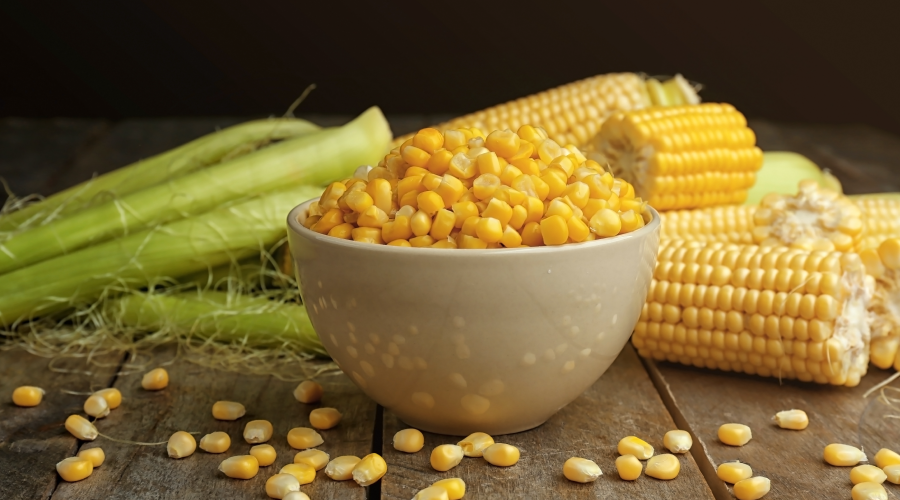
India, a major agricultural exporter, hosts A To Z Impex And Logistics with six active product listings. The supplier’s catalogue covers the grain, spice and vegetable segments, specifically yellow maize, black sesame seeds, dry red chilli, Basmati rice (HS 1006.30, whole grain milled rice Oryza sativa L. var. Basmati), non‑Basmati rice and red onions. Each product is presented as a distinct SKU in the online listing. The company operates under a harbor trust tier, indicating a verified trade profile. The focus is on bulk commodity trade rather than processed goods.
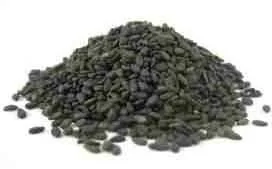
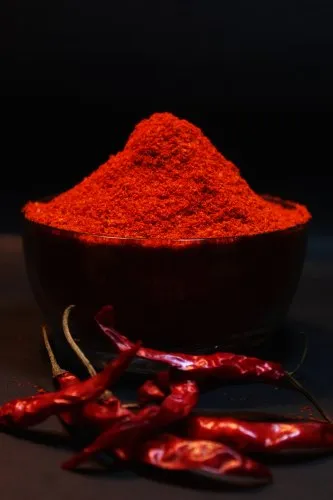
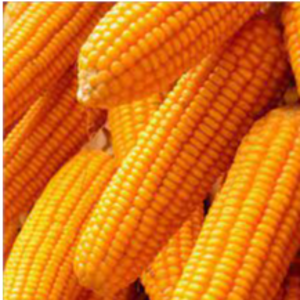
The yellow maize entry denotes the common field‑grown variety used for animal feed and industrial starch. Black sesame seeds are listed without additional detail, representing the oil‑rich seed typically exported for confectionery and oil pressing. Dry red chilli is offered as a whole‑dried spice, while the two rice lines differentiate the aromatic Basmati grade from other Indian rice types. Red onions are described as a fresh vegetable commodity suitable for fresh market or processing. All six items are positioned for bulk shipments.
Product Range and Specialties of A To Z Impex And Logistics
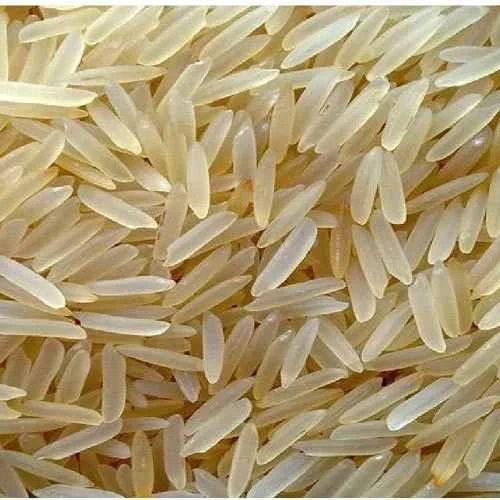
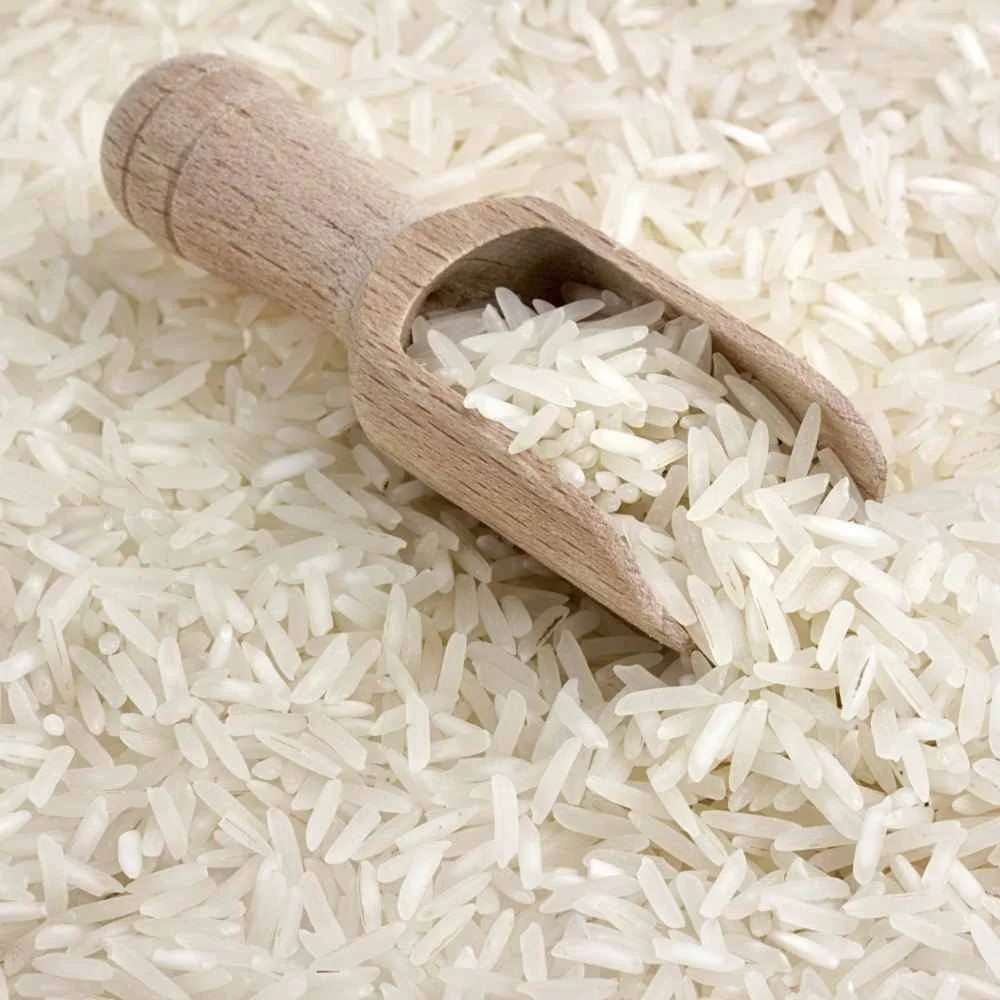
Yellow maize exported from India usually meets grade A specifications, with moisture content not exceeding 13 % and aflatoxin levels below 20 ppb. Black sesame seeds are commonly graded by kernel size (5 - 7 mm) and oil content (45 - 55 %), with a standard purity of ≥ 98 % and low moisture (< 6 %). Dry red chilli is typically classified under capsicum grade 2, featuring a capsaicin level of 30 000 - 50 000 Scoville units, moisture ≤ 12 % and a broken grain limit of 5 %. Basmati rice (HS 1006.30) is generally sold as long‑grain, aromatic rice with an ICUMSA 45 color, moisture 12 - 14 % and a broken grain ratio below 5 %. Non‑Basmati rice from India is usually medium‑grain, with similar moisture limits and a higher allowable broken percentage (up to 10 %). Red onions are exported with a uniform size of 40 - 70 mm, moisture 85 - 90 % and a sulfur‑related pungency index used by processors.
Standard bulk packaging for these commodities includes 25 kg polypropylene bags for rice and maize, 5 kg jute bags for spices and seeds, and 10 kg mesh bags for onions, allowing 20‑ft containers to hold approximately 18 - 20 metric tonnes of rice or 22 tonnes of maize.
Trade and Export Information - A To Z Impex And Logistics
India ranks among the top global exporters of maize, sesame, chilli, rice and onions. Buyers in the Middle East, North Africa, Southeast Asia and the European Union regularly import these commodities. The relevant HS chapters are 1005 for maize, 1207 for sesame seeds, 1004 for dried chilli, 1006 for both Basmati and non‑Basmati rice, and 0703 for onions. Importers typically require a phytosanitary certificate, a certificate of origin and evidence of compliance with ISO 22000 or HACCP food safety standards. For rice, an additional FSSAI license and a laboratory analysis confirming moisture and broken grain percentages are standard.
Logistics from Indian ports often use FOB terms, with CIF options available for key markets. A 20‑ft container can accommodate roughly 18 metric tonnes of milled rice or 22 tonnes of maize, while 40‑ft containers double the volume for spices and seeds. Export documentation must include the commercial invoice, packing list, Bill of Lading, and where applicable, an organic certification or non‑GMO declaration if requested by the buyer.
Sourcing from A To Z Impex And Logistics - Buyer Guidance
Prospective buyers should request the latest moisture, mycotoxin and pesticide residue test reports for maize, as well as seed purity and oil content certificates for black sesame. For dry red chilli, a capsaicin assay and aflatoxin analysis are customary. Rice shipments should be accompanied by a moisture certificate, broken grain analysis, and an aroma grading report for Basmati. Onion consignments need a freshness assessment, moisture content and a phytosanitary clearance.
Samples of 5 kg for rice or 10 kg for spices are typical for preliminary quality verification. Minimum order quantities in the bulk market usually start at 20 metric tonnes per product, with lead times of 30 - 45 days after order confirmation, subject to seasonal harvest cycles. Buyers are advised to verify the supplier’s ISO 22000 or HACCP compliance and to obtain a copy of the latest phytosanitary certificate before finalizing the contract.
Frequently Asked Questions About A To Z Impex And Logistics
What product specifications should I verify for yellow maize from this supplier?
Check moisture content (≤ 13 %), aflatoxin levels (< 20 ppb), and a grain size uniformity test. Request a recent laboratory report covering mycotoxin and pesticide residues.
Which certifications are commonly required for Indian sesame seed exports?
Importers usually ask for an ISO 22000 or HACCP food‑safety certificate, a phytosanitary certificate, and a purity analysis showing ≥ 98 % seed content. If organic claims are made, an organic certification must be provided.
How is dry red chilli quality measured in international trade?
Key parameters are capsaicin level (30 000 - 50 000 Scoville units), moisture ≤ 12 %, broken grain percentage ≤ 5 % and aflatoxin limits (< 20 ppb). A certified assay report is standard.
What HS code applies to the Basmati rice listed by the supplier?
The Basmati rice entry includes HS code 1006.30, which covers milled aromatic rice of the Basmati variety.
What are typical packaging and container loads for the rice products?
Rice is usually packed in 25 kg polypropylene bags. A 20‑ft container can hold about 18 - 20 metric tonnes of such bags, while a 40‑ft container can accommodate roughly double that volume.
What documentation is needed to import red onions from India?
A phytosanitary certificate, certificate of origin, commercial invoice and packing list are required. Buyers often request a moisture and freshness report as part of the pre‑shipment inspection.
What is the usual lead time and minimum order quantity for bulk shipments?
Lead times typically range from 30 to 45 days after order confirmation, depending on harvest cycles. Minimum order quantities are generally around 20 metric tonnes per commodity for bulk sea freight.




 , India