A-sub Sublimation Paper — Supplier

About A-sub Sublimation Paper - Sublimation and Photo Paper Supplier in Singapore

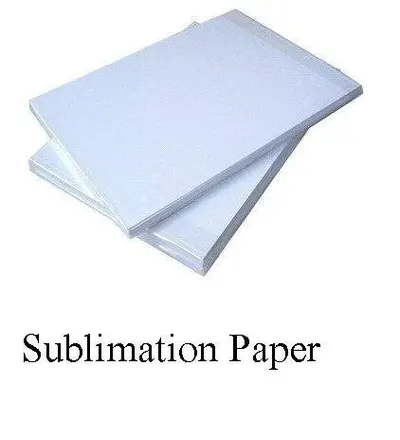
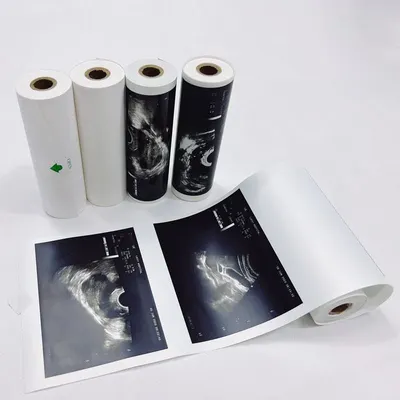
A-sub Sublimation Paper is registered as a Singapore-based supplier operating with an active catalogue of 42 products centred on digital printing substrates. The listed inventory spans sublimation transfer papers in the 120-125 g/m² range, resin-coated (RC) glossy and silky photo papers at 240-260 GSM, inkjet printable vinyl and sticker label stocks, water-slide decal paper, PET and DTF transfer films, sublimation ink, and sublimation puzzle blanks, placing the supplier across roughly eight overlapping paper-and-film categories used in dye-sublimation, inkjet photo, and direct-to-film workflows. The product mix is consistent with the kind of one-room Singapore trading operation that consolidates Chinese and Southeast Asian paper-converting output for export, since Singapore functions as a regional distribution hub for printing consumables moving into ASEAN, the Middle East, Africa, and South America. None of the catalogue entries reference proprietary manufacturing equipment or in-house coating lines, so the role here is best read as a marketing and export front rather than a mill. Buyers evaluating the listing should therefore treat the Singapore origin as a trade entity, not as a paper-production source.

The catalogue is weighted toward heat-transfer and photo-grade substrates rather than office stationery, with 14 of the 42 active listings explicitly carrying the A-SUB brand prefix and the remainder covering generic sublimation paper, photo paper, and inkjet media. Specific basis weights disclosed in the listings include 115 GSM light-weight glossy photo paper, 115 g digital inkjet sticker label stock, 120 g high-flatness sublimation paper, 125 g vivid sublimation transfer paper, 240 GSM RC glossy and silky photo papers, and 260 GSM RC glossy photo paper, which together cover the most common commercial specification bands for desktop sublimation and minilab photo finishing. The inclusion of DTF transfer film for Epson printheads, water-slide decal paper, and PET film indicates the supplier also services the custom-merchandise and garment-decoration segment rather than only the photo-printing segment. Singapore-origin shipments of these substrates typically clear customs under HS subheadings 4811 (paper coated with plastics) and 4911 (printed pictures and transfers), and DTF/transfer films generally fall under HS 3920 or 3921 depending on lamination, so the import declaration should be aligned to the specific film rather than to paper.

Product Range and Specialties of A-sub Sublimation Paper

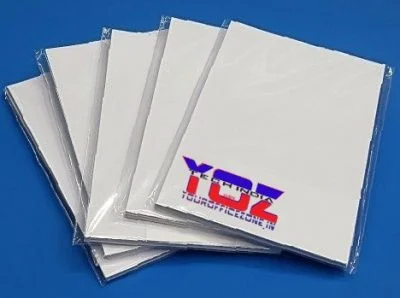
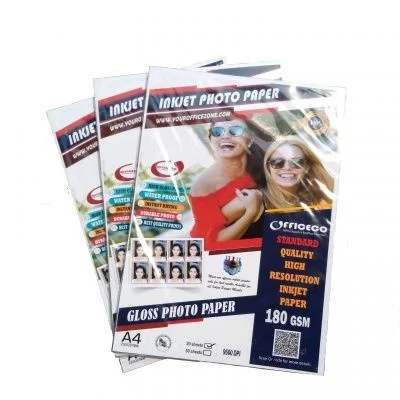
The A-sub catalogue is organised around four working substrates: dye-sublimation transfer paper, resin-coated photo paper, inkjet printable vinyl/sticker media, and specialty transfer films. Sublimation transfer papers are listed at 120 g and 125 g basis weights, which sit inside the standard commercial band of 100-130 g/m² used for polyester fabric transfer, mug pressing, and rigid-substrate sublimation where high ink release and low cockling are required. Buyers in this segment typically compare papers on drying time, transfer yield (percentage of ink released at 200-210 °C and 40-60 s press time), and curl after printing, and the "high flatness" descriptor on the 120 g listing points to that selection criterion. Resin-coated photo papers are offered at 240 GSM (glossy and silky/satin variants) and 260 GSM (glossy), matching the typical minilab and inkjet-photo specifications where 240-260 GSM is the standard premium band, with the silky finish serving portrait and wedding markets and the double-side glossy and double-side matte variants serving card and album applications.

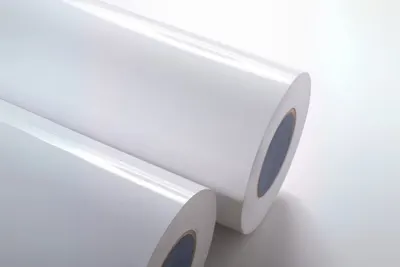
Inkjet-printable substrates include 115 g vinyl sticker paper, 115 GSM inkjet printable vinyl, inkjet printable glossy white film, and 115 g digital inkjet sticker label stock, which together cover the printable-label, craft-vinyl, and signage segments where water-based and eco-solvent inks are common. Specialty items such as the A-SUB water-slide decal paper (no-spray variant), dark ink-jet transfer paper for cotton and dark fabrics, DTF transfer film for Epson printheads, PET film, and sublimation puzzle blanks extend the range into custom-merchandise finishing. Across all of these, the relevant ISO and industry standards are ISO 12647-2 for colour consistency on graphic arts substrates, ISO 9706 for permanence on photo papers, and OEKO-TEX or REACH compliance for transfer papers intended for textile end-use, since residual coatings and binders on sublimation paper can carry chemicals of concern. Buyers should also expect basis-weight tolerance of roughly ±5 g/m², moisture content below 7 %, and Cobb sizing values appropriate to the press temperature in use.

Trade and Export Information - A-sub Sublimation Paper

Sublimation paper, RC photo paper, and printable film substrates are globally traded under HS 4811.51-4811.59 (paper coated with plastics, covering most RC photo and sublimation stocks), HS 4811.60 (paper coated with plastics, other), HS 4911.91 (pictures, designs and photographs, including transfer decals), and HS 3920/3921 for PET and DTF films. Typical importing regions for these goods from a Singapore-origin shipper are ASEAN (Indonesia, Vietnam, Thailand, Philippines, Malaysia), the Middle East (UAE, Saudi Arabia), Africa (Nigeria, Kenya, South Africa), South America (Brazil, Colombia, Chile, Peru), and Eastern Europe, where small-format print shops, garment-decoration houses, and photo-finishing labs source consumables in pallet quantities rather than container loads. Singapore's role in this trade is largely as a re-export and consolidation point for Chinese, Indonesian, and Malaysian paper-converting output, so lead times to most Asian ports run 5-12 days and to African or South American destinations 25-40 days depending on transhipment.

For these categories, buyers and importing-country customs typically expect the following documentation: a commercial invoice, packing list, certificate of origin (often under ASEAN or GSP preference schemes depending on the actual production origin), and a material safety data sheet (MSDS) for coated papers and films. Where the end-use is textile, OEKO-TEX Standard 100 or REACH SVHC declarations are commonly requested, and for photo papers sold into the EU, compliance with REACH and the Packaging and Packaging Waste Regulation is standard. Standard export packaging for sublimation paper is the ream-in-polybag-in-carton format, typically 100 or 500 sheets per ream and 5-10 reams per carton, with 20 ft containers holding roughly 12-18 tonnes depending on basis weight; RC photo paper ships in similar carton units on pallets. Common Incoterms used in this segment are FOB Singapore, CIF destination port, and increasingly DAP for buyers who prefer the seller to arrange last-mile delivery. Singapore-origin shipments are not subject to EU anti-dumping duties on coated paper, but buyers should still confirm the actual country of manufacture on the certificate of origin, since the preferential treatment follows the production country, not the shipping country.

Sourcing from A-sub Sublimation Paper - Buyer Guidance

Sourcing from a Singapore-registered trading entity for printing substrates requires a slightly different verification path than sourcing from a mill, because the supplier is typically arranging production, branding, and export rather than operating its own coating lines. Before placing a volume order, a buyer should request the country of actual manufacture (often China, Indonesia, or Malaysia for these categories), the basis-weight tolerance, the transfer-yield percentage for sublimation paper, and the Cobb value for moisture resistance. A pre-shipment sample of at least 20-50 sheets should be tested on the buyer's own printer and heat press at production settings, with attention to cockling, ink absorption, and colour bleed. For DTF film, request the hot-peel or cold-peel specification and the film thickness in microns, since these directly affect transfer quality on Epson-compatible printheads.

Documentation that should be requested before order confirmation includes the MSDS, an OEKO-TEX or REACH compliance statement if the end-use is textile or children's products, and a sample of the COO and commercial invoice to verify that the declared origin matches the buyer's tariff preference requirements. MOQ for these substrates is typically one pallet (roughly 500-1,000 kg depending on basis weight) for branded A-SUB stock and 5-10 tonnes for unbranded OEM runs, with production lead times of 15-30 days for branded SKUs and 30-45 days for OEM custom-branded production. Payment terms in this segment are commonly 30 % T/T deposit with balance against copy of B/L, or L/C at sight for first-time relationships, and buyers should confirm the response time on technical queries, since a trading supplier that cannot answer basis-weight, Cobb, and transfer-yield questions within 24-48 hours is generally re-selling without technical support. The harbor trust tier indicates a basic level of verified business registration rather than a deep trading history, so escrow, third-party inspection (SGS, BV, or Intertek), and a written quality-claim clause in the purchase contract are sensible safeguards.

Frequently Asked Questions About A-sub Sublimation Paper

What is the main product range offered by A-sub Sublimation Paper?

The catalogue covers 42 active listings dominated by dye-sublimation transfer paper at 120-125 g/m², RC photo paper at 240-260 GSM (glossy and silky), inkjet printable vinyl and sticker label stocks at 115 g, plus DTF transfer film for Epson printheads, water-slide decal paper, PET film, and sublimation puzzle blanks. The mix is oriented toward digital print shops, garment decorators, and photo-finishing labs rather than office stationery.

Which HS codes are typically used for the products in this catalogue?

Sublimation and RC photo papers usually clear under HS 4811.51-4811.59 (paper coated with plastics), water-slide decals and printed transfers under HS 4911.91, and PET and DTF transfer films under HS 3920 or 3921 depending on whether they are non-laminated or laminated. Buyers should align the import declaration to the specific substrate rather than to a generic paper code.

What certifications should a buyer request from this supplier?

Buyers should request an MSDS for coated substrates, an OEKO-TEX Standard 100 or REACH SVHC declaration for any paper or film intended for textile or children's product end-use, and a certificate of origin reflecting the actual manufacturing country rather than the shipping country. ISO 12647-2 colour-management data and ISO 9706 permanence statements are useful for photo-grade papers.

What are the typical MOQ and lead time for sublimation paper orders?

MOQ is generally one pallet (roughly 500-1,000 kg depending on basis weight) for branded A-SUB SKUs and 5-10 tonnes for OEM custom-branded production. Branded stock usually ships within 15-30 days of confirmed order, while OEM custom-branded runs typically take 30-45 days including plate or label setup.

How should a buyer verify the technical quality of sublimation paper before ordering?

Request the basis-weight tolerance (typically ±5 g/m²), the Cobb sizing value for moisture resistance, the transfer-yield percentage at 200-210 °C, and a 20-50 sheet production sample to test on the buyer's own printer and heat press. Check for cockling, ink absorption uniformity, and post-press curl before approving a volume run.

What packaging and shipping norms apply to these substrates?

Standard export packing is 100 or 500 sheets per ream, 5-10 reams per polybag-lined carton, with cartons palletised and stretch-wrapped for FCL loads. A 20 ft container typically holds 12-18 tonnes depending on basis weight, and common Incoterms are FOB Singapore, CIF destination port, and DAP for buyers wanting the seller to handle last-mile delivery.

Which regions typically import sublimation and photo paper from Singapore-based suppliers?

Typical destinations are ASEAN (Indonesia, Vietnam, Thailand, Philippines, Malaysia), the Middle East (UAE, Saudi Arabia), Africa (Nigeria, Kenya, South Africa), South America (Brazil, Colombia, Chile, Peru), and Eastern Europe. Singapore functions as a regional consolidation hub, with 5-12 day transit to most Asian ports and 25-40 days to African or South American destinations.

What payment terms are standard when sourcing from a Singapore trading entity in this category?

The most common terms are 30 % T/T deposit with balance against copy of B/L for repeat buyers, and L/C at sight for first orders or new relationships. Given the harbor trust tier, buyers should consider third-party pre-shipment inspection (SGS, BV, or Intertek) and a written quality-claim clause in the purchase contract.


Featured Products from this Supplier

Top Trusted Suppliers

Related Products

Trending in Parent Category

More Suppliers in Category

Related Products

Other Suppliers

EximNext
7.1K+ live requirements
Register Free🎁 Reach global buyers
Post Requirement
🌍 Trusted by 225K+ businesses in 200+ countries|
7.1K+ active requirements right now
✉️ [email protected]
|
Sell on EximNextPost Requirement
EximNext
AgricultureApparelConstructionElectronicFoodHomeIndustrialMineralsMiscellaneous
🔥 Deals|✨ AI Match|🏭 Suppliers|📋 Buy Leads|💰 Trade Finance
7.1K+ live RFQs·194.8K+ suppliers
🎁 Reach global buyers →
EximNext
EximNext
Register Free
🎁 Reach global buyers
Sign In
📋Post Requirement💬Get Quotes✨AI Match📋RFQ Marketplace
All Categories
Services & Tools
🏭Supplier Directory🔥Today's Deals💰Trade Finance
Sell on EximNext →
AboutContactBlogHelp
Agriculture & Food  ·  Singapore
42
products listed

A-sub Sublimation Paper

⚓ Harbor
Country flag , SingaporeNew supplier / no reviews yet
🛡️
77/100
Trust Score

A-sub Sublimation Paper Product Catalog

Showing 12 of 42 products
View all products →
A-SUB Sublimation Ink for EcoTank 4PK
⚓ Harbor
A-SUB Sublimation Ink for EcoTank 4PK
Contact
MOQ: 1 Unit
Transfer Film
⚓ Harbor
Transfer Film
Contact
MOQ: 1 Unit
PET Film
⚓ Harbor
PET Film
Contact
MOQ: 1 Unit
Rc Glossy Minilab Photo Paper
⚓ Harbor
Rc Glossy Minilab Photo Paper
Contact
MOQ: 1 Unit
Inkjet Printable Vinyl Paper
⚓ Harbor
Inkjet Printable Vinyl Paper
Contact
MOQ: 1 Unit
A-SUB Sublimation Puzzle Blanks
⚓ Harbor
A-SUB Sublimation Puzzle Blanks
Contact
MOQ: 1 Unit
A-SUB 115GSM Inkjet Printable Vinyl Paper
⚓ Harbor
A-SUB 115GSM Inkjet Printable Vinyl Paper
Contact
MOQ: 1 Unit
Inkjet Printable Glossy White Film
⚓ Harbor
Inkjet Printable Glossy White Film
Contact
MOQ: 1 Unit
20 OZ Stainless Steel Blank Sublimation Tumbler
⚓ Harbor
20 OZ Stainless Steel Blank Sublimation Tumbler
Contact
MOQ: 1 Unit
A-SUB Luster Minilab RC Photo Paper
⚓ Harbor
A-SUB Luster Minilab RC Photo Paper
Contact
MOQ: 1 Unit
Different Weight Double Sided Glossy Photo Paper
⚓ Harbor
Different Weight Double Sided Glossy Photo Paper
Contact
MOQ: 1 Unit
260GSM Printable Minilab RC Satin Photo Paper
⚓ Harbor
260GSM Printable Minilab RC Satin Photo Paper
Contact
MOQ: 1 Unit

About A-sub Sublimation Paper - Sublimation and Photo Paper Supplier in Singapore

A-sub Sublimation Paper is registered as a Singapore-based supplier operating with an active catalogue of 42 products centred on digital printing substrates. The listed inventory spans sublimation transfer papers in the 120-125 g/m² range, resin-coated (RC) glossy and silky photo papers at 240-260 GSM, inkjet printable vinyl and sticker label stocks, water-slide decal paper, PET and DTF transfer films, sublimation ink, and sublimation puzzle blanks, placing the supplier across roughly eight overlapping paper-and-film categories used in dye-sublimation, inkjet photo, and direct-to-film workflows. The product mix is consistent with the kind of one-room Singapore trading operation that consolidates Chinese and Southeast Asian paper-converting output for export, since Singapore functions as a regional distribution hub for printing consumables moving into ASEAN, the Middle East, Africa, and South America. None of the catalogue entries reference proprietary manufacturing equipment or in-house coating lines, so the role here is best read as a marketing and export front rather than a mill. Buyers evaluating the listing should therefore treat the Singapore origin as a trade entity, not as a paper-production source.

The catalogue is weighted toward heat-transfer and photo-grade substrates rather than office stationery, with 14 of the 42 active listings explicitly carrying the A-SUB brand prefix and the remainder covering generic sublimation paper, photo paper, and inkjet media. Specific basis weights disclosed in the listings include 115 GSM light-weight glossy photo paper, 115 g digital inkjet sticker label stock, 120 g high-flatness sublimation paper, 125 g vivid sublimation transfer paper, 240 GSM RC glossy and silky photo papers, and 260 GSM RC glossy photo paper, which together cover the most common commercial specification bands for desktop sublimation and minilab photo finishing. The inclusion of DTF transfer film for Epson printheads, water-slide decal paper, and PET film indicates the supplier also services the custom-merchandise and garment-decoration segment rather than only the photo-printing segment. Singapore-origin shipments of these substrates typically clear customs under HS subheadings 4811 (paper coated with plastics) and 4911 (printed pictures and transfers), and DTF/transfer films generally fall under HS 3920 or 3921 depending on lamination, so the import declaration should be aligned to the specific film rather than to paper.

Product Range and Specialties of A-sub Sublimation Paper

The A-sub catalogue is organised around four working substrates: dye-sublimation transfer paper, resin-coated photo paper, inkjet printable vinyl/sticker media, and specialty transfer films. Sublimation transfer papers are listed at 120 g and 125 g basis weights, which sit inside the standard commercial band of 100-130 g/m² used for polyester fabric transfer, mug pressing, and rigid-substrate sublimation where high ink release and low cockling are required. Buyers in this segment typically compare papers on drying time, transfer yield (percentage of ink released at 200-210 °C and 40-60 s press time), and curl after printing, and the "high flatness" descriptor on the 120 g listing points to that selection criterion. Resin-coated photo papers are offered at 240 GSM (glossy and silky/satin variants) and 260 GSM (glossy), matching the typical minilab and inkjet-photo specifications where 240-260 GSM is the standard premium band, with the silky finish serving portrait and wedding markets and the double-side glossy and double-side matte variants serving card and album applications.

Inkjet-printable substrates include 115 g vinyl sticker paper, 115 GSM inkjet printable vinyl, inkjet printable glossy white film, and 115 g digital inkjet sticker label stock, which together cover the printable-label, craft-vinyl, and signage segments where water-based and eco-solvent inks are common. Specialty items such as the A-SUB water-slide decal paper (no-spray variant), dark ink-jet transfer paper for cotton and dark fabrics, DTF transfer film for Epson printheads, PET film, and sublimation puzzle blanks extend the range into custom-merchandise finishing. Across all of these, the relevant ISO and industry standards are ISO 12647-2 for colour consistency on graphic arts substrates, ISO 9706 for permanence on photo papers, and OEKO-TEX or REACH compliance for transfer papers intended for textile end-use, since residual coatings and binders on sublimation paper can carry chemicals of concern. Buyers should also expect basis-weight tolerance of roughly ±5 g/m², moisture content below 7 %, and Cobb sizing values appropriate to the press temperature in use.

Trade and Export Information - A-sub Sublimation Paper

Sublimation paper, RC photo paper, and printable film substrates are globally traded under HS 4811.51-4811.59 (paper coated with plastics, covering most RC photo and sublimation stocks), HS 4811.60 (paper coated with plastics, other), HS 4911.91 (pictures, designs and photographs, including transfer decals), and HS 3920/3921 for PET and DTF films. Typical importing regions for these goods from a Singapore-origin shipper are ASEAN (Indonesia, Vietnam, Thailand, Philippines, Malaysia), the Middle East (UAE, Saudi Arabia), Africa (Nigeria, Kenya, South Africa), South America (Brazil, Colombia, Chile, Peru), and Eastern Europe, where small-format print shops, garment-decoration houses, and photo-finishing labs source consumables in pallet quantities rather than container loads. Singapore's role in this trade is largely as a re-export and consolidation point for Chinese, Indonesian, and Malaysian paper-converting output, so lead times to most Asian ports run 5-12 days and to African or South American destinations 25-40 days depending on transhipment.

For these categories, buyers and importing-country customs typically expect the following documentation: a commercial invoice, packing list, certificate of origin (often under ASEAN or GSP preference schemes depending on the actual production origin), and a material safety data sheet (MSDS) for coated papers and films. Where the end-use is textile, OEKO-TEX Standard 100 or REACH SVHC declarations are commonly requested, and for photo papers sold into the EU, compliance with REACH and the Packaging and Packaging Waste Regulation is standard. Standard export packaging for sublimation paper is the ream-in-polybag-in-carton format, typically 100 or 500 sheets per ream and 5-10 reams per carton, with 20 ft containers holding roughly 12-18 tonnes depending on basis weight; RC photo paper ships in similar carton units on pallets. Common Incoterms used in this segment are FOB Singapore, CIF destination port, and increasingly DAP for buyers who prefer the seller to arrange last-mile delivery. Singapore-origin shipments are not subject to EU anti-dumping duties on coated paper, but buyers should still confirm the actual country of manufacture on the certificate of origin, since the preferential treatment follows the production country, not the shipping country.

Sourcing from A-sub Sublimation Paper - Buyer Guidance

Sourcing from a Singapore-registered trading entity for printing substrates requires a slightly different verification path than sourcing from a mill, because the supplier is typically arranging production, branding, and export rather than operating its own coating lines. Before placing a volume order, a buyer should request the country of actual manufacture (often China, Indonesia, or Malaysia for these categories), the basis-weight tolerance, the transfer-yield percentage for sublimation paper, and the Cobb value for moisture resistance. A pre-shipment sample of at least 20-50 sheets should be tested on the buyer's own printer and heat press at production settings, with attention to cockling, ink absorption, and colour bleed. For DTF film, request the hot-peel or cold-peel specification and the film thickness in microns, since these directly affect transfer quality on Epson-compatible printheads.

Documentation that should be requested before order confirmation includes the MSDS, an OEKO-TEX or REACH compliance statement if the end-use is textile or children's products, and a sample of the COO and commercial invoice to verify that the declared origin matches the buyer's tariff preference requirements. MOQ for these substrates is typically one pallet (roughly 500-1,000 kg depending on basis weight) for branded A-SUB stock and 5-10 tonnes for unbranded OEM runs, with production lead times of 15-30 days for branded SKUs and 30-45 days for OEM custom-branded production. Payment terms in this segment are commonly 30 % T/T deposit with balance against copy of B/L, or L/C at sight for first-time relationships, and buyers should confirm the response time on technical queries, since a trading supplier that cannot answer basis-weight, Cobb, and transfer-yield questions within 24-48 hours is generally re-selling without technical support. The harbor trust tier indicates a basic level of verified business registration rather than a deep trading history, so escrow, third-party inspection (SGS, BV, or Intertek), and a written quality-claim clause in the purchase contract are sensible safeguards.

Frequently Asked Questions About A-sub Sublimation Paper

What is the main product range offered by A-sub Sublimation Paper?

The catalogue covers 42 active listings dominated by dye-sublimation transfer paper at 120-125 g/m², RC photo paper at 240-260 GSM (glossy and silky), inkjet printable vinyl and sticker label stocks at 115 g, plus DTF transfer film for Epson printheads, water-slide decal paper, PET film, and sublimation puzzle blanks. The mix is oriented toward digital print shops, garment decorators, and photo-finishing labs rather than office stationery.

Which HS codes are typically used for the products in this catalogue?

Sublimation and RC photo papers usually clear under HS 4811.51-4811.59 (paper coated with plastics), water-slide decals and printed transfers under HS 4911.91, and PET and DTF transfer films under HS 3920 or 3921 depending on whether they are non-laminated or laminated. Buyers should align the import declaration to the specific substrate rather than to a generic paper code.

What certifications should a buyer request from this supplier?

Buyers should request an MSDS for coated substrates, an OEKO-TEX Standard 100 or REACH SVHC declaration for any paper or film intended for textile or children's product end-use, and a certificate of origin reflecting the actual manufacturing country rather than the shipping country. ISO 12647-2 colour-management data and ISO 9706 permanence statements are useful for photo-grade papers.

What are the typical MOQ and lead time for sublimation paper orders?

MOQ is generally one pallet (roughly 500-1,000 kg depending on basis weight) for branded A-SUB SKUs and 5-10 tonnes for OEM custom-branded production. Branded stock usually ships within 15-30 days of confirmed order, while OEM custom-branded runs typically take 30-45 days including plate or label setup.

How should a buyer verify the technical quality of sublimation paper before ordering?

Request the basis-weight tolerance (typically ±5 g/m²), the Cobb sizing value for moisture resistance, the transfer-yield percentage at 200-210 °C, and a 20-50 sheet production sample to test on the buyer's own printer and heat press. Check for cockling, ink absorption uniformity, and post-press curl before approving a volume run.

What packaging and shipping norms apply to these substrates?

Standard export packing is 100 or 500 sheets per ream, 5-10 reams per polybag-lined carton, with cartons palletised and stretch-wrapped for FCL loads. A 20 ft container typically holds 12-18 tonnes depending on basis weight, and common Incoterms are FOB Singapore, CIF destination port, and DAP for buyers wanting the seller to handle last-mile delivery.

Which regions typically import sublimation and photo paper from Singapore-based suppliers?

Typical destinations are ASEAN (Indonesia, Vietnam, Thailand, Philippines, Malaysia), the Middle East (UAE, Saudi Arabia), Africa (Nigeria, Kenya, South Africa), South America (Brazil, Colombia, Chile, Peru), and Eastern Europe. Singapore functions as a regional consolidation hub, with 5-12 day transit to most Asian ports and 25-40 days to African or South American destinations.

What payment terms are standard when sourcing from a Singapore trading entity in this category?

The most common terms are 30 % T/T deposit with balance against copy of B/L for repeat buyers, and L/C at sight for first orders or new relationships. Given the harbor trust tier, buyers should consider third-party pre-shipment inspection (SGS, BV, or Intertek) and a written quality-claim clause in the purchase contract.

About A-sub Sublimation Paper - Sublimation and Photo Paper Supplier in Singapore

A-sub Sublimation Paper is registered as a Singapore-based supplier operating with an active catalogue of 42 products centred on digital printing substrates. The listed inventory spans sublimation transfer papers in the 120-125 g/m² range, resin-coated (RC) glossy and silky photo papers at 240-260 GSM, inkjet printable vinyl and sticker label stocks, water-slide decal paper, PET and DTF transfer films, sublimation ink, and sublimation puzzle blanks, placing the supplier across roughly eight overlapping paper-and-film categories used in dye-sublimation, inkjet photo, and direct-to-film workflows. The product mix is consistent with the kind of one-room Singapore trading operation that consolidates Chinese and Southeast Asian paper-converting output for export, since Singapore functions as a regional distribution hub for printing consumables moving into ASEAN, the Middle East, Africa, and South America. None of the catalogue entries reference proprietary manufacturing equipment or in-house coating lines, so the role here is best read as a marketing and export front rather than a mill. Buyers evaluating the listing should therefore treat the Singapore origin as a trade entity, not as a paper-production source.

The catalogue is weighted toward heat-transfer and photo-grade substrates rather than office stationery, with 14 of the 42 active listings explicitly carrying the A-SUB brand prefix and the remainder covering generic sublimation paper, photo paper, and inkjet media. Specific basis weights disclosed in the listings include 115 GSM light-weight glossy photo paper, 115 g digital inkjet sticker label stock, 120 g high-flatness sublimation paper, 125 g vivid sublimation transfer paper, 240 GSM RC glossy and silky photo papers, and 260 GSM RC glossy photo paper, which together cover the most common commercial specification bands for desktop sublimation and minilab photo finishing. The inclusion of DTF transfer film for Epson printheads, water-slide decal paper, and PET film indicates the supplier also services the custom-merchandise and garment-decoration segment rather than only the photo-printing segment. Singapore-origin shipments of these substrates typically clear customs under HS subheadings 4811 (paper coated with plastics) and 4911 (printed pictures and transfers), and DTF/transfer films generally fall under HS 3920 or 3921 depending on lamination, so the import declaration should be aligned to the specific film rather than to paper.

Product Range and Specialties of A-sub Sublimation Paper

The A-sub catalogue is organised around four working substrates: dye-sublimation transfer paper, resin-coated photo paper, inkjet printable vinyl/sticker media, and specialty transfer films. Sublimation transfer papers are listed at 120 g and 125 g basis weights, which sit inside the standard commercial band of 100-130 g/m² used for polyester fabric transfer, mug pressing, and rigid-substrate sublimation where high ink release and low cockling are required. Buyers in this segment typically compare papers on drying time, transfer yield (percentage of ink released at 200-210 °C and 40-60 s press time), and curl after printing, and the "high flatness" descriptor on the 120 g listing points to that selection criterion. Resin-coated photo papers are offered at 240 GSM (glossy and silky/satin variants) and 260 GSM (glossy), matching the typical minilab and inkjet-photo specifications where 240-260 GSM is the standard premium band, with the silky finish serving portrait and wedding markets and the double-side glossy and double-side matte variants serving card and album applications.

Inkjet-printable substrates include 115 g vinyl sticker paper, 115 GSM inkjet printable vinyl, inkjet printable glossy white film, and 115 g digital inkjet sticker label stock, which together cover the printable-label, craft-vinyl, and signage segments where water-based and eco-solvent inks are common. Specialty items such as the A-SUB water-slide decal paper (no-spray variant), dark ink-jet transfer paper for cotton and dark fabrics, DTF transfer film for Epson printheads, PET film, and sublimation puzzle blanks extend the range into custom-merchandise finishing. Across all of these, the relevant ISO and industry standards are ISO 12647-2 for colour consistency on graphic arts substrates, ISO 9706 for permanence on photo papers, and OEKO-TEX or REACH compliance for transfer papers intended for textile end-use, since residual coatings and binders on sublimation paper can carry chemicals of concern. Buyers should also expect basis-weight tolerance of roughly ±5 g/m², moisture content below 7 %, and Cobb sizing values appropriate to the press temperature in use.

Trade and Export Information - A-sub Sublimation Paper

Sublimation paper, RC photo paper, and printable film substrates are globally traded under HS 4811.51-4811.59 (paper coated with plastics, covering most RC photo and sublimation stocks), HS 4811.60 (paper coated with plastics, other), HS 4911.91 (pictures, designs and photographs, including transfer decals), and HS 3920/3921 for PET and DTF films. Typical importing regions for these goods from a Singapore-origin shipper are ASEAN (Indonesia, Vietnam, Thailand, Philippines, Malaysia), the Middle East (UAE, Saudi Arabia), Africa (Nigeria, Kenya, South Africa), South America (Brazil, Colombia, Chile, Peru), and Eastern Europe, where small-format print shops, garment-decoration houses, and photo-finishing labs source consumables in pallet quantities rather than container loads. Singapore's role in this trade is largely as a re-export and consolidation point for Chinese, Indonesian, and Malaysian paper-converting output, so lead times to most Asian ports run 5-12 days and to African or South American destinations 25-40 days depending on transhipment.

For these categories, buyers and importing-country customs typically expect the following documentation: a commercial invoice, packing list, certificate of origin (often under ASEAN or GSP preference schemes depending on the actual production origin), and a material safety data sheet (MSDS) for coated papers and films. Where the end-use is textile, OEKO-TEX Standard 100 or REACH SVHC declarations are commonly requested, and for photo papers sold into the EU, compliance with REACH and the Packaging and Packaging Waste Regulation is standard. Standard export packaging for sublimation paper is the ream-in-polybag-in-carton format, typically 100 or 500 sheets per ream and 5-10 reams per carton, with 20 ft containers holding roughly 12-18 tonnes depending on basis weight; RC photo paper ships in similar carton units on pallets. Common Incoterms used in this segment are FOB Singapore, CIF destination port, and increasingly DAP for buyers who prefer the seller to arrange last-mile delivery. Singapore-origin shipments are not subject to EU anti-dumping duties on coated paper, but buyers should still confirm the actual country of manufacture on the certificate of origin, since the preferential treatment follows the production country, not the shipping country.

Sourcing from A-sub Sublimation Paper - Buyer Guidance

Sourcing from a Singapore-registered trading entity for printing substrates requires a slightly different verification path than sourcing from a mill, because the supplier is typically arranging production, branding, and export rather than operating its own coating lines. Before placing a volume order, a buyer should request the country of actual manufacture (often China, Indonesia, or Malaysia for these categories), the basis-weight tolerance, the transfer-yield percentage for sublimation paper, and the Cobb value for moisture resistance. A pre-shipment sample of at least 20-50 sheets should be tested on the buyer's own printer and heat press at production settings, with attention to cockling, ink absorption, and colour bleed. For DTF film, request the hot-peel or cold-peel specification and the film thickness in microns, since these directly affect transfer quality on Epson-compatible printheads.

Documentation that should be requested before order confirmation includes the MSDS, an OEKO-TEX or REACH compliance statement if the end-use is textile or children's products, and a sample of the COO and commercial invoice to verify that the declared origin matches the buyer's tariff preference requirements. MOQ for these substrates is typically one pallet (roughly 500-1,000 kg depending on basis weight) for branded A-SUB stock and 5-10 tonnes for unbranded OEM runs, with production lead times of 15-30 days for branded SKUs and 30-45 days for OEM custom-branded production. Payment terms in this segment are commonly 30 % T/T deposit with balance against copy of B/L, or L/C at sight for first-time relationships, and buyers should confirm the response time on technical queries, since a trading supplier that cannot answer basis-weight, Cobb, and transfer-yield questions within 24-48 hours is generally re-selling without technical support. The harbor trust tier indicates a basic level of verified business registration rather than a deep trading history, so escrow, third-party inspection (SGS, BV, or Intertek), and a written quality-claim clause in the purchase contract are sensible safeguards.

Frequently Asked Questions About A-sub Sublimation Paper
What is the main product range offered by A-sub Sublimation Paper?
The catalogue covers 42 active listings dominated by dye-sublimation transfer paper at 120-125 g/m², RC photo paper at 240-260 GSM (glossy and silky), inkjet printable vinyl and sticker label stocks at 115 g, plus DTF transfer film for Epson printheads, water-slide decal paper, PET film, and sublimation puzzle blanks. The mix is oriented toward digital print shops, garment decorators, and photo-finishing labs rather than office stationery.
Which HS codes are typically used for the products in this catalogue?
Sublimation and RC photo papers usually clear under HS 4811.51-4811.59 (paper coated with plastics), water-slide decals and printed transfers under HS 4911.91, and PET and DTF transfer films under HS 3920 or 3921 depending on whether they are non-laminated or laminated. Buyers should align the import declaration to the specific substrate rather than to a generic paper code.
What certifications should a buyer request from this supplier?
Buyers should request an MSDS for coated substrates, an OEKO-TEX Standard 100 or REACH SVHC declaration for any paper or film intended for textile or children's product end-use, and a certificate of origin reflecting the actual manufacturing country rather than the shipping country. ISO 12647-2 colour-management data and ISO 9706 permanence statements are useful for photo-grade papers.
What are the typical MOQ and lead time for sublimation paper orders?
MOQ is generally one pallet (roughly 500-1,000 kg depending on basis weight) for branded A-SUB SKUs and 5-10 tonnes for OEM custom-branded production. Branded stock usually ships within 15-30 days of confirmed order, while OEM custom-branded runs typically take 30-45 days including plate or label setup.
How should a buyer verify the technical quality of sublimation paper before ordering?
Request the basis-weight tolerance (typically ±5 g/m²), the Cobb sizing value for moisture resistance, the transfer-yield percentage at 200-210 °C, and a 20-50 sheet production sample to test on the buyer's own printer and heat press. Check for cockling, ink absorption uniformity, and post-press curl before approving a volume run.
What packaging and shipping norms apply to these substrates?
Standard export packing is 100 or 500 sheets per ream, 5-10 reams per polybag-lined carton, with cartons palletised and stretch-wrapped for FCL loads. A 20 ft container typically holds 12-18 tonnes depending on basis weight, and common Incoterms are FOB Singapore, CIF destination port, and DAP for buyers wanting the seller to handle last-mile delivery.
Which regions typically import sublimation and photo paper from Singapore-based suppliers?
Typical destinations are ASEAN (Indonesia, Vietnam, Thailand, Philippines, Malaysia), the Middle East (UAE, Saudi Arabia), Africa (Nigeria, Kenya, South Africa), South America (Brazil, Colombia, Chile, Peru), and Eastern Europe. Singapore functions as a regional consolidation hub, with 5-12 day transit to most Asian ports and 25-40 days to African or South American destinations.
What payment terms are standard when sourcing from a Singapore trading entity in this category?
The most common terms are 30 % T/T deposit with balance against copy of B/L for repeat buyers, and L/C at sight for first orders or new relationships. Given the harbor trust tier, buyers should consider third-party pre-shipment inspection (SGS, BV, or Intertek) and a written quality-claim clause in the purchase contract.

A-sub Sublimation Paper
Country flag Singapore
⚓ HarborAgriculture & Food
77/100
Trust Score
42
Products
✓ Free to contact — no commission
✓ Escrow payment available
✓ Verified business identity
Compare more suppliers
Post a requirement — get 10 quotes free
Let verified suppliers compete for your business. Free, fast, no commitment.
Due Diligence
Verify this supplier's real shipping history.
Every shipment, every buyer, every port. Trade data that can't be faked.
Run due diligence →
Discover More

Related Suppliers & Products

Explore similar suppliers, related products and trending categories

Featured Products from this Supplier

Top Trusted Suppliers

Related Products

Trending in Parent Category

More Suppliers in Category

Stay ahead in global trade
Weekly market insights & new supplier alerts.
EximNext
Exim Next is a leading global B2B marketplace, connecting over 220,000 registered suppliers and buyers across 200+ countries. As a trusted import export marketplace, it serves as the essential B2B portal for businesses worldwide, empowering them to expand their international reach. With Exim Next, businesses can trade smarter and grow faster.
SECURE PAYMENTS
VISAMastercardPayPalSWIFTL/CEscrow
Follow us
© 2026 EximNext