Palm Technology Co., Ltd. — Verified Manufacturer & Wholesale Supplier
About Palm Technology Co., Ltd. - Electronic Display Supplier in Taiwan
Taiwan, specifically Kaohsiung City, hosts Palm Technology Co., Ltd., which lists ten active electronic display products in its catalogue. The company focuses on LCD and LCM manufacturing, covering character alphanumeric LCD modules, monochrome graphic LCDs, static segment displays, TFT panels and custom OLED modules. Its top categories include Electronic Display Boards, Touch Screen/LCD Monitors, Projectors and accessories, VGA Cards, Plasma & LCD TVs, Printing Inks and Computer Monitors. The product list is organised under HS code families 8548.90, 8541.40 and 9013.80, reflecting parts for data‑processing equipment, photosensitive semiconductor devices and other instrument components.
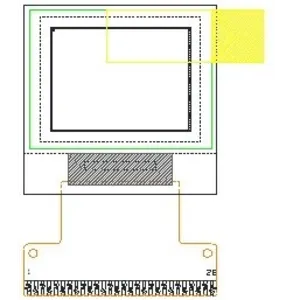
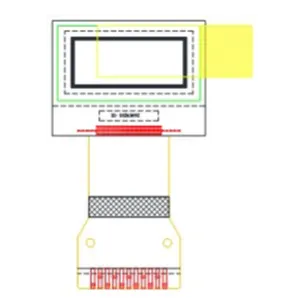
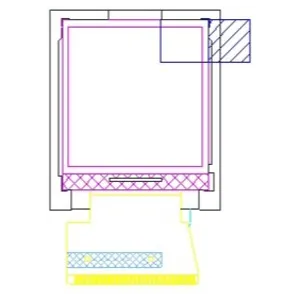
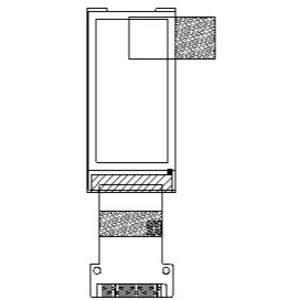
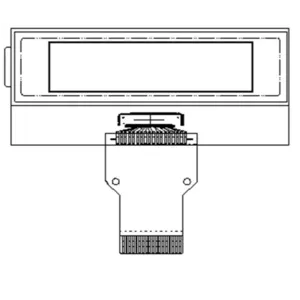
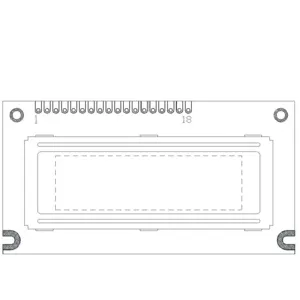
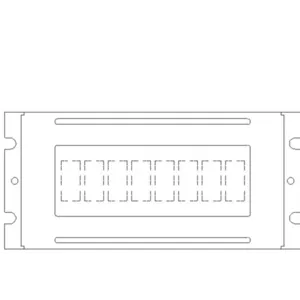
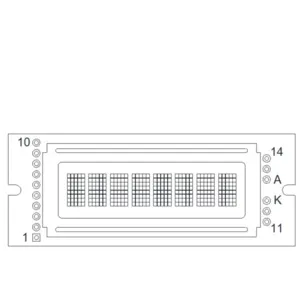
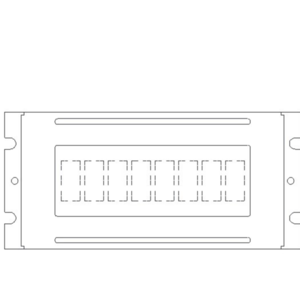
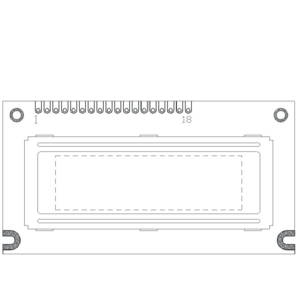
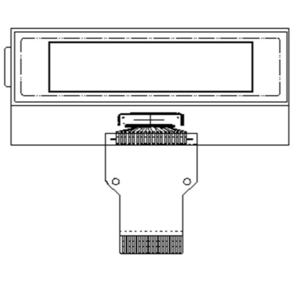
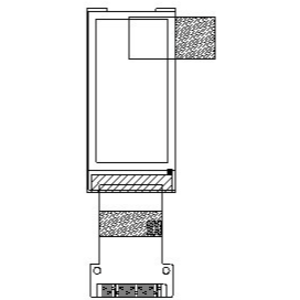
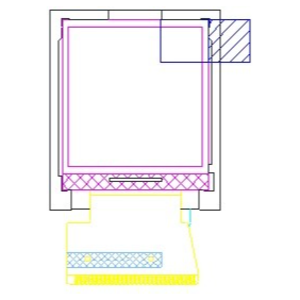
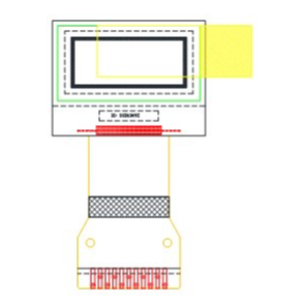
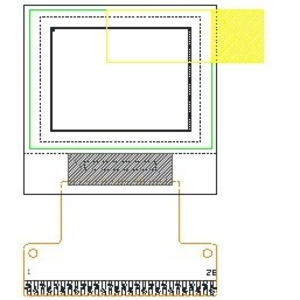
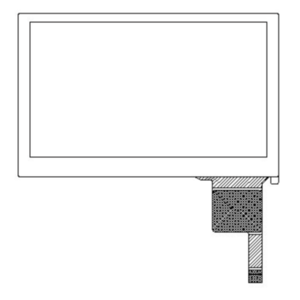
The catalogue details include monochrome LCM character types PLC0801BW and PLC0801CW (HS 8548.90) built on glass LCD panels with plastic frames and driver electronics. Graphic LCM types PLG1203BW and PHG1203D1 fall under HS 9013.80 and use glass substrates with TN liquid crystal or polyimide TFT stacks. TFT LCD modules PT0090816‑A0 and PT0151212‑A7, as well as various OLED modules (PTOG0703‑A0, PTOG0604‑A0) and a touch panel TPC‑043A16, are also classified under HS 9013.80, featuring glass substrates, TFT layers, OLED emissive layers or ITO conductive coatings.
Product Range and Specialties of Palm Technology Co., Ltd.
The listed products cover three main technology families: monochrome LCD character modules, TFT/graphic LCD panels and OLED display modules. In the industry, monochrome character LCDs typically employ a 5 × 7 dot matrix or 5 × 8 matrix, with a contrast ratio of 30:1 to 50:1 and a viewing angle of 45° to 60°. TFT LCD modules commonly offer resolutions from 640 × 480 px up to Full HD, brightness levels of 200 - 300 cd/m², and response times under 8 ms. OLED modules are characterised by emissive organic layers, achieving brightness of 300 - 500 cd/m², wide colour gamuts and response times below 1 ms. Buyers often request specifications such as colour depth, power consumption (typically 1 - 3 W for 5‑inch panels) and environmental ratings like IEC 60068 for temperature cycling.
Trade and Export Information - Palm Technology Co., Ltd.
Taiwan is a major exporter of electronic display components, leveraging a well‑developed supply chain for semiconductor and glass processing. HS 8548.90 covers parts of automatic data‑processing machines, which are frequently shipped to OEMs in mainland China, Southeast Asia and Europe for integration into consumer electronics and industrial equipment. HS 9013.80 includes other instruments such as display panels, commonly imported by automotive manufacturers, medical device makers and signage firms in the United States, Japan and the EU. HS 8541.40 relates to photosensitive semiconductor devices, a category where RoHS compliance, CE marking and ISO 9001 quality management are routinely demanded. Export shipments from Kaohsiung are typically packed in anti‑static foils, foam inserts and on wooden pallets, with standard Incoterms such as FOB Kaohsiung or CIF major Asian ports.
Sourcing from Palm Technology Co., Ltd. - Buyer Guidance
When sourcing from Palm Technology, buyers should request a full datasheet that lists panel size, resolution, brightness, contrast ratio, power consumption and operating temperature range. Sample units should be evaluated for colour uniformity, response time and durability under IEC 60068 environmental tests; a test report confirming compliance with RoHS and REACH is advisable before larger orders. Verify that the supplier can provide CE or UL certificates where required, and confirm packaging details (anti‑static bags, moisture‑absorbing desiccants) to protect the glass substrates during transit.
Frequently Asked Questions About Palm Technology Co., Ltd.
What types of display modules are listed by Palm Technology?
The catalogue includes monochrome character LCD modules, monochrome graphic LCD panels, TFT LCD modules, OLED display modules and a resistive touch panel, each identified with specific product codes.
Which HS codes apply to the listed products?
Monochrome character LCD modules are classified under HS 8548.90, while graphic LCD panels, TFT modules, OLED modules and the touch panel fall under HS 9013.80. One OLED entry also uses HS 8541.40 for photosensitive semiconductor devices.
How can a buyer obtain a sample of a TFT LCD module?
A buyer should contact the supplier to request a sample of the PT0090816‑A0 or PT0151212‑A7 series, specifying the required quantity (often a single unit) and requesting accompanying test reports for brightness and response time.
What certifications are typically required for these display products?
Importers usually ask for RoHS and REACH compliance certificates, CE marking for EU markets and, where applicable, UL or IEC safety approvals. Buyers should verify that these documents are provided before finalising a purchase.
What is a common minimum order quantity for the OLED modules?
While the supplier’s catalogue does not state a fixed MOQ, industry practice for OLED display panels ranges from 100 to 500 units depending on panel size and customization level.
What packaging standards are used for the glass LCD panels?
Glass LCD panels are generally packed in anti‑static bags, surrounded by foam padding, and placed on wooden pallets with moisture‑absorbing desiccants to prevent condensation during sea freight.
Which regions typically import these Taiwanese display components?
Key import regions include mainland China, Southeast Asian countries such as Vietnam and Thailand, the European Union, the United States and Japan, where they are integrated into consumer electronics, automotive displays and industrial signage.
What lead time should a buyer expect for a custom OLED module?
Custom OLED modules often require a lead time of 8 to 12 weeks, covering design finalisation, panel fabrication, driver integration and final quality testing.




 , Taiwan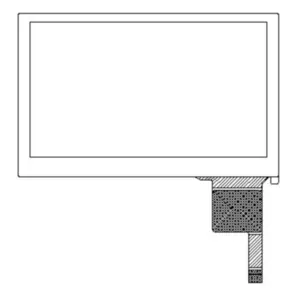








.jpg.png)