Agriculture›
 Apparel and fashion accessories›
 Construction & real estate›💡Electronic & Electrical›🍎Food & Beverages›🛋️Home furnishing & supplies›⚗️Industrial goods & chemical›🪨Minerals & metals›📦Miscellaneous›Agriculture›Apparel and fashion accessories›Construction & real estate›💡Electronic & Electrical›🍎Food & Beverages›🛋️Home furnishing & supplies›⚗️Industrial goods & chemical›🪨Minerals & metals›📦Miscellaneous›
Mutiara Anggraeni Product Catalog
About Mutiara Anggraeni - Printing Paper Supplier in Indonesia
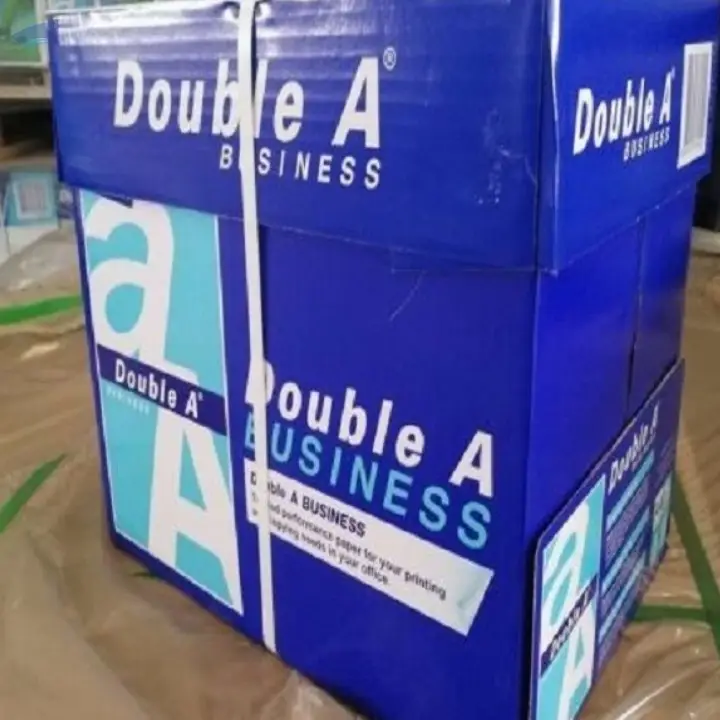
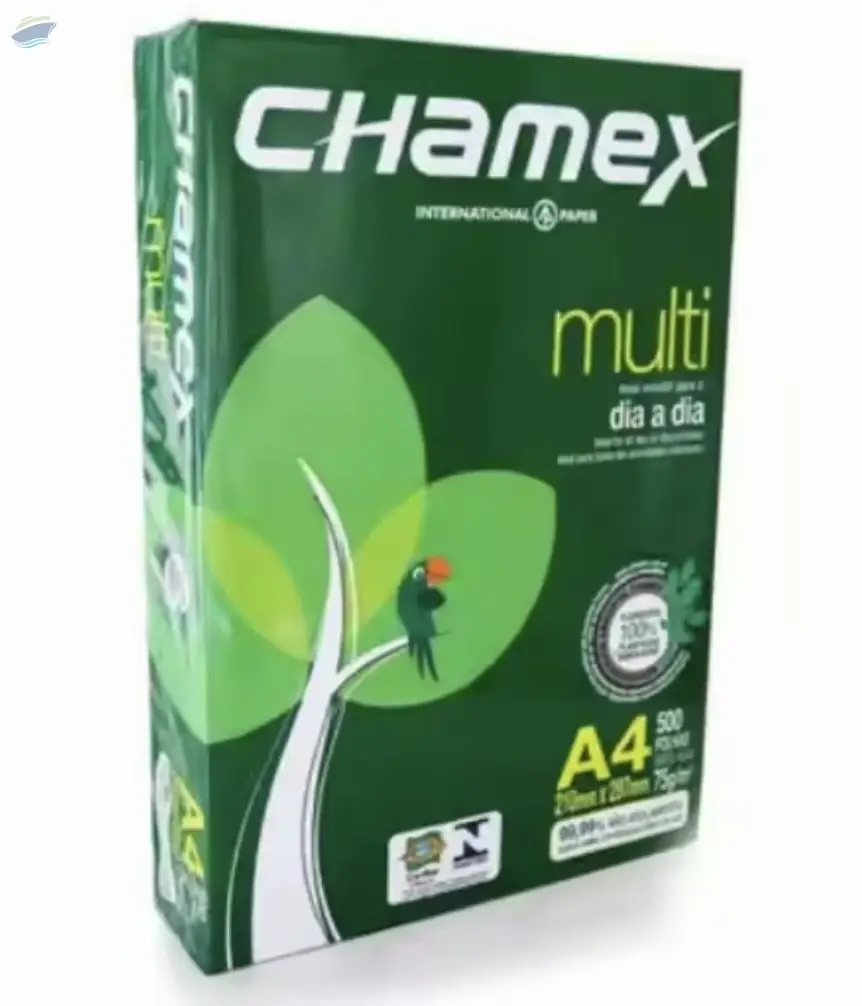
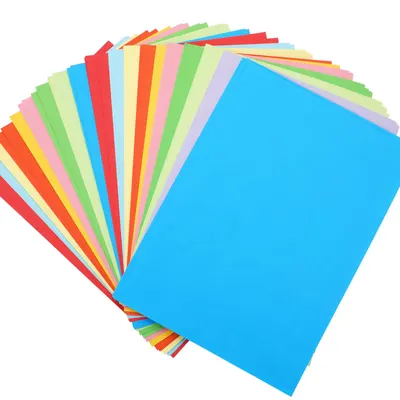
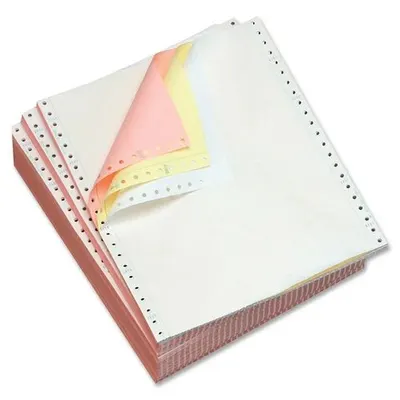
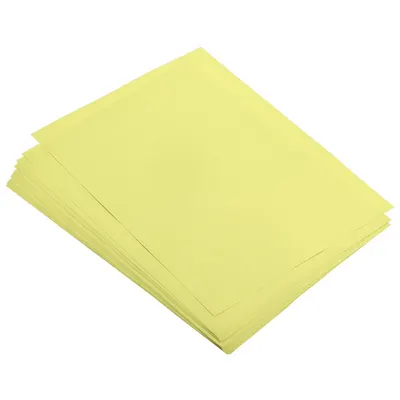
Indonesia, Sumatera Utara region hosts Mutiara Anggraeni which lists nine active paper products for export. The catalogue covers various grades of A4 copy paper ranging from 70 gsm to 80 gsm, including standard, double‑A, navigator and laser‑optimized variants. Products are classified under HS chapter 48, with codes 4802.55, 4802.56 and 4802.56.00, reflecting uncoated woodfree paper made from virgin wood pulp or cellulose fiber wood pulp. The supplier also mentions printed paper rolls and craft paper in its top‑category list, although detailed HS codes are not provided for those items.
The product titles indicate suitability for office printing, laser and ink‑jet applications, and high‑volume copier use. The listed materials are 100 % virgin wood pulp, cellulose fiber wood pulp and uncoated woodfree paper, which are typical inputs for ISO‑216 A4 sheets. Each item specifies a grammage range that aligns with common industry standards such as ISO 12647‑2 for copy paper. The absence of a specific HS code for the “A4 Double A Copy Paper” and “A4 Xerox Copy Paper” entries suggests they fall under the same 4802.56 family. Mutiara Anggraeni presents these items as part of a broader portfolio that also includes cartridge paper, poster paper and paper machinery.
Product Range and Specialties of Mutiara Anggraeni
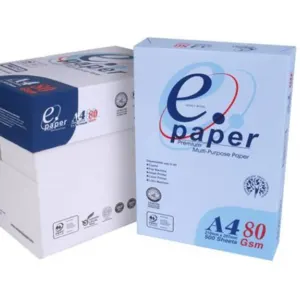
Mutiara Anggraeni’s catalogue focuses on A4 copy paper products with grammages of 70 gsm, 75 gsm and 80 gsm, covering standard office, laser and ink‑jet applications. The listed items use either 100 % virgin wood pulp or cellulose fiber wood pulp, which aligns with industry practice for uncoated woodfree paper. Typical specifications for this segment include ISO brightness of 90 % or higher, moisture content below 5 %, and a tensile strength of around 30 MPa. The product titles such as “Paperline”, “Double A” and “Navigator” correspond to common market naming conventions for high‑volume copier paper.
Beyond A4 sheets, the supplier’s top categories mention cartridge paper, poster paper, craft paper and paper machinery, indicating a broader paper‑processing portfolio. In the global market, cartridge paper is often supplied in weights of 120‑200 gsm for art and illustration, while poster and craft papers are typically offered in heavier grades (120‑250 gsm) with special surface finishes. Machinery for paper handling generally adheres to IEC safety standards and may be shipped as standalone units or as part of turnkey solutions.
Frequently Asked Questions About Mutiara Anggraeni
What types of A4 copy paper does Mutiara Anggraeni offer?
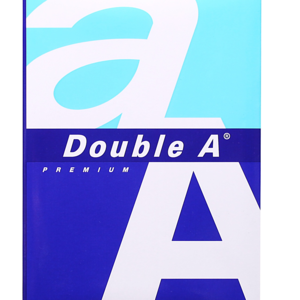
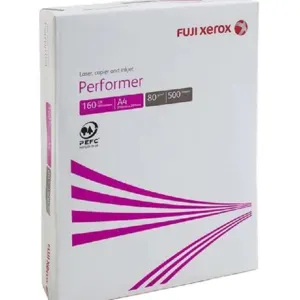
The supplier lists A4 copy paper in 70 gsm, 75 gsm and 80 gsm weights under several brand names such as Paperline, Double A, Paper One, Navigator, Laser and Xerox Performer. All items fall under HS code 4802.55 or 4802.56 and are made from virgin wood pulp or cellulose fiber wood pulp.
Which HS codes apply to the listed products?
The A4 Paperline, Double A, Paper One, Navigator, Laser and Xerox Performer papers are classified under HS chapter 48, specifically 4802.55 for virgin‑pulp paper and 4802.56 (or 4802.56.00) for uncoated woodfree paper. These codes are standard for uncoated copy paper in international trade.
What material specifications are typical for these papers?
The catalogue specifies 100 % virgin wood pulp or cellulose fiber wood pulp as the base material. In the industry, such papers usually meet ISO 12647‑2 brightness of 90 - 92 % ISO, moisture content between 4‑5 %, and pH in the neutral range (6.5‑7.5).
What certifications should a buyer request?
Buyers should request FSC or PEFC certification for sustainable sourcing, ISO 9001 quality‑management documentation, and any relevant test reports for brightness, moisture and tensile strength. While the supplier’s profile does not list certifications, these are commonly required for imported copy paper.
How is the paper typically packaged for shipment?
Copy paper is normally packed in reams of 500 sheets, shrink‑wrapped and grouped on pallets of about 1 000 kg. For container loads, a 20‑ft container can hold approximately 20 000 reams, while a 40‑ft container can accommodate about 38 000 reams.

 Indonesia
Related Suppliers & Products
Explore similar suppliers, related products and trending categories