24 Royal Bloom — Verified Manufacturer & Wholesale Supplier
About 24 Royal Bloom - Honey Supplier in India
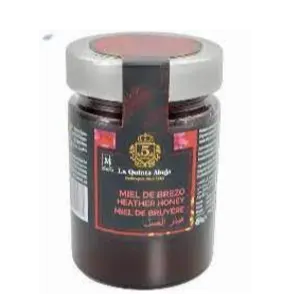
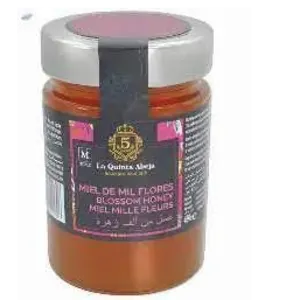
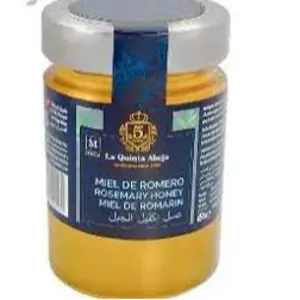
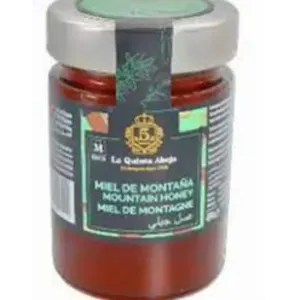
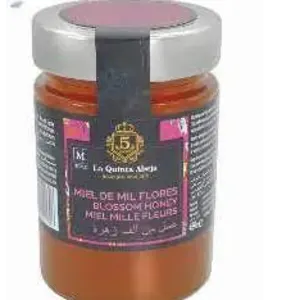
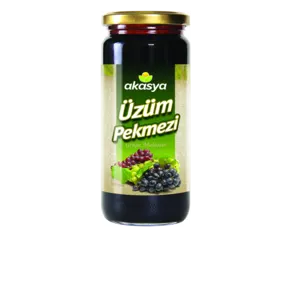
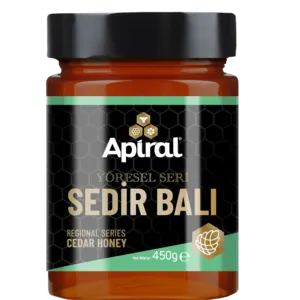
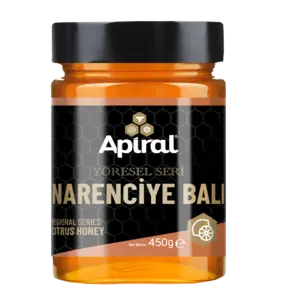
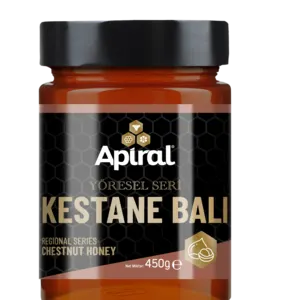
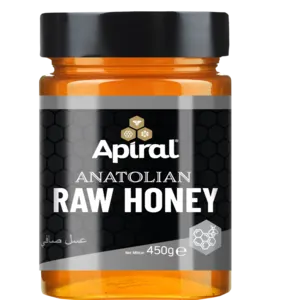
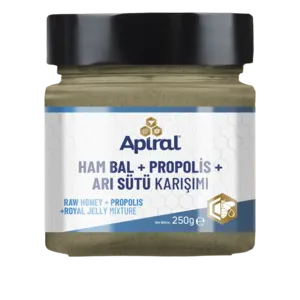
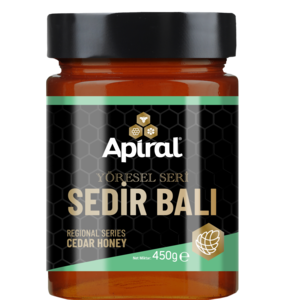
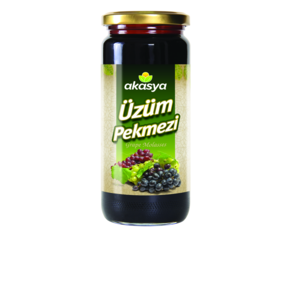
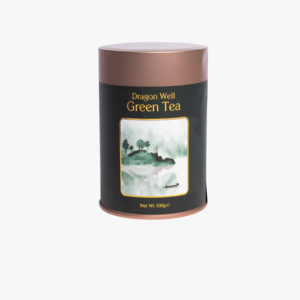
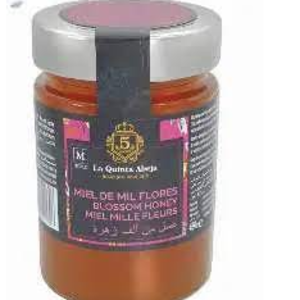
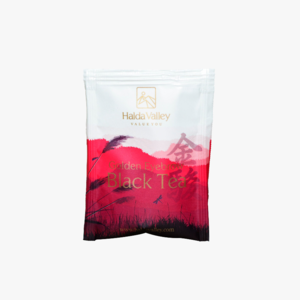
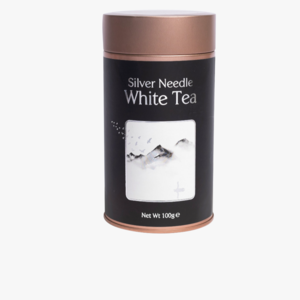
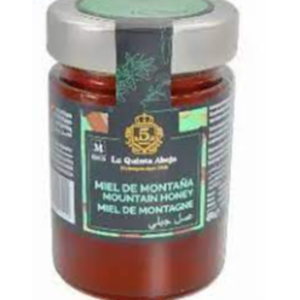
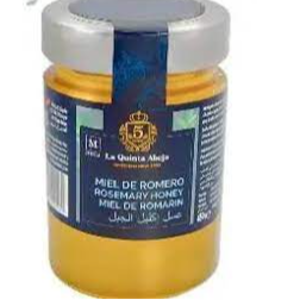
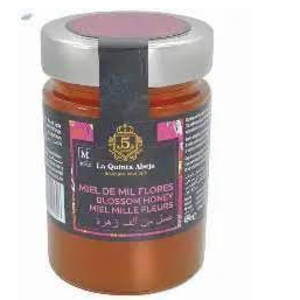
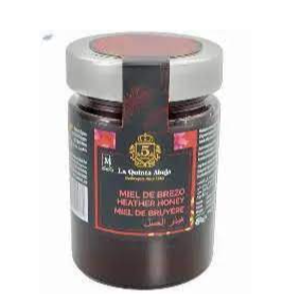
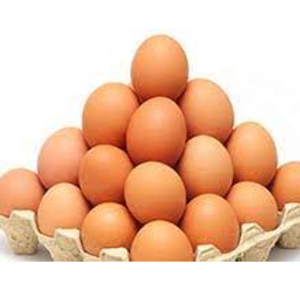
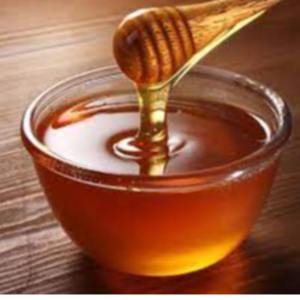
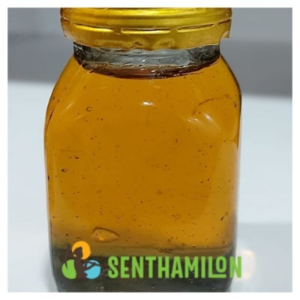
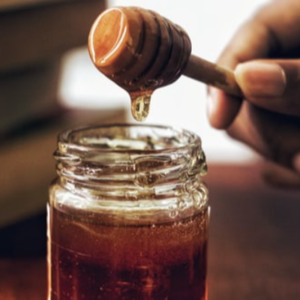
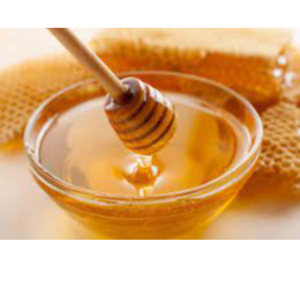
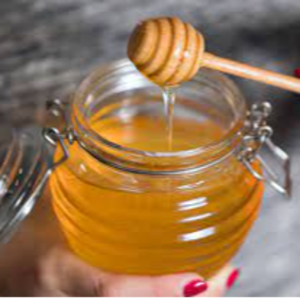
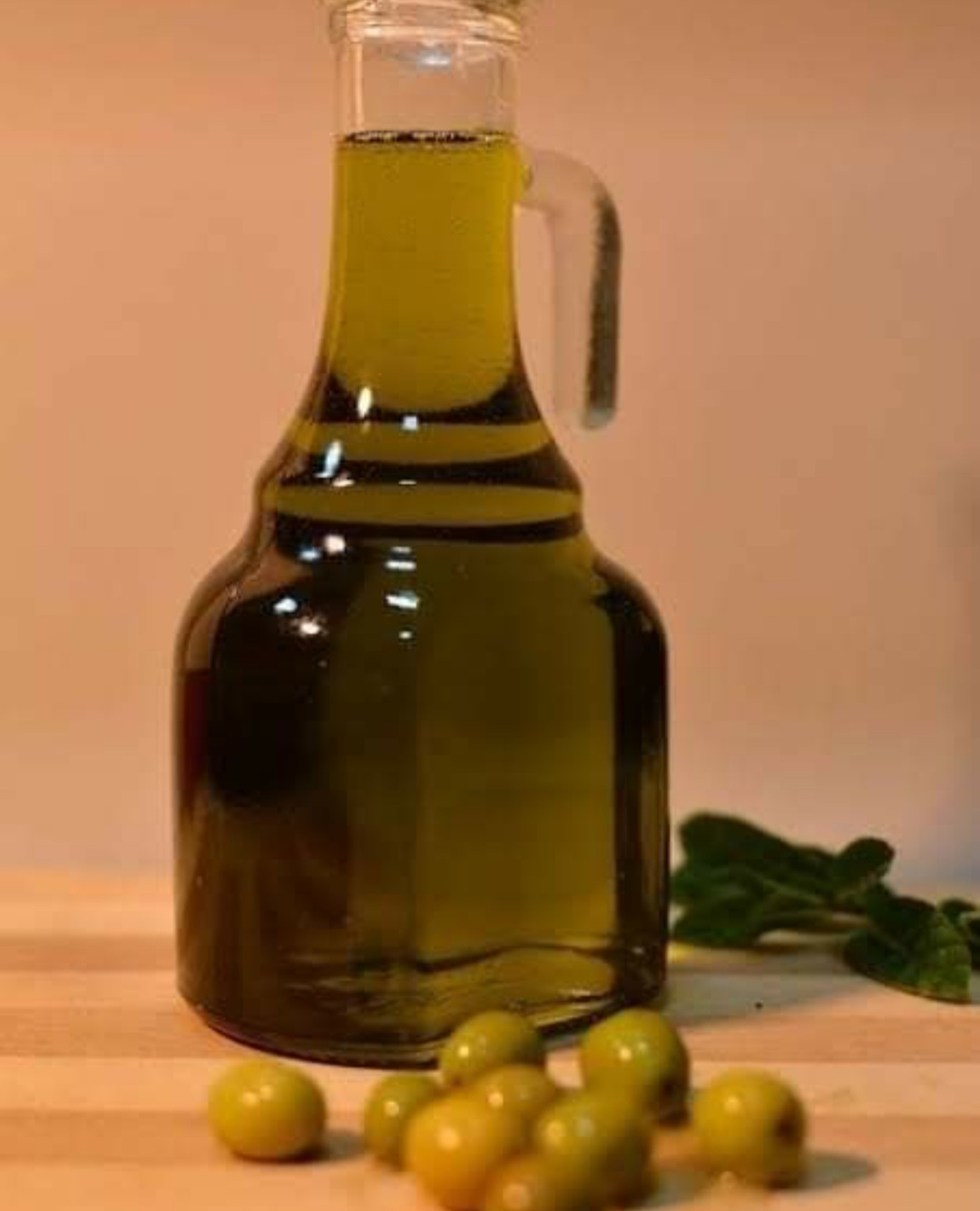
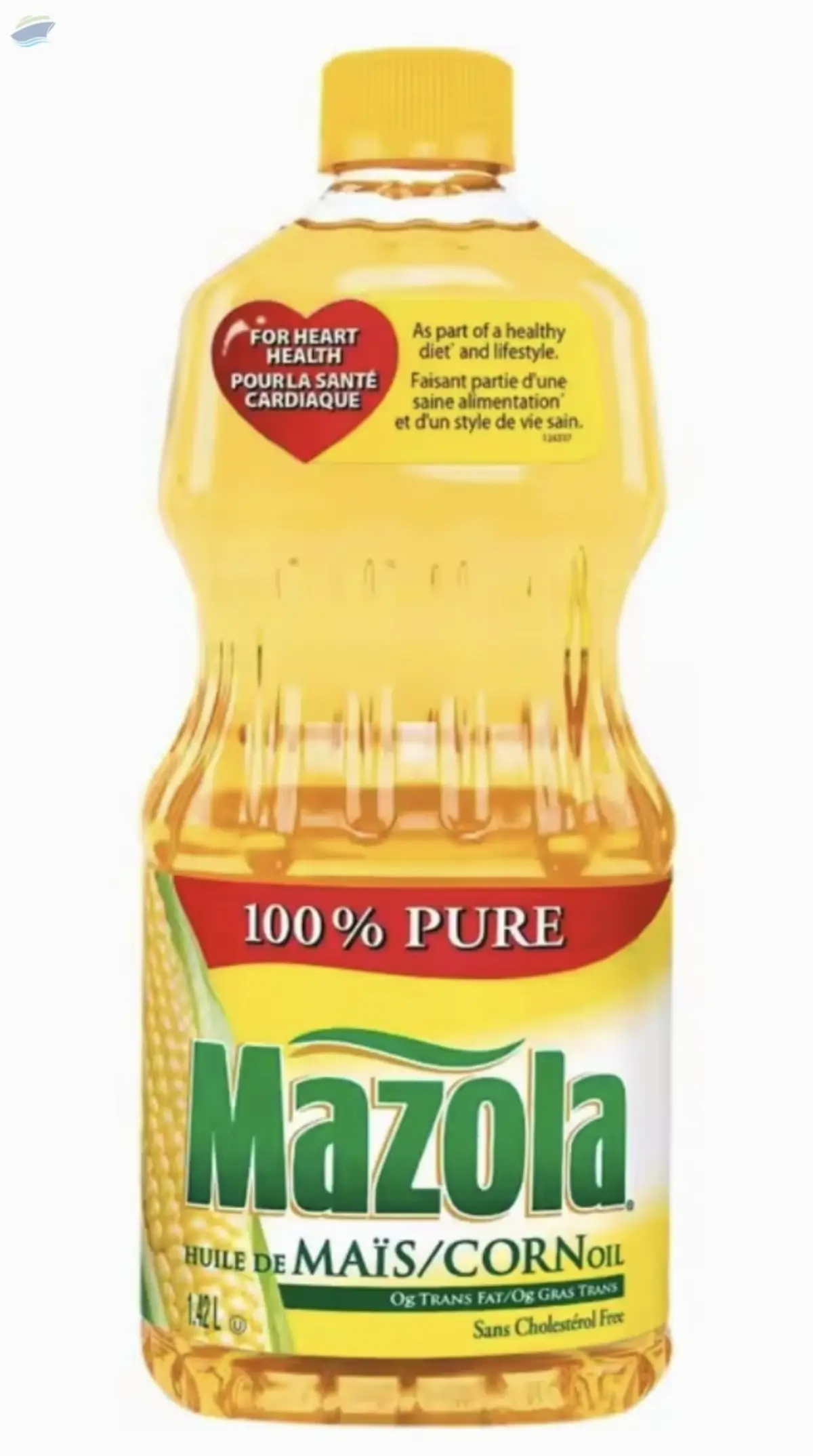
India, with 22 active products listed, is the source country for 24 Royal Bloom. The catalogue covers edible oils (HS 1507.90) derived from refined soybean, sunflower and palm oils, fresh and preserved olives (HS 0709.90, Olea europaea), fresh hen eggs (HS 0407.21), and home‑decor handicrafts made from wool, cotton, jute and silk blends (HS 5702.99). The company also supplies a range of teas under HS 0902 series, including Dragon Well green tea, Golden Eye black tea, Halda Valley Assam black tea, Red Robe oolong tea, and Silver Needle white tea, each identified by specific leaf origin. A substantial part of the listing consists of honey products under HS 0409.00, such as Manuka, Acacia, Eucalyptus, Buckwheat, and a variety of branded raw and blended honeys, plus grape molasses (HS 2009.69).
The product count of 22 reflects individual SKUs rather than aggregate volume. All items are classified according to the Harmonized System codes provided, enabling clear customs treatment. The supplier’s catalogue emphasizes agricultural and food items that are commonly sourced by Middle Eastern buyers, aligning with its stated market focus. No further corporate claims are included beyond the factual product and HS code information.
Product Range and Specialties of 24 Royal Bloom
The listed catalogue spans several agricultural categories. Edible oils are presented as refined soybean, sunflower and palm oils, which in trade are typically evaluated for free fatty acid content below 0.5 % and peroxide value under 10 meq O₂/kg. Olive products include fresh and preserved fruit; standard specifications involve firmness, oil content above 15 % and packaging in food‑grade drums. The honey portfolio covers monofloral and polyfloral varieties; industry grades are defined by moisture ≤ 20 %, HMF under 40 mg/kg and pollen analysis for floral source verification. Tea offerings fall under the 0902 HS chapter; orthodox teas are graded by leaf size (e.g., whole leaf, broken leaf) and moisture below 5 %, while oolong and white teas are assessed for oxidation level and tip percentage. Chicken eggs are traded as fresh hen eggs, with shell integrity, weight per dozen (≈ 600 g) and a maximum storage temperature of 5 °C. Handicraft home‑decor items are classified by material blend and are usually shipped in cartons complying with textile labeling standards.
Trade and Export Information - 24 Royal Bloom
India is a major exporter of agricultural commodities such as honey, tea, edible oils and olives. Typical destination regions include the Middle East, the European Union and North America, where buyers often require compliance with Codex Alimentarius standards and import‑specific phytosanitary certificates. HS 0409 (honey) shipments are frequently inspected for pesticide residues and must be accompanied by a certificate of origin; many importers also request ISO 22000 or HACCP certification for food safety. Tea products under HS 0902 are subject to moisture limits (< 5 %) and may need a fumigation certificate for certain markets. Edible oils (HS 1507) are commonly shipped in 20‑ft or 40‑ft containers using food‑grade drums, with CIF or FOB Incoterms quoted; the EU often mandates a free‑fat acid test and a GMO declaration. Olive consignments (HS 0709) are packed in vacuum‑sealed polyethylene bags or wooden crates, and a phytosanitary certificate is mandatory for EU entry. Grape molasses (HS 2009.69) is classified as a concentrated fruit product and is usually exported in bulk bags with a Certificate of Analysis confirming sugar content. Overall, Indian exporters follow the standard documentation package of commercial invoice, packing list, certificate of origin, phytosanitary certificate and, where applicable, organic certification.
Sourcing from 24 Royal Bloom - Buyer Guidance
When sourcing honey from 24 Royal Bloom, request a recent laboratory report that includes moisture content, HMF level, pollen spectrum and any pesticide residue analysis. Verify that the honey complies with the Codex standard for moisture (< 20 %) and that the supplier can provide a phytosanitary certificate and, if the product is marketed as organic, an accredited organic certification. For tea, ask for a moisture test (≤ 5 %), a pesticide residue report and a declaration of the leaf grade; bulk shipments should be inspected for proper sealing to prevent moisture ingress. Edible oil buyers should obtain free‑fat acid and peroxide value results, as well as an ISO 22000 or HACCP certificate, and confirm that the oil is packaged in food‑grade drums meeting ASTM D975 standards. Chicken egg orders require a temperature‑controlled logistics plan, a health certificate and a confirmation that the eggs meet the EU maximum limit for Salmonella. For olives, request a quality analysis covering firmness, oil content and a phytosanitary clearance. Ensure that all documents are presented before shipment to avoid customs delays.
Frequently Asked Questions About 24 Royal Bloom
How can I obtain a sample of the honey products?
Request a 500 g or 1 kg sample and ask the supplier to attach a recent laboratory analysis report showing moisture (≤ 20 %), HMF level and pollen source identification.
What certifications should I request for the edible oils?
Ask for a copy of the ISO 22000 or HACCP food‑safety certificate, a free‑fat acid test confirming acidity ≤ 0.5 % and a phytosanitary certificate if the oil is destined for the EU.
Which documents are required for importing the tea products?
Standard documentation includes a commercial invoice, packing list, certificate of origin and a laboratory report confirming moisture ≤ 5 % and compliance with EU pesticide residue limits.
What are the typical packaging and container options for the olives?
Olives are usually packed in 20 kg food‑grade plastic drums or vacuum‑sealed polyethylene bags; a 20‑ft container can hold roughly 800 kg of olives.
What is the minimum order quantity (MOQ) for the chicken eggs?
The usual MOQ is one 40‑ft refrigerated container, which can accommodate about 1 million fresh hen eggs, though smaller pallet loads may be negotiated.
Which HS code applies to the grape molasses and how is it shipped?
Grape molasses is classified under HS 2009.69 and is typically shipped in food‑grade drums or bulk bags, with a 20‑ft container holding up to 18 tons.
Are there any specific import restrictions for the raw honey blends?
Importers should verify that the honey meets the Codex standard for moisture (< 20 %) and that a valid phytosanitary certificate and, where claimed, an accredited organic certification are presented.
What Incoterms are commonly used for shipments from India?
Suppliers often quote CIF or FOB; CIF includes cost, insurance and freight to the destination port, while FOB requires the buyer to arrange freight from the Indian port of loading.




 , India