Agriculture›
Apparel and fashion accessories›
Construction & real estate›💡Electronic & Electrical›🍎Food & Beverages›🛋️Home furnishing & supplies›⚗️Industrial goods & chemical›🪨Minerals & metals›📦Miscellaneous›
Agriculture›
Apparel and fashion accessories›
Construction & real estate›💡Electronic & Electrical›🍎Food & Beverages›🛋️Home furnishing & supplies›⚗️Industrial goods & chemical›🪨Minerals & metals›📦Miscellaneous›

Market check · updated 5 Nov 2026
In Oct 2026, Coffee, Arabica averaged US$ 7,400 per tonne, down 16.9% on a year earlier. Coffee (Arabica) listings on EximNext ask between US$ 3,675 and US$ 7,558 per tonne. The world price is for a reference grade; ask the supplier for a firm quote for this product.
World reference · Coffee, Arabica, Oct 2026
US$ 7,400 / tonne
-16.9% vs Oct 2025
Asking prices on EximNext
US$ 3,675 – 7,558 / tonne
Middle half of 14 coffee (arabica) listings with a per-tonne price · median US$ 5,500
This listing
US$ 4,000–6,000 / tonne
| Coffee, Arabica | Oct 2025 · 8,900 | Oct 2026 · 7,400 |
|---|
Sources: World Bank Commodity Price Data (Pink Sheet), Oct 2026; EximNext listings, 5 Nov 2026.
For buyers · landed cost
Price filled in from PT. Tatiki Anak Banka's listed price; change it to your offer. Duty: WITS / UNCTAD TRAINS most-favoured-nation rate for HS 0901.11. Exchange rate: European Central Bank, 4 Nov 2026. Freight, insurance, port charges and VAT are not included.
World trade · 2025
Imports, US$ million
Exports, US$ million
These figures cover HS 0901: coffee (green and roasted), not coffee (arabica) alone.
Source: UN Comtrade, HS 0901, 2025, as reported by each country.
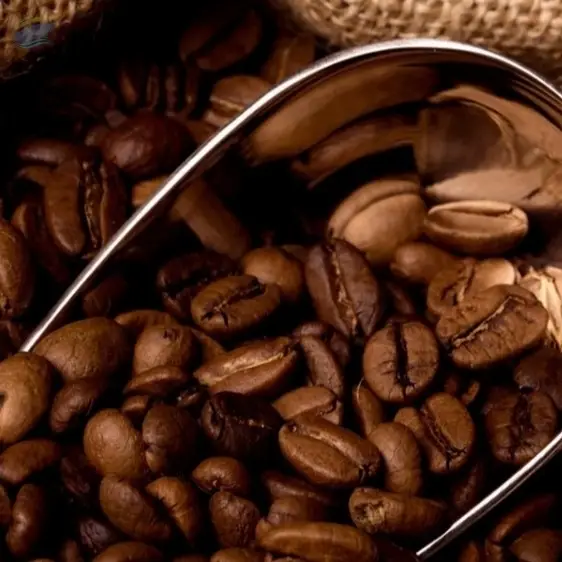
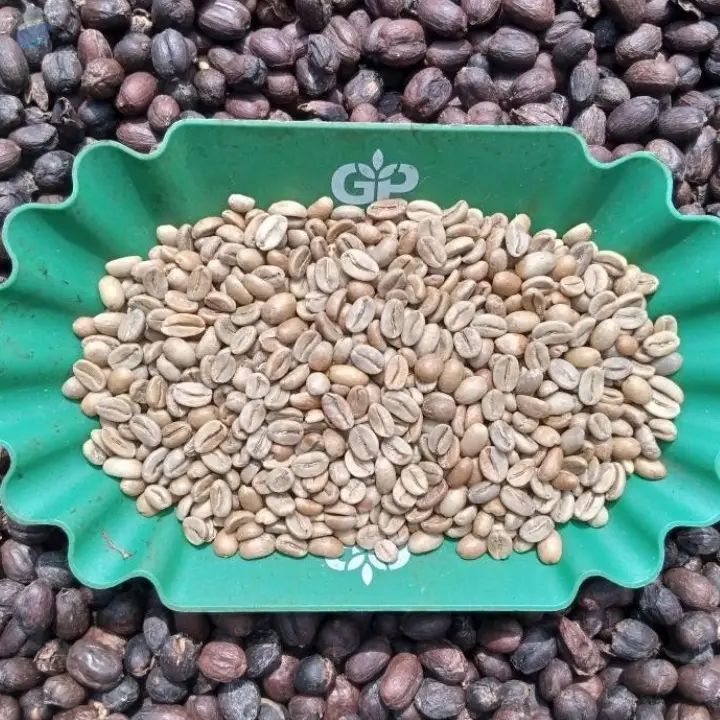
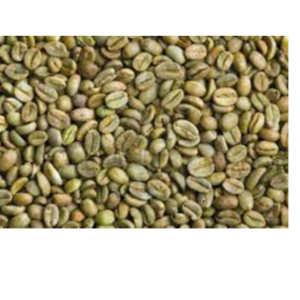
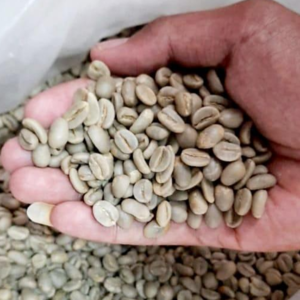
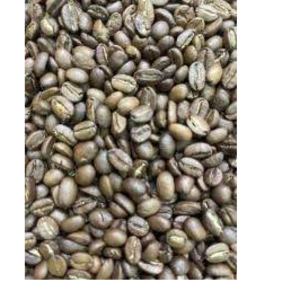
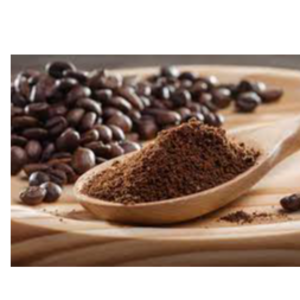
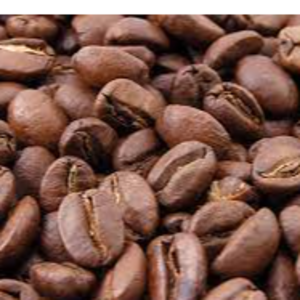
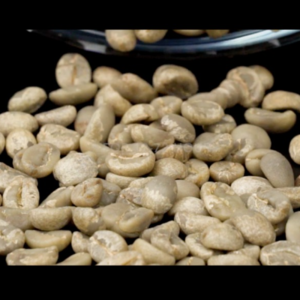
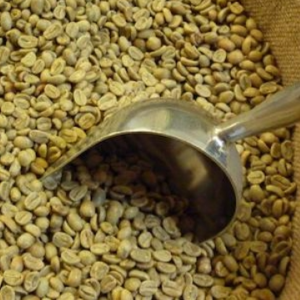
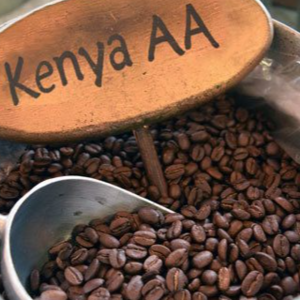
PT. Tatiki Anak Banka offers Arabica coffee beans sourced from three distinct Indonesian regions: Gayo Aceh in the Gayo highlands, Lintong in Sumatra, and Kintamani. The beans are cultivated at altitudes of 1300 to 1500 metres above sea level, a range that enhances their flavour complexity. The supplier provides Grade 1, Grade 2, and commercial-grade beans, processed through semi-wash (wet hulled), full wash (dry hulled), natural dry, or honey dry methods.
The moisture content of these beans is maintained at 12 to 13 percent, which is standard for specialty Arabica to preserve freshness and prevent spoilage during transit. Defect rates are controlled between 1 and 2 percent, a typical benchmark for premium green coffee exports. Arabica beans from these regions are known for their balanced acidity, medium body, and notes of citrus or floral undertones, depending on the processing method.
These beans are primarily sourced by roasters and specialty coffee traders seeking consistent quality for single-origin offerings. Buyers often confirm bulk availability, processing method preferences, and packaging options before placing orders. The origin-specific profiles make them suitable for both filter and espresso applications, with traceability tied to the stated growing regions.
| Product Type | Arabica Coffee Beans (Green) |
| Origin Regions | Gayo Aceh, Lintong (Sumatra), Kintamani |
| Altitude | 1300 - 1500 MDPL |
| Grade | 1, 2, Commercial |
| Processing Methods | Semi Wash (Wet Hulled), Full Wash (Dry Hulled), Natural Dry, Honey Dry |
| Moisture Content | 12 - 13% |
| Defect Rate | 1 - 2% |
| Typical Bean Size | 10 - 12 mm (standard for Indonesian Arabica) |
| Typical Screen Size | 15 - 18 (standard for specialty Arabica) |
| Typical Cup Profile | Balanced acidity, medium body, citrus/floral notes (varies by region) |
PT. Tatiki Anak Banka operates from Pangkalpinang in Bangka Belitung, Indonesia. The company specialises in sourcing Arabica coffee beans from high-altitude regions, with a focus on maintaining traceability from farm to export. Its harbor-tier trust status reflects a baseline level of verification, though response metrics are not currently available.
The supplier’s product range includes multiple processing methods and grades, catering to buyers with specific requirements for green coffee. While the profile does not list certifications or client references, the regional focus on Gayo, Lintong, and Kintamani suggests a commitment to origin-specific quality. Buyers are advised to request updated verification details directly.
| Business Type | Supplier |
| Year Established | Recently Joined |
| Employees | Contact Supplier |
| Annual Revenue | Contact Supplier |
| Main Products | View Products Tab |
| Major Markets | Global |
| Response Time | Contact Supplier |
| Response Rate | New Supplier |
Before ordering, verify the specific origin region and processing method, as these directly impact flavour and pricing. Confirm whether the beans are available as green or pre-roasted, and request a sample to evaluate cup quality. Check that the supplier can provide lot-specific data for altitude and defect rates.
Logistics details to confirm include packaging type (typically jute or PP bags), net weight per bag (standard is 20 or 25 kg), and port of shipment. Clarify Incoterms, as FOB is common for Indonesian coffee exports, and ensure payment terms align with your risk tolerance. Lead times may vary by region and season.
For quality assurance, request moisture content and defect rate test results from a certified lab. Inspect a sample for uniformity in size, colour, and absence of foreign matter. Ensure the supplier provides a phytosanitary certificate and, if required, organic or Fair Trade certification. Document all agreements in writing before proceeding.
Active buying requirements from importers looking for Similar products
Compare alternatives, find similar products and connect with suppliers
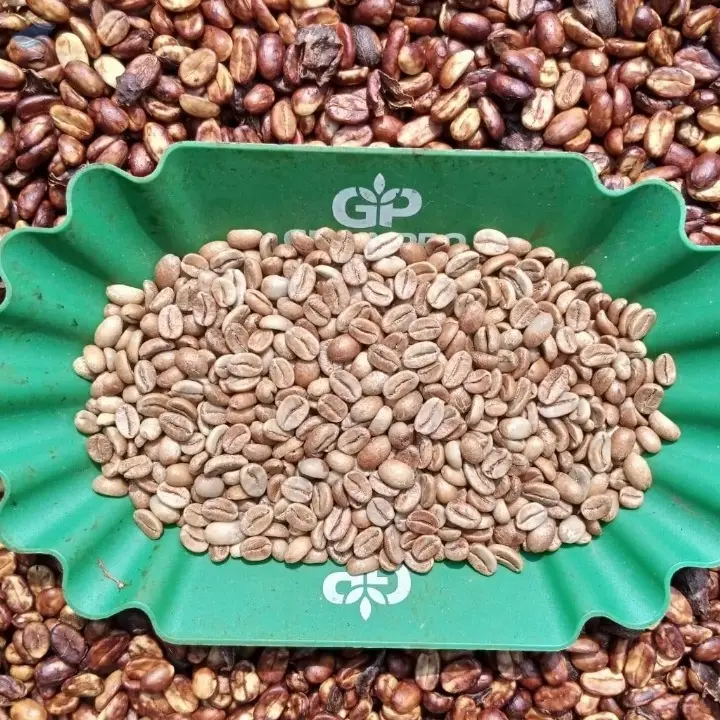
When sourcing Coffee Beans Arabica for your business, securing the right balance of quality and cost is essential. PT. Tatiki Anak Banka, a supplier based in Indonesia, offers this product for international export. By purchasing directly from the manufacturer or authorized exporter, buyers can negotiate favorable FOB prices starting at $4 – $6 / Kilogram and manage bulk orders efficiently. This product is a staple in the Coffee Beans sector with strong demand from importing countries worldwide.
Importing Coffee Beans Arabica requires careful attention to shipping logistics, customs compliance, and secure payment terms. PT. Tatiki Anak Banka offers flexible shipping options such as Full Container Load (FCL) or Less than Container Load (LCL) via sea freight. Common payment methods for international B2B transactions include Letter of Credit (L/C), Telegraphic Transfer (T/T), and Documents against Payment (D/P). All transactions and RFQs are facilitated through EximNext, a leading global B2B marketplace designed to make cross-border trade secure and efficient.
Finding trustworthy partners is the foundation of successful importing. Ask the supplier of this Coffee Beans Arabica for business registration and quality documents before ordering. Whether you are a distributor, wholesaler, or procurement manager, you can request a free quotation, ask for product samples, and finalize your bulk purchase with confidence. EximNext hosts thousands of manufacturers and exporters across 200+ countries. Explore similar products in the Coffee Beans category and connect with top-tier exporters on our comprehensive import export marketplace. Start your sourcing journey today.
Importing Coffee Beans Arabica requires careful attention to shipping logistics, customs compliance, and secure payment terms. Common shipping options include Full Container Load (FCL) or Less than Container Load (LCL) via sea freight. Buyers should verify import duties in their destination country. Common payment methods include Letter of Credit (L/C), Telegraphic Transfer (T/T), and Documents against Payment (D/P).
The current listed wholesale price for Coffee Beans Arabica from PT. Tatiki Anak Banka is $4 – $6 / Kilogram on FOB terms from Indonesia. Prices may vary depending on order volume, packaging, and destination. For the most accurate bulk quote, send a direct RFQ to PT. Tatiki Anak Banka through EximNext.
The supplier, PT. Tatiki Anak Banka, provides Coffee Beans Arabica for bulk export. Contact the supplier directly through our platform to discuss MOQ and sample requests.
The HS Code classification for Coffee Beans Arabica depends on the specific grade and form. Contact PT. Tatiki Anak Banka through EximNext for the exact HS Code and customs documentation required for your destination country.
To import Coffee Beans Arabica from Indonesia, negotiate shipping terms (FOB, CIF, or EXW) directly with PT. Tatiki Anak Banka. Ensure you have the necessary import licenses for Coffee Beans products in your destination country.
Open the PT. Tatiki Anak Banka company profile on EximNext to see the details the company has provided. Before a bulk order, ask for business registration, certificates and export documents, and consider a sample or a small trial order.
For a complete technical data sheet or Certificate of Analysis (COA), send an inquiry directly to PT. Tatiki Anak Banka through EximNext.
PT. Tatiki Anak Banka offers Coffee Beans Arabica with standard export packaging. Custom packaging, private labeling, and OEM/ODM options may also be available for large wholesale orders.
Coffee Beans Arabica is actively imported by buyers worldwide. Request a destination-specific CIF or CFR quote from PT. Tatiki Anak Banka through our platform.
PT. Tatiki Anak Banka maintains international quality certifications. These ensure that the Coffee Beans Arabica meets international quality, safety, and regulatory standards required for cross-border trade.
Click "Request Quotation" on this product page, specify your required quantity, preferred shipping terms, and destination country. PT. Tatiki Anak Banka will respond with a detailed wholesale quote including FOB pricing, lead time, and payment options.
Common payment methods include Letter of Credit (L/C), Telegraphic Transfer (T/T), Documents against Payment (D/P), and Escrow services. Confirm accepted terms directly with PT. Tatiki Anak Banka.
Discover more products in Coffee Beans from suppliers worldwide.