Zonpak New Materials Co., Ltd. — Supplier
About Zonpak New Materials Co., Ltd. - PP (Polypropylene) Plastic Bags Supplier in China
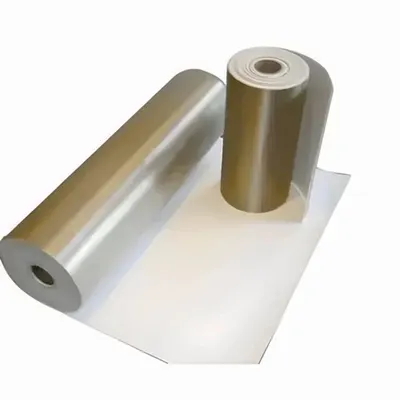
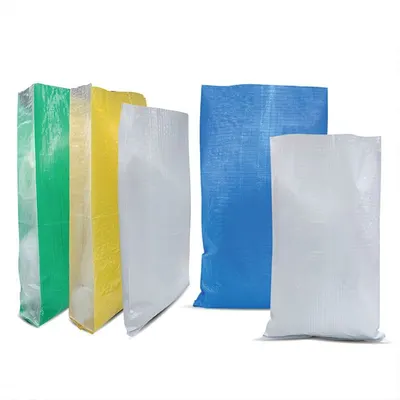
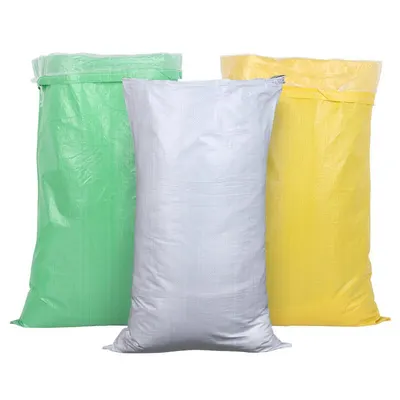
China-based Zonpak New Materials Co., Ltd. lists five active products in its catalogue. The company’s portfolio focuses on EVA‑based packaging solutions, including Eva Batch Inclusion Bags, Low Melt Eva Valve Bags, Low Melt Eva Film for Automatic FFS Packaging, Low Melt Eva Bags, and Eva Film Roll for Automatic FFS Packaging. These items fall under broader categories such as polypropylene plastic bags, general packaging bags, laminates and packaging machinery as indicated in the top categories. The product set is targeted at manufacturers that require melt‑processable films and bags for form‑fill‑seal (FFS) lines. The catalogue does not provide HS codes, so classification typically aligns with HS chapter 39 for plastic packaging.
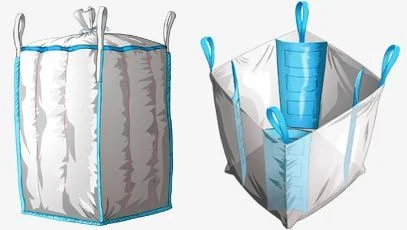
The five products are described using the material abbreviation EVA, a copolymer of ethylene and vinyl acetate that offers flexibility at low melt temperatures. The batch inclusion bags and valve bags are designed for bulk material handling, while the film rolls and low‑melt films serve as carriers in high‑speed packaging machines. Zonpak’s listing does not specify dimensions, thicknesses or melt flow indices, which are commonly defined by buyers in the packaging film market. The company is classified under the “harbor” trust tier, indicating a moderate level of verification on the platform.
Product Range and Specialties of Zonpak New Materials Co., Ltd.
Zonpak’s current catalogue comprises five EVA‑based items: Eva Batch Inclusion Bags, Low Melt Eva Valve Bags, Low Melt Eva Film for Automatic FFS Packaging, Low Melt Eva Bags, and Eva Film Roll for Automatic FFS Packaging. These products are typically supplied in rolls ranging from 500 mm to 2 000 mm width and thicknesses between 30 µm and 150 µm, depending on the melt index required for the packaging line. In the broader EVA film market, grades are distinguished by vinyl acetate content (e.g., 18 % to 33 %) which influences flexibility and sealability, and by melt flow index values from 2 to 10 g/10 min for low‑melt applications.
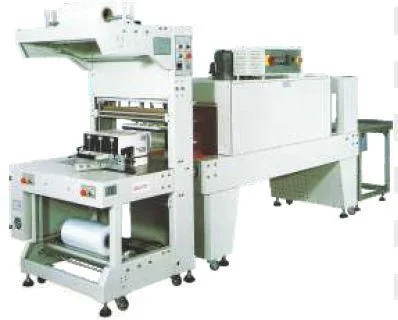
Buyers of EVA packaging often request additional specifications such as tensile strength (≥ 15 MPa), elongation at break (≥ 400 %), and puncture resistance values. Laminates that incorporate EVA films are frequently combined with PET or BOPP layers to achieve barrier properties, and the resulting composite is classified under HS 3923 for plastic sheets, films and bags. Packaging machinery listed as a top category may include FFS sealers and bag makers, which are usually coded under HS 8422 for machinery for working rubber or plastics.
Trade and Export Information - Zonpak New Materials Co., Ltd.
China remains a leading exporter of plastic packaging films and bags, with the majority of shipments destined for North America, the European Union and Southeast Asian markets. EVA‑based films and bags fall under HS chapter 39, particularly sub‑heading 3923.90 for other plastic sheets, and are subject to export documentation such as a commercial invoice, packing list, and a certificate of origin. Commonly required certifications for Chinese plastic film exporters include ISO 9001 quality management, REACH compliance for chemical safety, and, where food contact is intended, FDA or EU NF EN ISO 22000 approvals.
Logistics for the five listed items typically involve 20‑foot or 40‑foot containers, with film rolls packed on pallets using stretch‑wrap to protect against moisture. Incoterms such as FOB Shanghai or CIF Europe are frequently employed. Buyers should verify that the supplier can provide material safety data sheets (MSDS) and test reports for melt flow index, tensile strength and migration limits, as these are standard checkpoints in the packaging film supply chain.
Sourcing from Zonpak New Materials Co., Ltd. - Buyer Guidance
When sourcing EVA packaging from Zonpak, buyers should request a detailed specification sheet that lists vinyl acetate content, film thickness, width, melt flow index and mechanical properties. Samples of the film roll or bag should be examined for uniformity, sealability at the intended low melt temperature (typically 80‑120 °C), and compatibility with the buyer’s packaging equipment.
It is advisable to obtain laboratory test reports confirming tensile strength, elongation, puncture resistance and any relevant food‑contact migration limits before placing a purchase order. Buyers should also ask for the supplier’s export certificates, MSDS and any third‑party inspection reports, and confirm the packaging format (e.g., palletized rolls or bulk bags) and the lead time for production, which for low‑melt EVA films commonly ranges from 15 to 30 days.
Frequently Asked Questions About Zonpak New Materials Co., Ltd.
What material are the listed products made from?
All five items are manufactured from ethylene‑vinyl acetate (EVA) copolymer, a flexible plastic commonly used for low‑temperature melt applications in packaging.
Which HS codes are applicable to these products?
EVA films and bags are generally classified under HS chapter 39, most often under sub‑heading 3923.90 for other plastic sheets, films and bags.
What thickness and width options are typically offered?
Suppliers of EVA film usually provide widths between 500 mm and 2 000 mm and thicknesses from 30 µm up to 150 µm, though exact dimensions should be confirmed with the seller.
What certifications should a buyer request?
Buyers should request ISO 9001 quality management, REACH compliance documentation, and, if the product will contact food, FDA or EU food‑contact certificates.
What is a typical minimum order quantity (MOQ) for EVA film rolls?
MOQs for EVA film rolls often start at one 20‑foot container, roughly 1 000 kg of material, but the exact figure depends on the buyer’s required dimensions and thickness.
How long does production and delivery usually take?
Standard lead times for low‑melt EVA films and bags range from 15 to 30 days after order confirmation, with shipping time varying by destination and chosen Incoterm.
How are the products packaged for export?
Film rolls are typically palletized and stretch‑wrapped to protect against moisture, while bags are boxed or placed in bulk containers; both are loaded into 20‑foot or 40‑foot containers for overseas shipment.




 , China