Agriculture›
 Apparel and fashion accessories›
 Construction & real estate›💡Electronic & Electrical›🍎Food & Beverages›🛋️Home furnishing & supplies›⚗️Industrial goods & chemical›🪨Minerals & metals›📦Miscellaneous›Agriculture›Apparel and fashion accessories›Construction & real estate›💡Electronic & Electrical›🍎Food & Beverages›🛋️Home furnishing & supplies›⚗️Industrial goods & chemical›🪨Minerals & metals›📦Miscellaneous›
Zonda Group China Product Catalog
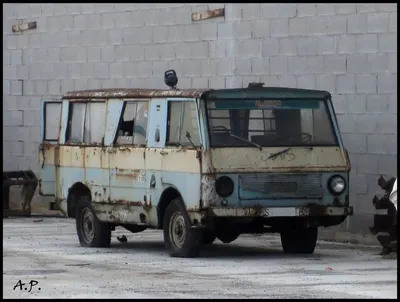


About Zonda Group China - Cars, Jeeps & Vans Supplier in China
Zonda Group China operates out of China and lists five active vehicle products in its catalogue. The supplier’s active product count is five, all of which are bus models identified as B7 series bus, B6 series bus, City series bus, A9 series bus and A7 series bus. These entries fall under the broader automotive category of Cars, Jeeps & Vans, which in trade classifications is typically recorded under HS chapter 87 for motor vehicles. The catalogue does not provide further technical specifications, but the product names indicate distinct model families that are common in municipal and inter‑city transport fleets. No additional company history, employee numbers or financial data are supplied.
Zonda Group China’s listing focuses exclusively on complete bus units rather than components or spare parts. Each series name suggests a separate chassis or body configuration that manufacturers often differentiate by length, passenger capacity and engine placement. In the Chinese bus manufacturing sector, model families such as those listed are usually offered in lengths ranging from 10 to 12 metres, seating capacities of 30‑50 passengers, and equipped with diesel or CNG powertrains that meet national emission standards. The supplier’s catalogue does not specify engine type, emission level or interior finish, so buyers should seek those details directly.
Product Range and Specialties of Zonda Group China
The supplier’s catalogue enumerates five bus series: B7, B6, City, A9 and A7. In the global bus market, series designations typically correspond to variations in chassis length, wheelbase, door configuration and optional low‑floor designs for urban use. Standard industry grades for buses include compliance with Euro VI or China VI emission standards, structural strength measured by chassis frame tensile tests, and interior durability specifications such as seat fabric abrasion resistance (e.g., 2000 rub cycles). Buyers often compare buses on metrics like engine power (kW), fuel consumption (L/100 km), and passenger flow capacity. While Zonda Group China’s listing does not provide these figures, the series names suggest a product line that can be matched to these common industry parameters.
trade=[
Frequently Asked Questions About Zonda Group China
What bus models does Zonda Group China list in its catalogue?
The catalogue lists five models: B7 series bus, B6 series bus, City series bus, A9 series bus and A7 series bus.
How can a buyer obtain technical specifications for a specific bus series?
Buyers should request a detailed product data sheet from the supplier, which normally includes engine type, power output, dimensions, seating capacity and emission standard compliance.
Which certifications are typically required for importing buses from China?
Importers usually ask for ISO 9001 quality‑management certification, ISO 14001 environmental certification, and the vehicle type‑approval document that proves compliance with the destination country’s safety and emission regulations.
What shipping methods are commonly used for complete buses?
Complete buses are most often shipped by Roll‑on/Roll‑off (RoRo) vessels or on flat‑rack containers, with Incoterms such as FOB Shanghai or CIF to the buyer’s port.
What documentation should be verified before finalising a purchase?
Key documents include the commercial invoice, packing list, Certificate of Origin, ISO certifications, type‑approval certificates, and a pre‑shipment inspection report.
 China
Related Suppliers & Products
Explore similar suppliers, related products and trending categories