Friends Auto Industries — Verified Manufacturer & Wholesale Supplier
About Friends Auto Industries - Automobile Spare Parts & Supplies Supplier in India
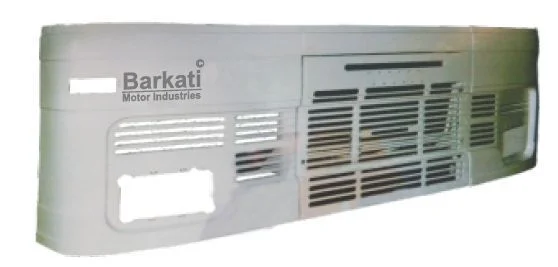
Friends Auto Industries is located in Banaskantha, Gujarat, India and lists twelve active products in its catalogue. The company’s catalogue covers metal components for light commercial vehicles, trucks and motorcycles, with HS codes primarily in Chapter 87 (vehicle parts) such as 8708.99, 8708.29 and a single entry under 9401.79 for cabin structures. Products include TATA LP Cabin Show, TATA SE Cabin Show, Mahindra Nissan Roof Top and various door assemblies for TATA LPT, HYWA, ACE and EICHER models. Each entry specifies metal as the base material, ranging from steel and aluminum alloys to cast iron and multi‑metal automotive grade alloys. The listing also contains a generic entry for Isuzu Truck Body Parts without an HS code.
The supplier states the capability to manufacture any metal part to customer specifications, covering sheet metal components, jute‑machinery spares and office cabin structures. Materials cited include alloy steel, cast iron, aluminum, copper‑based alloys and reinforced rubber composites, reflecting the material diversity typical for automotive spare parts. The active product count of twelve indicates a focused portfolio rather than a broad mass‑production line. No additional claims about capacity or certifications are provided in the supplied data.
Product Range and Specialties of Friends Auto Industries
Friends Auto Industries offers metal cabin and body parts for Tata trucks (LP, LPT, HYWA, ACE) and other brands such as Mahindra and Isuzu. The HS‑code 8708.99 covers “parts and accessories of motor vehicles” while 8708.29 relates to “other parts and accessories of motor vehicles, of metal”. In the automotive aftermarket, typical specifications include steel grade S355 for structural components, aluminum alloy AA6061 for lightweight panels, and cast‑iron grades for brake housings. Rubber‑reinforced composites are used for vibration‑damping mounts, and buyers commonly request material test reports (tensile strength, hardness) and dimensional drawings conforming to ISO 9001 quality management.
For cabin structures classified under HS 9401.79, the industry expects compliance with fire‑retardant standards (e.g., EN 13501‑1) and surface‑finish tolerances of ±0.5 mm. Sheet‑metal components are often supplied in standard coil widths and cut to size, packed in wooden crates or steel drums to protect against corrosion during sea freight.
Trade and Export Information - Friends Auto Industries
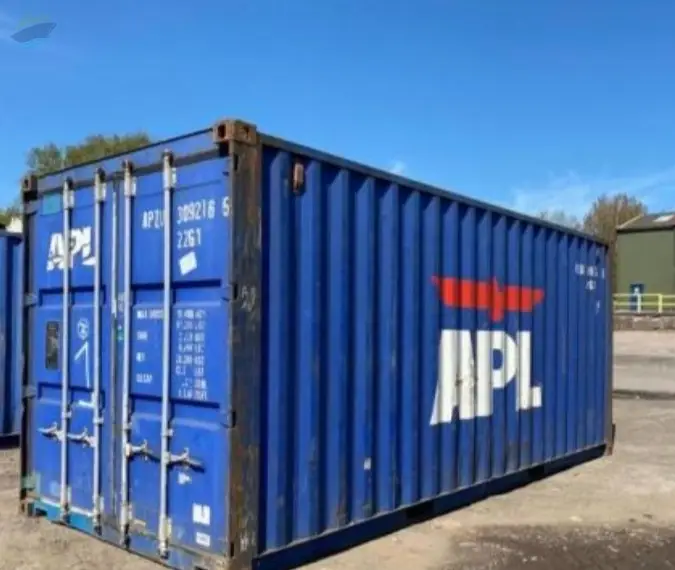
India is a major exporter of automotive spare parts, with shipments frequently directed to the Middle East, Africa, Southeast Asia and Latin America. Products under HS 8708.* are subject to customs inspections that verify material composition and conformity with vehicle type approvals. Commonly required certifications for Indian exporters include ISO 9001, IATF 16949 for automotive quality, and CE marking for parts entering the European market. Export logistics usually involve 20‑foot or 40‑foot containers, with parts packed in wooden pallets, shrink‑wrapped, and labeled with HS code and country of origin.
Importers typically request a Certificate of Origin, commercial invoice, packing list and, where applicable, a test report confirming alloy grade and mechanical properties. For cabin structures (HS 9401.79) fire‑safety certificates and compliance with local vehicle safety regulations are often mandatory. Indian exporters may benefit from duty‑drawback schemes under the Merchandise Exports from India Scheme (MEIS) for qualified automotive components.
Sourcing from Friends Auto Industries - Buyer Guidance
When sourcing metal spare parts from Friends Auto Industries, buyers should request material certificates that specify steel grade, tensile strength (e.g., ≥355 MPa for S355) and corrosion‑resistance treatment. Samples of critical components such as door assemblies or cabin panels should be examined for dimensional accuracy against ISO 2768 tolerances. Verification of compliance with IATF 16949 or ISO 9001 is advisable before placing larger orders.
Buyers should also confirm the packaging format - whether parts are delivered in pre‑assembled kits, bulk coils or individual crates - and ensure that the shipping terms (e.g., FOB Banaskantha or CIF destination port) are clearly defined. Requesting a pre‑shipment inspection report can help validate that the HS codes declared (8708.99, 8708.29, 9401.79) match the actual goods.
Frequently Asked Questions About Friends Auto Industries
What type of metal materials does Friends Auto Industries provide for automotive parts?
The catalogue lists steel, alloy steel, cast iron, aluminum, copper‑based alloys and reinforced rubber composites, which are standard materials for vehicle body and cabin components.
Which HS codes are associated with the listed products?
Most items fall under HS 8708.99 (parts and accessories of motor vehicles) or HS 8708.29 (other metal parts of motor vehicles); the cabin structures are coded as HS 9401.79 (other furniture, metal).
Are there any certifications mentioned for the supplier?
No specific certifications are recorded in the supplied data; buyers should request copies of ISO 9001 or IATF 16949 certificates if required for their procurement standards.
What documentation should a buyer request before ordering?
Typical documents include a material test report, Certificate of Origin, commercial invoice, packing list and, for cabin parts, a fire‑safety compliance certificate.
What are the typical packaging methods for these metal parts?
Exporters usually pack metal components in wooden crates or pallets, shrink‑wrap them, and load them into 20‑ft or 40‑ft containers to protect against corrosion and mechanical damage.
Which markets commonly import Indian automotive spare parts?
The Middle East, African nations, Southeast Asian countries and some Latin American markets are frequent importers of Indian‑made vehicle parts.
What is the minimum order quantity or lead time for custom metal parts?
Lead times depend on part complexity but generally range from 4 to 8 weeks; minimum order quantities are not stated in the catalogue and should be confirmed directly with the supplier.




 Banaskantha, India