Agriculture›
 Apparel and fashion accessories›
 Construction & real estate›💡Electronic & Electrical›🍎Food & Beverages›🛋️Home furnishing & supplies›⚗️Industrial goods & chemical›🪨Minerals & metals›📦Miscellaneous›Agriculture›Apparel and fashion accessories›Construction & real estate›💡Electronic & Electrical›🍎Food & Beverages›🛋️Home furnishing & supplies›⚗️Industrial goods & chemical›🪨Minerals & metals›📦Miscellaneous›
Zibo Yitze Blinds Co., Ltd.
⚓ Harbor , ChinaNew supplier / no reviews yet
Zibo Yitze Blinds Co., Ltd. Product Catalog
About Zibo Yitze Blinds Co., Ltd. - Curtains Supplier in China
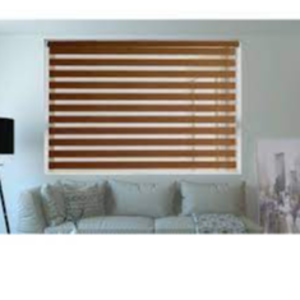
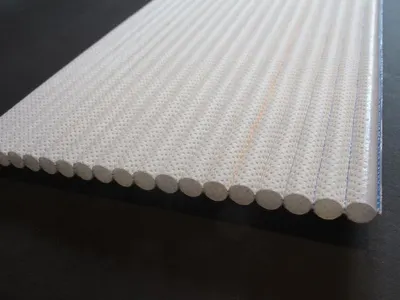
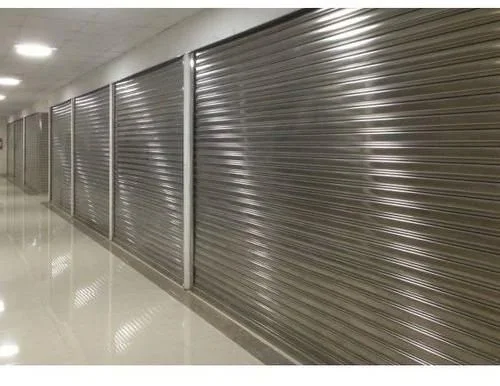
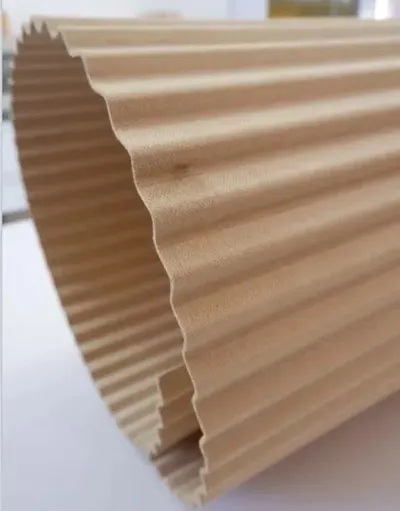
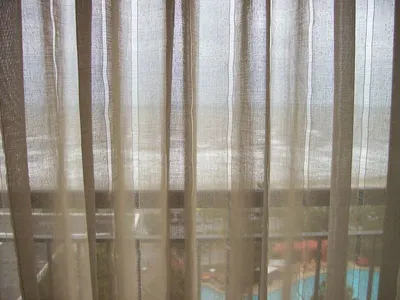
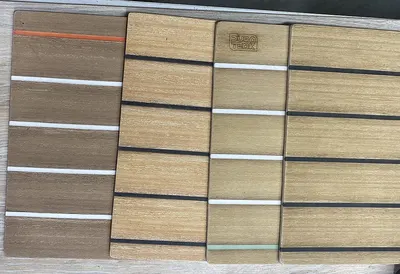
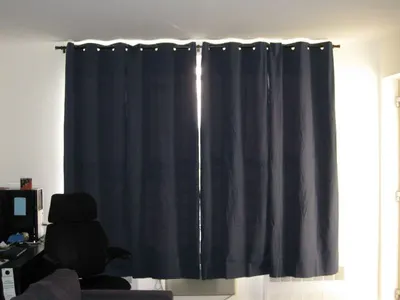
China hosts Zibo Yitze Blinds Co., Ltd. with an active catalogue of six distinct blind and shutter products. The company lists items under the broader categories of Curtains, Aluminum and Wooden Products, matching the top categories reported in its catalogue. Among the six offerings are motorized blinds, zebra blinds, bamboo venetian blinds, aluminum louver blinds (HS code 7616.99, material extruded aluminum alloy), wooden shutters and honeycomb blinds. Each product is positioned for interior window treatment applications, and the HS‑code family 7616.xx groups the aluminum louver blinds with other aluminium building components. The supplier’s catalogue does not include any additional product families beyond these six items.
The product set covers both automated and manual operation types, with materials ranging from extruded aluminium alloy to natural bamboo and hardwood. Motorized blinds typically incorporate low‑voltage DC motors and remote or app control, while zebra blinds combine alternating sheer and opaque fabric panels. Bamboo venetian blinds use split bamboo slats, and honeycomb blinds feature a cellular core that improves insulation. Wooden shutters are listed without a specific HS code but fall under wood‑based building components, and the aluminium louver blinds are classified under HS 7616.99, a code commonly used for aluminium profiles and fittings.
Product Range and Specialties of Zibo Yitze Blinds Co., Ltd.
The catalogue includes six products: motorized blinds, zebra blinds, bamboo venetian blinds, aluminium louver blinds (HS 7616.99, extruded aluminium alloy), wooden shutters and honeycomb blinds. In the blind industry, motorized systems are often rated by motor torque (e.g., 2 - 5 Nm) and power supply (12‑24 V DC). Zebra blinds are manufactured with fabric weights between 150‑250 g/m² and typically use a dual‑track mechanism. Bamboo venetian blinds use split bamboo slats of 20‑30 mm width, treated for moisture resistance. Aluminium louver blinds are produced from extruded aluminium alloy meeting ASTM B221 specifications, with louver thickness usually 0.5‑1.0 mm and finish RAL colour codes. Wooden shutters are commonly made from hardwoods such as oak or teak, with panel thickness of 15‑25 mm and grade A surface finish. Honeycomb blinds employ a cellular structure with core depths of 15‑30 mm, providing an R‑value of approximately 2.0‑3.5 m²·K/W per panel.
Industry standards for these categories often reference ISO 9001 quality management, CE marking for EU markets, and fire‑performance classifications such as EN 13501‑1 for curtain‑type products. Typical buyers request material data sheets, UV‑resistance test results for fabrics, and load‑capacity certificates for aluminium louvers.
Frequently Asked Questions About Zibo Yitze Blinds Co., Ltd.
What product categories does Zibo Yitze Blinds Co., Ltd. list in its catalogue?
The catalogue lists six items: motorized blinds, zebra blinds, bamboo venetian blinds, aluminium louver blinds (HS 7616.99, extruded aluminium alloy), wooden shutters and honeycomb blinds.
Which HS code applies to the aluminium louver blinds?
The aluminium louver blinds are classified under HS code 7616.99, which covers other aluminium building components and fittings.
What material is used for the aluminium louver blinds?
They are made from extruded aluminium alloy, typically conforming to ASTM B221 aluminium extrusion standards.
What certifications should a buyer request for these blinds?
Buyers should ask for CE Declaration of Conformity, REACH safety data sheet, fire‑performance test reports (e.g., EN 13501‑1), and material certificates for aluminium components.
What are typical lead times and minimum order quantities for custom blinds from this supplier?
Custom orders usually require a lead time of 30‑45 days after final design approval, with minimum order quantities ranging from 200 to 500 units per style.
ChinaRelated Suppliers & Products
Explore similar suppliers, related products and trending categories