Zhenjiang Speed Horse Machinery I&e Co., Ltd. — Supplier
About Zhenjiang Speed Horse Machinery I&e Co., Ltd. - Marine Equipment Supplier in China
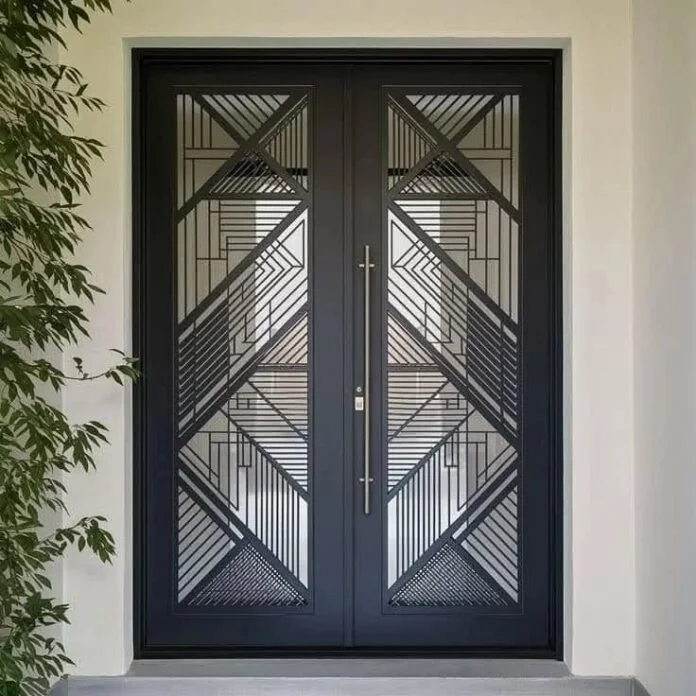
China hosts the Zhenjiang Speed Horse Machinery I&e Co., Ltd. which maintains an active catalogue of 26 distinct marine‑related products. The catalogue spans doors, windows, ladders, manhole covers, flanges and specialised industrial shoes, reflecting the top categories listed by the supplier. Products such as Marine Light Weathertight Door and Marine Single‑Leaf Aluminum Weathertight Door are coded under HS 7308.30 and HS 7610.10 respectively, indicating steel and aluminum door families. Additional items like the ANSI Flange‑ANSI B 16.5 fall under HS 7307.19, while the Marine Aluminum Fixed Rectangular Window is recorded under HS 9403.90. The supplier’s list therefore covers both metallic structural components and safety‑critical fittings used in shipbuilding and offshore installations.
The product set includes several marine‑grade doors with EPDM rubber sealing, carbon‑steel fire‑rated doors, and aluminium sliding doors that meet typical marine corrosion standards. Ladder offerings range from vertical aluminium pipe ladders to steel gangway ladders, all described without specific dimensional data. Manhole covers are offered in Type‑A and Type‑B variants, and flanges are supplied in carbon steel or stainless‑steel grades. Each entry references the material class - such as Aluminum Alloy 5052‑H32 or Stainless Steel 316L - used by the supplier to meet marine environment requirements. The catalogue therefore provides a concise snapshot of the supplier’s marine equipment portfolio, anchored by HS‑code classifications and material specifications.
Product Range and Specialties of Zhenjiang Speed Horse Machinery I&e Co., Ltd.
The catalogue presents a variety of marine doors, windows and ladders constructed from aluminium alloys (commonly 5052‑H32 or 6061‑T6) and marine‑grade carbon or stainless steels (often 316L). In the broader industry, marine doors are typically tested to SOLAS fire‑rating standards (e.g., EN 13845) and must meet watertight integrity criteria of 0.5 mm water ingress per hour for a 2 m² panel. Aluminium marine windows are usually supplied in accordance with ISO 9001‑based dimensional tolerances and may carry a surface finish of anodised or powder‑coated treatment to resist salt‑water corrosion. Ladders for ship decks are frequently fabricated to EN 131‑2 specifications, with load‑bearing capacities of 2 kN per rung for aluminium and up to 3 kN for steel models. Flanges conform to ANSI/ASME B16.5 dimensions, with pressure classes ranging from Class 150 to Class 900, and are often supplied with mill test reports confirming chemical composition.
Industry practice also distinguishes between fire‑rated doors (often classified as B15, A15 or A60 series) that incorporate intumescent seals and anti‑pressure doors designed for rapid closure under impact. Typical steel doors fall under HS 7308.30, while aluminium doors are classified under HS 7610.10, reflecting the material distinction in customs documentation. Customisation is common; buyers frequently request specific opening widths, hinge types, or reinforced frames to meet classification society requirements such as ABS or DNV‑GL. The supplier’s product list aligns with these standard grades and specifications, providing a basis for further technical clarification.
Trade and Export Information - Zhenjiang Speed Horse Machinery I&e Co., Ltd.
China remains one of the world’s largest exporters of marine equipment, leveraging a mature shipbuilding sector and extensive metal‑fabrication capacity. Export shipments of marine doors, ladders and flanges are routinely destined for shipyards and offshore operators in Southeast Asia, the Middle East, Europe and North America, where compliance with SOLAS, ABS and DNV‑GL standards is mandatory. HS 7308 series codes cover steel doors and related hardware, HS 7610 series covers aluminium doors, HS 7307 targets flanges, and HS 9403 addresses aluminium windows; customs authorities in importing countries often request accompanying mill test reports and conformity certificates for these codes.
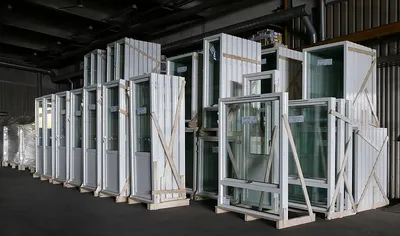
Typical trade terms include FOB Shanghai or CIF major ports such as Rotterdam and New York, with products packed in wooden crates, steel frames or bulk‑bag containers depending on size. Buyers usually arrange third‑party inspections - e.g., SGS or Bureau Veritas - to verify material certificates, corrosion‑resistance coating thickness, and fire‑rating performance before cargo release. Chinese export regulations require an export license for certain steel grades and a declaration of compliance with environmental standards like ISO 14001 for manufacturing facilities.
Sourcing from Zhenjiang Speed Horse Machinery I&e Co., Ltd. - Buyer Guidance
When sourcing marine doors or ladders from this supplier, request the mill test report (MTR) for the specific aluminium alloy (e.g., 5052‑H32) or steel grade (e.g., 316L) to confirm chemical composition and mechanical properties. Verify that the product complies with the relevant classification society standards - SOLAS fire‑rating for doors, EN 131‑2 for ladders, and ANSI B16.5 for flanges - and ask for test certificates such as fire‑seal integrity, corrosion‑coating thickness and load‑bearing test results. It is also prudent to obtain a product data sheet that lists dimensions, weight, finish, and any optional accessories like hinges or gaskets.
Before placing an order, confirm the HS code that will be used for customs clearance, ensure the supplier can provide the required documentation (MTR, CE marking where applicable, and any classification society approval), and clarify packaging details such as pallet size, crate dimensions and protective wrapping. For custom‑size doors or ladders, request a pre‑production sample or 3‑D drawing to validate fit‑ment and finish. Establish the expected lead time - typically 4‑6 weeks for standard items and 8‑12 weeks for customised orders - and agree on an Incoterm (FOB or CIF) that aligns with your logistics strategy.
Frequently Asked Questions About Zhenjiang Speed Horse Machinery I&e Co., Ltd.
What material grades are used for the marine doors listed in the catalogue?
The marine doors are supplied in marine‑grade carbon steel (often with anti‑corrosion coating) and aluminium alloys such as 5052‑H32 or 6061‑T6. Stainless‑steel variants use grade 316L for enhanced corrosion resistance.
Which HS codes apply to the supplier’s marine ladders?
Ladders made from aluminium are generally classified under HS 7308.30 (metal structures) while steel ladders fall under the same HS 7308.30 family. The catalogue does not list a separate HS code for ladders, so the broader steel/aluminium structural code is used.
What certifications should a buyer request for the marine doors?
Buyers should request mill test reports, fire‑rating certificates (e.g., EN 13845 or SOLAS), and any classification society approvals such as ABS or DNV‑GL. If the doors are intended for EU markets, a CE conformity declaration may also be required.
What are the typical lead times for standard versus custom marine doors?
Standard door models are usually delivered within 4‑6 weeks after order confirmation. Custom dimensions, finishes or fire‑rating upgrades can extend the lead time to 8‑12 weeks, depending on tooling and testing requirements.
How are the marine windows packaged for export?
Marine windows are typically packed in wooden crates with foam padding to protect the aluminium frames and glazing. The crates are then placed on standard 40‑foot containers, secured with strapping to prevent movement during transit.
Can the supplier provide mill test reports for the flanges?
Yes, the supplier lists ANSI Flange‑ANSI B 16.5 under HS 7307.19 and can supply mill test reports that detail carbon‑steel or stainless‑steel composition, pressure class and dimensional tolerances.
What documentation is needed to clear customs for the steel doors?
Customs clearance generally requires the commercial invoice, packing list, the HS code declaration (7308.30), and the mill test report confirming the steel grade and coating specifications.
Are there any standard packaging sizes for the aluminium ladders?
Aluminium ladders are normally shipped in flat‑packed crates sized to fit standard 20‑foot or 40‑foot containers, with protective wooden pallets and shrink‑wrap to prevent corrosion during transit.




 , China