Zhengzhou Yuke Glass Technology Co., Ltd. — Supplier
About Zhengzhou Yuke Glass Technology Co., Ltd. - Glass Products Supplier in China
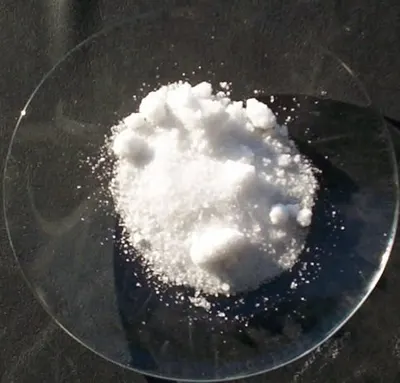
Zhengzhou, China hosts Zhengzhou Yuke Glass Technology Co., Ltd., which currently lists six active products in its catalogue. The company’s offerings fall under glass chemical treatments, including various glass frosting powders, a glass etching powder, and a complete glass bottle auto‑frosting production line. The product titles reference YK‑I Glass Frosting Powder, Non‑Fingerprint Glass Frosting Powder, generic Glass Frosting Powder, a common‑effect frosting powder, Glass Etching Powder, and the production line equipment. All items are categorized under the broader groups of Glass Colors, Glass & Glass Products, and Industrial Chemicals as indicated in the supplied data. No additional product categories or quantities are disclosed beyond these six entries.
The catalogue does not provide HS codes or certification claims, so the listed items are presented solely by their descriptive names. The supplier is classified as an imported, harbor‑tier supplier in the provided trust tier system. The focus on frosting and etching powders suggests a specialization in surface‑treatment chemicals for glassware and packaging applications. The inclusion of a production line indicates capability to supply equipment for automated frosting processes.
Product Range and Specialties of Zhengzhou Yuke Glass Technology Co., Ltd.
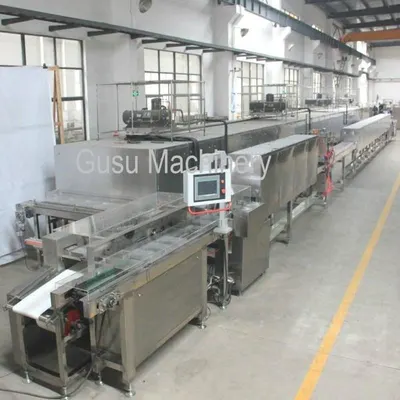
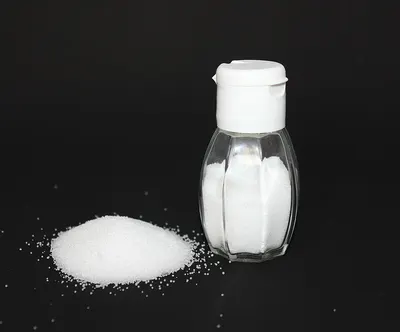
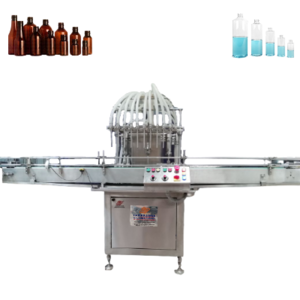
The listed products comprise four variants of glass frosting powder - YK‑I, Non‑Fingerprint, a generic formulation, and a common‑effect type - each designed to create a uniform matte finish on flat or curved glass surfaces. In the glass‑treatment industry, frosting powders are typically graded by particle size (10‑30 µm), opacity measured in percent transmission, and chemical composition based on silica, alumina, and surfactants. The Glass Etching Powder is a chemically active compound, often formulated with hydrofluoric‑acid derivatives, used to produce permanent patterns; standard grades specify etch depth per exposure time. The Glass Bottle Auto Frosting Production Line is a mechanized system that applies frosting powder in a continuous process, usually integrated with drying and curing sections to meet high‑volume packaging needs.
Trade and Export Information - Zhengzhou Yuke Glass Technology Co., Ltd.
China is a major exporter of glass chemical treatments, supplying bulk powders to automotive, architectural and beverage‑packaging sectors worldwide. Buyers in Europe, North America and Southeast Asia typically import these chemicals under HS Chapter 38 (organic chemicals) and require compliance with REACH, ISO 9001 quality management and, where applicable, RoHS for equipment. Shipping is commonly performed in sealed 20‑kg polyethylene bags or 200‑kg drums, consolidated into 20‑ft or 40‑ft containers on FOB terms from ports such as Shanghai, Ningbo or the inland port of Zhengzhou. The production line equipment is usually crated for sea freight, with pre‑assembly instructions and CE marking sought for European installations.
Sourcing from Zhengzhou Yuke Glass Technology Co., Ltd. - Buyer Guidance
Prospective buyers should request a current Safety Data Sheet (SDS) and a detailed product specification sheet that lists particle size distribution, moisture content and opacity values for each frosting powder. Test reports referencing ASTM C1048 (glass frosting performance) or equivalent industry standards help verify functional claims, while REACH registration documents confirm regulatory compliance for European markets. Verify the supplier’s quality management system, preferably ISO 9001, and confirm that the production line equipment includes CE documentation if it will be sold in the EU.
Frequently Asked Questions About Zhengzhou Yuke Glass Technology Co., Ltd.
What types of glass frosting powders are listed in the catalogue?
The supplier lists YK‑I Glass Frosting Powder, Non‑Fingerprint Glass Frosting Powder, a generic Glass Frosting Powder, and a common‑effect frosting powder. All are chemical powders intended to create a matte, translucent finish on glass surfaces.
Is a glass etching powder available?
Yes, the catalogue includes a Glass Etching Powder designed for controlled chemical erosion to produce permanent patterns on glass. Typical grades specify etch depth per exposure time and are supplied as a dry powder.
Does the company provide equipment for frosting production?
The catalogue mentions a Glass Bottle Auto Frosting Production Line, which is a mechanized system for continuous frosting of glass bottles. The line generally includes powder feeding, application, drying and curing modules.
What documentation should a buyer request before purchasing?
Buyers should obtain a current Safety Data Sheet (SDS), a product specification sheet detailing particle size, moisture and opacity, and any available performance test reports such as ASTM C1048. Confirmation of REACH registration or equivalent chemical‑regulation compliance is also advisable.
What are typical minimum order quantities for the frosting powders?
For bulk chemical powders, suppliers commonly set minimum order quantities between 500 kg and 1 ton per shipment, depending on the grade and packaging format. Exact MOQs should be confirmed with the supplier.
How are the powders and equipment packaged for export?
Frosting and etching powders are usually packed in moisture‑resistant 20‑kg polyethylene bags or 200‑kg steel drums, which are then loaded into 20‑ft or 40‑ft containers for ocean freight. The production line equipment is crated, often with disassembly instructions, and shipped on a truck‑or‑container basis.
Which regions typically import these glass treatment chemicals?
Major importers include automotive glass manufacturers in Europe, architectural glass firms in the Middle East, and beverage packaging producers in North America and Southeast Asia. Trade flows often use FOB terms from Chinese ports such as Shanghai or Ningbo.
What certifications are commonly required for these products?
While the supplier does not list specific certifications, buyers normally verify ISO 9001 quality management, REACH registration for the European Union, and any equipment‑specific certifications such as CE marking for the production line. Requesting copies of these documents helps ensure regulatory compliance.




 , China