Zhengzhou Sunrise Refractory Co., Ltd. — Supplier
About Zhengzhou Sunrise Refractory Co., Ltd. - Bricks Supplier in China
China, and specifically the Zhengzhou region, hosts 22 active refractory product listings from Zhengzhou Sunrise Refractory Co., Ltd. The supplier’s catalogue spans five top categories: Bricks, Agriculture, Blocks, Tiles & Slabs, Construction Materials, and Ceramic Fiber. Each entry is identified by a distinct HS‑code family, ranging from 6902 for standard bricks to 6806 for bulk ceramic fiber. The product set includes both traditional silica and magnesia bricks as well as specialized high‑temperature blocks such as sillimanite, corundum, and fused cast AZS types.
The listed products cover a wide chemical spectrum: magnesia‑carbon composites, high‑purity silica (>94% SiO2), alumina‑silicate ceramic fibers, sillimanite‑derived mullite, and zirconia‑rich AZS blends. HS codes are grouped under chapter 69 (refractory products) for most bricks (e.g., 6902.20, 6902.90, 6903.20) and chapter 68 for bulk fiber (6806.10). The catalogue also includes fireclay, mullite insulation bricks and magnesium silicate insulation boards, providing a comprehensive portfolio for high‑temperature industrial applications.
Product Range and Specialties of Zhengzhou Sunrise Refractory Co., Ltd.
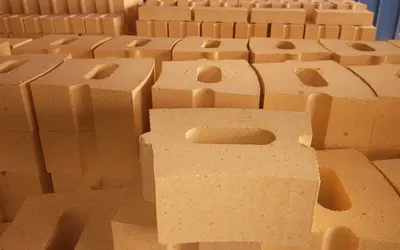
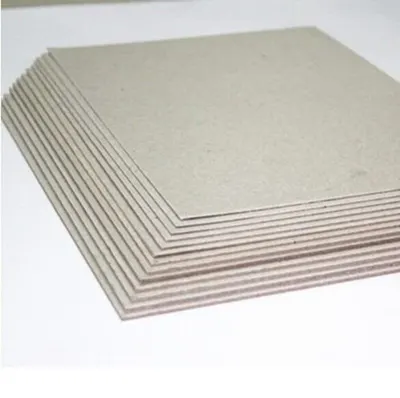
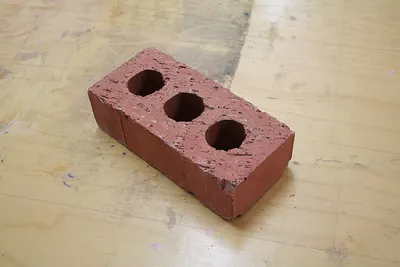
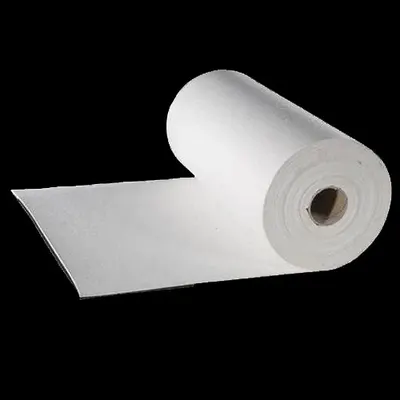
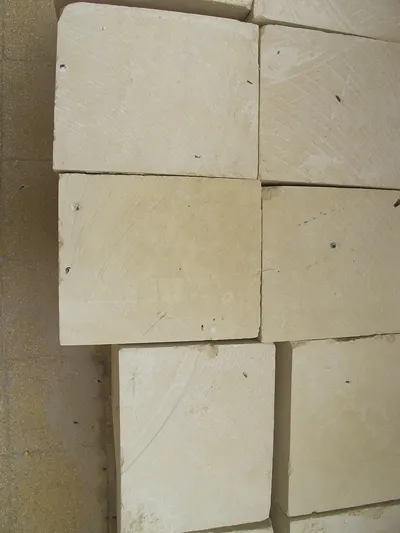
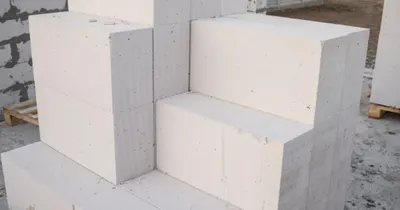
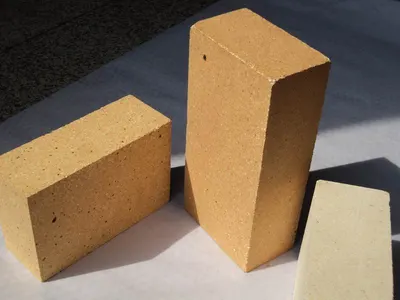
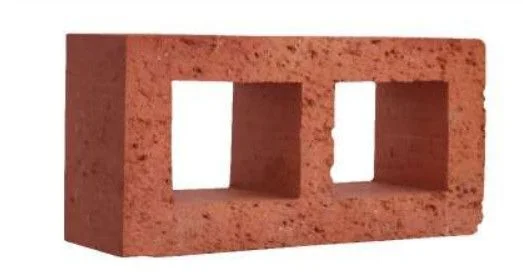
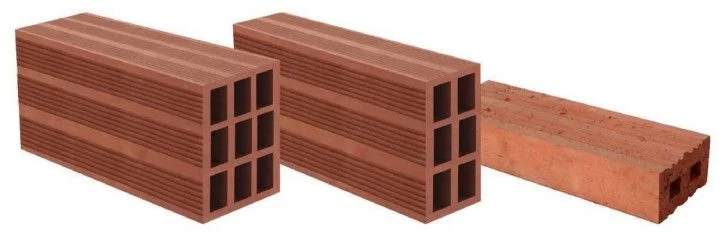
The catalogue enumerates twelve brick and block variants with explicit HS codes, including Magnesia Carbon Brick (6902.20), Common Silica Brick (6902.90), High‑Quality Silica Brick (6902.20), Corundum Block (6902.20) and its TY‑G93 version (6903.20), Fused Cast AZS TY‑AZS33 (6903.20), Dense Zircon Block (6902.90), Mullite Insulation Brick (6902.20), Magnesia Brick (6902.10), Sillimanite Bricks (6903.20) and Low Porosity Fireclay Brick (6902.20). Ceramic Fiber Bulk (6806.10) and Ceramic Fiber Paper are also offered. Typical industry grades for these items include magnesia bricks with MgO ≥ 90 %, silica bricks with SiO₂ ≥ 94 % and low impurity levels, corundum bricks with Al₂O₃ ≥ 90 %, and AZS blocks with ZrO₂ ≈ 33 % as defined by ASTM C704 and ISO 13086. Ceramic fibers are usually supplied with an alumina‑silicate ratio of 45‑55 % and a bulk density around 0.12‑0.15 g/cm³, meeting EN 1563 specifications.
Trade and Export Information - Zhengzhou Sunrise Refractory Co., Ltd.
China is a leading exporter of refractory bricks and ceramic fibers, supplying steel‑making, cement, glass and petrochemical plants worldwide. The HS‑code families 6902, 6903 and 6806 are routinely inspected under customs regimes that may request a commercial invoice, a test report (e.g., compressive strength, thermal conductivity) and, where required, ISO 9001 or ISO 14001 certificates. Typical destination regions include Southeast Asia, the Middle East, Europe and North America, with shipments commonly consolidated in 20‑ft or 40‑ft containers on wooden pallets, moisture‑controlled liners and double‑wall packaging for fiber products. Standard Incoterms such as FOB Zhengzhou Port or CIF destination are used, and buyers often arrange pre‑shipment inspections to verify conformity with ASTM C618 (silica bricks) or ISO 13086 (ceramic fiber).
Sourcing from Zhengzhou Sunrise Refractory Co., Ltd. - Buyer Guidance
When sourcing from Zhengzhou Sunrise, request a mill test certificate that details chemical composition (e.g., MgO % for magnesia bricks, SiO₂ % for silica bricks) and physical properties such as compressive strength (often > 200 MPa for high‑grade magnesia) and thermal shock resistance. Verify that the batch complies with the relevant ASTM or ISO standards and ask for any available third‑party inspection reports, especially for specialty blocks like AZS or zircon. Confirm packaging dimensions, moisture content limits (typically < 1 % for bricks) and the agreed Incoterm before finalizing the order.
Frequently Asked Questions About Zhengzhou Sunrise Refractory Co., Ltd.
What refractory brick types are listed in the catalogue?
The catalogue includes Magnesia Carbon Brick, Common and High‑Quality Silica Bricks, Corundum Blocks (standard and TY‑G93), Fused Cast AZS blocks, Dense Zircon Block, Mullite Insulation Brick, Magnesia Brick, Sillimanite Bricks and Low Porosity Fireclay Brick, each assigned to HS codes 6902 or 6903.
Which HS codes correspond to the ceramic fiber products?
Ceramic Fiber Bulk is recorded under HS code 6806.10. The Ceramic Fiber Paper entry does not have a specific HS code listed, but it falls within the same 6806 chapter for refractory fibers.
What chemical composition is typical for the High‑Quality Silica Brick?
High‑Quality Silica Brick is specified with SiO₂ content above 94 %, containing phases such as tridymite, cristobalite and residual quartz. This grade meets ASTM C618 Class A requirements for silica refractories.
Which certifications should a buyer request for these refractory products?
Buyers should request ISO 9001 quality‑management certification, ISO 14001 environmental‑management certification, and any relevant ASTM or EN test reports (e.g., ASTM C704 for magnesia bricks, EN 1563 for ceramic fiber). These documents confirm compliance with international performance standards.
What are the common packaging and shipping methods for bulk ceramic fiber?
Bulk ceramic fiber is typically packed in moisture‑proof bags or woven sacks, placed on wooden pallets, and loaded into 20‑ft or 40‑ft containers. Export shipments often use FOB or CIF terms, with protective liners to prevent fiber breakage during transit.
What is the usual lead time for an order of Magnesia Carbon Brick?
Lead times for Magnesia Carbon Brick usually range from 30 to 45 days after receipt of a confirmed purchase order, depending on batch size and any required pre‑shipment testing.
Can the supplier provide custom dimensions for refractory bricks?
Custom dimensions are generally accommodated for bulk orders; buyers should submit detailed drawings and specify the required tolerance, after which the supplier confirms feasibility and any tooling adjustments.
Which global markets most frequently import Chinese refractory bricks?
Typical import markets include Southeast Asian steel complexes, Middle‑Eastern cement producers, European glass manufacturers and North‑American petrochemical facilities, all of which rely on the high‑temperature performance of Chinese refractory products.




 , China