Zhejiang polyester fabric co.,ltd — Supplier
About Zhejiang polyester fabric co.,ltd - Polyester Supplier in China
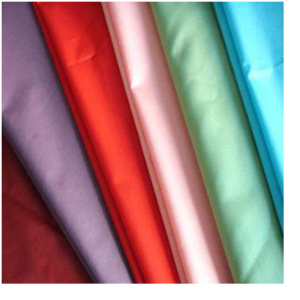
Zhejiang polyester fabric co.,ltd operates from Zhejiang province in China and currently lists 28 active textile products. The catalogue covers a broad set of polyester‑based fabrics, including plain, satin, chiffon, pongee, taffeta, jacquard and blended fabrics, as well as nylon‑polyester stretch blends and cotton eyelet fabrics. Products are classified under HS chapters 5407 (synthetic fibres, woven fabrics), 5408 (silk or synthetic fabrics), 5512 (woven fabrics of synthetic fibres, mixed) and 6004 (knitted or crocheted fabrics). The supplier’s top categories are Polyester, Cotton Linen Fabric, Polyethylene Fabric, Poly Cotton Fabric and related yarns, reflecting a focus on synthetic and blended textile fibres.
The listed items range from T/C broadcloth and poplin (HS 5512.91, polyester‑cotton blends typically 65/35 or 80/20) to 100 % polyester bedsheet fabric (HS 5407.61) and various satin weaves (HS 5407.42). Additional entries include polyester velvet, polyester jacquard satin, polyester plaid, and polyester‑spandex stretch fabrics (HS 6004.10). Some products such as eyelet embroidery cotton fabric (HS 5208.29) and silk‑polyester satin blends (HS 5408.22) expand the portfolio into natural‑synthetic hybrids. Several catalogue lines lack explicit HS codes but repeat the same material families, confirming a consistent emphasis on polyester filament yarns and blended woven constructions.
Product Range and Specialties of Zhejiang polyester fabric co.,ltd
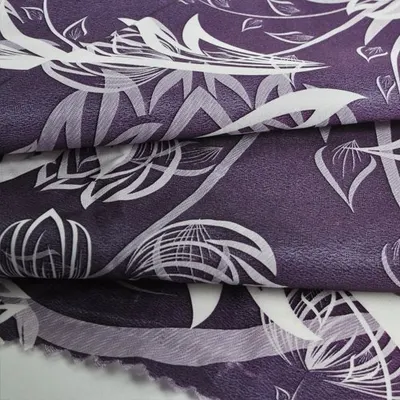
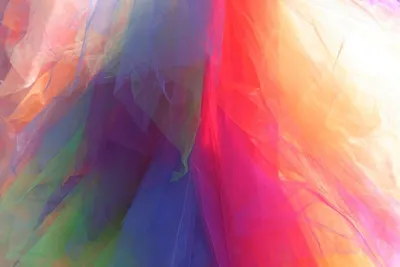
The catalogue includes woven polyester fabrics such as chiffon (lightweight, 30‑50 gsm), pongee (medium weight, 70‑100 gsm), taffeta (crisp hand, 80‑120 gsm) and various satin weaves (smooth hand, 80‑150 gsm). Blended T/C fabrics are offered in typical ratios of 65 % polyester/35 % cotton or 80 %/20 % and are used for shirting and workwear. The polyester‑spandex stretch fabrics combine nylon or polyester with 2‑5 % elastane, providing recovery suitable for swimwear and activewear. Eyelet embroidered cotton fabrics are bleached 100 % cotton, often supplied in rolled form for garment manufacturers. Jacquard and brocade satins incorporate silk or polyester blends, delivering decorative surface patterns for apparel and home textiles.
Industry standards for these categories typically reference ISO 105‑B02 for colour fastness, AATCC 135 for wrinkle resistance, and ASTM D5034 for tensile strength of woven fabrics. Polyester fabrics are often graded by GSM (grams per square metre) and by melt flow index of the PET fibre. Buyers usually request Oeko‑Tex Standard 100 certificates for harmful substance compliance and REACH registration for chemicals used in finishes. Common packaging includes 12‑roll wooden crates (each roll up to 30 m) or 20‑ft containers holding 1‑1.2 tonne of rolled fabric.
Trade and Export Information - Zhejiang polyester fabric co.,ltd
China is a leading exporter of synthetic woven fabrics, and Zhejiang province hosts numerous textile mills supplying Europe, North America and Southeast Asia. HS 5407 fabrics are commonly shipped under CIF terms to the EU (especially Italy, Spain and Germany) and to the United States, where buyers often require compliance with ASTM D 123 (dimensional stability) and ISO 9001 quality management certification from the supplier. HS 5408 silk‑polyester blends are popular in high‑end fashion markets in France and Japan, where REACH registration and Oeko‑Tex are standard prerequisites.
Typical logistics involve loading 20‑ft or 40‑ft containers with fabric rolls stacked on pallets, protected by moisture‑resistant film. For knitted stretch fabrics (HS 6004.10) buyers often request a pre‑shipment inspection by SGS or Bureau Veritas to verify material composition and elasticity. Export documentation generally includes a commercial invoice, packing list, certificate of origin, and, when required, a test report for colour fastness or flammability (e.g., NFPA 701 for curtain fabrics).
Sourcing from Zhejiang polyester fabric co.,ltd - Buyer Guidance
When sourcing polyester fabrics from this supplier, buyers should request a detailed specification sheet that lists GSM, fibre content, weave type, colour fastness ratings and any applicable finish treatments. Samples of the exact weave and colour should be obtained before a bulk order, and test reports covering tensile strength (ASTM D5034), dimensional stability (AATCC 135) and any required REACH or Oeko‑Tex certifications should be reviewed.
Buyers should also verify the HS code declared for each product to ensure correct tariff treatment, and confirm packaging dimensions (e.g., roll length, container load plan). Requesting a pre‑shipment inspection report can help confirm that the fabric weight, composition and colour match the agreed sample, reducing risk of non‑conformity upon arrival.
Frequently Asked Questions About Zhejiang polyester fabric co.,ltd
What types of polyester fabrics does Zhejiang polyester fabric co.,ltd offer?
The supplier lists woven polyester fabrics such as chiffon, pongee, taffeta, satin, velvet, jacquard and plaid, as well as polyester‑cotton blends, polyester‑spandex stretch fabrics and eyelet embroidered cotton fabrics.
Which HS codes are used for the listed products?
Products are classified under HS 5407.61 (polyester bedsheet and woven fabrics), HS 5407.42 (polyester satin), HS 5407.52 (polyester plaid), HS 5408.22 (silk‑polyester satin blends), HS 5512.91 (polyester‑cotton blends) and HS 6004.10 (nylon/polyester stretch knits).
What material composition should I expect for the T/C broadcloth and poplin?
The T/C broadcloth and poplin are polyester‑cotton blends, typically in 65 % polyester/35 % cotton or 80 %/20 % ratios, providing a balance of durability and breathability.
Are certifications such as Oeko‑Tex or REACH available for these fabrics?
The facts do not list specific certifications held by the supplier; buyers should request Oeko‑Tex Standard 100 and REACH compliance certificates as part of the pre‑order documentation.
What is the typical minimum order quantity (MOQ) and lead time?
While the catalogue does not state an MOQ, Chinese textile exporters usually set MOQs of 500 kg to 1 tonne per fabric type, with lead times ranging from 30 to 45 days after sample approval.
How are the fabrics packaged for shipment?
Fabrics are normally rolled and packed in wooden crates or on pallets, with moisture‑resistant film, suitable for loading into 20‑ft or 40‑ft containers.
Can I request a pre‑shipment inspection?
Buyers can arrange an inspection by SGS, Bureau Veritas or a similar agency to verify material composition, GSM, colour consistency and compliance with any required test reports before the cargo is shipped.
What documentation accompanies the export?
Standard export documents include a commercial invoice, packing list, certificate of origin, and any requested test reports or certification copies such as Oeko‑Tex or REACH compliance.




 , China