Yogi Agro Products — Verified Supplier
About Yogi Agro Products - Honey Supplier in India
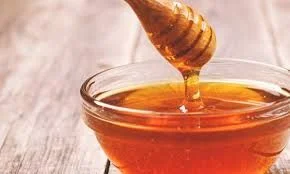
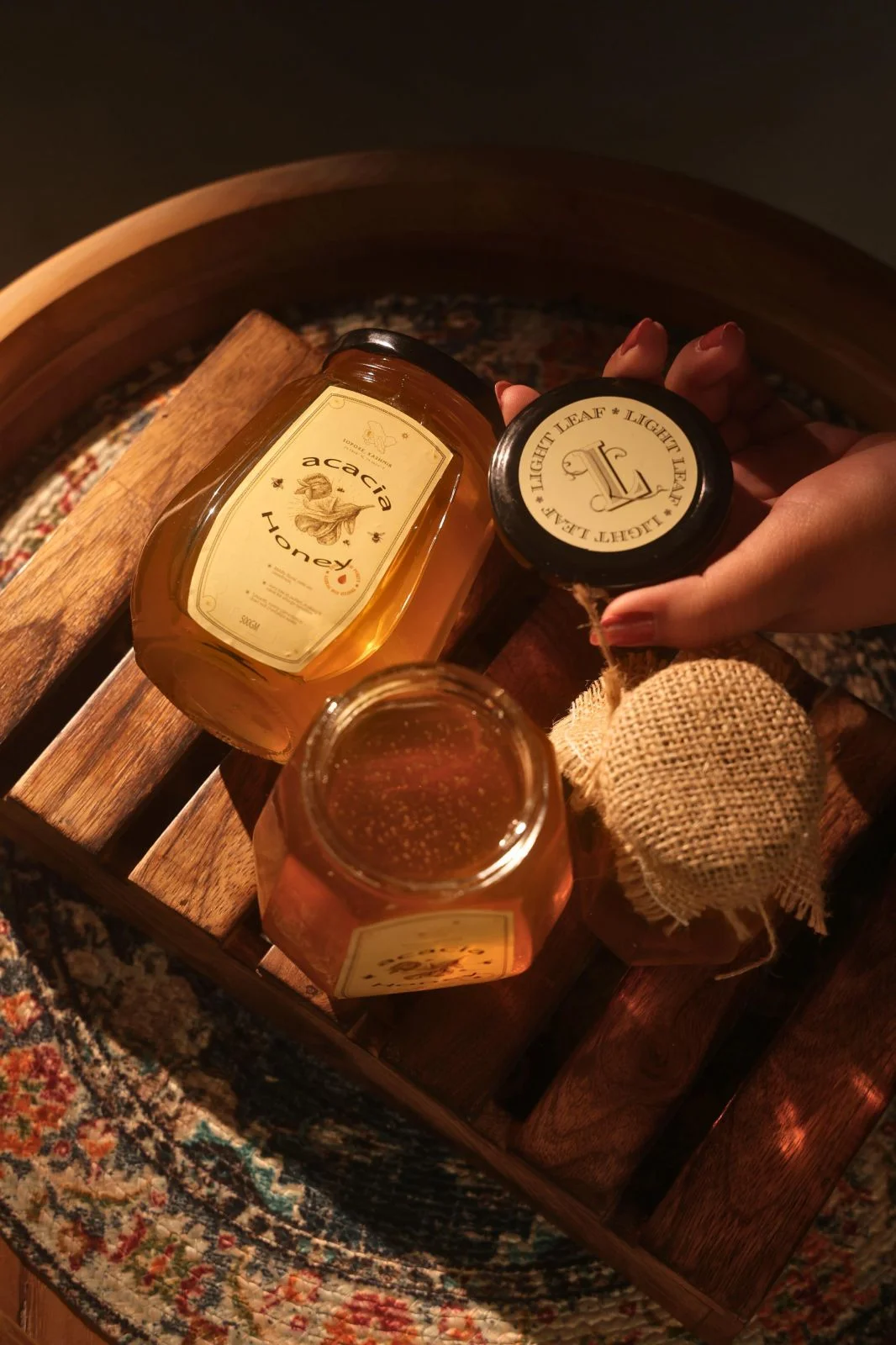
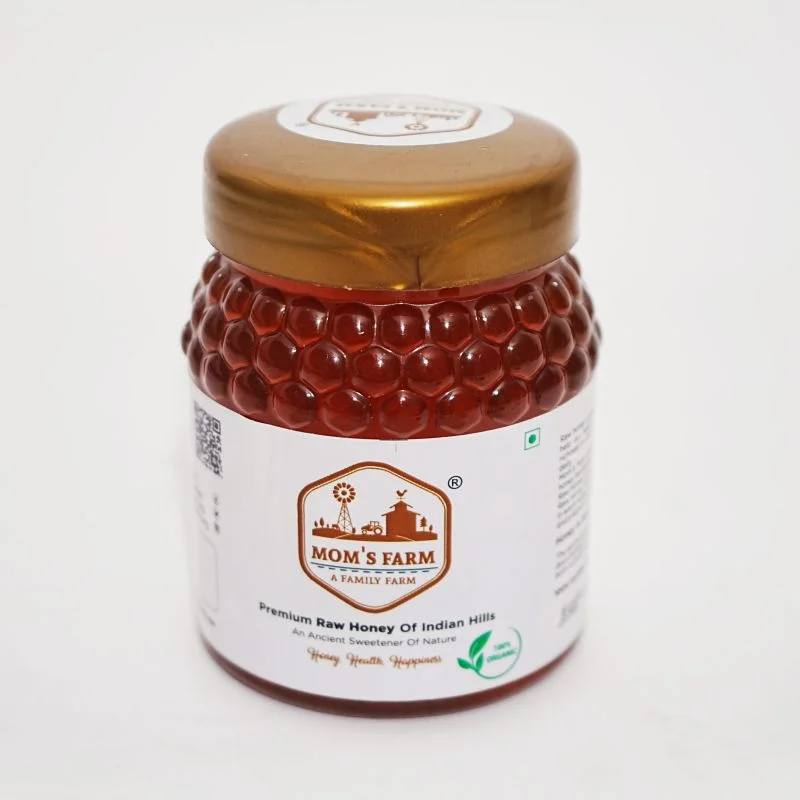
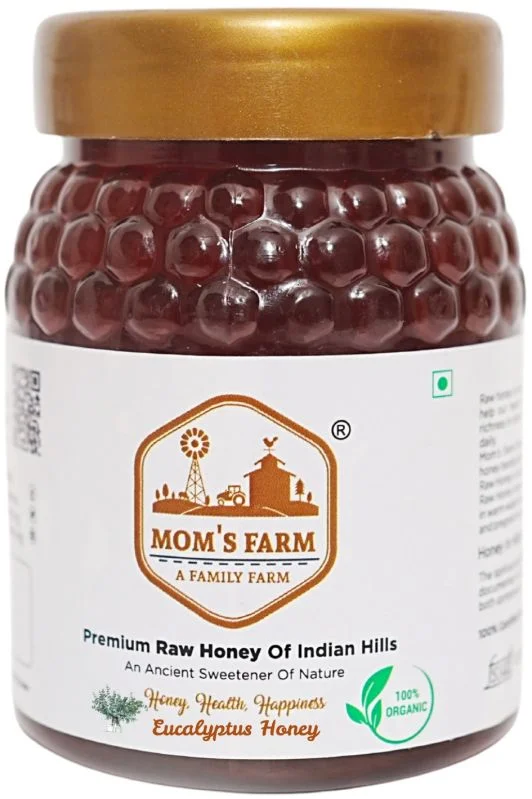
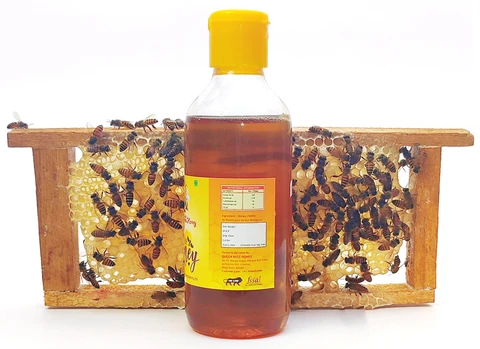
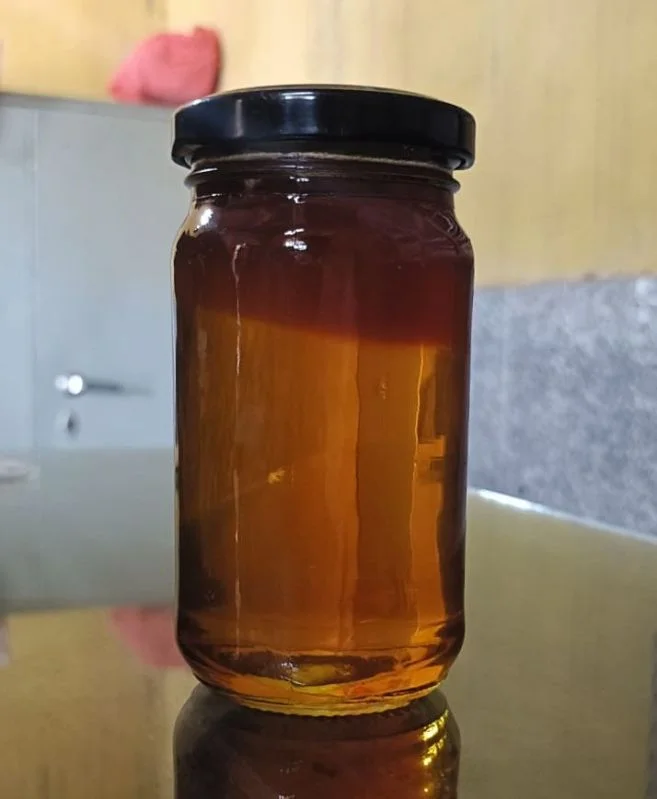
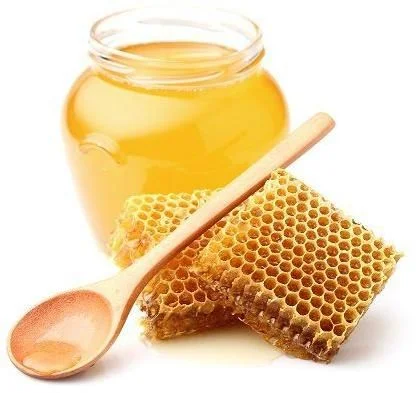
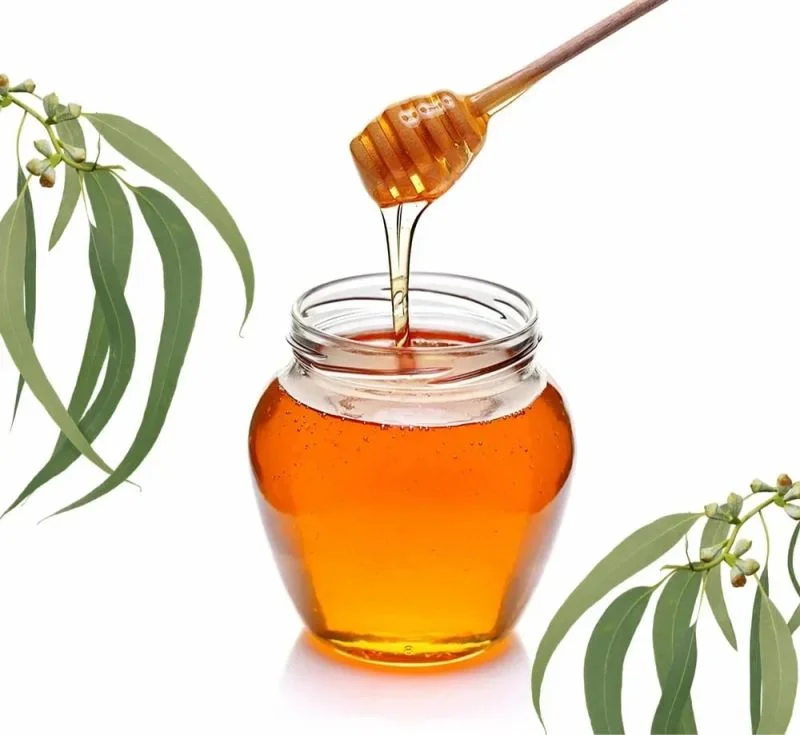
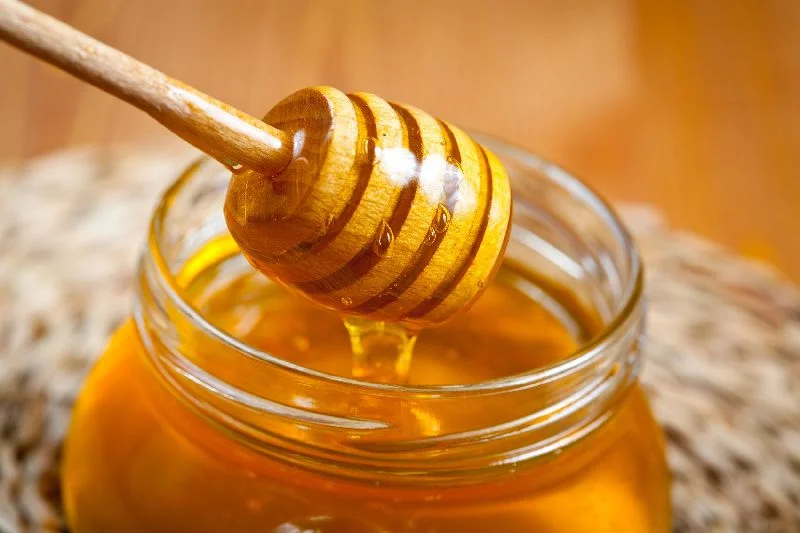
Yogi Agro Products operates out of India and currently lists 14 distinct honey products. The catalogue includes single‑serve jars such as 28 g and 80 g pure honey as well as larger bulk options. Bulk formats feature 3 kg jerry‑can packs, 300 kg drum containers, and a 340 g teddy‑bear shaped bottle. Product types cover standard pure honey, organic certified honey, and monofloral varieties like Acacia, Eucalyptus, Sidr and Litchi. All items fall under the HS chapter 04 heading for natural honey (HS 0409).
The supplier differentiates its portfolio by offering both unflavoured and infused options, such as honey blended with Tulsi. Organic Pure Honey is presented without synthetic additives and may meet national organic certification standards. Monofloral honeys such as Acacia and Eucalyptus are typically graded by colour and clarity, with ICUMSA 45 being a common reference for premium quality. Packaging materials range from glass jars to food‑grade plastic drums, each designed to preserve moisture content and prevent crystallisation. The product line therefore addresses retail, food‑service and industrial buyers seeking varied pack sizes and botanical origins.
Product Range and Specialties of Yogi Agro Products
Yogi Agro Products’ catalogue lists fourteen honey items, including 28 g and 80 g pure honey jars, 340 g teddy‑bear bottle, 3 kg jerry‑can honey, 300 kg drum honey, and specialty variants such as Organic Pure Honey, Acacia, Eucalyptus, Sidr, Litchi (400 g) and Tulsi‑infused honey. In the global honey market, pure honey is commonly classified by ICUMSA colour grades, with premium grades ranging from 30 to 45 and a typical moisture limit of 18 %. Monofloral honeys like Acacia and Sidr are evaluated for pollen content, diastase activity and hydroxymethylfurfural (HMF) levels, often requiring HMF below 40 mg/kg for export to the EU. Organic honey must comply with national organic regulations and may carry certification such as India’s NPOP or international equivalents (EU organic, USDA‑NOP). Standard packaging for bulk honey includes food‑grade polyethylene drums with inner liners, while retail jars use PET or glass complying with FDA food contact regulations.
Infused or blended honeys, such as those with Tulsi, are subject to additional flavour‑stability testing and may carry a label indicating botanical content percentage, typically 2 - 5 % of the added herb. Buyers often request a sensory panel report and a laboratory analysis confirming that the added ingredient does not raise moisture or HMF levels beyond standard limits. These specifications help ensure that both retail and industrial users receive a product that meets expected taste, purity and shelf‑life criteria.
Trade and Export Information - Yogi Agro Products
India is a significant exporter of honey, with HS 0409 covering natural honey and related preparations. Major import destinations include the United Arab Emirates, Saudi Arabia, the United Kingdom, Germany and the United States, where buyers often require compliance with the EU honey directive or USDA regulations. Typical certifications requested by importers are ISO 22000, HACCP, and specific organic certificates for organic lines. Bulk shipments are usually dispatched in 20‑ft or 40‑ft containers, with drum or jerry‑can loads secured on pallets and wrapped to prevent moisture ingress. Incoterms such as FOB Mumbai or CIF Dubai are common for Indian honey exporters.
Export‑ready honey must meet phytosanitary requirements, including a certificate of origin and a laboratory analysis confirming moisture, HMF and pesticide residues within accepted limits. Retail‑size jars are often packed in cardboard cartons of 12 or 24 units per carton, while bulk drums are sealed with tamper‑evident caps and may be coated with an inner liner to meet food‑grade standards. Buyers typically request a pre‑shipment sample and a test report from an accredited laboratory to verify grade and purity before confirming larger orders. Indian honey producers benefit from established sea‑freight routes through major ports such as Nhava Sheva and Mundra, enabling timely delivery to Asian, Middle Eastern and European markets.
Sourcing from Yogi Agro Products - Buyer Guidance
When sourcing honey from Yogi Agro Products, buyers should request the most recent laboratory analysis covering moisture content, HMF level, diastase activity and pesticide residues. For organic honey, an up‑to‑date organic certification (e.g., NPOP or equivalent) should be provided alongside the analysis. Samples of the specific pack size and flavour (e.g., Acacia or Tulsi‑infused) are advisable to assess colour, viscosity and crystallisation behaviour against ICUMSA 45 standards. Buyers should verify the supplier’s compliance with ISO 22000 or HACCP food safety management systems, especially for bulk shipments. Confirmation of packaging specifications, such as drum liner material or jar closure type, helps ensure the product remains within the required moisture range during transit.
Frequently Asked Questions About Yogi Agro Products
What honey varieties does Yogi Agro Products offer?
The supplier lists fourteen honey items, including pure honey in 28 g, 80 g and 340 g jars, bulk 3 kg jerry‑can and 300 kg drum packs, and specialty monofloral and infused types such as Organic Pure, Acacia, Eucalyptus, Sidr, Litchi (400 g) and Tulsi‑infused honey.
Which HS code applies to these honey products?
All listed honey products fall under HS Chapter 04, heading 0409, which covers natural honey and honey preparations.
What quality specifications are typical for premium honey?
Premium honey is commonly graded to ICUMSA 45 colour, limited to a maximum moisture content of 18 %, HMF below 40 mg/kg for EU markets, and must meet diastase activity and pollen count requirements.
What certifications should a buyer request for organic honey?
Buyers should request an up‑to‑date organic certification such as India’s NPOP, EU organic or USDA‑NOP, together with a recent laboratory analysis confirming compliance with organic standards.
How is bulk honey usually packaged for export?
Bulk honey is typically packed in food‑grade polyethylene drums (300 kg) or 3 kg jerry‑can containers, sealed with tamper‑evident caps and placed on pallets, with an inner liner to protect against contamination.
What documentation is required for customs clearance?
Standard documents include the commercial invoice, packing list, certificate of origin, phytosanitary certificate, and a laboratory test report showing moisture, HMF and pesticide residues within permissible limits.
Which Incoterms are commonly used for Indian honey shipments?
Exporters from India frequently use FOB from Mumbai or Mundra ports, and CIF to regional hubs such as Dubai, aligning with buyer preferences for sea freight.




 , India