Agriculture›
 Apparel and fashion accessories›
 Construction & real estate›💡Electronic & Electrical›🍎Food & Beverages›🛋️Home furnishing & supplies›⚗️Industrial goods & chemical›🪨Minerals & metals›📦Miscellaneous›Agriculture›Apparel and fashion accessories›Construction & real estate›💡Electronic & Electrical›🍎Food & Beverages›🛋️Home furnishing & supplies›⚗️Industrial goods & chemical›🪨Minerals & metals›📦Miscellaneous›
VP Creations Product Catalog
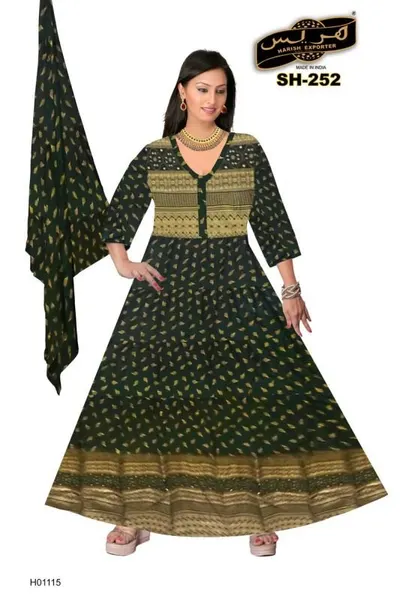
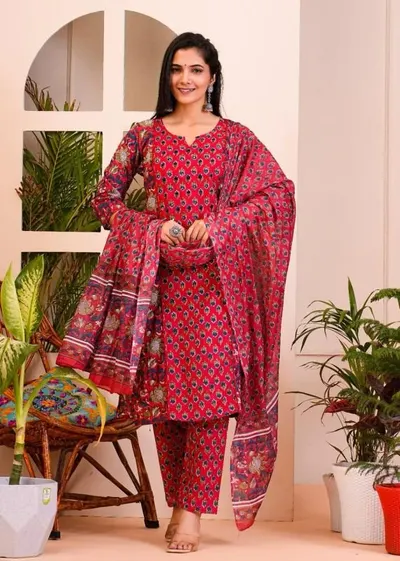
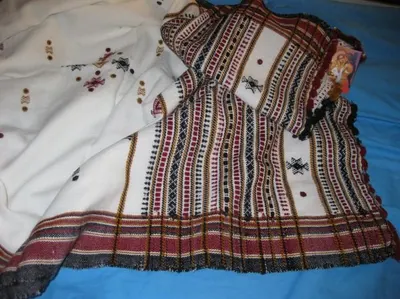
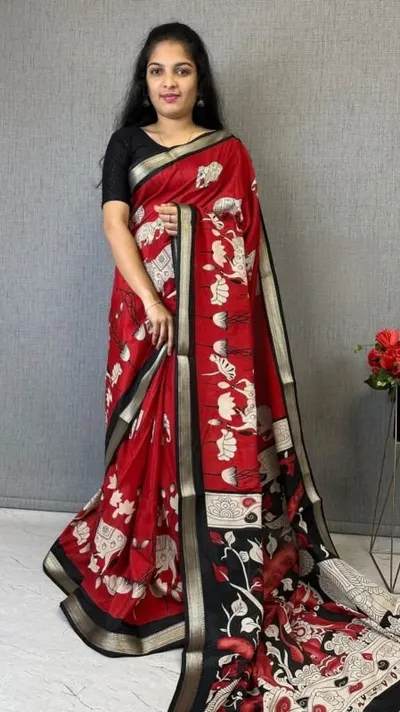
About VP Creations - Ladies Kurti, Saree and Wedding Apparel Supplier in India
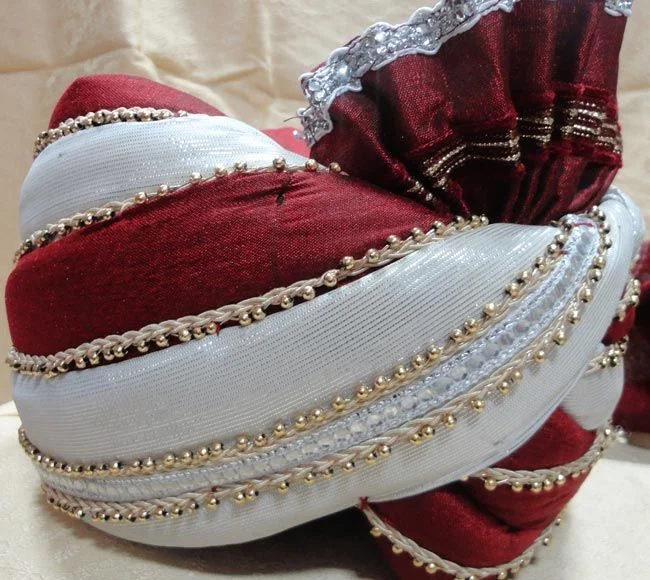
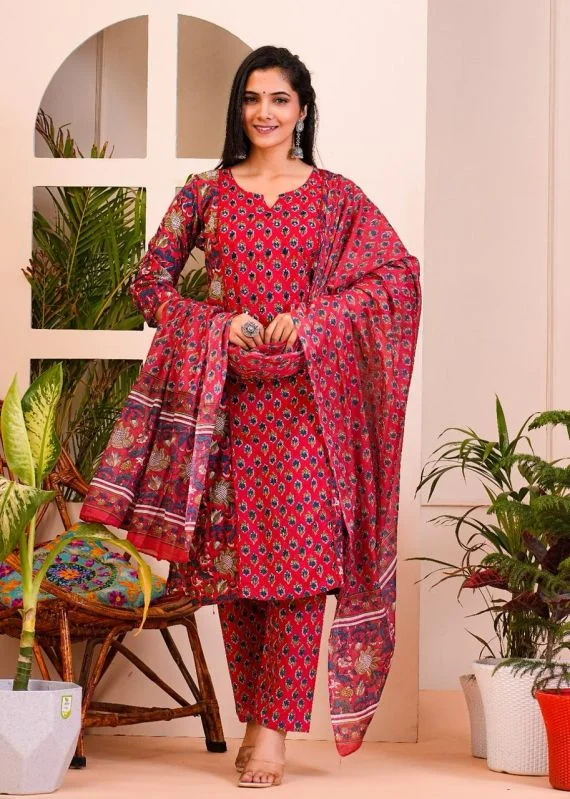
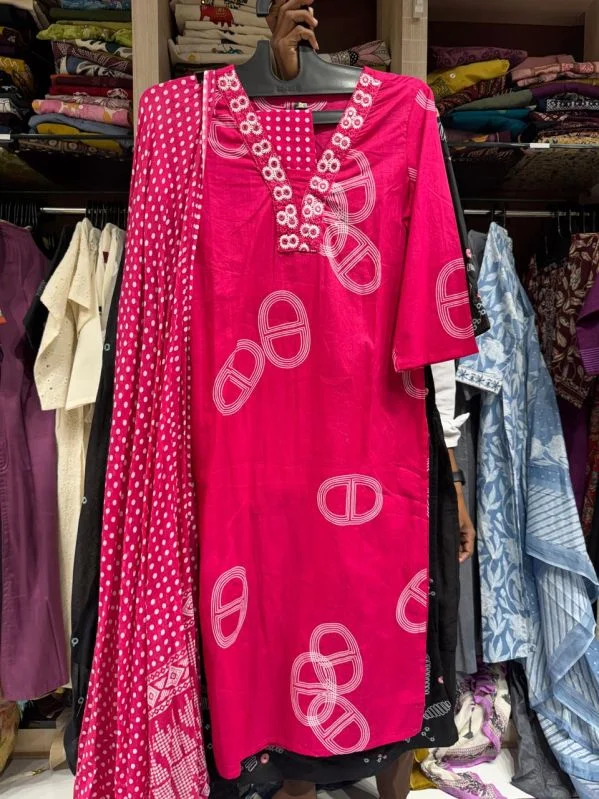
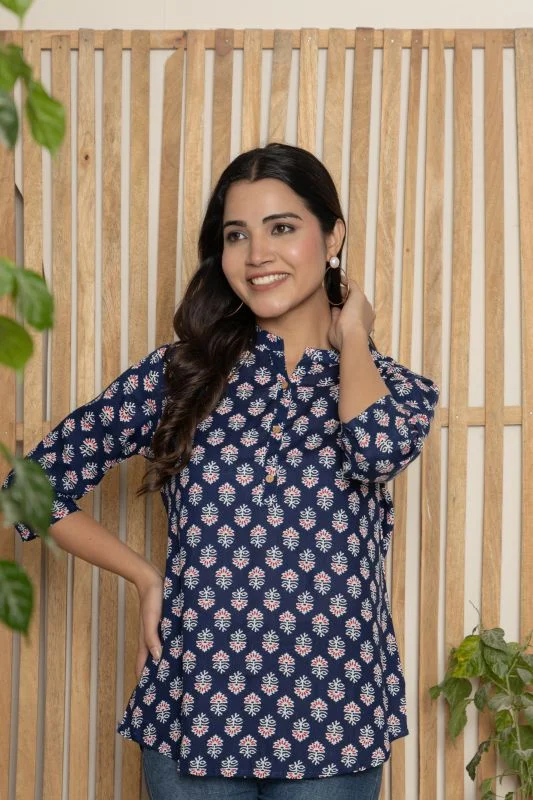
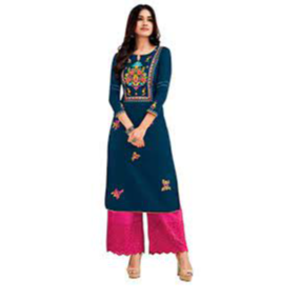
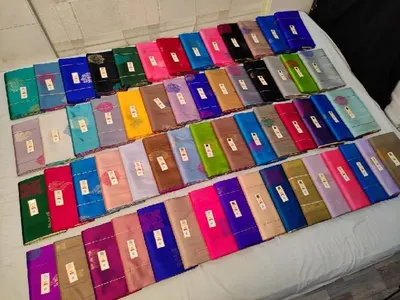
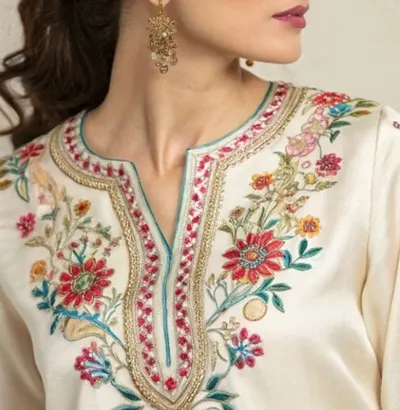
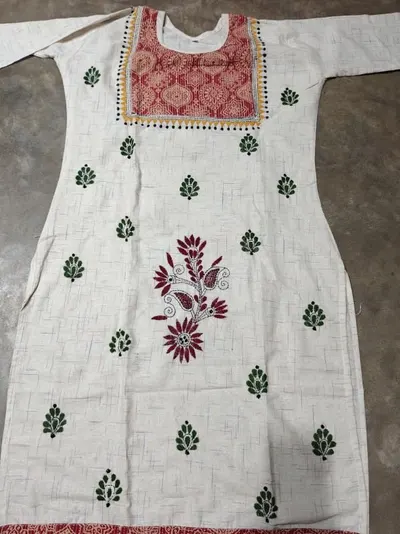
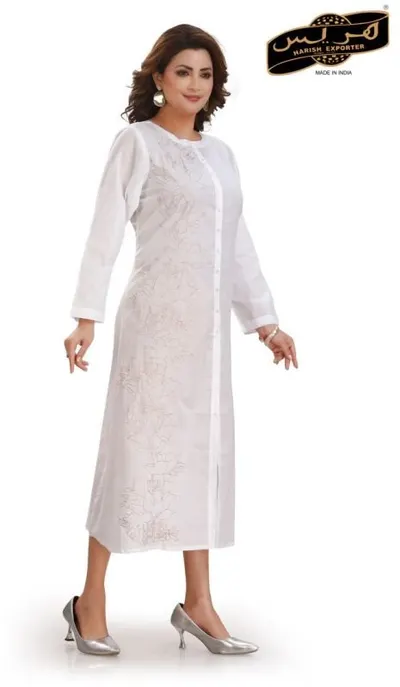
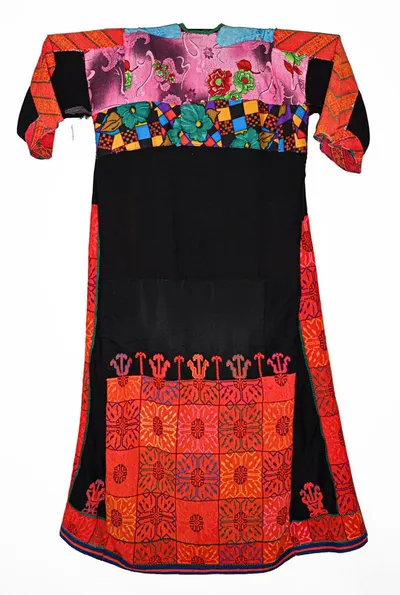
VP Creations is an India-based supplier listing 46 active products concentrated in three closely related women's apparel categories: Ladies Kurti, Sarees, and Wedding Dresses & Accessories. The catalogue is built almost entirely around Indian ethnic and Indo-Western women's wear, with the heaviest concentration on kurtis in varied cuts (round neck, long, full length, fancy, designer) and a secondary line of traditional sarees in silk, moonga linen and pattu (pattu/vastrakala) weaves. Wedding and occasion wear appears through lehenga choli and party wear lehenga entries, extending the catalogue into bridal and festive segments. The product mix reflects the structure of India's readymade garment export industry in HS chapters 6204 (women's woven suits, dresses, skirts) and 6205/6206 (women's blouses and cotton garments), with sarees falling under HS 5407/5007 for woven silk and HS 5208/5209 for woven cotton. Kurtis in cotton, silk blends and embroidered fabrics, sarees in silk and linen, and lehengas in heavy embroidered fabrics together form a typical sourcing basket for buyers targeting South Asian diaspora retail, ethnic fashion boutiques, and occasion-wear importers in the Gulf, the UK, North America, and East Africa.
Product Range and Specialties of VP Creations
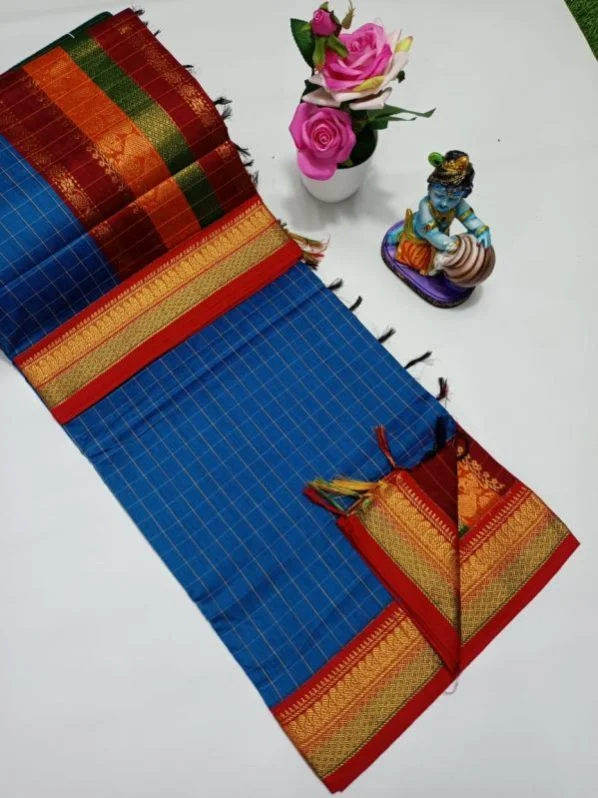
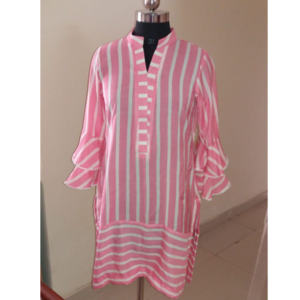
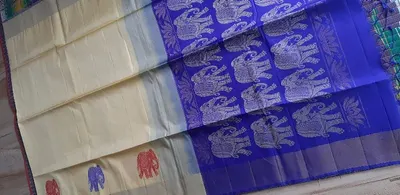
VP Creations' 46 listed items break down into three working groups. The kurti range covers round neck, long, full length, fancy, modern, designer, cotton and embroidered variants, with recurring specifications such as round neckline, fine embroidery, heavy embroidery, and hand-made finishing, indicating a catalogue oriented toward both everyday cotton wear and occasion pieces. The saree range is narrower but specific to traditional weaves, including hand embroidery silk sarees, moonga linen sarees, and vastrakala pattu sarees, which point to silk and silk-blend fabric families used in South Indian and bridal saree production. The bridal and occasion segment is represented by lehenga choli and party wear lehenga products, which in the Indian export trade typically use fabrics such as georgette, net, chiffon, silk and cotton-silk blends with zari, thread, sequin or stone embroidery work. Across all three categories, the catalogue reflects what buyers of Indian women's ethnic wear usually expect: a mix of mass-market cotton kurtis for daily and office wear, heavier embroidered kurtis and sarees for festive occasions, and bridal lehengas for wedding retail. Common material inputs in this segment include cotton, rayon, muslin, silk, tussar, moonga (mulberry) silk, linen, georgette, net and chiffon, with embroidery densities ranging from light thread work to heavy zari and stone embellishment.
Frequently Asked Questions About VP Creations
What product categories does VP Creations supply?
VP Creations lists 46 active products across three categories: Ladies Kurti (the largest segment, including round neck, long, full length, embroidered, cotton, fancy, designer and modern variants), Sarees (hand embroidery silk, moonga linen and vastrakala pattu weaves), and Wedding Dresses & Accessories (lehenga choli and party wear lehenga). The catalogue is focused on Indian ethnic and occasion wear for women.
Which HS code families apply to kurtis, sarees and lehengas from India?
Kurtis and women's blouses typically fall under HS 6204, 6205 and 6206, sarees under HS 5407, 5007, 5208 and 5209 depending on fiber, and lehengas under HS 6204 with fabric inputs classified under HS 5007, 5407, 5208 or 5408. Buyers should confirm the exact 6-digit HS classification with their customs broker based on fabric composition.
What certifications and test reports should buyers request for Indian ethnic apparel?
Buyers should request AZO-free dye test reports, Oeko-Tex Standard 100 or equivalent lab certificates, REACH compliance documentation for EU shipments, and fiber-content and country-of-origin labeling compliance for US-bound goods under FTC and CBP rules. Pre-shipment inspection reports from agencies such as SGS, Bureau Veritas or Intertek are also commonly requested.
What are typical MOQs and lead times for kurti, saree and lehenga orders from India?
MOQs in this segment typically range from 50 to 100 pieces per style for kurtis and 20 to 50 pieces per design for sarees and lehengas, with mixed-style container loads common. Sampling usually takes 7 to 15 days and bulk production 45 to 90 days depending on embroidery complexity and fabric sourcing.
Which regions typically import Indian kurtis, sarees and wedding lehengas?
The main destination markets are the United States, the United Kingdom, the UAE, Saudi Arabia, Qatar, Kuwait, Oman, Canada, Australia, South Africa, Kenya, and South Asian diaspora retail networks across Europe, Southeast Asia, the Caribbean and the Pacific. Wedding and bridal segments additionally ship to Fiji, Mauritius, Trinidad and Guyana.
 India
Related Suppliers & Products
Explore similar suppliers, related products and trending categories