VISION COMMODITIES AND ALLIED SERVICES LTD — Verified Supplier

About VISION COMMODITIES AND ALLIED SERVICES LTD - Organic Spices Supplier in United Kingdom

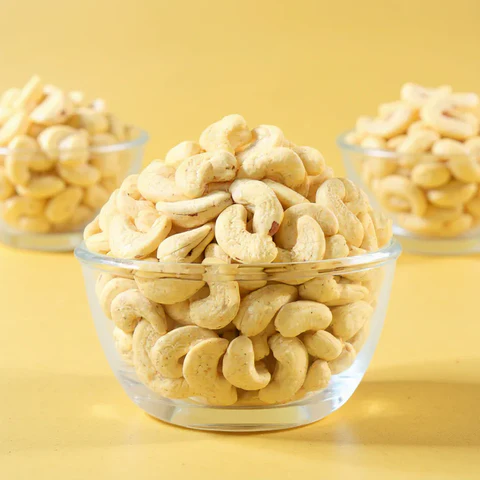
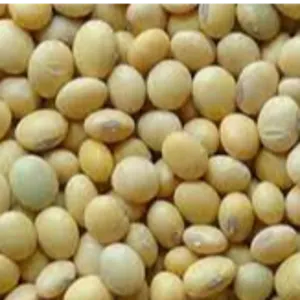
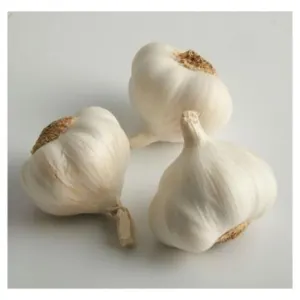
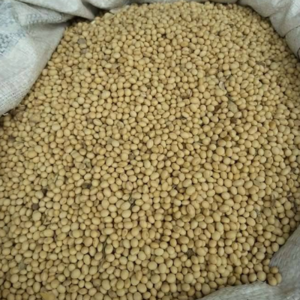
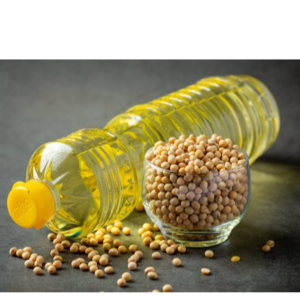
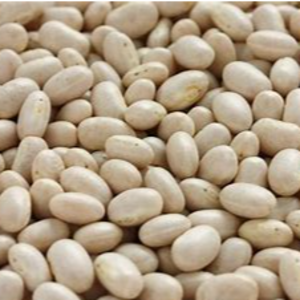
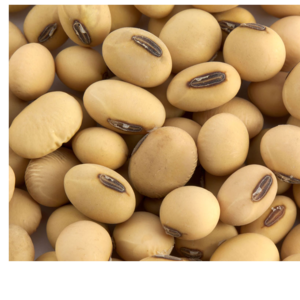
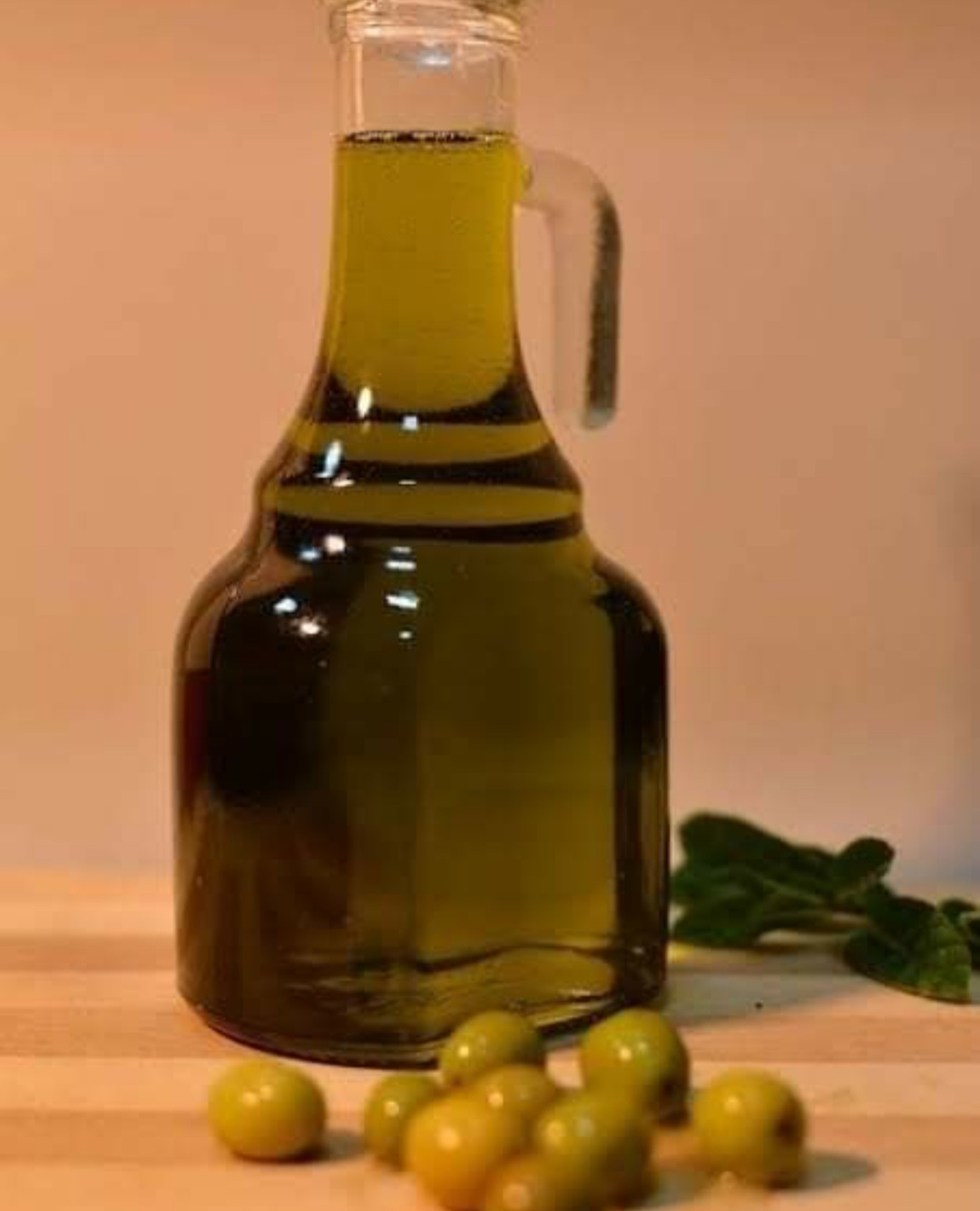
Vision Commodities and Allied Services Ltd operates from the United Kingdom and lists five active products in its catalogue. The catalogue includes ORGANIC GINGER (HS 0910.11, organic dehydrated ginger root), ORGANIC GARLIC (HS 0712.30, organic dehydrated garlic), SOYBEANS (HS 1201.90, raw soybeans), CASHEW NUTS (HS 1515.90, cold‑pressed cashew nut oil) and PALM OIL (HS 1511.90, palm fruit oil). The company sources these items from West African farms and moves them through its Nigerian‑registered entity in Lagos for regional distribution. Each product is identified by its specific HS code and material description, allowing buyers to match customs documentation precisely. The listed maximum order range is between 1,000 mt and 5,000 mt per transaction, reflecting the scale of the supplier’s export capability.

The supplier’s profile emphasizes farm‑fresh organic status for the spice line and cold‑pressed oil quality for the lipid products. No additional product lines beyond the five listed are mentioned, and the catalogue does not include any processed food items. All five items are classified under agro‑organic commodities, with the spice items falling under the HS chapter 09, soybeans under chapter 12, and the oil products under chapter 15. This structure provides a clear, customs‑compliant product set for buyers seeking certified organic agricultural inputs.

Product Range and Specialties of VISION COMMODITIES AND ALLIED SERVICES LTD

The catalogue covers two organic spice products - dehydrated ginger and garlic - both classified under HS 09 and HS 07 respectively, and typically traded in bulk bags of 1 ton or 20 ft containers. In the spice sector, buyers often require moisture content below 12 % for ginger and below 10 % for garlic, along with ICUMSA colour grades for any powdered forms. Soybeans are generally supplied with moisture ≤13 % and free fatty acid (FFA) ≤0.2 % for oil‑grade lots. The cold‑pressed cashew nut oil and palm oil belong to the edible oil segment, where standard specifications include a peroxide value ≤10 meq O₂/kg, free fatty acid ≤0.5 % and cloud point around 10 °C for palm oil. Industry practice also calls for bulk packaging in food‑grade polyethylene drums (200 L) or 25 kg HDPE drums, and for the spices, 25 kg paper bags with inner liners are common.

Trade and Export Information - VISION COMMODITIES AND ALLIED SERVICES LTD

Exporters of organic ginger, garlic, soybeans, cashew oil and palm oil from the United Kingdom typically target West African markets such as Nigeria, as well as the Middle East and EU food‑processing sectors. The HS‑code families 09, 07, 12 and 15 are routinely inspected under the EU’s Rapid Alert System for Food and the Nigerian National Agency for Food and Drug Administration and Control (NAFDAC). Buyers generally request certificates of origin, phytosanitary certificates, and organic certification (e.g., EU organic, USDA organic or equivalent) to satisfy both customs and buyer quality systems. Standard Incoterms for these bulk agricultural goods are CIF Lagos or FOB Lagos, with container loading (20 ft or 40 ft) for spices and bulk drums or drums on pallets for oils. The United Kingdom’s export framework for organic commodities emphasizes compliance with the EU organic regulation (Regulation 834/2007) and the International Federation of Organic Agriculture Movements (IFOAM) standards, which are commonly required by downstream processors.

Typical import regions for these commodities include the West African food‑manufacturing corridor, the Gulf Cooperation Council (GCC) countries for edible oils, and European specialty spice distributors. Regulatory checks often involve residue testing for pesticides on organic spices and quality analysis for oil oxidation levels. Buyers should anticipate customs duties based on the HS codes and may need to arrange pre‑shipment inspection reports to facilitate clearance in the destination country.

Sourcing from VISION COMMODITIES AND ALLIED SERVICES LTD - Buyer Guidance

When sourcing from Vision Commodities, buyers should request the latest organic certification documents (EU organic, USDA organic or equivalent) for the ginger and garlic, as well as a phytosanitary certificate for all plant‑derived products. For the soybeans, a commodity analysis report confirming moisture content, protein level (typically 35 - 40 % for feed grade) and absence of GM traits is standard. Oil buyers normally require a Certificate of Analysis covering peroxide value, free fatty acid, iodine value and colour, together with a batch‑specific oil stability test. The stated order range of 1,000 mt to 5,000 mt means buyers need to confirm their logistics capacity for bulk container or drum shipments and verify that the supplier can meet the required lead time, which is usually 30‑45 days from order confirmation. Verification of packaging integrity - food‑grade drums for oils and sealed bulk bags for spices - should be part of the pre‑shipment inspection.

Frequently Asked Questions About VISION COMMODITIES AND ALLIED SERVICES LTD

What HS codes are used for the products listed by Vision Commodities?

The supplier lists HS 0910.11 for organic dehydrated ginger, HS 0712.30 for organic dehydrated garlic, HS 1201.90 for raw soybeans, HS 1515.90 for cold‑pressed cashew nut oil, and HS 1511.90 for palm fruit oil.

Which organic certifications should a buyer request for the ginger and garlic?

Buyers should ask for the supplier’s current organic certification, such as EU organic or USDA organic, together with the accompanying certificate of compliance. These documents verify that the spices meet the internationally recognised organic standards.

What typical quality parameters are examined for the soybeans?

Standard checks include moisture content not exceeding 13 %, protein content in the 35‑40 % range for feed grade, and a test for the presence of genetically modified traits. An SGS or equivalent commodity analysis report is commonly required.

What quality tests are standard for the cashew nut oil and palm oil?

For both oils, buyers normally request a Certificate of Analysis showing peroxide value ≤10 meq O₂/kg, free fatty acid ≤0.5 %, iodine value and colour specifications. Stability and cloud‑point tests are also typical for palm oil shipments.

What is the minimum order quantity and typical lead time?

The supplier states a maximum order range of 1,000 mt to 5,000 mt; however, buyers should confirm the minimum lot size directly, as it may vary by product. Lead times are generally 30‑45 days from order confirmation, subject to production scheduling and shipping arrangements.

What packaging formats are used for the spice and oil products?

Organic ginger and garlic are usually packed in 25 kg paper bags with inner liners, suitable for bulk container loading. The oils are shipped in food‑grade HDPE drums of 200 L capacity, stacked on pallets for 20 ft or 40 ft container transport.

Which documents are required for customs clearance in Nigeria?

Customs clearance typically requires the commercial invoice, packing list, certificate of origin, phytosanitary certificate for plant products, and any organic certification documents. An inspection report from an accredited laboratory may also be requested for the oil products.

What Incoterms does Vision Commodities commonly use for export?

The supplier commonly employs CIF Lagos or FOB Lagos terms for bulk shipments, aligning with standard practice for agricultural commodities exported from the United Kingdom to West Africa.


Other Suppliers in Soybean Oil

Top Trusted Suppliers

Related Products in Soybean Oil

Trending in Parent Category

More Suppliers in Parent Category

Related Products

Other Suppliers

EximNext
58.4K+ live requirements
Register Free🎁 5 free buy-lead credits
Post Requirement
🌍 Trusted by 224.4K+ businesses in 200+ countries|
58.4K+ active requirements right now
✉️ [email protected]
|
Sell on EximNextPost Requirement
EximNext
AgricultureApparelConstructionElectronicFoodHomeIndustrialMineralsMiscellaneous
🔥 Deals|✨ AI Match|🏭 Suppliers|📋 Buy Leads|💰 Trade Finance|⭐ Upgrade
58.4K+ live RFQs·194.4K+ suppliers
🎁 5 free credits →
EximNext
EximNext
Register Free
🎁 5 free buy-lead credits
Sign In
📋Post Requirement💬Get QuotesAI Match📋RFQ Marketplace
All Categories
Services & Tools
🏭Supplier Directory🔥Today's Deals💰Trade FinanceMembership
Sell on EximNext
AboutContactBlogHelp
🏭

VISION COMMODITIES AND ALLIED SERVICES LTD

Harbor
Country flag , United Kingdom
🛡️
60/100
Trust Score

VISION COMMODITIES AND ALLIED SERVICES LTD Product Catalog

Showing 5 of 5 products
View all products →
PALM OIL
Harbor
PALM OIL
Contact
MOQ: 1 Unit
CASHEW NUTS
Harbor
CASHEW NUTS
Contact
MOQ: 1 Unit
SOYBEANS
Harbor
SOYBEANS
Contact
MOQ: 1 Unit
ORGANIC GARLIC
Harbor
ORGANIC GARLIC
Contact
MOQ: 1 Unit
ORGANIC GINGER
Harbor
ORGANIC GINGER
Contact
MOQ: 1 Unit

About VISION COMMODITIES AND ALLIED SERVICES LTD - Organic Spices Supplier in United Kingdom

Vision Commodities and Allied Services Ltd operates from the United Kingdom and lists five active products in its catalogue. The catalogue includes ORGANIC GINGER (HS 0910.11, organic dehydrated ginger root), ORGANIC GARLIC (HS 0712.30, organic dehydrated garlic), SOYBEANS (HS 1201.90, raw soybeans), CASHEW NUTS (HS 1515.90, cold‑pressed cashew nut oil) and PALM OIL (HS 1511.90, palm fruit oil). The company sources these items from West African farms and moves them through its Nigerian‑registered entity in Lagos for regional distribution. Each product is identified by its specific HS code and material description, allowing buyers to match customs documentation precisely. The listed maximum order range is between 1,000 mt and 5,000 mt per transaction, reflecting the scale of the supplier’s export capability.

The supplier’s profile emphasizes farm‑fresh organic status for the spice line and cold‑pressed oil quality for the lipid products. No additional product lines beyond the five listed are mentioned, and the catalogue does not include any processed food items. All five items are classified under agro‑organic commodities, with the spice items falling under the HS chapter 09, soybeans under chapter 12, and the oil products under chapter 15. This structure provides a clear, customs‑compliant product set for buyers seeking certified organic agricultural inputs.

Product Range and Specialties of VISION COMMODITIES AND ALLIED SERVICES LTD

The catalogue covers two organic spice products - dehydrated ginger and garlic - both classified under HS 09 and HS 07 respectively, and typically traded in bulk bags of 1 ton or 20 ft containers. In the spice sector, buyers often require moisture content below 12 % for ginger and below 10 % for garlic, along with ICUMSA colour grades for any powdered forms. Soybeans are generally supplied with moisture ≤13 % and free fatty acid (FFA) ≤0.2 % for oil‑grade lots. The cold‑pressed cashew nut oil and palm oil belong to the edible oil segment, where standard specifications include a peroxide value ≤10 meq O₂/kg, free fatty acid ≤0.5 % and cloud point around 10 °C for palm oil. Industry practice also calls for bulk packaging in food‑grade polyethylene drums (200 L) or 25 kg HDPE drums, and for the spices, 25 kg paper bags with inner liners are common.

Trade and Export Information - VISION COMMODITIES AND ALLIED SERVICES LTD

Exporters of organic ginger, garlic, soybeans, cashew oil and palm oil from the United Kingdom typically target West African markets such as Nigeria, as well as the Middle East and EU food‑processing sectors. The HS‑code families 09, 07, 12 and 15 are routinely inspected under the EU’s Rapid Alert System for Food and the Nigerian National Agency for Food and Drug Administration and Control (NAFDAC). Buyers generally request certificates of origin, phytosanitary certificates, and organic certification (e.g., EU organic, USDA organic or equivalent) to satisfy both customs and buyer quality systems. Standard Incoterms for these bulk agricultural goods are CIF Lagos or FOB Lagos, with container loading (20 ft or 40 ft) for spices and bulk drums or drums on pallets for oils. The United Kingdom’s export framework for organic commodities emphasizes compliance with the EU organic regulation (Regulation 834/2007) and the International Federation of Organic Agriculture Movements (IFOAM) standards, which are commonly required by downstream processors.

Typical import regions for these commodities include the West African food‑manufacturing corridor, the Gulf Cooperation Council (GCC) countries for edible oils, and European specialty spice distributors. Regulatory checks often involve residue testing for pesticides on organic spices and quality analysis for oil oxidation levels. Buyers should anticipate customs duties based on the HS codes and may need to arrange pre‑shipment inspection reports to facilitate clearance in the destination country.

Sourcing from VISION COMMODITIES AND ALLIED SERVICES LTD - Buyer Guidance

When sourcing from Vision Commodities, buyers should request the latest organic certification documents (EU organic, USDA organic or equivalent) for the ginger and garlic, as well as a phytosanitary certificate for all plant‑derived products. For the soybeans, a commodity analysis report confirming moisture content, protein level (typically 35 - 40 % for feed grade) and absence of GM traits is standard. Oil buyers normally require a Certificate of Analysis covering peroxide value, free fatty acid, iodine value and colour, together with a batch‑specific oil stability test. The stated order range of 1,000 mt to 5,000 mt means buyers need to confirm their logistics capacity for bulk container or drum shipments and verify that the supplier can meet the required lead time, which is usually 30‑45 days from order confirmation. Verification of packaging integrity - food‑grade drums for oils and sealed bulk bags for spices - should be part of the pre‑shipment inspection.

Frequently Asked Questions About VISION COMMODITIES AND ALLIED SERVICES LTD

What HS codes are used for the products listed by Vision Commodities?

The supplier lists HS 0910.11 for organic dehydrated ginger, HS 0712.30 for organic dehydrated garlic, HS 1201.90 for raw soybeans, HS 1515.90 for cold‑pressed cashew nut oil, and HS 1511.90 for palm fruit oil.

Which organic certifications should a buyer request for the ginger and garlic?

Buyers should ask for the supplier’s current organic certification, such as EU organic or USDA organic, together with the accompanying certificate of compliance. These documents verify that the spices meet the internationally recognised organic standards.

What typical quality parameters are examined for the soybeans?

Standard checks include moisture content not exceeding 13 %, protein content in the 35‑40 % range for feed grade, and a test for the presence of genetically modified traits. An SGS or equivalent commodity analysis report is commonly required.

What quality tests are standard for the cashew nut oil and palm oil?

For both oils, buyers normally request a Certificate of Analysis showing peroxide value ≤10 meq O₂/kg, free fatty acid ≤0.5 %, iodine value and colour specifications. Stability and cloud‑point tests are also typical for palm oil shipments.

What is the minimum order quantity and typical lead time?

The supplier states a maximum order range of 1,000 mt to 5,000 mt; however, buyers should confirm the minimum lot size directly, as it may vary by product. Lead times are generally 30‑45 days from order confirmation, subject to production scheduling and shipping arrangements.

What packaging formats are used for the spice and oil products?

Organic ginger and garlic are usually packed in 25 kg paper bags with inner liners, suitable for bulk container loading. The oils are shipped in food‑grade HDPE drums of 200 L capacity, stacked on pallets for 20 ft or 40 ft container transport.

Which documents are required for customs clearance in Nigeria?

Customs clearance typically requires the commercial invoice, packing list, certificate of origin, phytosanitary certificate for plant products, and any organic certification documents. An inspection report from an accredited laboratory may also be requested for the oil products.

What Incoterms does Vision Commodities commonly use for export?

The supplier commonly employs CIF Lagos or FOB Lagos terms for bulk shipments, aligning with standard practice for agricultural commodities exported from the United Kingdom to West Africa.

About VISION COMMODITIES AND ALLIED SERVICES LTD - Organic Spices Supplier in United Kingdom

Vision Commodities and Allied Services Ltd operates from the United Kingdom and lists five active products in its catalogue. The catalogue includes ORGANIC GINGER (HS 0910.11, organic dehydrated ginger root), ORGANIC GARLIC (HS 0712.30, organic dehydrated garlic), SOYBEANS (HS 1201.90, raw soybeans), CASHEW NUTS (HS 1515.90, cold‑pressed cashew nut oil) and PALM OIL (HS 1511.90, palm fruit oil). The company sources these items from West African farms and moves them through its Nigerian‑registered entity in Lagos for regional distribution. Each product is identified by its specific HS code and material description, allowing buyers to match customs documentation precisely. The listed maximum order range is between 1,000 mt and 5,000 mt per transaction, reflecting the scale of the supplier’s export capability.

The supplier’s profile emphasizes farm‑fresh organic status for the spice line and cold‑pressed oil quality for the lipid products. No additional product lines beyond the five listed are mentioned, and the catalogue does not include any processed food items. All five items are classified under agro‑organic commodities, with the spice items falling under the HS chapter 09, soybeans under chapter 12, and the oil products under chapter 15. This structure provides a clear, customs‑compliant product set for buyers seeking certified organic agricultural inputs.

Product Range and Specialties of VISION COMMODITIES AND ALLIED SERVICES LTD

The catalogue covers two organic spice products - dehydrated ginger and garlic - both classified under HS 09 and HS 07 respectively, and typically traded in bulk bags of 1 ton or 20 ft containers. In the spice sector, buyers often require moisture content below 12 % for ginger and below 10 % for garlic, along with ICUMSA colour grades for any powdered forms. Soybeans are generally supplied with moisture ≤13 % and free fatty acid (FFA) ≤0.2 % for oil‑grade lots. The cold‑pressed cashew nut oil and palm oil belong to the edible oil segment, where standard specifications include a peroxide value ≤10 meq O₂/kg, free fatty acid ≤0.5 % and cloud point around 10 °C for palm oil. Industry practice also calls for bulk packaging in food‑grade polyethylene drums (200 L) or 25 kg HDPE drums, and for the spices, 25 kg paper bags with inner liners are common.

Trade and Export Information - VISION COMMODITIES AND ALLIED SERVICES LTD

Exporters of organic ginger, garlic, soybeans, cashew oil and palm oil from the United Kingdom typically target West African markets such as Nigeria, as well as the Middle East and EU food‑processing sectors. The HS‑code families 09, 07, 12 and 15 are routinely inspected under the EU’s Rapid Alert System for Food and the Nigerian National Agency for Food and Drug Administration and Control (NAFDAC). Buyers generally request certificates of origin, phytosanitary certificates, and organic certification (e.g., EU organic, USDA organic or equivalent) to satisfy both customs and buyer quality systems. Standard Incoterms for these bulk agricultural goods are CIF Lagos or FOB Lagos, with container loading (20 ft or 40 ft) for spices and bulk drums or drums on pallets for oils. The United Kingdom’s export framework for organic commodities emphasizes compliance with the EU organic regulation (Regulation 834/2007) and the International Federation of Organic Agriculture Movements (IFOAM) standards, which are commonly required by downstream processors.

Typical import regions for these commodities include the West African food‑manufacturing corridor, the Gulf Cooperation Council (GCC) countries for edible oils, and European specialty spice distributors. Regulatory checks often involve residue testing for pesticides on organic spices and quality analysis for oil oxidation levels. Buyers should anticipate customs duties based on the HS codes and may need to arrange pre‑shipment inspection reports to facilitate clearance in the destination country.

Sourcing from VISION COMMODITIES AND ALLIED SERVICES LTD - Buyer Guidance

When sourcing from Vision Commodities, buyers should request the latest organic certification documents (EU organic, USDA organic or equivalent) for the ginger and garlic, as well as a phytosanitary certificate for all plant‑derived products. For the soybeans, a commodity analysis report confirming moisture content, protein level (typically 35 - 40 % for feed grade) and absence of GM traits is standard. Oil buyers normally require a Certificate of Analysis covering peroxide value, free fatty acid, iodine value and colour, together with a batch‑specific oil stability test. The stated order range of 1,000 mt to 5,000 mt means buyers need to confirm their logistics capacity for bulk container or drum shipments and verify that the supplier can meet the required lead time, which is usually 30‑45 days from order confirmation. Verification of packaging integrity - food‑grade drums for oils and sealed bulk bags for spices - should be part of the pre‑shipment inspection.

Frequently Asked Questions About VISION COMMODITIES AND ALLIED SERVICES LTD
What HS codes are used for the products listed by Vision Commodities?
The supplier lists HS 0910.11 for organic dehydrated ginger, HS 0712.30 for organic dehydrated garlic, HS 1201.90 for raw soybeans, HS 1515.90 for cold‑pressed cashew nut oil, and HS 1511.90 for palm fruit oil.
Which organic certifications should a buyer request for the ginger and garlic?
Buyers should ask for the supplier’s current organic certification, such as EU organic or USDA organic, together with the accompanying certificate of compliance. These documents verify that the spices meet the internationally recognised organic standards.
What typical quality parameters are examined for the soybeans?
Standard checks include moisture content not exceeding 13 %, protein content in the 35‑40 % range for feed grade, and a test for the presence of genetically modified traits. An SGS or equivalent commodity analysis report is commonly required.
What quality tests are standard for the cashew nut oil and palm oil?
For both oils, buyers normally request a Certificate of Analysis showing peroxide value ≤10 meq O₂/kg, free fatty acid ≤0.5 %, iodine value and colour specifications. Stability and cloud‑point tests are also typical for palm oil shipments.
What is the minimum order quantity and typical lead time?
The supplier states a maximum order range of 1,000 mt to 5,000 mt; however, buyers should confirm the minimum lot size directly, as it may vary by product. Lead times are generally 30‑45 days from order confirmation, subject to production scheduling and shipping arrangements.
What packaging formats are used for the spice and oil products?
Organic ginger and garlic are usually packed in 25 kg paper bags with inner liners, suitable for bulk container loading. The oils are shipped in food‑grade HDPE drums of 200 L capacity, stacked on pallets for 20 ft or 40 ft container transport.
Which documents are required for customs clearance in Nigeria?
Customs clearance typically requires the commercial invoice, packing list, certificate of origin, phytosanitary certificate for plant products, and any organic certification documents. An inspection report from an accredited laboratory may also be requested for the oil products.
What Incoterms does Vision Commodities commonly use for export?
The supplier commonly employs CIF Lagos or FOB Lagos terms for bulk shipments, aligning with standard practice for agricultural commodities exported from the United Kingdom to West Africa.

🏭
VISION COMMODITIES AND ALLIED SERVICES LTD
Country flag , United Kingdom

Harbor
60/100
Trust Score
📦
5
Products
Free to contact — no commission
Escrow payment available
Verified business identity
Compare more suppliers
Post a requirement — get 10 quotes free
Let verified suppliers compete for your business. Free, fast, no commitment.
EximNext Verified Supplier
Business identity verified
Physical address confirmed
Financial history checked
Certifications authenticated
Trade references validated
Due Diligence
Verify this supplier's real shipping history.
Every shipment, every buyer, every port. Trade data that can't be faked.
Run due diligence →
Discover More

Related Suppliers & Products

Explore similar suppliers, related products and trending categories

Other Suppliers in Soybean Oil

Top Trusted Suppliers

Related Products in Soybean Oil

Trending in Parent Category

More Suppliers in Parent Category

Stay ahead in global trade
Weekly market insights & new supplier alerts.
EximNext
Exim Next is a leading global B2B marketplace, connecting over 205,000 verified suppliers and buyers across 200+ countries. As a trusted import export marketplace, it serves as the essential B2B portal for businesses worldwide, empowering them to expand their international reach. With Exim Next, businesses can trade smarter and grow faster.
SECURE PAYMENTS
VISAMastercardPayPalSWIFTL/CEscrow
Follow us
© 2026 EximNext