UNI-MIN INDIA — Trader & Wholesale Supplier
About UNI-MIN INDIA - Mineral Supplier in India
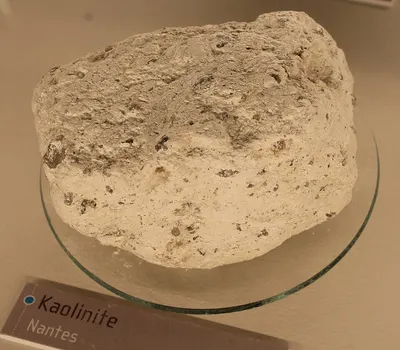
India, particularly the city of Rajkot in the state of GUJARAT, is home to UNI-MIN INDIA, a supplier with an active product count of 7. The company lists a variety of mineral products, including Quartz, Clay, Kaolin, Feldspar, and Dolomite, with specific HS code families such as 2507.00 for Kaolin Clay and 2506.10 for Quartz Powder. The materials used in these products include Kaolin (Natural Hydrated Aluminum Silicate - Al2Si2O5(OH)4), Silicon Dioxide (SiO2), and Calcium Magnesium Carbonate (CaMg(CO3)2).
Exporters of minerals like UNI-MIN INDIA typically ship their goods to regions with high demand for manufacturing industries, such as Asia and Europe. The city of Rajkot, being a major industrial hub, provides a strategic location for the supplier. With its diverse product range, UNI-MIN INDIA is well-positioned to cater to the needs of various industries, including ceramics, glass, and construction.
Product Range and Specialties of UNI-MIN INDIA
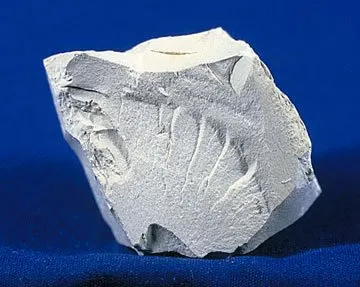
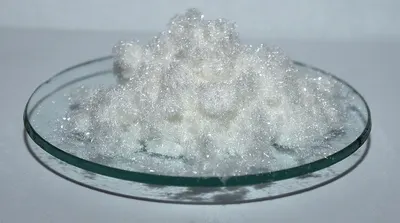
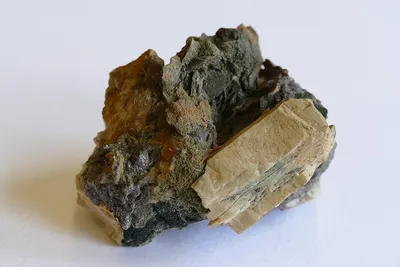
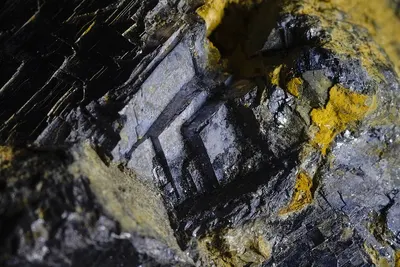
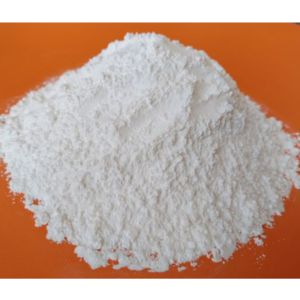
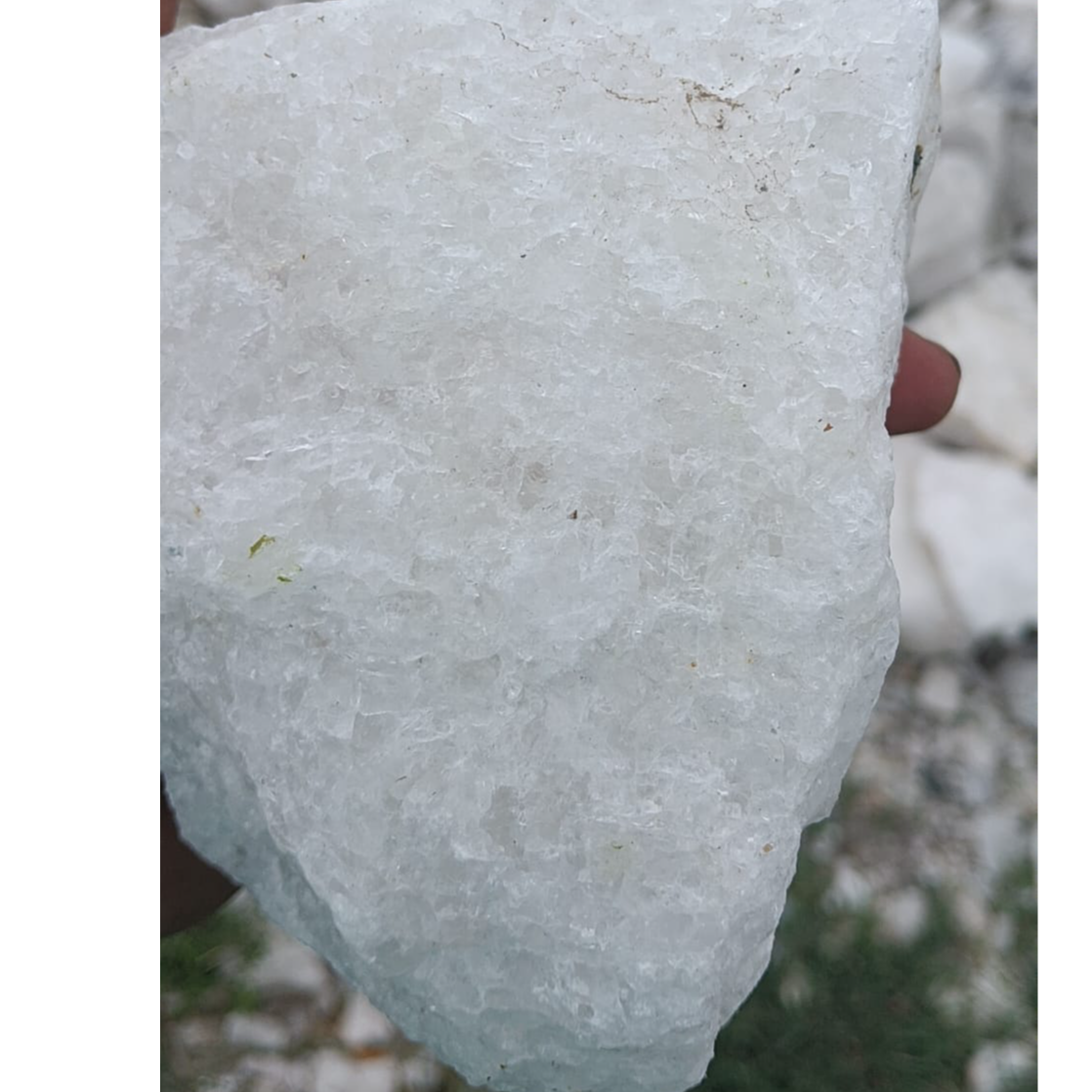
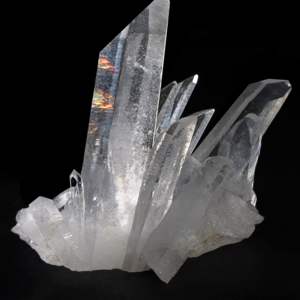
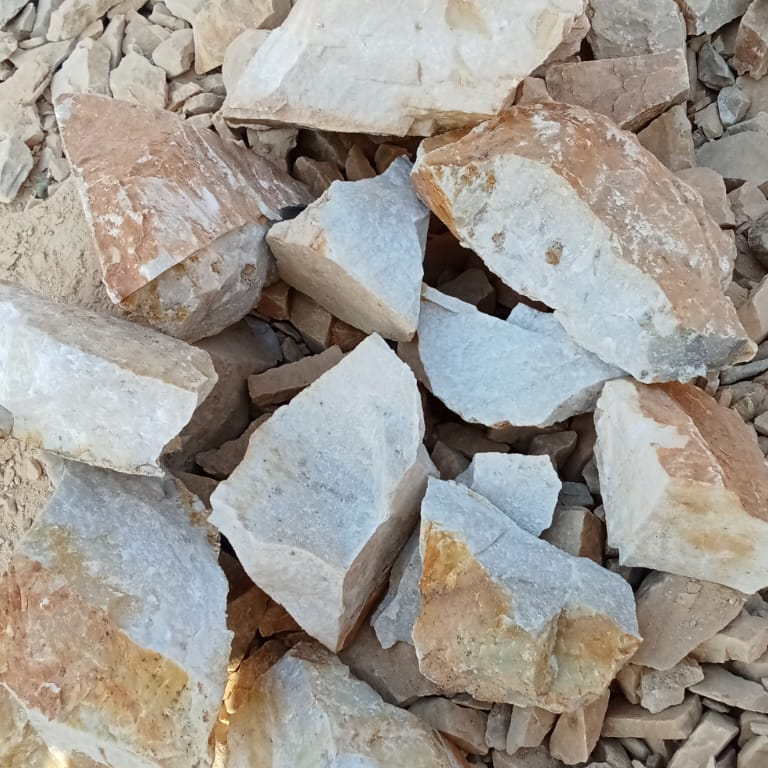
The product range of UNI-MIN INDIA includes China / Kaolin Clay, Quartz Powder Or Lumps, Feldspar Soda & Potash Powder / Lumps, Dolomite Powder, Ball Clay, China Clay, and Quartz, with corresponding HS codes and materials. Buyers of these minerals usually require specific grades and standards, such as purity levels and particle sizes. For instance, Quartz Powder Or Lumps with a purity of 99%+ is a common requirement. The supplier's catalogue provides a detailed list of products, enabling buyers to select the most suitable materials for their needs.
Trade and Export Information - UNI-MIN INDIA
Exporters of minerals from India, like UNI-MIN INDIA, typically export their goods to countries with high demand for manufacturing industries. The HS code families involved, such as 2506.10 and 2507.00, are crucial in determining the customs tariffs and regulations applicable to these goods. Buyers should be aware of the relevant certifications and standards required for these products, such as ISO 9001 or CE marking, to ensure compliance with international trade regulations. The supplier's location in Rajkot, GUJARAT, provides easy access to major ports, facilitating efficient logistics and trade operations.
Sourcing from UNI-MIN INDIA - Buyer Guidance
When sourcing from UNI-MIN INDIA, buyers should request specifications, samples, and test reports to verify the quality of the products. It is essential to confirm the purity levels, particle sizes, and other relevant parameters to ensure that the materials meet the required standards. Buyers should also inquire about the packaging and shipping procedures to guarantee safe and efficient delivery of the goods. Additionally, requesting certifications like ISO 9001 or CE marking can provide assurance of the supplier's quality management systems.
Frequently Asked Questions About UNI-MIN INDIA
What is the product range of UNI-MIN INDIA?
UNI-MIN INDIA offers a range of mineral products, including Quartz, Clay, Kaolin, Feldspar, and Dolomite, with specific HS code families and materials.
What are the typical applications of these minerals?
These minerals are widely used in manufacturing industries, such as ceramics, glass, and construction, due to their unique properties and characteristics.
What certifications should I request from UNI-MIN INDIA?
Buyers should request certifications like ISO 9001 or CE marking to ensure compliance with international trade regulations and quality management systems.
What is the typical packaging and shipping procedure for these minerals?
The supplier typically packages the minerals in bags or containers, and ships them via major ports, such as the Port of Mundra or the Port of Kandla, using Incoterms like FOB or CIF.
What is the minimum order quantity (MOQ) for these minerals?
The MOQ varies depending on the product and supplier, but buyers can expect a typical MOQ of 100-500 tons, with lead times ranging from 15-30 days.
How can I verify the quality of the minerals?
Buyers can verify the quality of the minerals by requesting test reports, inspecting the goods before shipment, and checking the certifications and compliance with international standards.
What are the common quality parameters for these minerals?
Common quality parameters include purity levels, particle sizes, moisture content, and other relevant characteristics, which can be verified through testing and inspection.




 Rajkot, India