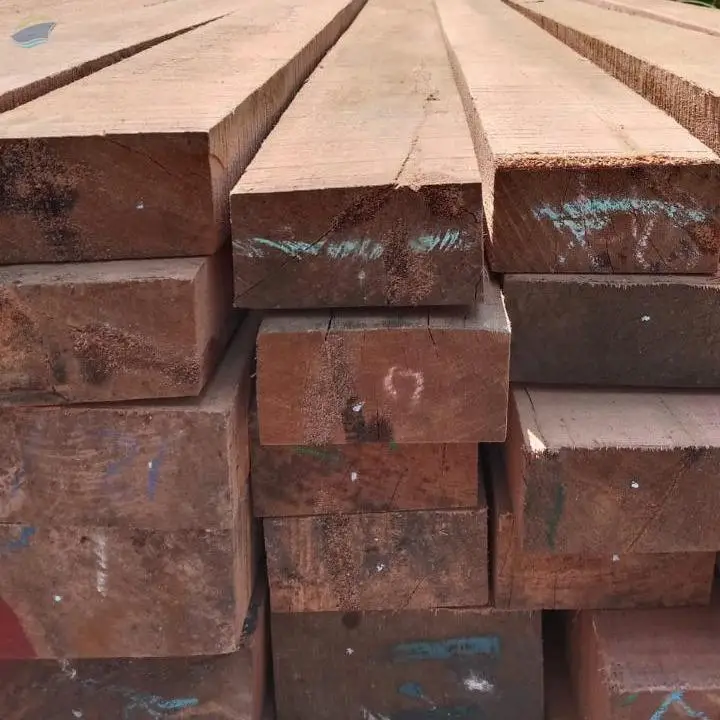
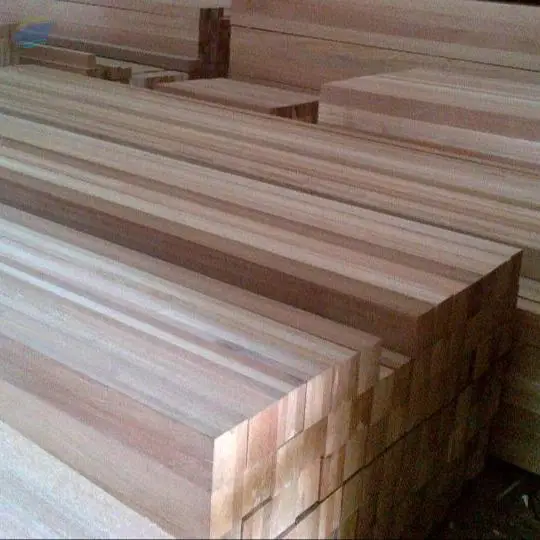
Trans Terminal Forest LLC — Manufacturer & Wholesale Supplier
About Trans Terminal Forest LLC - Softwood lumber (pine) Supplier in Russian Federation
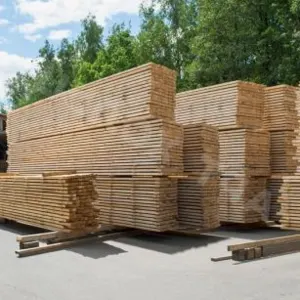
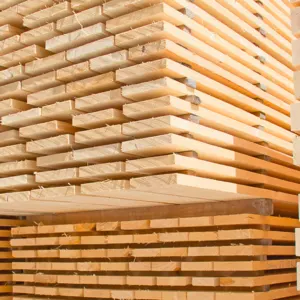
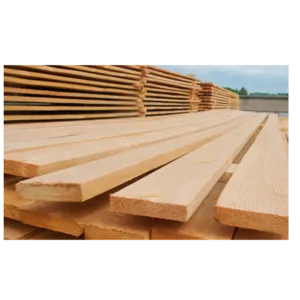
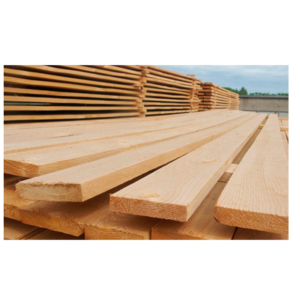
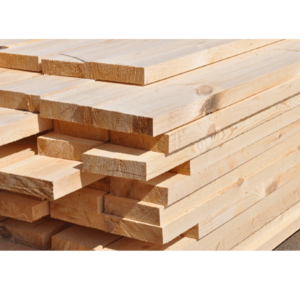
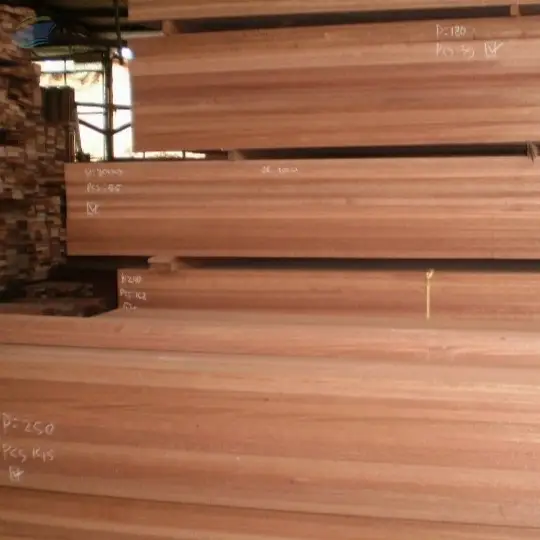
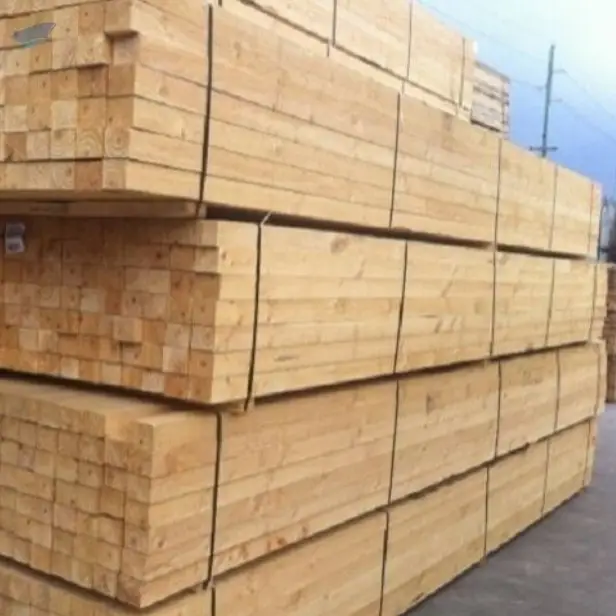
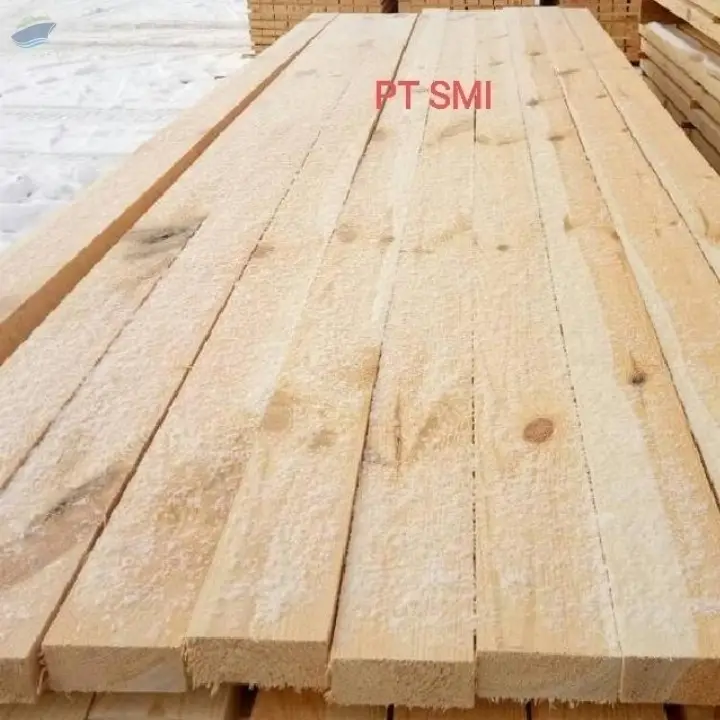
The company is located in Beloretsk, Russian Federation and lists ten active products in its catalogue. Its portfolio includes softwood lumber identified under HS chapter 44 (HS code 4407.11), hardwood lumber (HS code 4407.99), chipboard (HS code 4410.11) and a spliced cladding product classified under HS code 7403.19. The catalogue specifies material families such as pine, spruce, birch and pine wood chips, each recorded with the appropriate HS code. The product set covers a range of grades from 1‑3 softwood lumber to 4‑th grade, as well as chipboard grades B and C and extra‑grade board types.
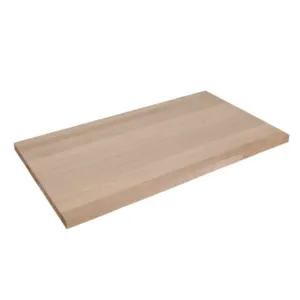
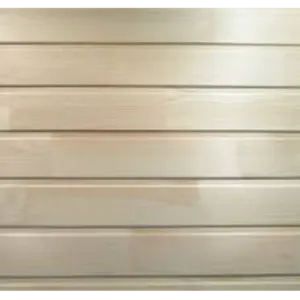
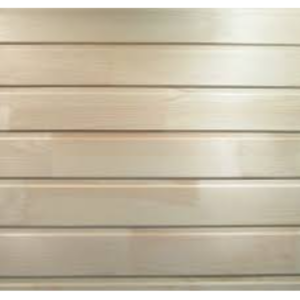
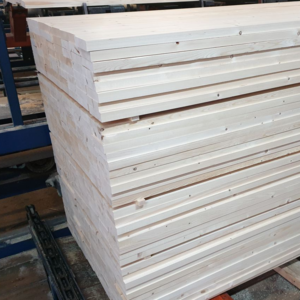
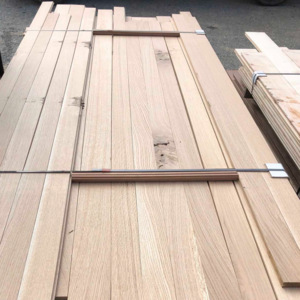
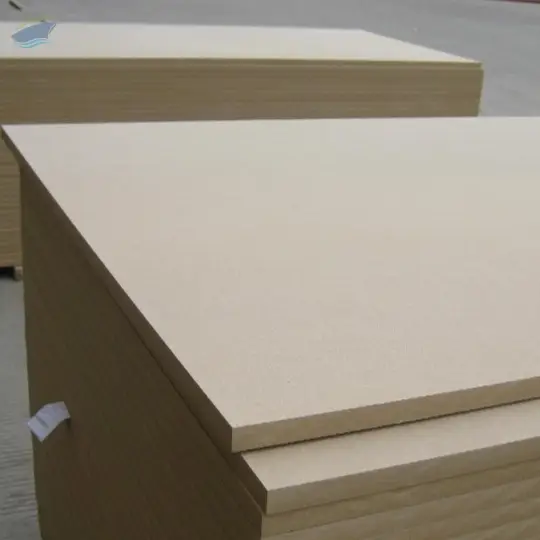
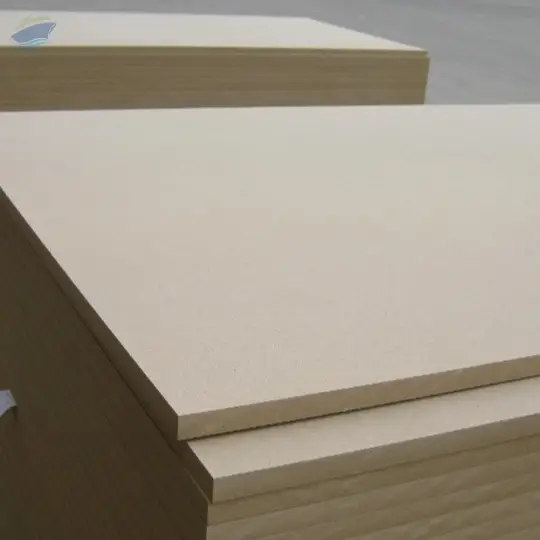
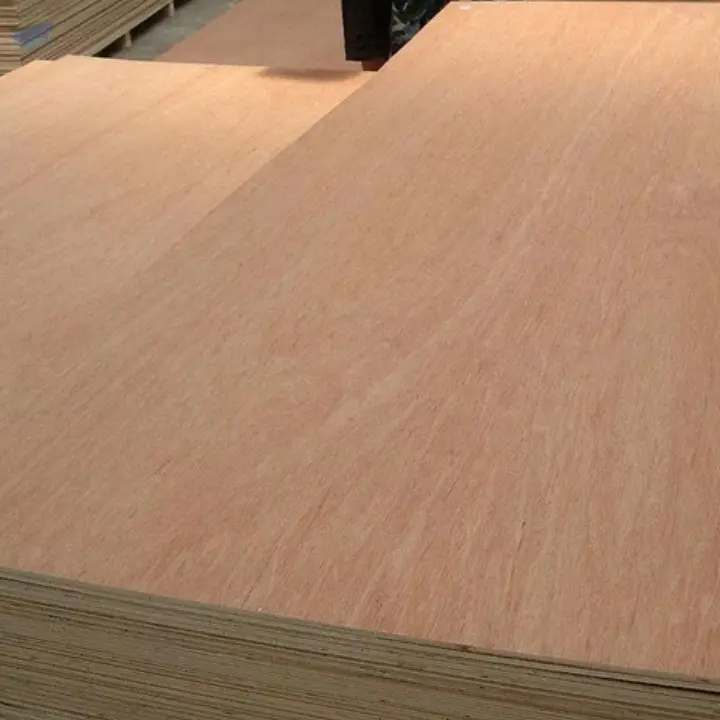
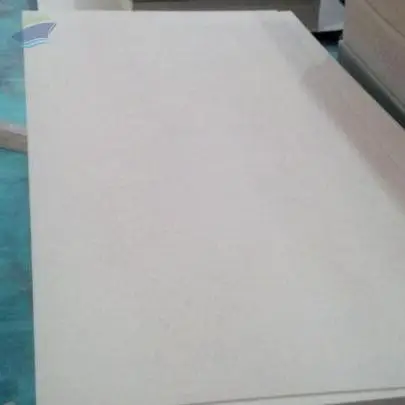
In addition to raw softwood lumber, the supplier offers processed timber products including pine chipboard (grade 3‑rd and grades B, C), planned boards in AB and extra grades, and spliced cladding in AV grades. Hardwood lumber is listed as a 1‑st grade birch product under HS 4407.99. All items are described with their material source (e.g., Pinus species, birch) and the natural humidity condition of the wood, reflecting the typical classification used in timber trade documentation.
Product Range and Specialties of Trans Terminal Forest LLC
The softwood lumber grades 1‑3 and 4‑th are commonly supplied in standard dimensions such as 50 × 100 mm, 50 × 150 mm and lengths from 2.5 m to 6.0 m, with moisture content normally 10‑12 % and strength class C14 to C24. Chipboard grades B and C are typically manufactured at densities of 600‑750 kg/m³, thicknesses between 12 mm and 25 mm, and are bound with urea‑formaldehyde resins, matching the specifications noted for pine‑based panels. Planned boards and extra‑grade boards are usually kiln‑dried to 8‑10 % moisture and cut to proprietary lengths for cladding or furniture applications. The catalogue’s inclusion of spliced cladding (HS 7403.19) aligns with industry practice of offering prefabricated façade panels that meet fire‑rating and dimensional stability standards required in construction projects.
Trade and Export Information - Trans Terminal Forest LLC
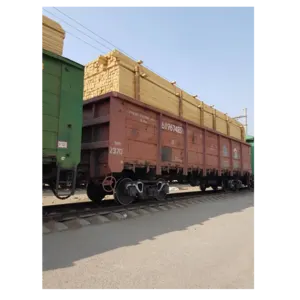
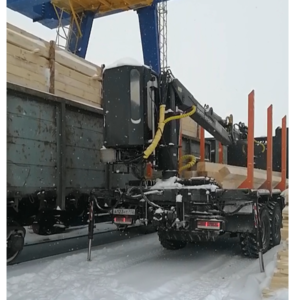
Russian softwood lumber is a significant export commodity to CIS countries such as Kazakhstan, Kyrgyzstan, Tajikistan, Uzbekistan, as well as to Iran, Turkey and other Middle Eastern markets. HS chapter 44 products (4407.11, 4407.99) are routinely shipped in 20 ft or 40 ft containers, packed in bundles on wooden pallets, with a typical container load of 20‑25 m³ of lumber. Chipboard (HS 4410.11) is often exported on pallets or bulk pallets with protective film, and the cladding product (HS 7403.19) follows similar palletised logistics. Buyers usually require phytosanitary certificates, a forest stewardship certification such as PEFC or FSC, and ISO 9001 quality management documentation. Russian exporters also comply with the Eurasian Economic Union (EAEU) customs tariff schedule and may need to provide a sanitary‑fitosanitary (SPS) declaration for wood products entering EU or CIS markets.
Sourcing from Trans Terminal Forest LLC - Buyer Guidance
When sourcing from this supplier, buyers should request the specific grade certificate that details moisture content, dimensional tolerances and strength class for the softwood lumber. A phytosanitary certificate and, where applicable, a PEFC or FSC chain‑of‑custody statement should be obtained before shipment. Test reports for chipboard density, formaldehyde emission (CARB or E1 limits) and fire‑rating (if required for cladding) are standard documents to verify compliance. Typical minimum order quantities are expressed in cubic metres; a practical MOQ for bundled lumber is around 5 m³, while chipboard orders often start at a single 20 ft container. Lead times for kiln‑dried softwood lumber from Russian mills range from 30 to 45 days, depending on grade and packaging requirements.
Frequently Asked Questions About Trans Terminal Forest LLC
What types of lumber does Trans Terminal Forest LLC offer?
The catalogue lists softwood lumber (pine) in grades 1‑3 and 4‑th, hardwood lumber (birch) grade 1‑st, as well as pine‑based chipboard grades B and C, and planned boards in AB and extra grades.
Which HS codes apply to the listed products?
Softwood lumber and most planned boards use HS 4407.11, hardwood birch lumber uses HS 4407.99, pine chipboard uses HS 4410.11, and the spliced cladding product is classified under HS 7403.19.
What certifications should a buyer request?
Buyers should ask for a forest‑stewardship certificate (PEFC or FSC), ISO 9001 quality management certification, and a phytosanitary certificate for all wood‑based products.
What are typical packaging methods for the lumber?
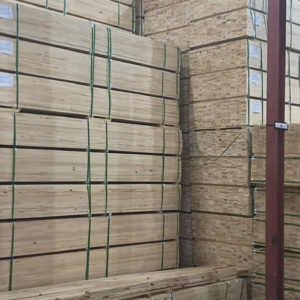
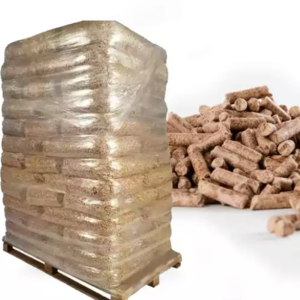
Lumber is usually bundled, strapped and placed on standard 1 m × 1.2 m wooden pallets, wrapped with breathable film, and loaded into 20 ft or 40 ft containers.
What is the usual minimum order quantity?
For bundled softwood lumber the practical MOQ is about 5 cubic metres; chipboard orders commonly start at a full 20 ft container load.
What lead time can buyers expect?
Lead times for kiln‑dried softwood lumber are typically 30‑45 days from order confirmation, while chipboard and cladding may require 35‑50 days depending on grade and finishing.
Which markets commonly import these Russian timber products?
The primary import markets include Central Asian countries (Kazakhstan, Kyrgyzstan, Tajikistan, Uzbekistan), as well as Iran, Turkey and other Middle Eastern regions that use the wood for construction, furniture and interior finishing.




 , Russian Federation