Traders Intel — Verified Supplier
About Traders Intel - Wheat Flour Supplier in Pakistan
Pakistan supplies eight distinct food products through Traders Intel, an imported supplier listed with a harbor trust tier. The catalogue includes wheat flour, rice, fresh onion, fresh potato, salt, a mouth freshener, fried onion, and ginger‑garlic paste. Each item is identified by its standard commodity description used in international trade. The product set covers both bulk staples such as wheat flour (HS 1101) and rice (HS 1006) and processed items like ginger‑garlic paste. The supplier’s active product count of eight reflects a focused range within the agricultural and food‑processing sector.
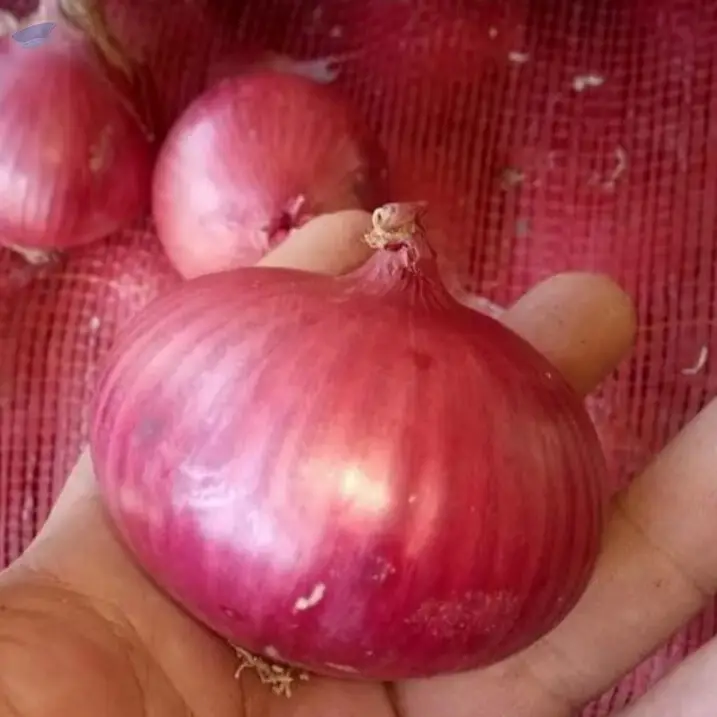
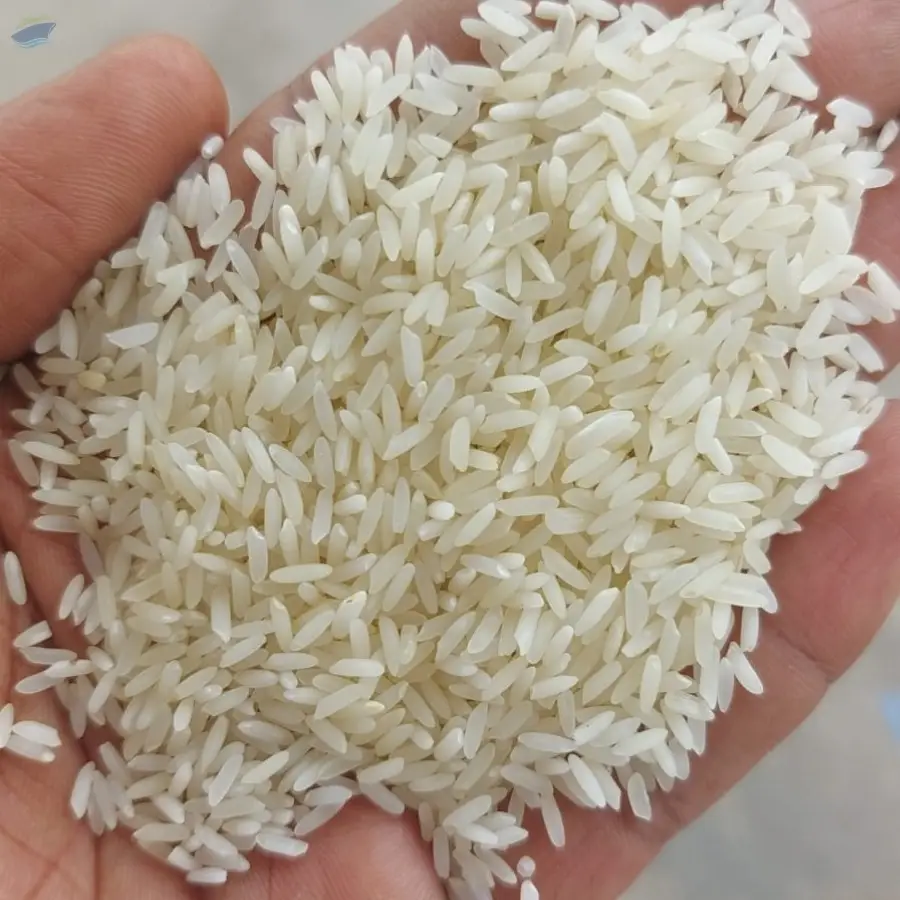
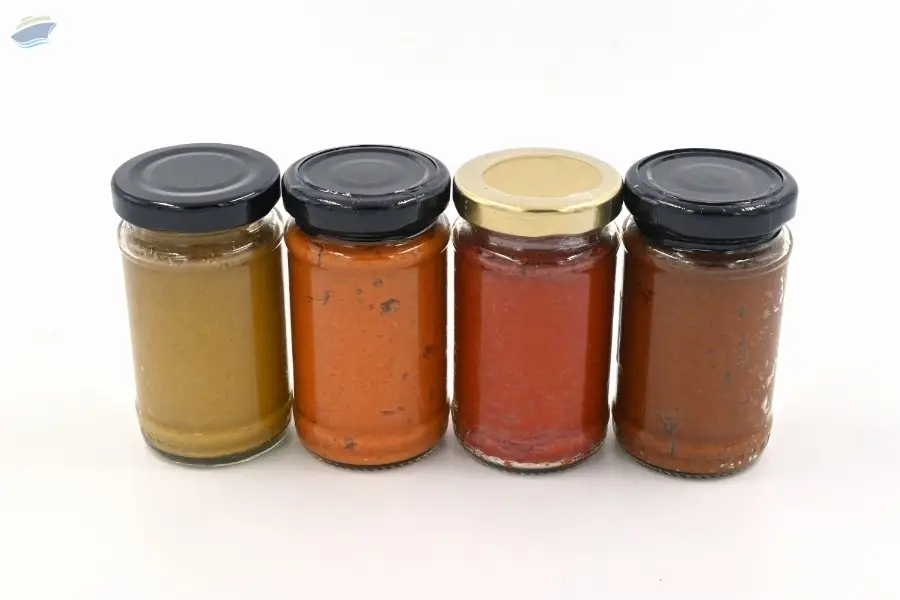
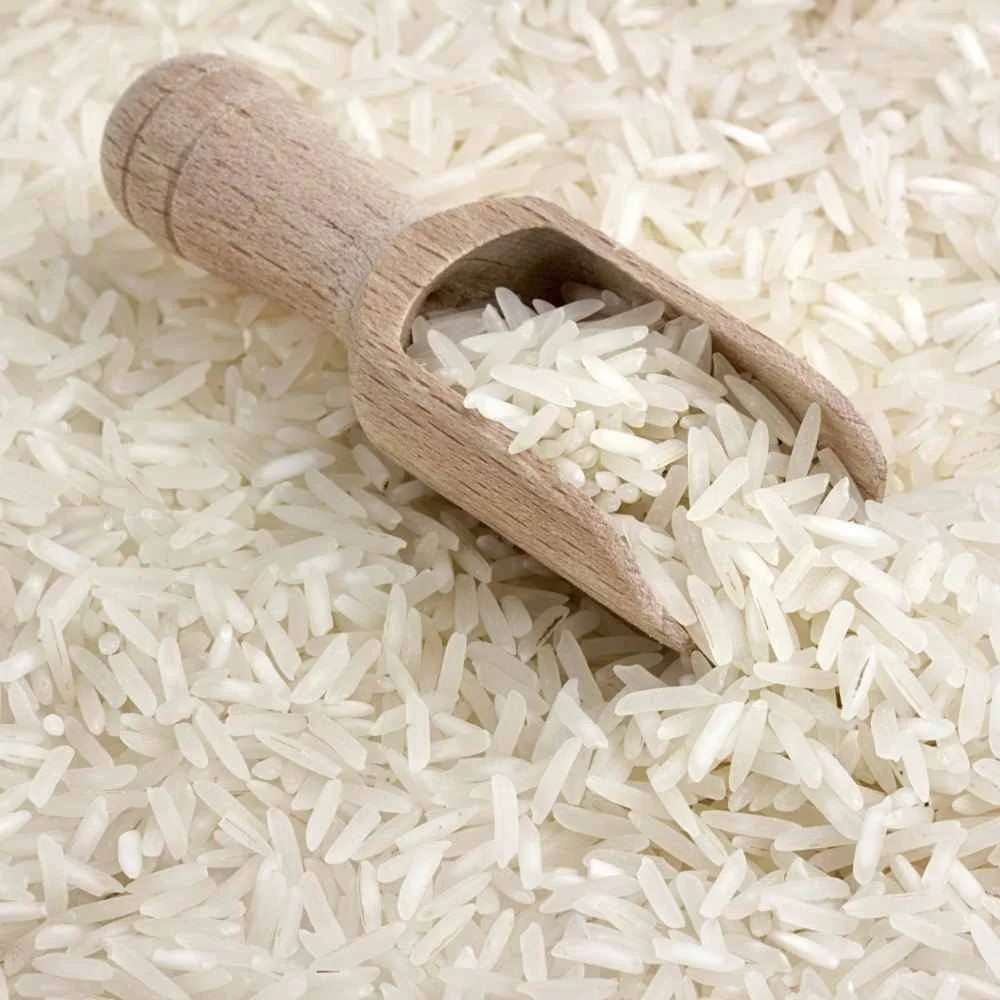
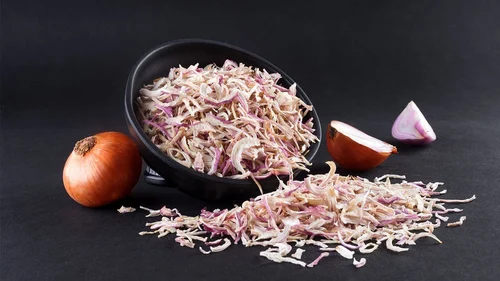
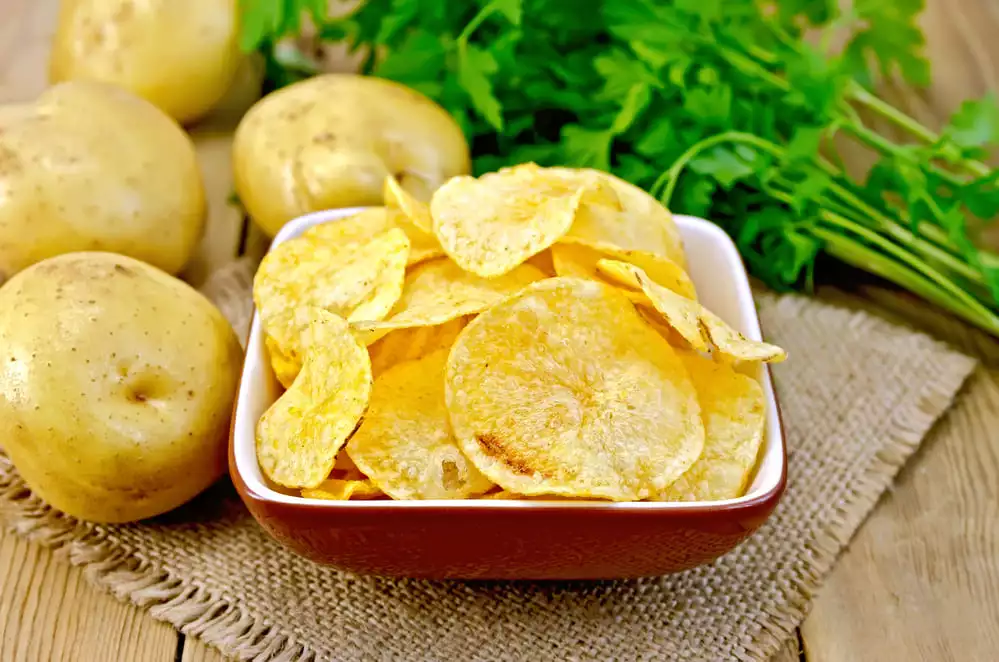
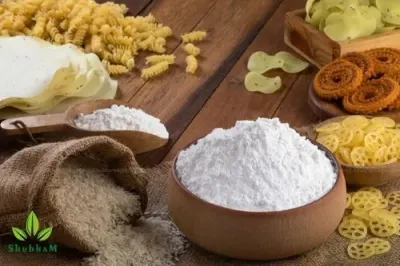
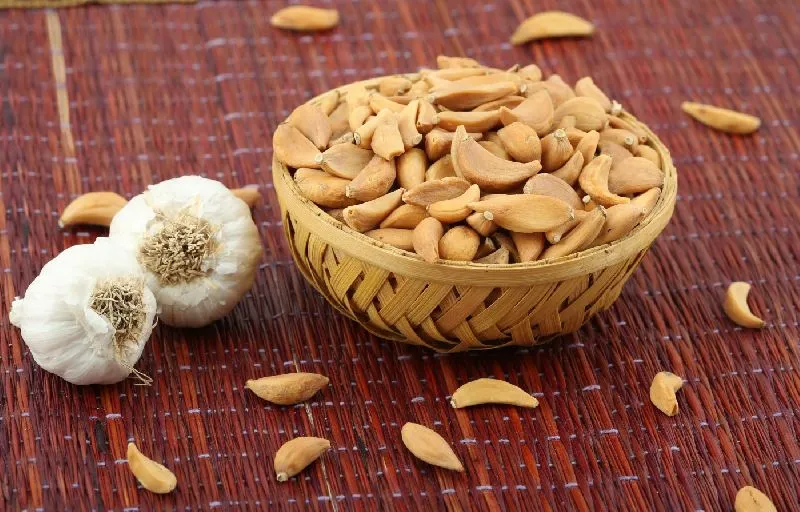
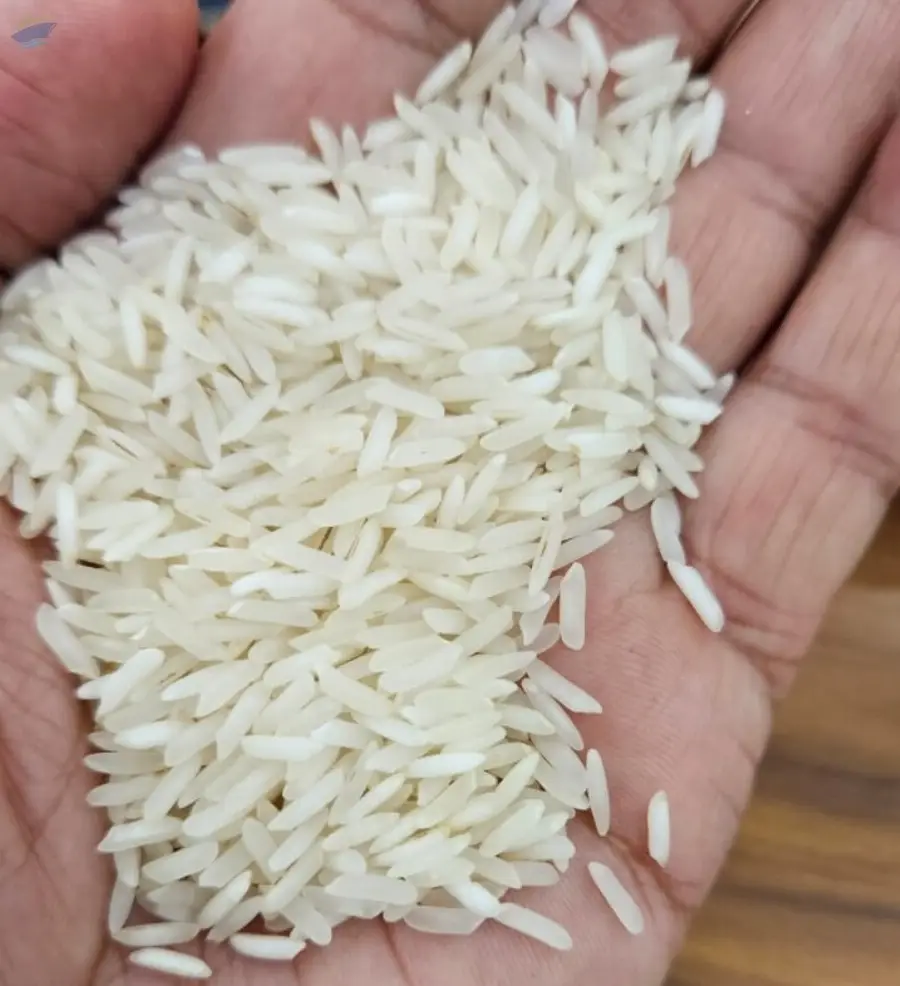
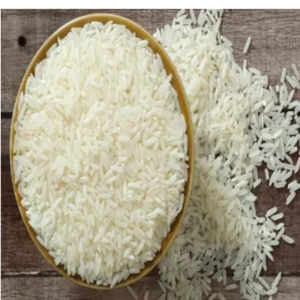
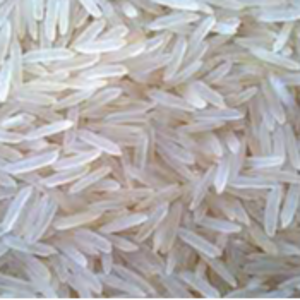
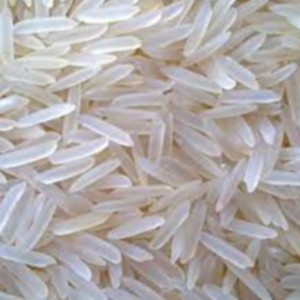
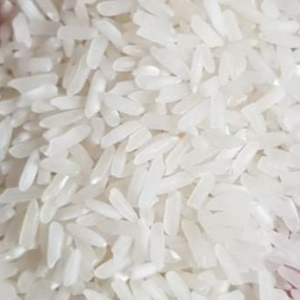
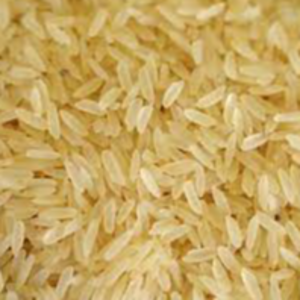
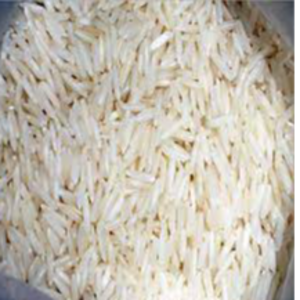
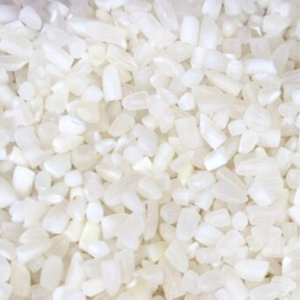
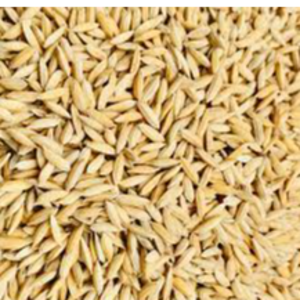
The wheat flour entry corresponds to the common milling grade used for bakery and household consumption, typically featuring protein levels between 10 % and 12 % and ash content below 0.6 %. The rice offering aligns with long‑grain varieties exported from Pakistan, usually meeting moisture limits of 12‑14 % and broken grain percentages under 10 %. Fresh onion and potato are listed as whole commodities, generally supplied in 20‑kg mesh bags with moisture contents of 8‑10 % and 78‑80 % respectively. Salt is presented as edible grade, commonly meeting a minimum purity of 97 % NaCl and optional iodine fortification. The mouth freshener, fried onion, and ginger‑garlic paste are processed food items packaged in 5‑kg or 10‑kg containers for bulk buyers.
Product Range and Specialties of Traders Intel
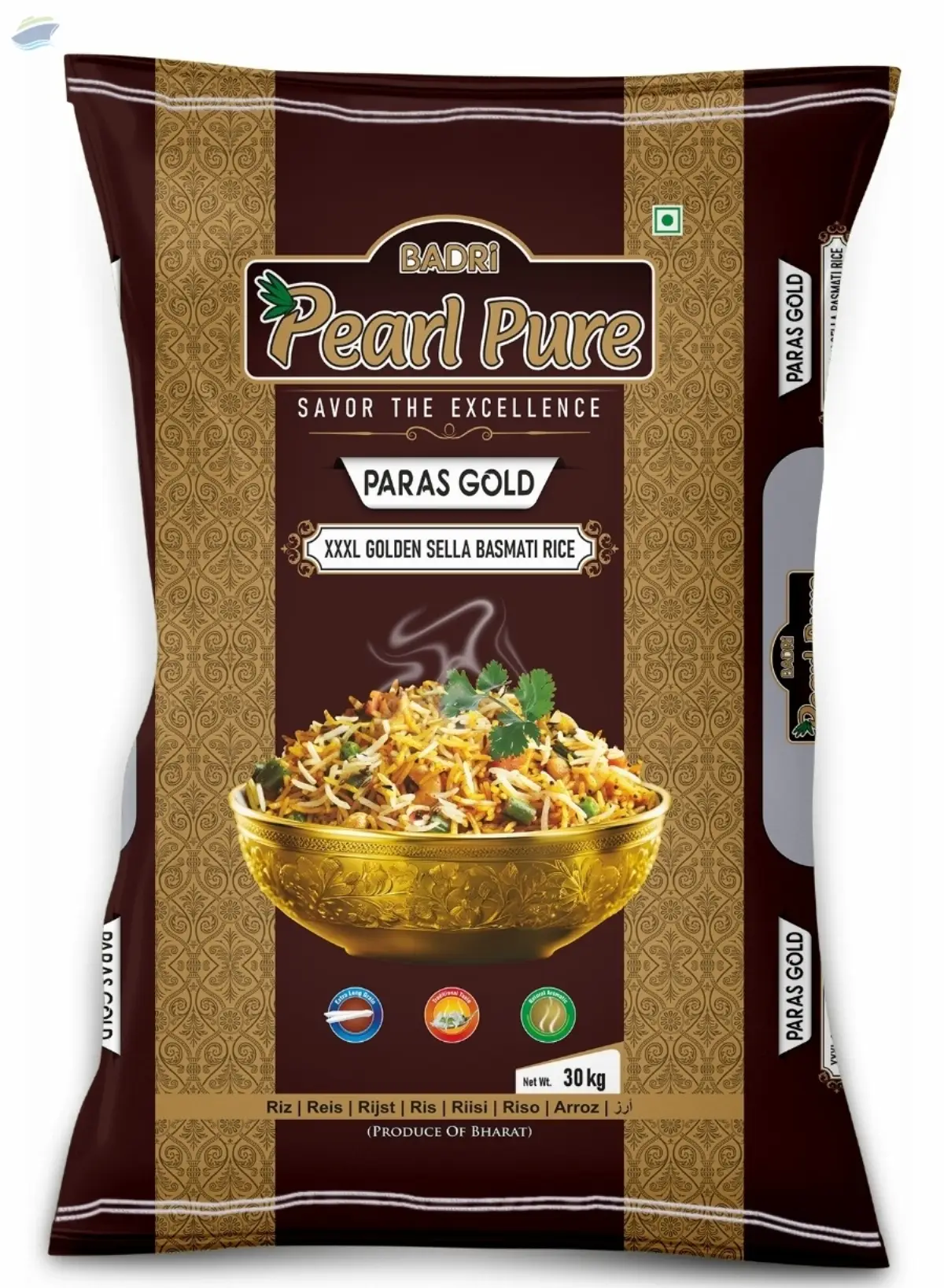
Traders Intel’s catalogue lists eight products: wheat flour, rice, fresh onion, fresh potato, salt, a mouth freshener, fried onion, and ginger‑garlic paste. In the global grain market, wheat flour is classified under HS 1101 and is often supplied in 25‑kg or 50‑kg polypropylene bags, with standard specifications such as protein 10‑12 % and moisture ≤14 %. Pakistani rice, under HS 1006, is exported primarily as Basmati or non‑Basmati long grain, with typical broken grain limits of 5‑10 % and moisture ≤14 %. Fresh onion (HS 0703) and potato (HS 0701) are usually packed in mesh bags of 10‑20 kg, with size grading (e.g., 40‑50 mm for onion) and specific gravity checks for potatoes. Edible salt (HS 2501) is commonly supplied in 25‑kg bulk bags, meeting purity ≥97 % NaCl and optional iodine levels of 30‑50 ppm. Processed items such as fried onion and ginger‑garlic paste are typically packed in food‑grade drums or bulk bags, with moisture limits of 10‑12 % and refrigerated transport for extended shelf life. Mouth fresheners, often classified under confectionery HS 1704, are produced as bulk lozenges or powdered mixes, with standard menthol content ranging from 0.5 % to 2 %.
Trade and Export Information - Traders Intel
Pakistan is a major exporter of wheat flour, rice, and edible salt, with key markets in the Middle East, North Africa, and South Asia. HS 1101 wheat flour shipments frequently require ISO 22000 or HACCP certification, and buyers often request a Halal declaration for food‑service applications. Rice under HS 1006 follows phytosanitary regulations, and many importers request a Certificate of Origin and a fumigation certificate for pest control.
Onion (HS 0703) and potato (HS 0701) are seasonal commodities; export volumes peak during the post‑harvest months and are typically shipped in 20‑ft containers with bulk bag loading. Standard packaging includes woven polypropylene bags with moisture‑barrier liners, and customs inspections commonly verify pesticide residue limits per Codex standards. Processed products such as fried onion, ginger‑garlic paste, and mouth fresheners fall under HS 2008 - 2009 and are subject to food safety audits, labeling requirements for ingredient lists, and, where applicable, Halal certification. Logistics for these items often use CIF terms to Gulf ports, with temperature‑controlled containers for paste products.
Sourcing from Traders Intel - Buyer Guidance
Buyers sourcing wheat flour or rice from Traders Intel should request a recent mill test report showing protein, ash, moisture, and gluten strength, as well as a Certificate of Analysis that confirms compliance with Codex Alimentarius limits. For salt, a purity test report and, if required, an iodine fortification certificate should be examined before order confirmation.
When ordering fresh onion, potato, or processed items, buyers typically ask for a pre‑shipment phytosanitary certificate, a sample analysis for pesticide residues, and packaging specifications such as bag weight and liner type. Verification of Halal certification or ISO 22000 compliance can be requested for all food products, and a commercial invoice indicating HS codes and country of origin should accompany the shipment.
Frequently Asked Questions About Traders Intel
What HS codes are used for the products listed by Traders Intel?
The bulk staples use HS 1101 for wheat flour, HS 1006 for rice, HS 0703 for onion, HS 0701 for potato, and HS 2501 for edible salt. Processed items such as fried onion and ginger‑garlic paste fall under HS 2008, while mouth fresheners are classified under HS 1704.
Which certifications should I request for wheat flour and rice?
Buyers usually request ISO 22000 or HACCP certificates to verify food‑safety management, and a Halal certificate if the product will be used in Halal‑compliant markets. A recent Certificate of Analysis confirming protein, moisture and ash levels is also standard.
What are the typical packaging sizes for bulk wheat flour and rice?
Both wheat flour and rice are commonly packed in 25‑kg or 50‑kg polypropylene bags for bulk shipments. These bags are often stacked in 20‑ft containers, allowing 20‑25 tons per container depending on moisture content.
How are fresh onions and potatoes usually packed for export?
Fresh onions and potatoes are typically packed in woven polypropylene mesh bags of 10‑20 kg, with interior liners to protect against moisture loss. The bags are then palletized for loading into refrigerated containers when necessary.
What quality parameters are common for edible salt?
Edible salt generally must meet a minimum NaCl purity of 97 % and moisture content below 0.5 %. When sold as iodized salt, iodine levels are usually specified between 30 ppm and 50 ppm.
What documents are needed for processed items like ginger‑garlic paste?
For processed pastes, buyers should request a Certificate of Analysis, a Halal certificate if required, and a phytosanitary certificate confirming the product is free from pests. Shelf‑life testing results and packaging material safety data sheets are also advisable.




 , Pakistan
.jpg.png)