Agriculture›
 Apparel and fashion accessories›
 Construction & real estate›💡Electronic & Electrical›🍎Food & Beverages›🛋️Home furnishing & supplies›⚗️Industrial goods & chemical›🪨Minerals & metals›📦Miscellaneous›Agriculture›Apparel and fashion accessories›Construction & real estate›💡Electronic & Electrical›🍎Food & Beverages›🛋️Home furnishing & supplies›⚗️Industrial goods & chemical›🪨Minerals & metals›📦Miscellaneous›
Traderking Online Private Limited
⚓ Harbor , IndiaNew supplier / no reviews yet
Traderking Online Private Limited Product Catalog



About Traderking Online Private Limited - Coconut Oil Supplier in India
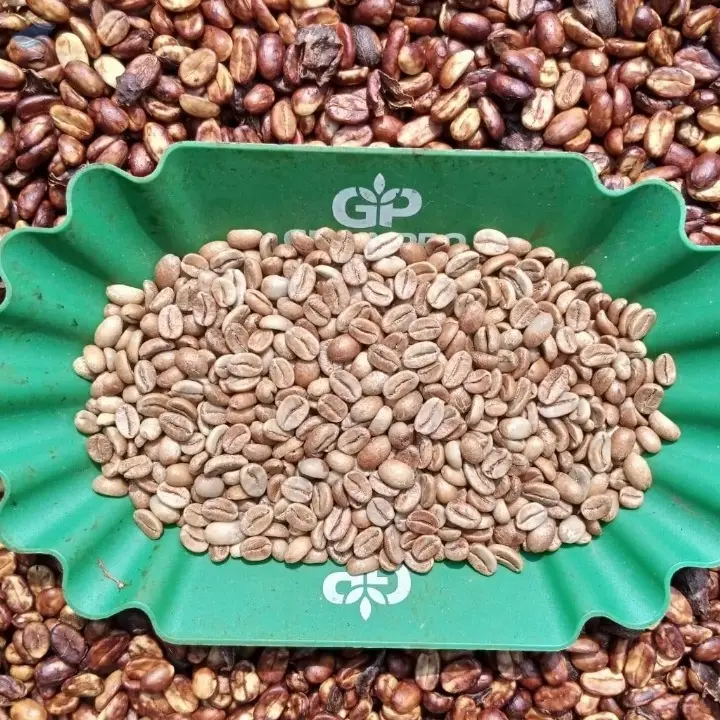
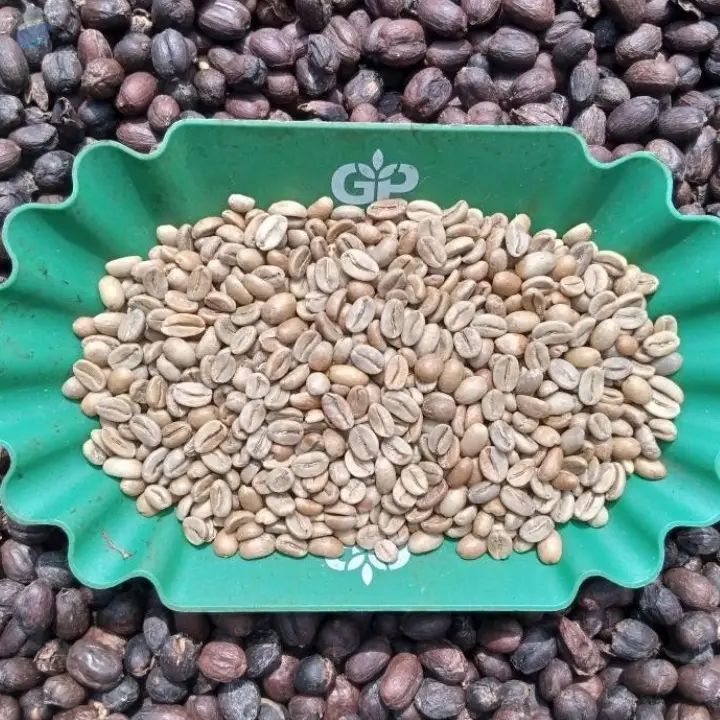
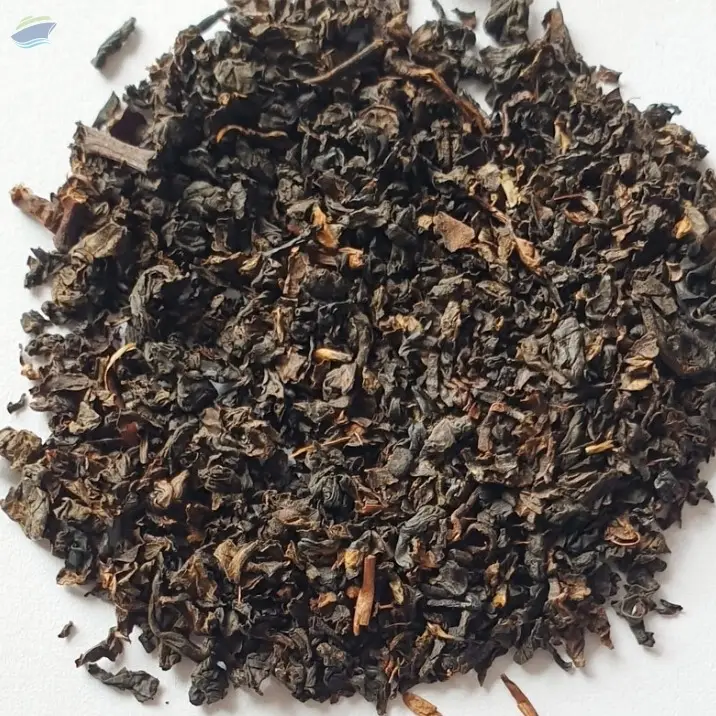
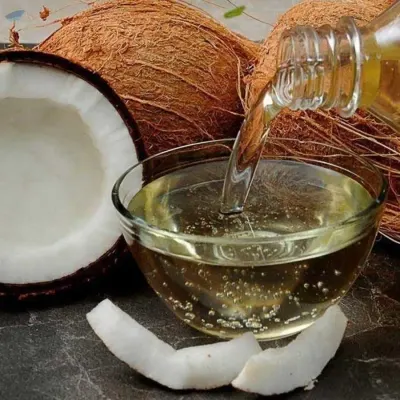
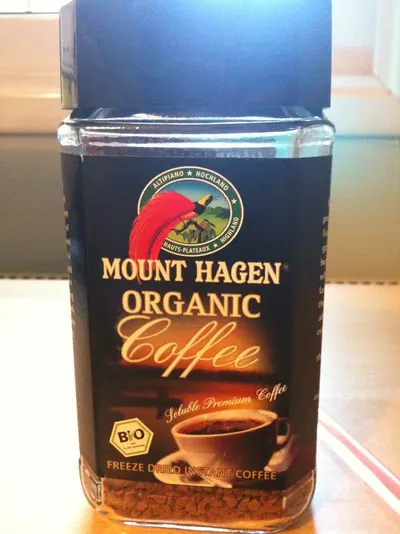
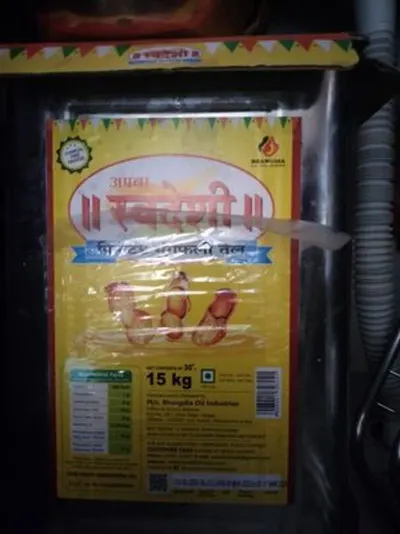
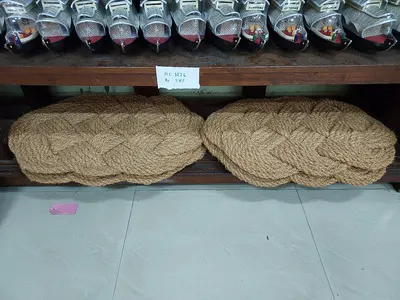
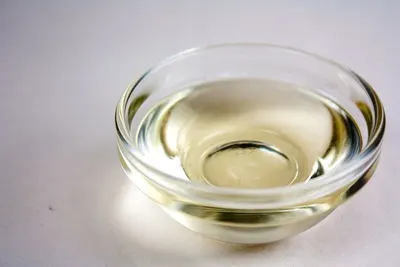
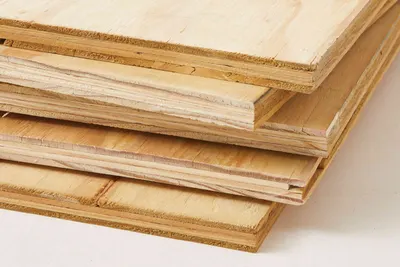
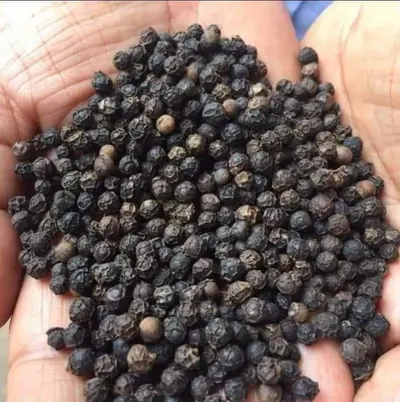
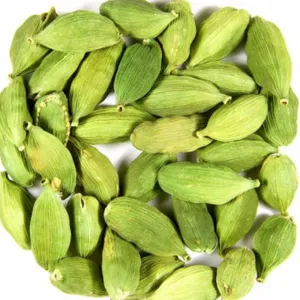
India is the listed origin for Traderking Online Private Limited, which currently displays 13 active products across several B2B categories. The catalogue includes consumables such as a Canon B5 Toner Kit, office paper of 70 GSM, and a broad set of food and raw material items ranging from Kerala coconut oil to organic coffee, pineapples, and Himalayan shilajith. Spice items feature green cardamom, black pepper and dried black lemon, while construction‑related goods comprise plywood and hand‑crafted coir mats and rugs. Each product is presented under its specific category without any declared certifications or HS‑code references in the supplied data.
The supplier’s listed top categories cover coconut oil, computer printers & materials, green cardamom, food raw material, dehydrated fruits, plywood, coir mats and tea powder. Although the profile mentions operating bases in the United Arab Emirates, Saudi Arabia and the United Kingdom, the only verified geographic source is India. No explicit claims about production capacity, employee numbers or revenue are provided, and the description focuses solely on the product types that the supplier currently advertises.
Product Range and Specialties of Traderking Online Private Limited
Traderking’s catalogue groups items into three broad sectors: office‑related consumables (printer toner, 70 GSM paper), agricultural and food products (coconut oil, cardamom, black pepper, dried lemon, pineapple, organic coffee, tea powder, shilajith) and building materials (plywood, coir mats). In the coconut‑oil market, Indian exporters typically offer virgin oil with free fatty acid (FFA) levels below 0.5 % and peroxide values under 10 meq O₂/kg, conforming to ISO 660 and Indian FSSAI standards. Spice exports such as cardamom and black pepper are usually graded by size and moisture content, with common specifications including ≥ 95 % purity for cardamom and ≤ 12 % moisture for pepper. Plywood from Kerala is often produced to meet Indian Standard IS 2825, and coir mat manufacturers routinely reference FSC or equivalent sustainability guidelines.
Frequently Asked Questions About Traderking Online Private Limited
What types of coconut oil does Traderking offer?
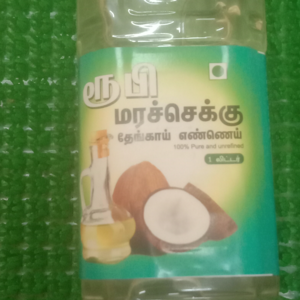
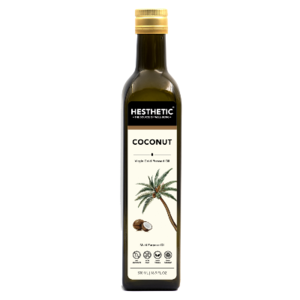
The catalogue lists Kerala Coconut Oil labeled as "Pure & Premium". Indian coconut‑oil exporters generally provide virgin oil with free fatty acid levels below 0.5 % and peroxide values under 10 meq O₂/kg.
Are spice products such as cardamom and black pepper graded?
Cardamom and black pepper are listed without explicit grades, but standard Indian export practice grades cardamom by pod size and purity (typically ≥ 95 % essential oil) and black pepper by moisture content (≤ 12 %). Buyers should request the specific grade sheet.
What documentation should I request for plywood?
Ask for a mill test report, a certificate of origin and, if sustainability is required, an FSC or comparable declaration. Indian plywood is usually produced to IS 2825 specifications.
Can I obtain a sample before placing a full order?
Yes, traders normally provide a sealed sample of oil, a small spice lot (e.g., 1 kg) or a plywood panel for quality verification. Sample costs and shipping are typically borne by the buyer.
What are the common packaging methods for these products?
Coconut oil is shipped in stainless‑steel drums or food‑grade PET containers, spices in food‑grade polypropylene bags, plywood in shrink‑wrapped bundles, and paper in standard cartons. All packaging complies with ISO 9001 packaging guidelines when specified by the buyer.
IndiaRelated Suppliers & Products
Explore similar suppliers, related products and trending categories