Trade Corp. Global — Verified Supplier
About Trade Corp. Global - Frozen Chicken Supplier in Australia
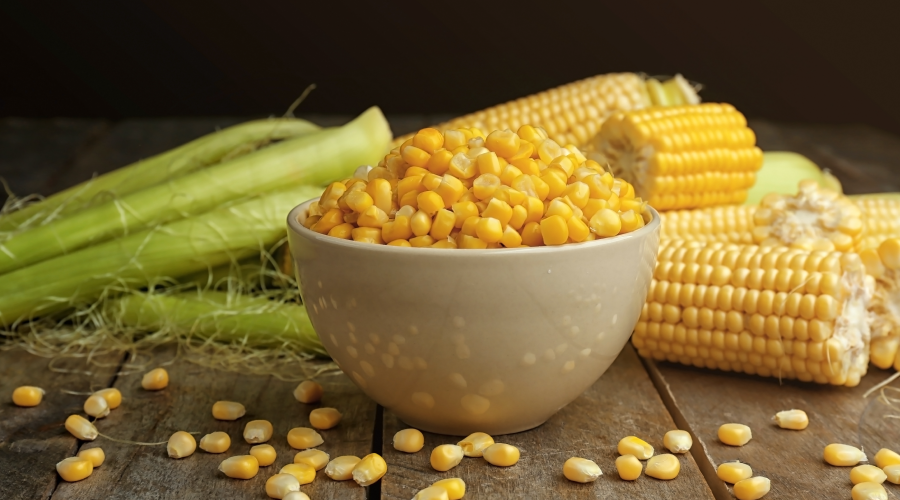
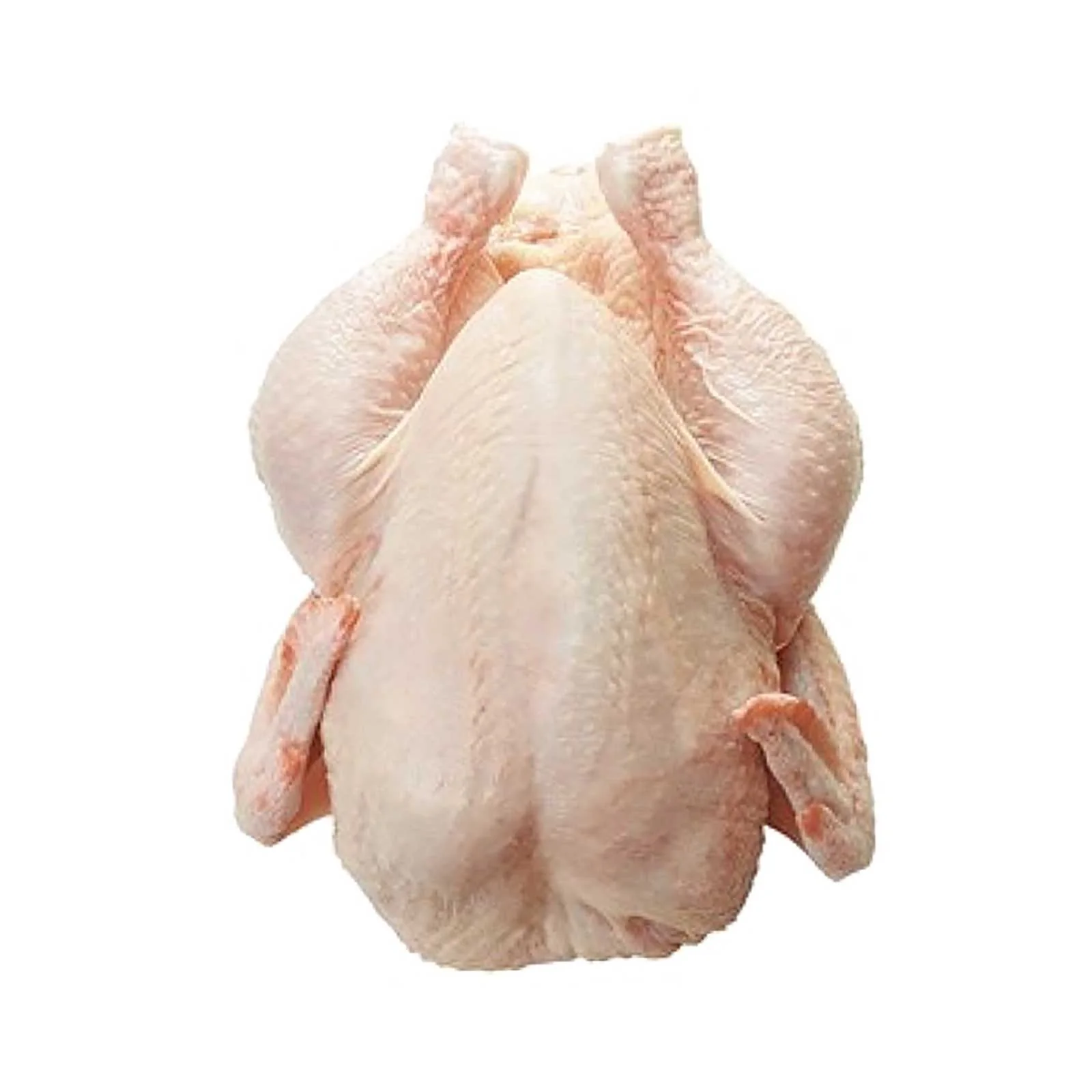
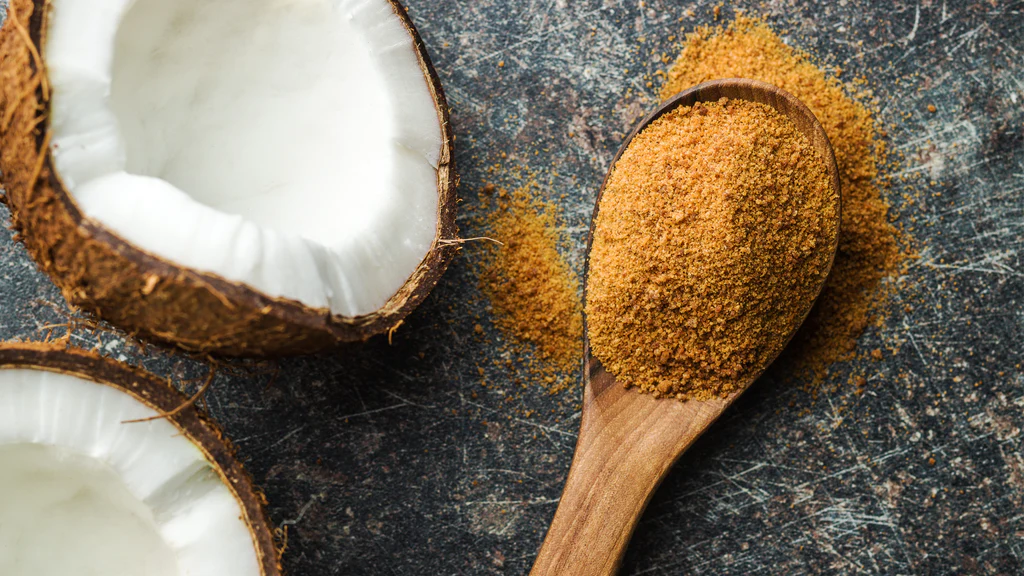
Trade Corp. Global is based in Australia and lists seven active products. Its catalogue includes Brazilian white refined sugar cane (ICUMSA 45), Brazilian sugar, Brazilian grade A processed frozen chicken paws, grade A processed frozen chicken feet, Brazil grade A processed frozen mid joint wings, and yellow corn for animal feed. The company classifies its offerings under top categories frozen chicken, sugar, meat & poultry, agriculture and corn. The product list reflects both meat poultry cuts and bulk agricultural commodities. HS code families relevant to these items fall under chapters 02, 17 and 10.
The frozen poultry items are presented as grade A processed cuts, covering paws, feet and mid‑joint wings. The sugar entries specify a white refined cane sugar with the ICUMSA 45 standard, a common benchmark for high‑purity consumer sugar. The corn product is described as yellow corn intended for animal feed, a staple feed grain in many markets. All items are sourced from Brazil, a major exporter of these commodities. Trade Corp. Global does not disclose additional certifications in the public data.
Product Range and Specialties of Trade Corp. Global
The supplier’s frozen chicken range comprises processed paws, feet and mid‑joint wings, each labelled Grade A. In the poultry export market, Grade A cuts are typically required to meet microbiological limits of ≤10 CFU/g for Salmonella and ≤100 CFU/g for Campylobacter, and to be frozen at - 18 °C or lower. The sugar offering is a Brazilian white refined cane sugar meeting the ICUMSA 45 specification, which corresponds to a purity of at least 99.8 % sucrose and moisture below 0.04 %. Corn for animal feed is generally supplied in bulk, with protein content around 7‑9 % and moisture under 14 %, meeting feed‑grade standards such as the European Feed Directive. Buyers in these categories often request certificates such as ISO 22000, HACCP compliance, and SGS analysis reports to verify these specifications.
Trade and Export Information - Trade Corp. Global
Australia serves as a logistics hub for re‑export of Brazilian agricultural commodities, with major sea routes to East Asia, the Middle East and Europe. Frozen poultry from Brazil is typically classified under HS 0207 and shipped in insulated containers, often using CIF terms to ports like Shanghai, Dubai and Rotterdam. Refined white sugar falls under HS 1701 and is exported in 50 kg bags or bulk cargo, with buyers in the food‑processing sector frequently requiring phytosanitary certificates and quality analysis reports. Yellow corn for animal feed is covered by HS 1005 and is commonly loaded in 20‑ft or 40‑ft containers, with moisture control and fumigation documentation standard practice.
Importing countries usually demand compliance with the Codex Alimentarius standards for sugar and the World Organization for Animal Health (OIE) guidelines for poultry meat. Common certifications requested include ISO 9001 for quality management, HACCP for food safety, and origin certificates to confirm Brazilian provenance. Packaging for frozen poultry often involves vacuum‑sealed polyethylene bags within insulated crates, while sugar is packed in polypropylene bags with moisture‑proof liners. Logistics from Australia typically involve transshipment at major ports such as Sydney or Melbourne before onward shipment to end‑user markets.
Sourcing from Trade Corp. Global - Buyer Guidance
Potential buyers should request a recent laboratory analysis confirming ICUMSA 45 purity for sugar and microbiological test results for the frozen chicken cuts, including Salmonella and Campylobacter counts. For the corn, a nutrient analysis showing protein, moisture and mycotoxin levels is standard. Buyers are advised to verify that the supplier can provide HACCP and ISO 22000 certificates, as well as a phytosanitary certificate for the poultry and a certificate of origin for the sugar and corn. Sample orders are usually arranged in 5 kg frozen packs for poultry and 25 kg bulk bags for sugar, allowing laboratories to assess compliance before full orders. Confirm packaging details, such as insulated containers for poultry and moisture‑proof bags for sugar, and clarify Incoterm preferences, commonly CIF or FOB.
Frequently Asked Questions About Trade Corp. Global
What are the grades and specifications for the frozen chicken products?
The frozen chicken paws, feet and mid‑joint wings are listed as Grade A processed cuts, typically frozen at - 18 °C or lower and meeting microbiological limits of ≤10 CFU/g for Salmonella and ≤100 CFU/g for Campylobacter.
Which purity standard does the Brazilian white refined sugar meet?
The sugar is described as ICUMSA 45, which corresponds to a minimum sucrose purity of 99.8 % and moisture content not exceeding 0.04 %.
What quality documentation should a buyer request for the corn product?
Buyers should ask for a recent nutrient analysis showing protein (7‑9 %), moisture (<14 %) and a mycotoxin test, together with an ISO 22000 or HACCP compliance certificate.
What are the typical packaging formats for these products?
Frozen poultry is usually vacuum‑sealed in polyethylene bags placed in insulated wooden crates, sugar is packed in 50 kg polypropylene bags with moisture‑proof liners, and corn for feed is loaded in bulk bags or 20‑ft containers.
Which HS code families correspond to the supplier’s product categories?
Frozen poultry falls under HS 0207, refined white sugar under HS 1701, and yellow corn for animal feed under HS 1005, which are the standard tariff headings used internationally.
What Incoterms are commonly used for shipping from Australia?
Buyers frequently arrange shipments on CIF (Cost, Insurance, Freight) to the destination port or FOB (Free on Board) from Australian ports such as Sydney or Melbourne.
How can a buyer obtain samples before placing a full order?
Samples can be requested in 5 kg frozen packs for poultry cuts and 25 kg bulk bags for sugar, allowing the buyer’s lab to verify microbiological and purity specifications.




 , Australia