Titanium Alloy Div. Of Tiger International — Verified Supplier
About Titanium Alloy Div. Of Tiger International - Titanium Products Supplier in China
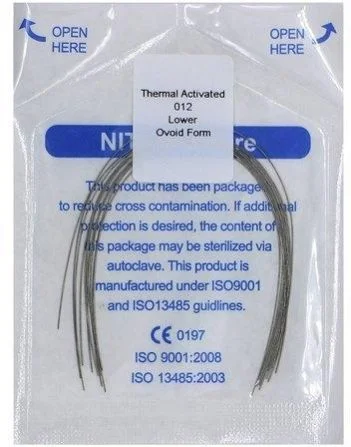
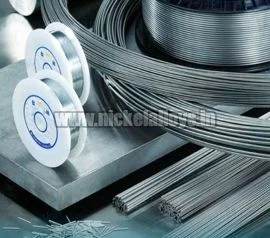
China, a significant player in the global titanium market, is home to Titanium Alloy Div. Of Tiger International, a supplier with 13 active products. Located in this key industrial region, the company lists a range of titanium products, including Titanium Plate, Titanium Bar, Titanium Sheet, and Titanium Wire, among others. These products are categorized under HS code families such as 8108.20 and 8108.90, which are typical for titanium and its alloys. The materials used include various grades of titanium, such as CP Grades 2/3/4/5/6, Ti-6Al-4V, and custom alloys, reflecting the diversity of applications these products serve.
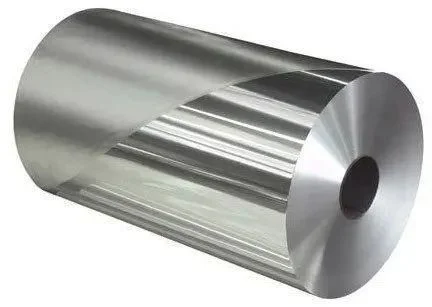
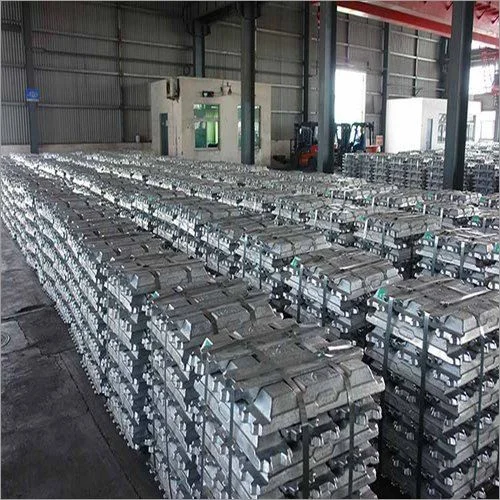
The diversity of Titanium Alloy Div. Of Tiger International's product range is further highlighted by the inclusion of aluminum foils, flanges, industrial valves and gauges, and other titanium alloy products like pipes, pumps, and thermowells. The company's product catalogue demonstrates a focus on titanium and its applications, with products like titanium fasteners and screws also being offered. This range of products caters to various industries, including aerospace, medical, and industrial manufacturing, where titanium's unique properties such as high strength-to-weight ratio, corrosion resistance, and biocompatibility are valued.
Product Range and Specialties of Titanium Alloy Div. Of Tiger International
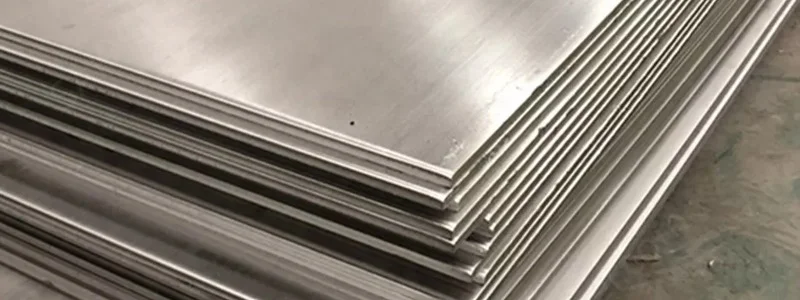
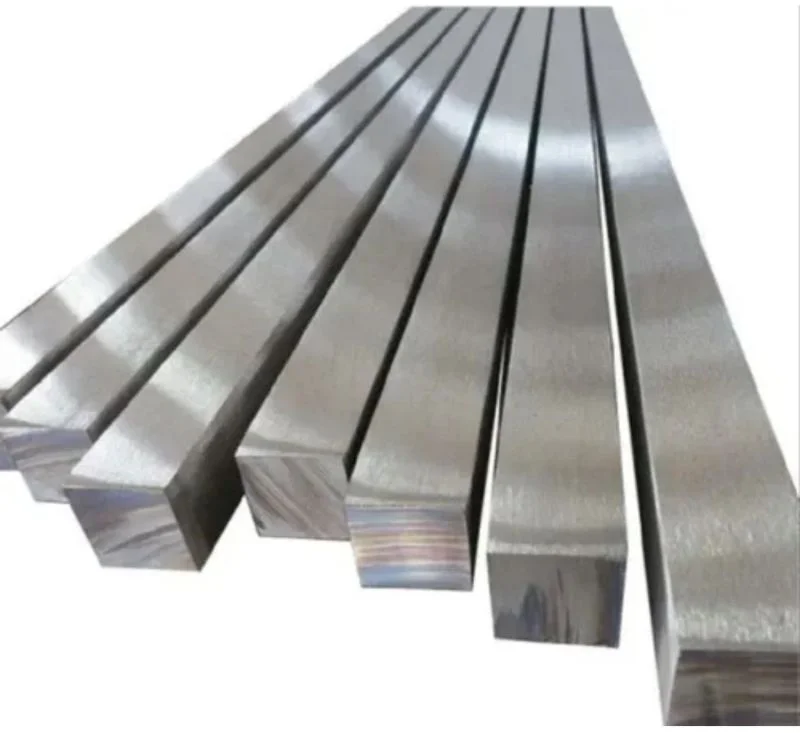
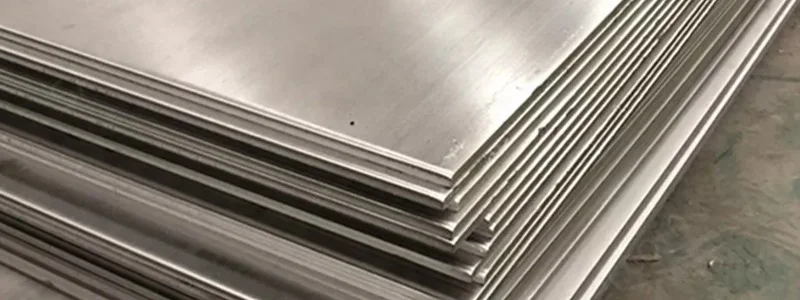
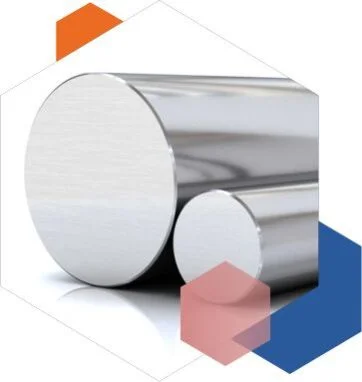
Titanium Alloy Div. Of Tiger International's product range is characterized by its focus on titanium and titanium alloy products. The company's catalogue includes products such as Titanium Plate, which is available in various grades including CP Grades 2/3/4/5/6 and Ti-6Al-4V, and Titanium Bar, which is offered in Titanium Alloy Ti-6Al-4V (Grade 5) and CP Titanium Grade 2. These products are used in a variety of applications, including aerospace, medical devices, and industrial equipment, where the unique properties of titanium are beneficial. Buyers of these products typically require specific grades and specifications, such as those defined by ASTM or AMS standards, to ensure the products meet their application's requirements.
In addition to the titanium products, the company also lists aluminum foils and other products, demonstrating a capability to supply materials beyond just titanium. This diversity in product offerings suggests that Titanium Alloy Div. Of Tiger International is capable of catering to a broad selection of customer needs, from raw materials to finished components. For each product category, there are typical industry standards and certifications that buyers should be aware of, such as ISO 9001 for quality management or AS 9100 for aerospace applications, to ensure the products meet the required standards.
Trade and Export Information - Titanium Alloy Div. Of Tiger International
Exporters of titanium products, like Titanium Alloy Div. Of Tiger International, typically deal with a global customer base, given the widespread applications of titanium. Regions such as North America, Europe, and Asia are common importers of these goods, driven by industries like aerospace, automotive, and medical devices. The HS code families involved, such as 8108.20 and 8108.90 for titanium and its alloys, are crucial for customs and regulatory purposes. Certifications such as ISO 9001 or industry-specific standards like AS 9100 for aerospace are commonly required for these products, ensuring they meet the necessary quality and safety standards.
The logistics of exporting these products involve considerations such as packaging, which must protect the products from damage during transit, and Incoterms, which define the responsibilities of the buyer and seller. For instance, CIF (Cost, Insurance, and Freight) or FOB (Free on Board) are commonly used Incoterms in international trade. Understanding these aspects is crucial for both the supplier and the buyer to ensure smooth and compliant trade practices. China, as the origin country, has its own set of regulations and standards for exporting these products, which suppliers must adhere to.
Sourcing from Titanium Alloy Div. Of Tiger International - Buyer Guidance
When sourcing from Titanium Alloy Div. Of Tiger International, buyers should request specific product specifications, such as the grade of titanium or the dimensions of the product, to ensure they meet their application's requirements. It is also advisable to request test reports or certificates of conformity to standards like ASTM or ISO, especially for critical applications. Buyers should verify the supplier's capabilities and quality control measures, such as their ISO 9001 certification status or their experience in supplying to similar industries.
Buyers should be prepared to provide detailed information about their requirements, including any specific standards or regulations their products must comply with. For example, if the products are for aerospace applications, compliance with AS 9100 or similar standards may be required. Understanding the typical quality parameters and tests for titanium products, such as tensile strength or corrosion resistance, is also essential for ensuring the products meet the necessary standards. Requesting samples or visiting the supplier's facility can provide valuable insights into their production capabilities and quality control practices.
Frequently Asked Questions About Titanium Alloy Div. Of Tiger International
What is the primary product category of Titanium Alloy Div. Of Tiger International?
The primary product category is Titanium Products, including various forms such as plates, bars, sheets, and wires.
What are the typical applications of titanium products?
Titanium products are used in a variety of applications, including aerospace, medical devices, industrial equipment, and automotive, due to their high strength-to-weight ratio, corrosion resistance, and biocompatibility.
What certifications should buyers request for titanium products?
Buyers should request certifications such as ISO 9001 for quality management or industry-specific standards like AS 9100 for aerospace applications, to ensure the products meet the required standards.
How do buyers verify the quality of titanium products?
Buyers can verify the quality of titanium products by requesting test reports or certificates of conformity to standards like ASTM or ISO, and by evaluating the supplier's quality control measures and experience in supplying to similar industries.
What is the significance of HS codes for titanium products?
HS codes, such as 8108.20 and 8108.90, are crucial for customs and regulatory purposes, and help in identifying the specific product categories and their compliance with international trade regulations.
What logistics considerations are important for exporting titanium products?
Logistics considerations such as packaging to protect the products during transit, and understanding Incoterms like CIF or FOB, are important for ensuring smooth and compliant trade practices.
How do buyers ensure compliance with regulations in their region?
Buyers should ensure compliance with regulations in their region by verifying the supplier's compliance with relevant standards and regulations, and by ensuring the products meet the necessary quality and safety standards for their application.
What information should buyers provide to the supplier?
Buyers should provide detailed information about their requirements, including any specific standards or regulations their products must comply with, to ensure the supplier can meet their needs.




 , China