Tinkerandbell Trading Ltd. — Verified Supplier
About Tinkerandbell Trading Ltd. - Multi-Category Supplier in Nigeria
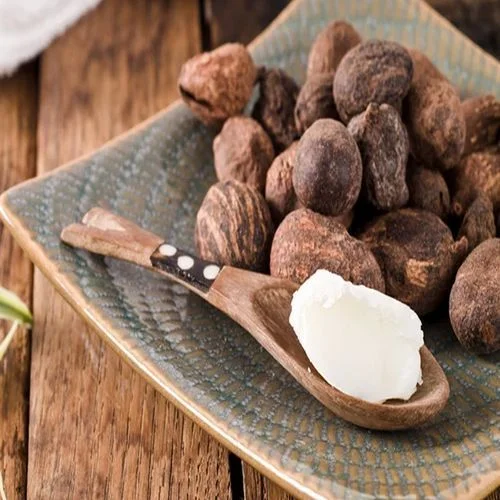
Nigeria‑based Tinkerandbell Trading Ltd. lists sixteen distinct products across several primary categories, including Herbal Products, Cashew Nuts, Cosmetic Raw Material, Herbs, Charcoal, Sesame Seeds, Fresh Ginger and Dried Vegetables. The catalogue enumerates items such as Moringa Oleifera Seeds, raw and processed Cashew Nuts, both refined and unrefined Shea Butter (recorded under HS code 1515.90), Ginger in split form, Hibiscus flowers and leaves, Hardwood Charcoal (including the Ayeen variant), White and Black Sesame Seeds, Moringa Leaves (air‑dried), and Cocoa Beans. Each entry specifies the material when provided, for example the shea butter is identified as Pure Unrefined Shea Butter derived from Vitellaria paradoxa. The product list also contains Cassa Tora Seeds and multiple forms of dried hibiscus, reflecting a focus on both food‑grade and cosmetic‑grade raw materials. No additional HS codes are supplied beyond the vegetable‑fat classification for the shea butter entries, leaving the remaining items to be classified under the appropriate chapters for nuts, spices and plant‑based commodities.
Product Range and Specialties of Tinkerandbell Trading Ltd.
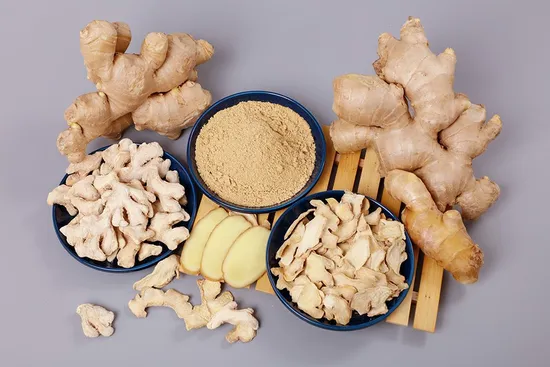
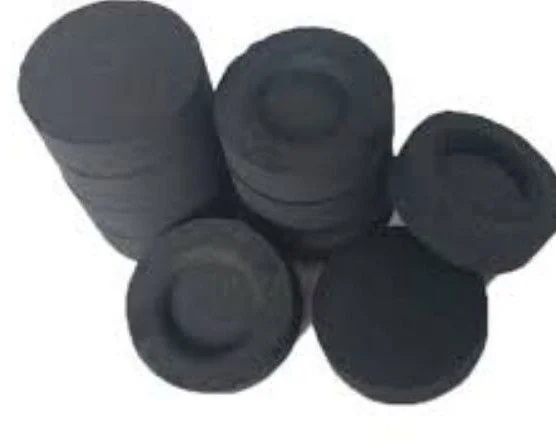
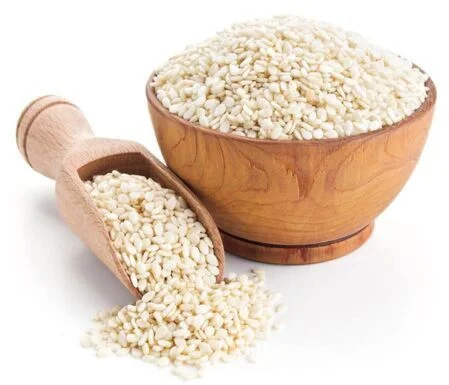
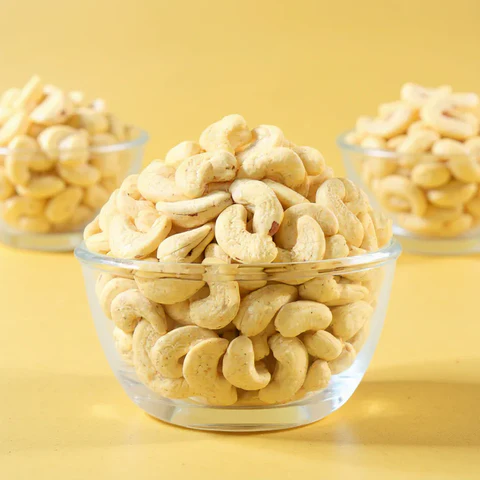
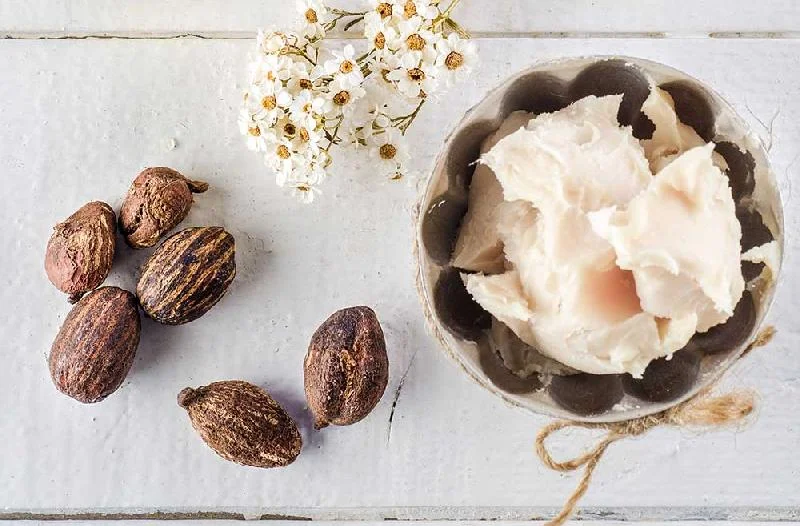
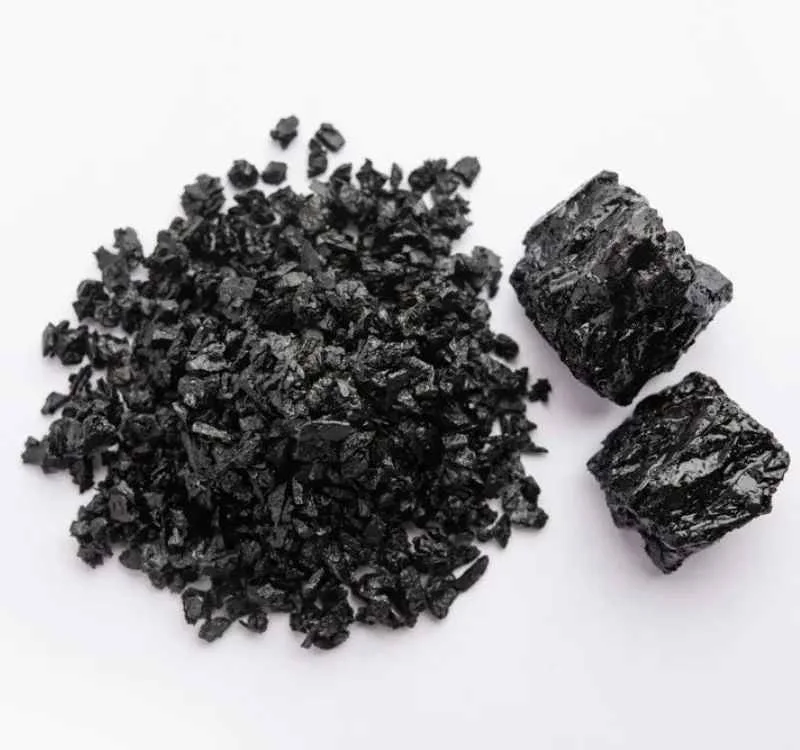
The supplier’s catalogue covers a mix of edible nuts, seeds, spices and plant‑based oils. Cashew nuts are offered both as whole raw kernels and as processed nuts, a segment where buyers typically look for Grade A kernels with a moisture content below 5 % and a shell‑to‑kernel ratio of 2 % or less. Sesame seeds appear in both white and black varieties, commonly graded by size (large, medium) and limited to a maximum moisture of 5 % to meet EU standards. Ginger is supplied as dried split pieces, where a moisture level under 12 % and a pungency index (Scoville equivalent) are standard quality checks. Hardwood charcoal, including the Ayeen type, is usually evaluated by fixed carbon content (≥80 %) and ash residue (≤5 %). Shea butter entries fall under the cosmetic raw material category; unrefined butter is typically characterized by an iodine value between 40 - 55 and a free fatty acid content below 1 %. Industry specifications also define Moringa Oleifera seeds and leaves by protein content (≥30 % dry weight) and low moisture (≤10 %). Cocoa beans are generally classified by fermentation level and bean size, with a cocoa butter content of 45 - 55 % for bulk export. These typical grades provide a benchmark for evaluating the supplier’s offerings against market expectations.
Trade and Export Information - Tinkerandbell Trading Ltd.
Nigeria is a recognized exporter of cashew nuts, sesame seeds, ginger, shea butter and hardwood charcoal, supplying markets in the European Union, United States, Middle East and parts of Asia. The shea butter entries are recorded under HS chapter 15 (1515.90), while the nut and seed products are normally classified under HS chapter 12 (e.g., 1202 for nuts, 1207 for spices and 1208 for other vegetables). Export shipments frequently use 20‑foot containers loaded with 25 kg polypropylene bags for nuts and seeds, and bulk bags for charcoal. Buyers often require phytosanitary certificates, aflatoxin test reports for cashew and sesame, and moisture analysis for ginger and seeds. Commonly requested certifications include ISO 9001 quality management, HACCP food safety plans, and where applicable, organic or Fairtrade registration. Nigerian exporters must comply with the EU’s maximum residue limits (MRLs) for pesticide residues and the US Food and Drug Administration’s (FDA) import requirements for edible oils. Logistics typically follow FOB Lagos or CIF Rotterdam terms, with freight forwarding handled by maritime carriers familiar with bulk agricultural cargo.
Sourcing from Tinkerandbell Trading Ltd. - Buyer Guidance
Prospective buyers should request a sample batch together with a certificate of analysis covering moisture, aflatoxin (for nuts and seeds), iodine value (for shea butter) and any pesticide residue results. Verification of the HS code alignment - 1515.90 for the shea butter lines and the appropriate chapter 12 codes for the remaining products - helps ensure correct tariff treatment. Buyers are advised to obtain a phytosanitary certificate and, where required, an export permit from the Nigerian Plant Quarantine Service before shipment. Before placing a full order, confirm the supplier’s ability to meet standard packaging specifications such as 25 kg PP bags for nuts and seeds, moisture‑proof bulk bags for charcoal, and sealed drums for shea butter. Minimum order quantities in the Nigerian export market often start at 500 kg per product line, with lead times ranging from 30 to 45 days depending on processing and clearance procedures. Requesting ISO 9001 or HACCP audit reports can provide additional assurance of consistent quality.
Frequently Asked Questions About Tinkerandbell Trading Ltd.
What HS code applies to the shea butter products listed by Tinkerandbell Trading Ltd.?
Both the refined and unrefined Shea Butter entries are recorded under HS code 1515.90, which covers other vegetable fats and oils and their fractions not elsewhere specified.
Which quality parameters are typical for the raw cashew nuts offered?
Buyers usually look for Grade A kernels with moisture below 5 % and a shell‑to‑kernel ratio of 2 % or less, together with an aflatoxin level under 10 µg/kg.
Are certifications such as ISO 9001 or HACCP required for these products?
The supplier’s catalogue does not list any certifications, so buyers should request ISO 9001 or HACCP audit reports as part of the due‑diligence process.
What packaging is typical for the sesame seed shipments?
Sesame seeds are commonly packed in 25 kg polypropylene bags that are moisture‑proof and stacked in 20‑foot containers for ocean freight.
How is dried split ginger usually tested before export?
Standard tests include moisture content (target <12 %), pungency index, and a visual inspection for uniform split size. A phytosanitary certificate is also required.
What documentation should be requested for the hardwood charcoal product?
Buyers should ask for a material safety data sheet, fixed‑carbon content test (≥80 %), ash residue analysis, and a phytosanitary certificate confirming the charcoal is free of pests.
What are the typical minimum order quantities for the listed products?
In the Nigerian export context, most bulk agricultural items have a minimum order of about 500 kg per product, although exact quantities can vary by product type.
Which Incoterms are most commonly used for shipments from Nigeria?
FOB Lagos and CIF Rotterdam are the prevailing Incoterms for these commodity categories, allowing buyers to manage freight and insurance according to their preference.




 , Nigeria