Taprocarb — Supplier
About Taprocarb - Charcoal Supplier in Sri Lanka
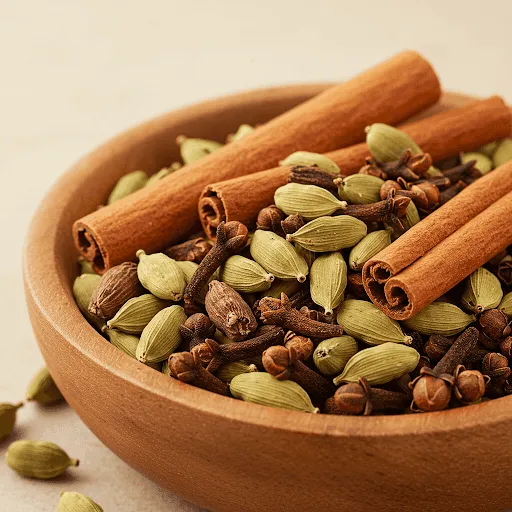
Sri Lanka‑based Taprocarb lists five active products in its catalogue. The portfolio spans three main categories: lump and briquette charcoal derived from coconut shells, specialty shisha charcoal cubes, and two forms of Ceylon cinnamon - chips and quillings. The cinnamon items are recorded under HS codes 0908.20 for chips and 0906.20 for quillings, both identified as 100 % pure Cinnamomum verum material. The remaining charcoal entries are presented without HS codes in the supplied data, but they fall within the broader HS chapter 08 for charcoal products.
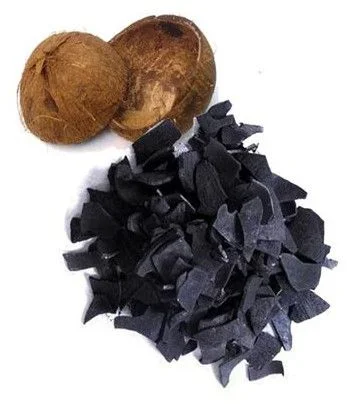
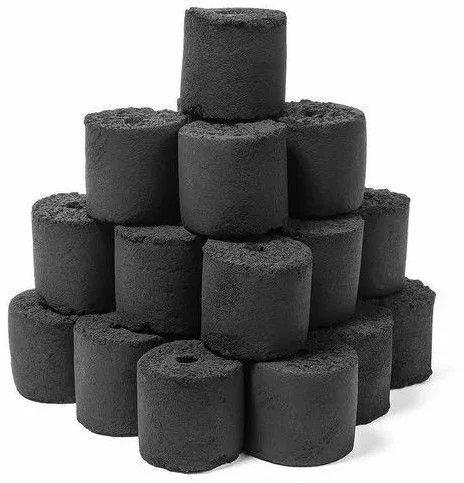
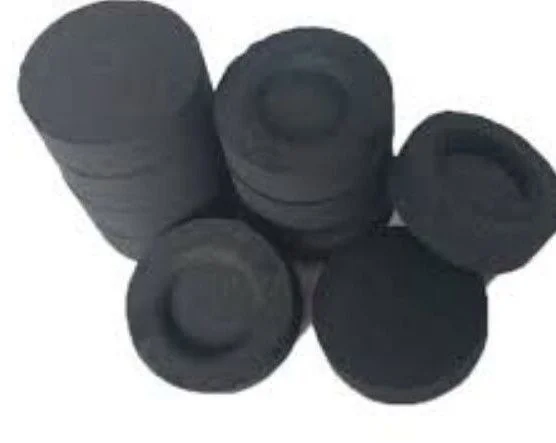
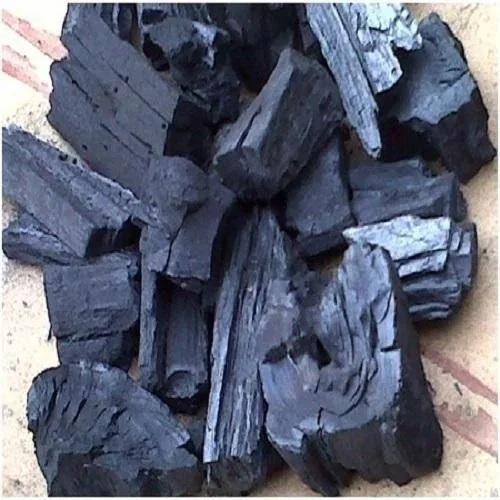
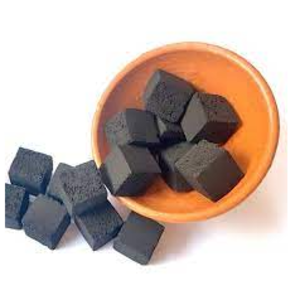
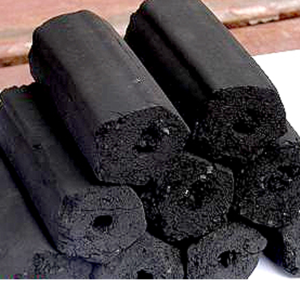
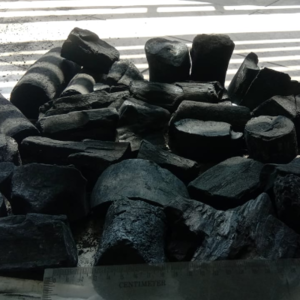
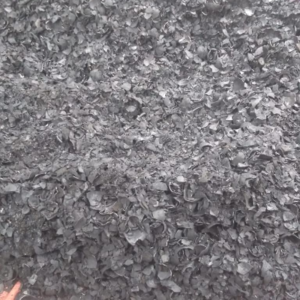
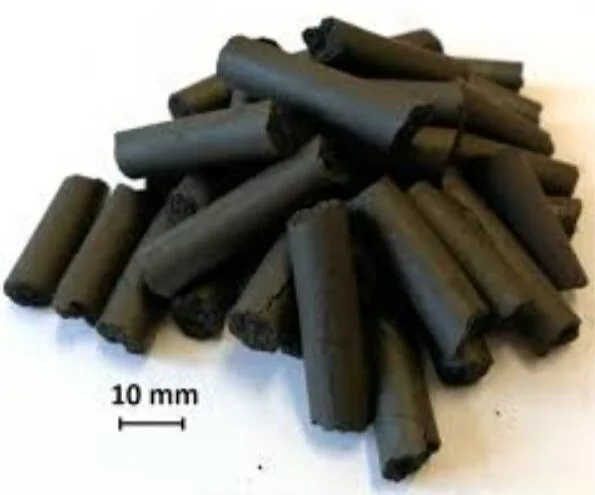
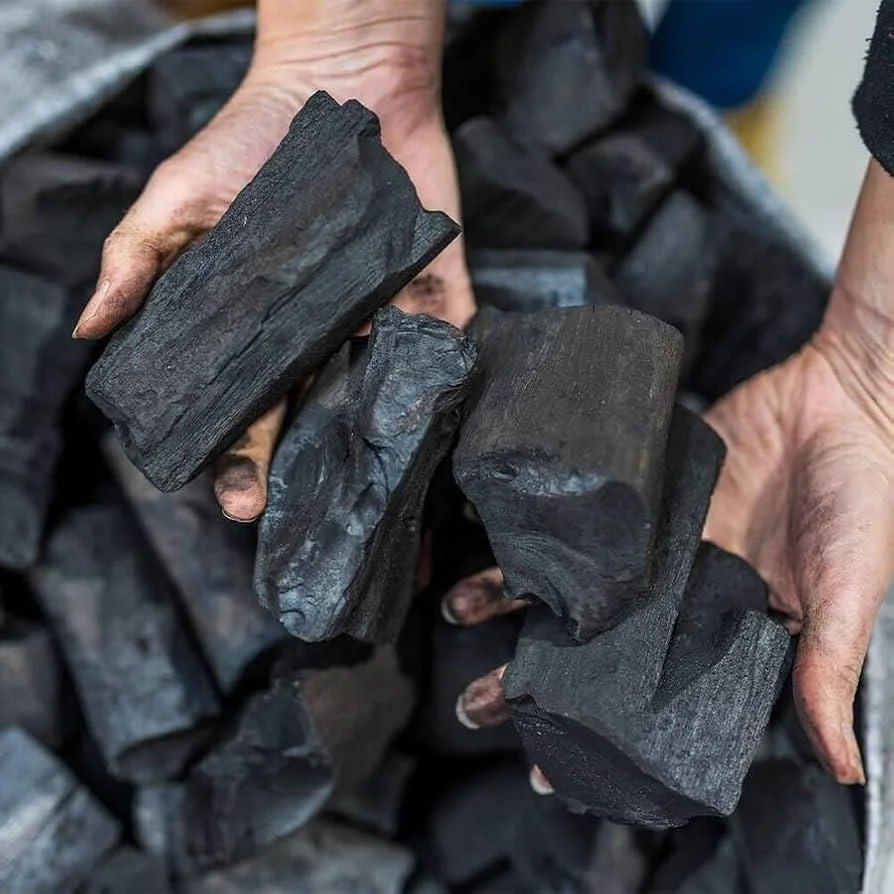
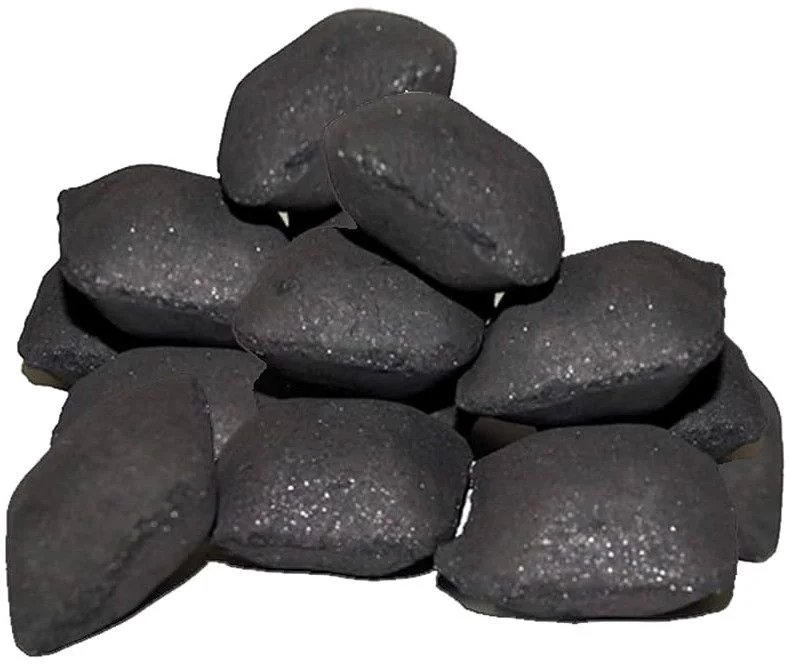
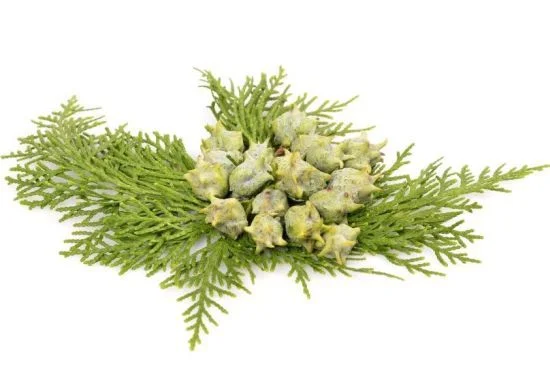
The catalogue includes Coconut Shell Charcoal - Natural Lumps, Shisha Charcoal Cubs sized 25 × 25 mm, Pillow Shape BBQ Charcoal, G01 Cinnamon Chips, and G01 Cinnamon Quillings. The charcoal products are described by shape and source material, while the cinnamon products specify pure Ceylon cinnamon. No additional company details such as founding year or employee count are provided, and the listed items represent the full active range currently offered by Taprocarb.
Product Range and Specialties of Taprocarb
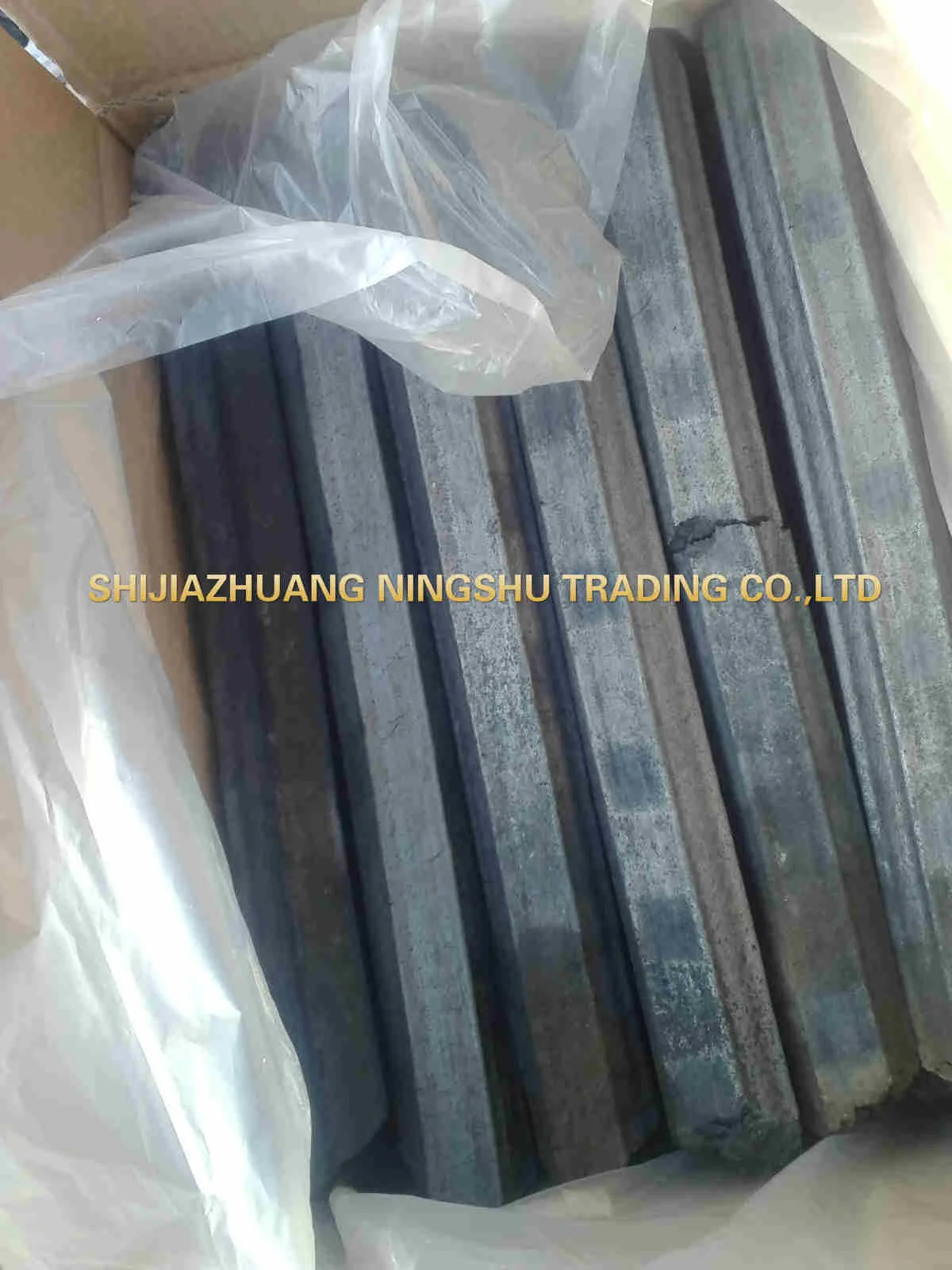
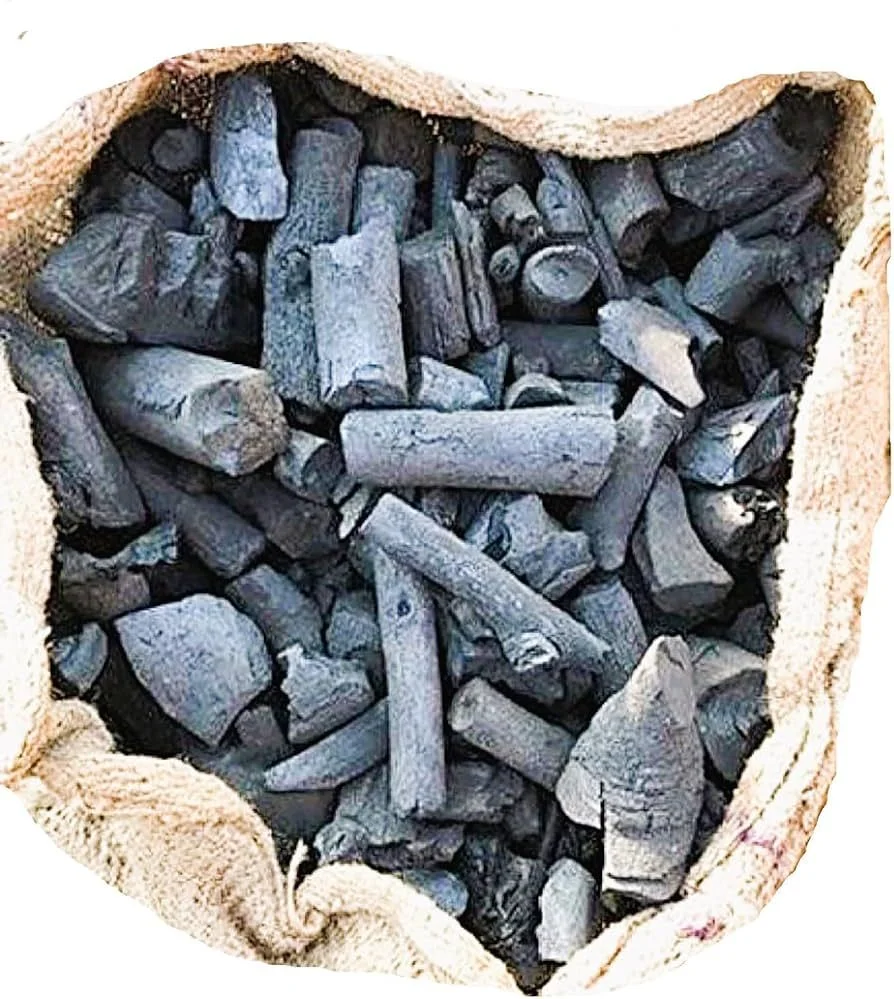
Taprocarb’s listed charcoal products cover three typical industry formats: natural lump charcoal from coconut shells, small cube‑shaped shisha charcoal, and pillow‑shaped briquettes for barbecue use. In the charcoal trade, lump charcoal is commonly graded by moisture content (usually below 12 %) and ash residue (typically 3 - 5 %). Shisha charcoal cubes are often evaluated for uniform size, low smoke emission, and a calorific value around 28 MJ kg‑1. Pillow‑shape briquettes are measured by density (approximately 0.5 t m‑3) and burn time per kilogram. For the cinnamon segment, Ceylon cinnamon (Cinnamomum verum) is generally classified into Grade A (whole quills) and Grade B (chips), with standard specifications including essential oil content above 1 % and moisture below 12 %. Export documentation frequently cites HS 0906.20 for whole quills and HS 0908.20 for ground or chipped forms, matching Taprocarb’s catalogue entries. Buyers typically request laboratory reports confirming oil content, foreign‑matter limits, and microbial safety for these spice products.
Trade and Export Information - Taprocarb
Sri Lanka is a recognized exporter of both charcoal and Ceylon cinnamon, supplying to markets in the Middle East, Europe, and North America. Charcoal shipments from Sri Lanka usually fall under HS chapter 08 (e.g., 0802 for wood charcoal) and are transported in 20‑foot or 40‑foot containers, with a 20‑foot container capable of holding up to 25 metric t of lump charcoal. Cinnamon exports are recorded under HS 0906 and 0908; they are often packed in food‑grade 25 kg cartons or bulk bags and shipped in dry containers to preserve aroma. Importers commonly require certificates such as phytosanitary certificates for spices, ISO 9001 quality management documentation, and, where applicable, halal or organic certification. Sri Lankan exporters also adhere to the EU’s REACH regulations for chemical safety and the US FDA’s food import guidelines. Typical Incoterms used by Sri Lankan suppliers include FOB Colombo and CIF Dubai, reflecting the main trade routes for these commodities.
Sourcing from Taprocarb - Buyer Guidance
When sourcing charcoal from Taprocarb, buyers should request product specifications that detail moisture percentage, ash content, and calorific value. A sample batch tested for uniform size and burn characteristics can confirm suitability for industrial or retail use. For the cinnamon products, buyers should ask for a recent laboratory analysis covering essential oil percentage, moisture level, and microbial limits, as well as a phytosanitary certificate confirming compliance with the destination country’s plant health regulations. Verification of packaging integrity - such as moisture‑proof bags for charcoal and food‑grade cartons for cinnamon - is essential before confirming a purchase. Buyers are advised to confirm the HS codes listed (0906.20 for quillings, 0908.20 for chips) and ensure that any required certifications (e.g., ISO 9001, halal, organic) are either held by the supplier or can be obtained on request. Clarifying lead times, typical container loading capacities, and preferred Incoterms will help align logistics expectations.
Frequently Asked Questions About Taprocarb
What types of charcoal does Taprocarb offer?
Taprocarb lists natural lump charcoal from coconut shells, 25 × 25 mm shisha charcoal cubes, and pillow‑shaped BBQ briquettes. Each format is described by shape and source material without additional HS code details.
What are the HS codes for the cinnamon products?
The catalogue assigns HS code 0908.20 to G01 Cinnamon Chips and HS code 0906.20 to G01 Cinnamon Quillings, both identified as 100 % pure Cinnamomum verum.
Which certifications should a buyer verify for cinnamon imports?
Buyers typically request a phytosanitary certificate, a recent laboratory report confirming oil content and moisture level, and, if required by the market, ISO 9001 or halal certification.
What quality parameters are common for coconut shell charcoal?
Industry standards often specify moisture below 12 %, ash content between 3 - 5 %, and a calorific value near 28 MJ kg‑1 for lump charcoal derived from coconut shells.
What is a typical container capacity for charcoal shipments?
A 20‑foot container can accommodate roughly 25 metric t of lump charcoal, while a 40‑foot container can hold up to 45 metric t, depending on packing density.
How are cinnamon chips usually packaged for export?
Cinnamon chips are commonly packed in food‑grade 25 kg cartons or bulk bags, sealed to protect against moisture and preserve essential oil content during transit.
What Incoterms are commonly used by Sri Lankan charcoal exporters?
FOB Colombo and CIF Dubai are frequently used, reflecting the main shipping lanes for charcoal from Sri Lanka to key import markets.
What documentation is recommended before placing an order?
Request a product data sheet with moisture, ash, and calorific values for charcoal, and a laboratory analysis plus phytosanitary certificate for cinnamon. Confirm HS codes and any required market‑specific certifications before finalizing the contract.




 , Sri Lanka