Suri Rajendra Metal — Supplier
About Suri Rajendra Metal - Non-Ferrous and Stainless Steel Metal Supplier in India
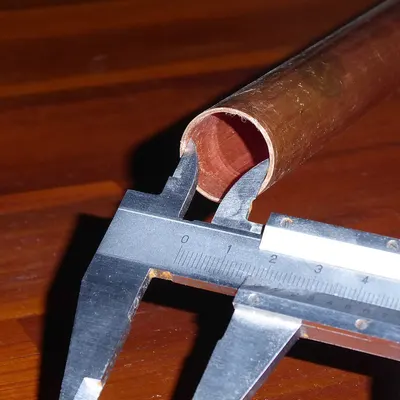
Suri Rajendra Metal is an India-based supplier listing 23 active products spanning non-ferrous metals (copper, brass, aluminium) and stainless steel semi-finished forms. The catalogue is concentrated on mill products rather than finished fabrications, with copper items covering pipes (HS 7411.10, seamless C12200), straight and coil-form round bars (HS 7407.11, 7403.11), and sheet/coil (HS 7409.11, ETP C11000, 99.9% Cu min). Stainless steel items cover the 300-series austenitic family - 304, 304L, 316, 316L, 202 and 303 - in pipe (HS 7304.41 seamless, 7306.11), sheet/coil/strip (HS 7219.21, 7219.31), bar forms (HS 7222.20), and fittings (HS 7307.23).
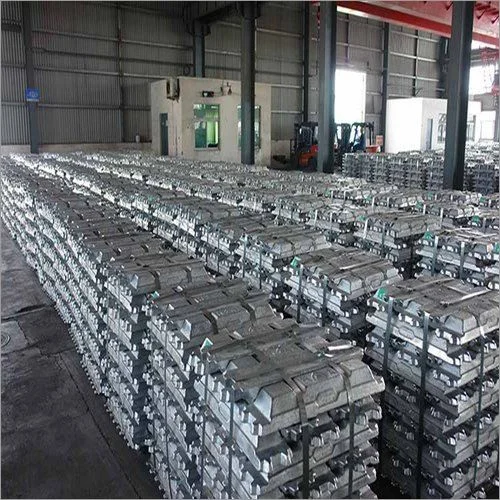
Aluminium and brass round out the range: aluminium raw material in H.E.-9 and H.E.-30 grades (HS 7601.20, 99.7% purity), aluminium alloy 6061/6063 pipes (HS 7608.20), brass pipes in C360/CuZn35 (HS 7407.21), and brass rods including free-cutting C36000 (HS 7403.21). The breadth of HS chapters represented - 7219, 7222, 7304, 7306, 7307, 7403, 7407, 7409, 7411, 7601, 7608 - indicates a multi-metal stockist profile rather than a single-mill specialization. All product lines are sourced and offered from India, a country that ranks among the world's largest producers of stainless steel flat products and a major re-roller and stockist hub for copper and aluminium semis.
Product Range and Specialties of Suri Rajendra Metal
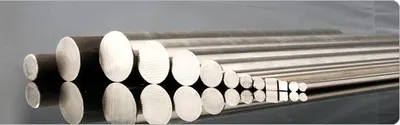
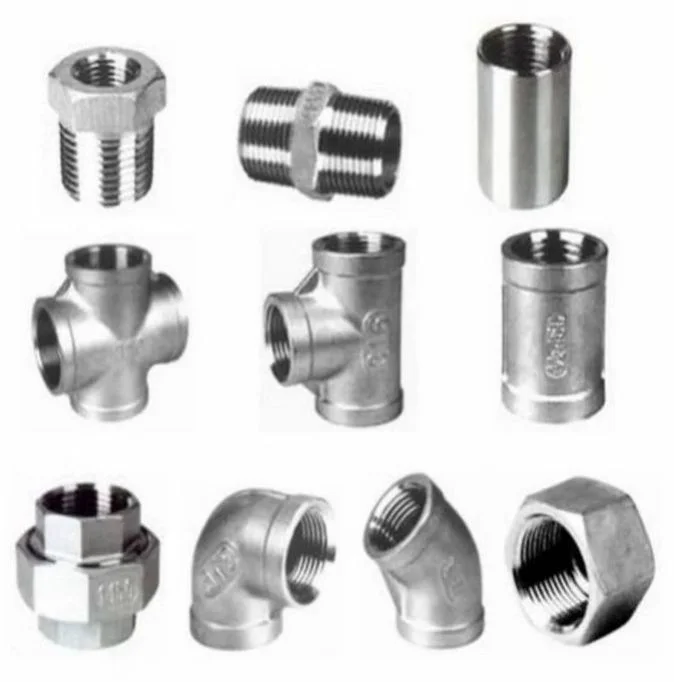
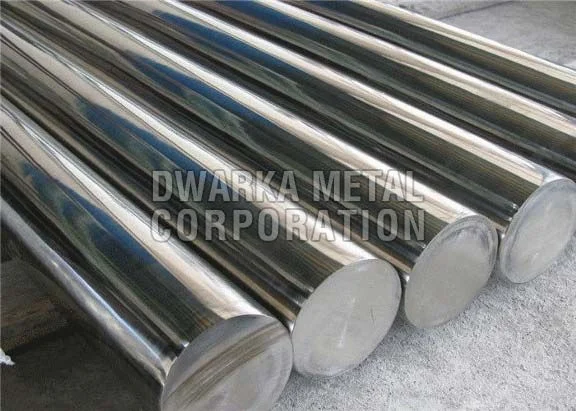
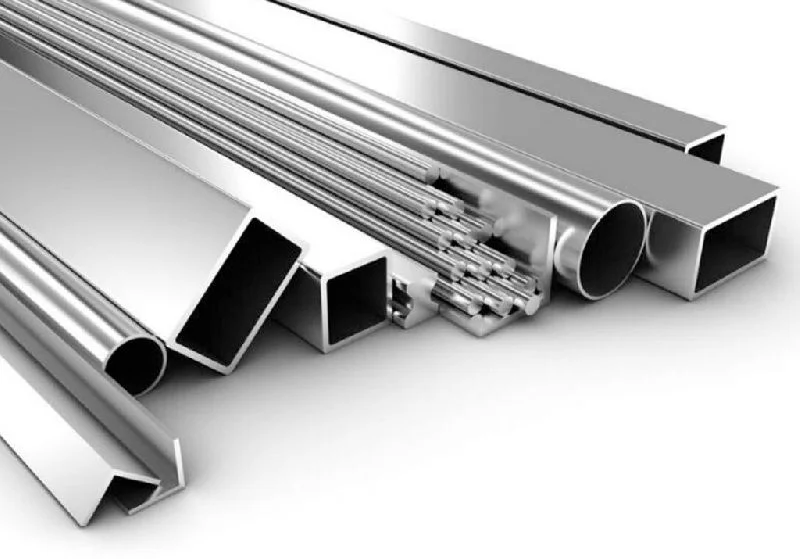
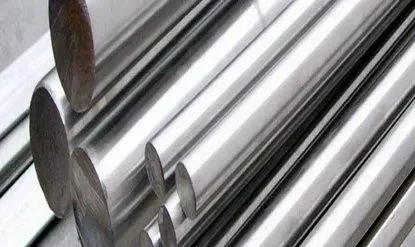
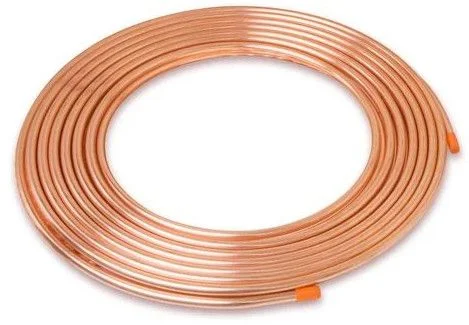
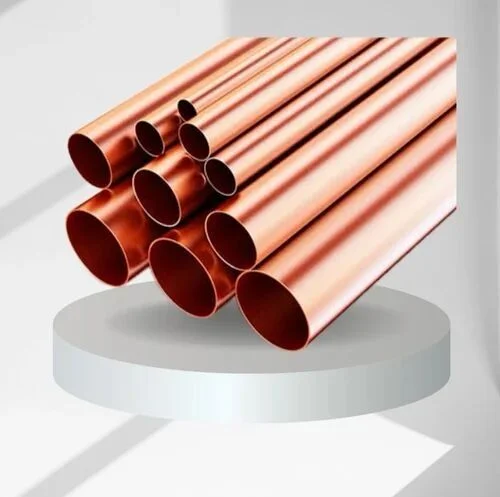
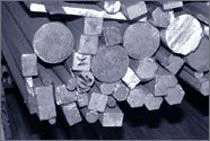
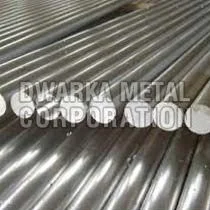
The catalogue breaks into four material families. Stainless steel accounts for roughly half the listings and is dominated by 304 and 316 grades in pipe (seamless 7304.41 and welded 7306.11), sheet/coil/strip (cold-rolled 7219.31 and hot-rolled 7219.21), round bar (7222.20), hex/square bar (7222.20), angles/channels and patta/flats (7222.40), and butt-weld fittings (7307.23). Buyers in this category typically specify ASTM A312 for pipe, ASTM A276/A479 for bar, ASTM A240 for sheet/coil, and ASTM A403 for fittings, with 2B, BA, No. 4 and mirror finishes common on flat products. Copper items centre on ETP C11000 (99.9% Cu min) and DHP C12200 (phosphorus-deoxidized, 99.9% Cu min) in pipe (7411.10 seamless), straight and coil-form round bar (7407.11, 7403.11), and sheet/coil (7409.11). Typical buyer specs in this segment reference ASTM B88 for water tube, ASTM B280 for ACR, ASTM B75 for seamless tube, and EN 1057 for plumbing, with temper designations O (annealed), 1/2H, 1/4H and H. Brass offerings include C36000 free-cutting rod (Cu 61-63%, Zn 35-37%, Pb 2.5-3.7%) and CuZn35 pipe, while aluminium covers 99.7% primary ingot/billet (H.E.-9, H.E.-30) and 6061/6063 alloy pipe for structural and heat-transfer use. Across all families, dimensional tolerances, mill test certificates to EN 10204 3.1, and country-of-origin documentation are standard buyer requirements.
Trade and Export Information - Suri Rajendra Metal
Stainless steel and copper semis from India typically flow into the Gulf (UAE, Saudi Arabia), Africa (Kenya, Nigeria, Egypt), South and Southeast Asia (Sri Lanka, Bangladesh, Vietnam, Indonesia), and increasingly into the EU and US through stockist and distribution channels. The HS chapters involved - 7219, 7222, 7304, 7306, 7307 for stainless, and 7403, 7407, 7409, 7411 for copper - are familiar to customs brokers worldwide and generally carry ad valorem duties in the 0-12.5% range depending on the destination and any preferential trade agreements in force (India-GCC, India-Singapore CECA, SAFTA for South Asian buyers). Aluminium under 7601 and 7608 follows similar lanes, with H.E.-9/H.E.-30 grades feeding extrusion billet consumers. For these categories, buyers in food, dairy, pharma and water systems typically require 316L over 304 for corrosion reasons, and request EN 10204 3.1 mill test certificates, PMI (positive material identification) reports, and third-party inspection from agencies such as SGS, Bureau Veritas or TUV. Copper water-tube buyers usually ask for ASTM B88 type K/L/M or EN 1057 compliance and WRAS/NSF approval for potable use. Export shipments are commonly packed in wooden crates or seaworthy bundles on 20 ft and 40 ft containers, with FOB, CFR and CIF terms most frequently used for cross-border metal trade. Indian suppliers in this segment typically dispatch from Mumbai, Jamnagar, Mundra and Chennai ports, which are the main container gateways for stainless and non-ferrous exports.
Sourcing from Suri Rajendra Metal - Buyer Guidance
Buyers approaching Suri Rajendra Metal should anchor every enquiry to a written specification: grade (e.g. SS 304 vs 316L, ETP C11000 vs DHP C12200), product form (seamless vs welded pipe, cold-rolled vs hot-rolled sheet), size range (OD x wall thickness in mm for pipe, thickness x width for sheet), applicable standard (ASTM/EN/IS), temper or finish (2B, BA, No.4, mirror, annealed O, half-hard 1/2H), and end use. Requesting an EN 10204 3.1 mill test certificate with each lot, plus a PMI check report, is standard practice for stainless steel; copper buyers should ask for ASTM B88/B75/B280 or EN 1057 references and confirm Cu content (99.9% min) on the certificate. Before issuing a purchase order, verify that the supplier can provide a recent third-party inspection (SGS/BV/TUV) for the specific lot, confirm packing suitable for 20 ft/40 ft container loading (wooden crates, end caps, desiccant for copper, paper/PE interleave for SS sheet), and clarify the Incoterm and port of dispatch. Indian metal suppliers typically quote on FOB Mumbai/Mundra/Chennai with 30-50% advance and balance against scanned documents, but payment and lead-time terms should always be confirmed in writing. Cross-check the HS code declared on the commercial invoice against the buyer's local tariff to avoid duty surprises, and for EU/US-bound shipments confirm REACH, RoHS and, where relevant, conflict-mineral disclosure obligations are addressed.
Frequently Asked Questions About Suri Rajendra Metal
What stainless steel grades does Suri Rajendra Metal list?
The catalogue lists austenitic 202, 303, 304, 304L, 316 and 316L across pipe, sheet/coil/strip, round bar, hex/square bar, angles/channels, patta/flats and butt-weld fittings. Buyers should specify the required ASTM standard (A312, A240, A276, A403) when enquiring.
Which copper grades and forms are available?
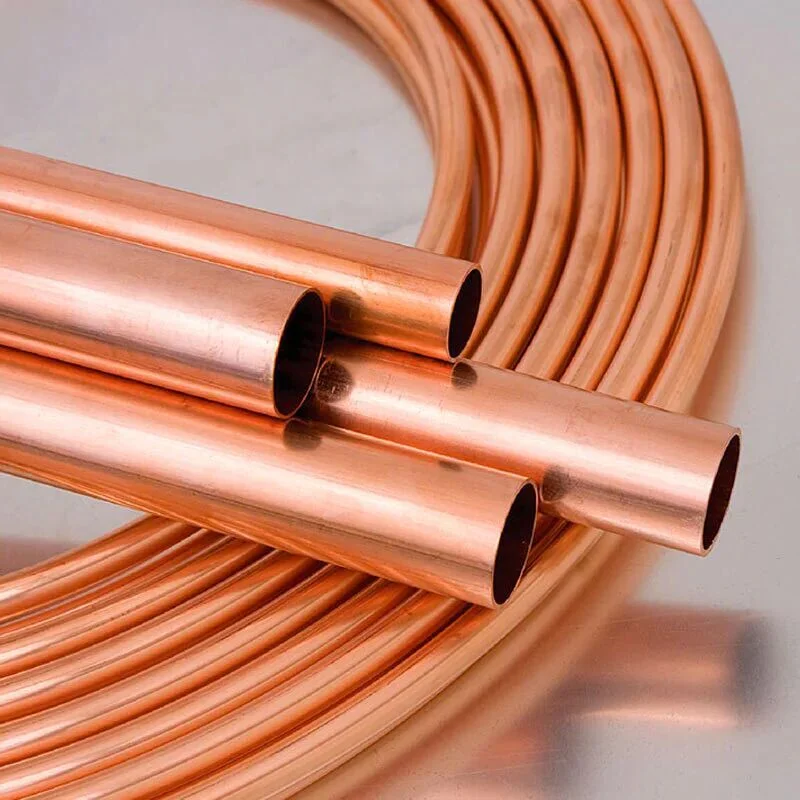
Copper is offered as ETP C11000 (99.9% Cu min) and phosphorus-deoxidized C12200 in seamless pipe, straight and coil-form round bar, and sheet/coil. Typical buyer specs are ASTM B88, B75, B280 and EN 1057 depending on whether the end use is plumbing, ACR or industrial.
Does the supplier hold any quality certifications?
No specific certifications are listed in the supplier's facts. Buyers should request an EN 10204 3.1 mill test certificate and recent third-party inspection report (SGS, Bureau Veritas or TUV) for each shipment, and confirm any project-specific approvals such as WRAS, NSF or CE before ordering.
What documents should I ask for with my order?
Standard documents for Indian metal exports are commercial invoice, packing list, bill of lading, mill test certificate (EN 10204 3.1), country-of-origin certificate, and for preferential tariffs a GSP or relevant FTA certificate. For copper potable-water applications, add WRAS or NSF approvals.
What are typical packaging norms for these products?
Stainless pipe and bar are typically bundled with plastic end caps and wrapped in hessian or PE, sheet/coil in wooden crates or on wooden skids with edge protectors, and copper pipe in wooden cases or sealed bundles with desiccants. Loading is usually in 20 ft or 40 ft sea-worthy containers.
Which regions typically import stainless steel and copper semis from India?
Common destinations are the Gulf (UAE, Saudi Arabia, Oman), East and West Africa, South Asia (Sri Lanka, Bangladesh, Nepal), Southeast Asia (Vietnam, Indonesia, Malaysia) and, via stockists, the EU and North America. Indian exporters typically ship from Mumbai, Mundra, Jamnagar and Chennai ports.
What is the difference between SS 304 and 316L for pipe applications?
SS 304 (18% Cr, 8% Ni) is the general-purpose austenitic grade, while 316L adds 2-3% molybdenum for better resistance to chlorides and is preferred for marine, chemical and pharma use. The 'L' denotes low carbon (0.03% max), which reduces sensitization risk after welding.
How do I confirm material authenticity before shipment?
Request a Positive Material Identification (PMI) report using an XRF analyser, cross-check the heat number on the mill test certificate against markings on the product, and commission an independent pre-shipment inspection covering dimensions, surface finish, mechanical properties and chemical composition.




 , India