Supreme Seafood Enterprises — Supplier
About Supreme Seafood Enterprises - Seafood Supplier in Pakistan
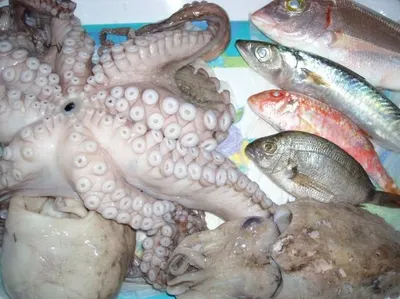
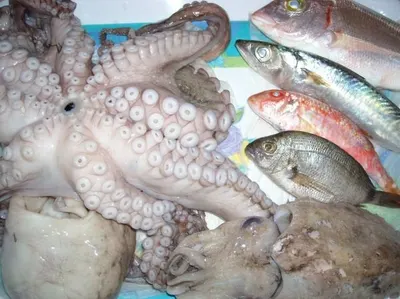
Pakistan‑based Supreme Seafood Enterprises lists ten active seafood products in its catalogue. The company focuses on a mix of fresh and frozen marine species, including octopus, croaker, squid, shrimp, cuttlefish, ribbon fish and other demersal fish. All items fall under the broader seafood category that is classified in HS Chapter 03 for fish, crustaceans and molluscs. The supplier’s catalogue records both whole and processed forms, such as frozen whole squid and peeled, undeveined shrimp. Buyers can expect product specifications that align with common export standards for marine protein, such as size grading, moisture limits and hygiene requirements.
Product Range and Specialties of Supreme Seafood Enterprises
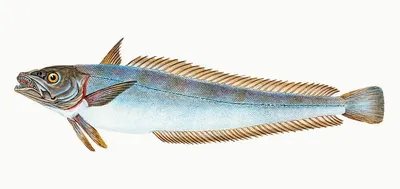
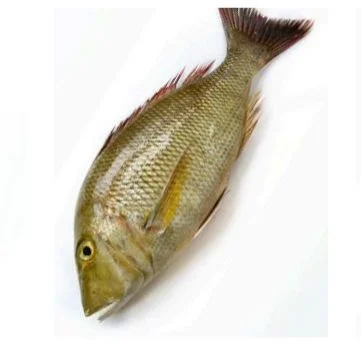
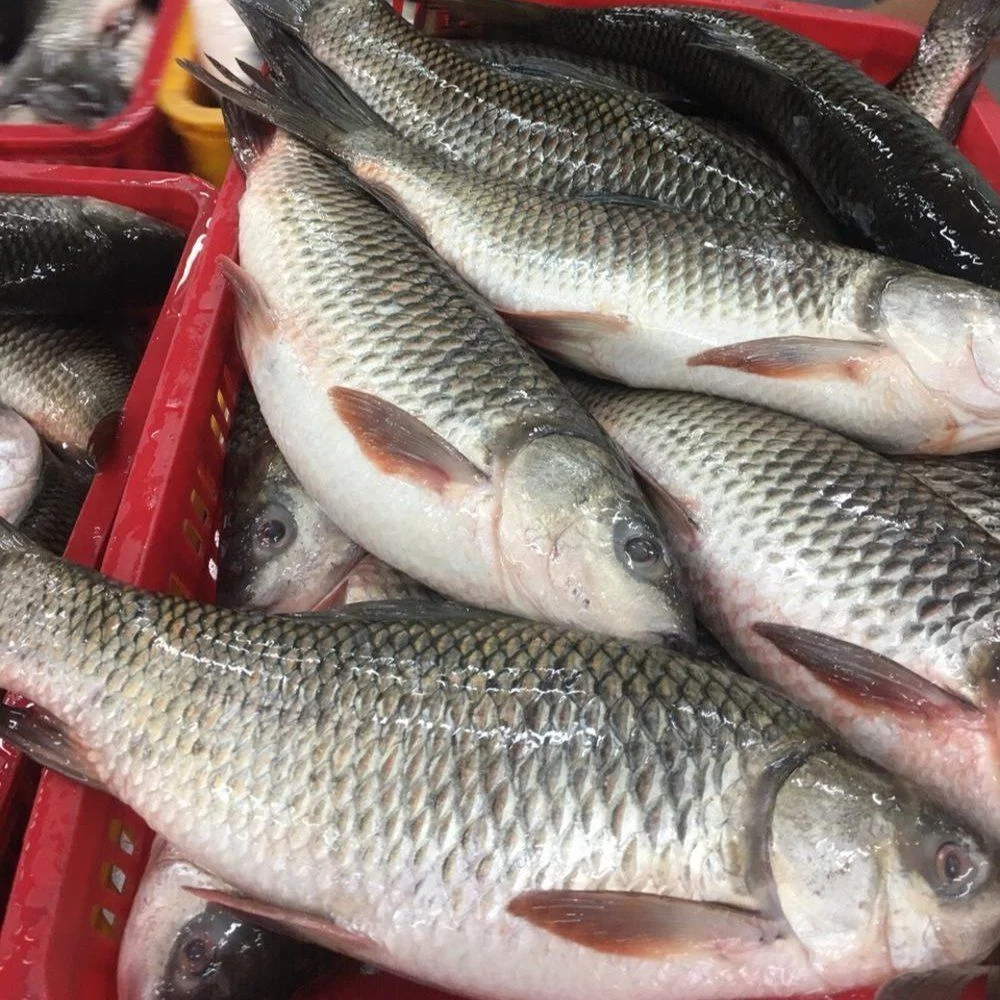
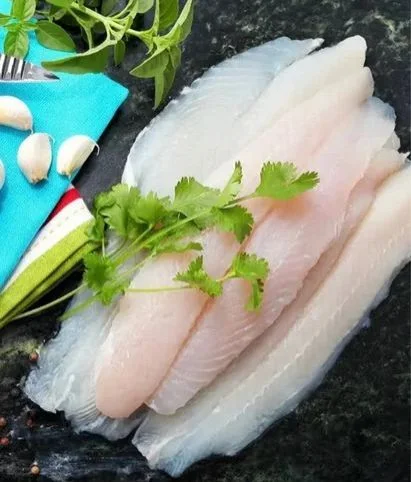
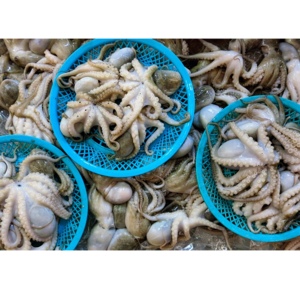
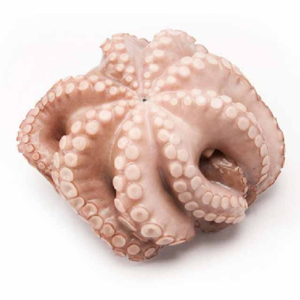
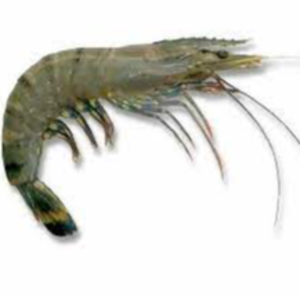
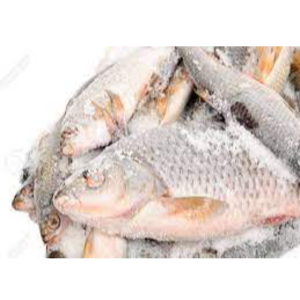
The catalogue includes Frozen Squid Whole, Loligo squid, peeled undeveined shrimp (PUD), short‑leg and long‑leg octopus, cuttle fish, ribbon fish, Silver Croaker, Tigertooth Croaker and Largescale Tonguesole. In the global seafood market, frozen whole squid is typically offered in size grades ranging from 15 mm to 30 mm mantle length, with a maximum moisture content of 78 % and ice‑glaze thickness of 2 mm. Fresh shrimp are commonly sized by the number of pieces per kilogram (e.g., 16‑20/kg) and must meet a total volatile basic nitrogen (TVBN) limit of 15 mg N/100 g. Octopus legs are graded by leg length (short < 15 cm, long > 15 cm) and flesh firmness, while croaker and other demersal fish are usually supplied as whole gutted fish weighing 2 kg to 5 kg with a fillet yield of 45‑55 %. These industry grades help buyers compare quality across suppliers.
Trade and Export Information - Supreme Seafood Enterprises
Pakistani seafood exporters typically ship to the European Union, the Middle East, the United States and Southeast Asian markets, where demand for frozen molluscs and fresh demersal fish is strong. Products from this region are usually declared under HS 0303 (frozen fish) or HS 0304 (fish fillets) for whole fish, and HS 0305 for crustaceans and molluscs, with accompanying phytosanitary certificates and a Certificate of Origin. Buyers often require HACCP certification, ISO 22000 or BRC Global Standard compliance to satisfy food‑safety regulations in destination countries. Container loading commonly uses 20‑ft or 40‑ft refrigerated units (reefers) with temperature control set between - 18 °C and - 20 °C for frozen items and 0 °C to 4 °C for fresh fish. Export documentation normally includes a commercial invoice, packing list, bill of lading and, where required, a laboratory analysis report for moisture, ash and microbiological limits.
Sourcing from Supreme Seafood Enterprises - Buyer Guidance
When sourcing from Supreme Seafood Enterprises, request a recent HACCP or ISO 22000 audit report to confirm the supplier’s food‑safety system. Ask for product specifications sheets that list size grades, moisture limits, ice‑glaze thickness and any microbiological test results such as total plate count and coliform levels. It is advisable to obtain a physical sample or a frozen‑temperature shipment of the product for organoleptic and laboratory verification before confirming a larger order. Verify that the packaging meets the buyer’s market requirements, typically insulated boxes with EPS foam and a sealed inner liner for frozen goods, and confirm the intended Incoterm (e.g., CIF or FOB) early in the negotiation.
Frequently Asked Questions About Supreme Seafood Enterprises
What types of seafood does Supreme Seafood Enterprises list in its catalogue?
The catalogue includes frozen whole squid, Loligo squid, peeled undeveined shrimp, short‑leg and long‑leg octopus, cuttle fish, ribbon fish, Silver Croaker, Tigertooth Croaker and Largescale Tonguesole.
How many distinct products are offered by the supplier?
Supreme Seafood Enterprises lists ten distinct seafood products in its active catalogue.
Are the shrimp supplied as fresh or processed?
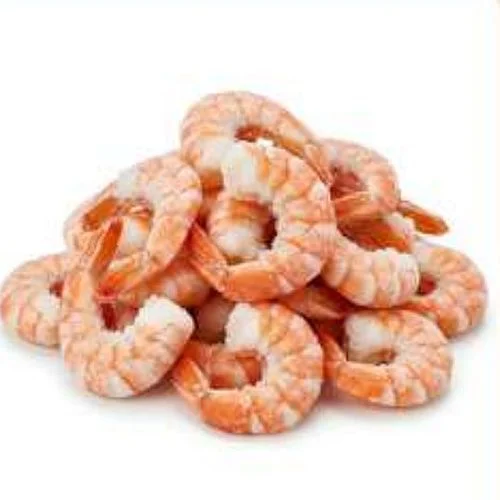
The shrimp are supplied as peeled, undeveined shrimp (PUD), which is a processed form ready for cooking or further preparation.
What certifications should a buyer request for these seafood products?
Buyers should request HACCP, ISO 22000 or BRC Global Standard certificates, as these are the common food‑safety credentials required for imported seafood.
Which HS chapters typically cover the products offered by this supplier?
Seafood products from Pakistan are generally classified under HS Chapter 03, specifically HS 0303 for frozen fish, HS 0304 for fish fillets, and HS 0305 for crustaceans and molluscs.
What are the typical packaging methods for frozen squid and fresh fish from Pakistan?
Frozen squid is usually packed in insulated cardboard boxes with EPS foam and a sealed inner liner, while fresh fish are shipped in refrigerated insulated containers with ice packs or gel packs to maintain 0 °C‑4 °C.
Which regions are the main import markets for Pakistani seafood?
The main import markets include the European Union, the United Arab Emirates and other Gulf states, the United States and several Southeast Asian countries.
What documentation is required for customs clearance of these seafood items?
Customs clearance typically requires a commercial invoice, packing list, bill of lading, Certificate of Origin, phytosanitary certificate and, where applicable, a laboratory analysis report for moisture and microbiological limits.




 , Pakistan