SUNRISE INS GROUP — Verified Manufacturer & Wholesale Supplier
About SUNRISE INS GROUP - Rice Supplier in Viet Nam
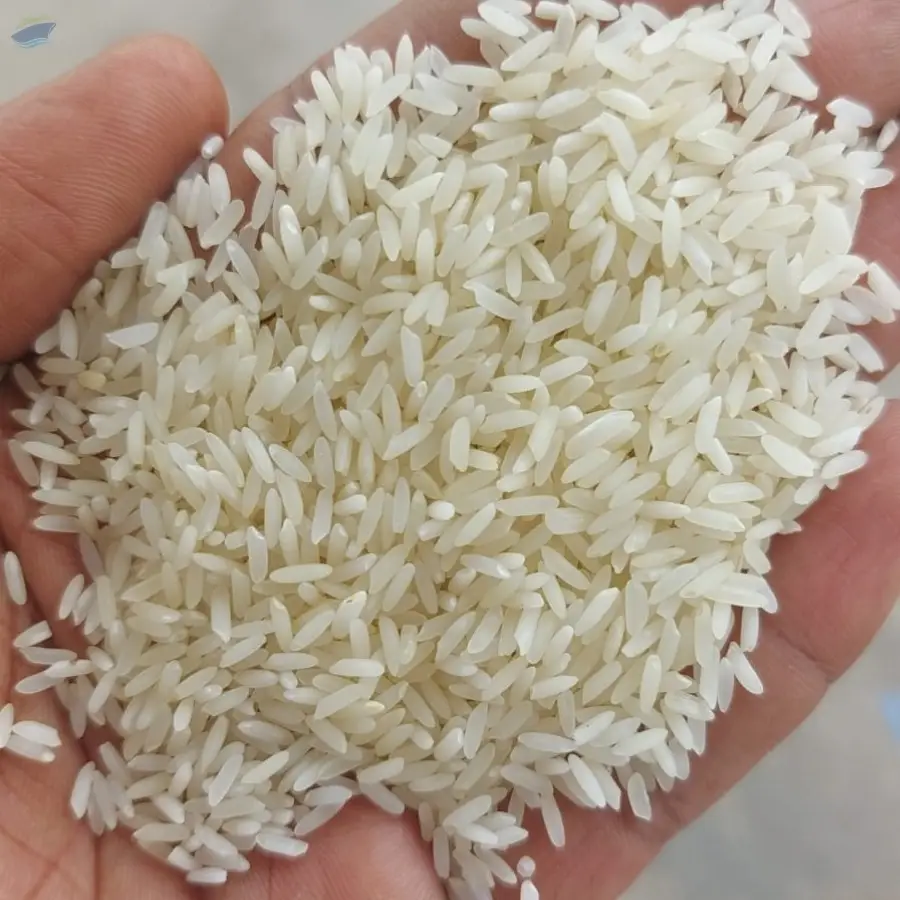
Vietnam, Ho Chi Minh City hosts SUNRISE INS GROUP, which lists 19 active rice products in its catalogue. The company’s catalogue covers a spectrum of long‑grain, medium‑grain and specialty rice varieties, each identified by broken‑rice percentages or specific cultivar names such as Jasmine, Hom Mali, Calrose, Japonica, Red, Black and Purple rice. Product entries include standard milled white rice with 3 % to 25 % broken fractions, as well as brown and glutinous rice variants with defined broken rates. All items fall under the broad HS‑code chapter 10 for cereals, specifically HS 1006 for milled rice and related sub‑headings.
The listed items differentiate by grain length, aroma profile and processing level, for example Jasmine Rice 5 % Broken and Long Grain Rice ST21 with a 3 % broken rate. The catalogue also mentions rice‑based products such as rice noodles and rice paper, though the primary focus remains on raw milled and broken rice grades. Each product is described by its broken‑rice percentage, which is a key quality metric used by importers to assess milling yield and end‑use suitability.
Product Range and Specialties of SUNRISE INS GROUP
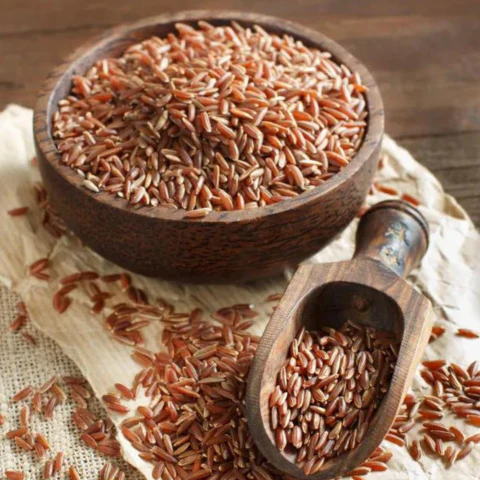
SUNRISE INS GROUP’s catalogue enumerates 19 rice items ranging from premium aromatic Jasmine to specialty colored grains such as Black, Red and Purple rice, each specified by a broken‑rice tolerance (e.g., 5 % broken for Black Rice). In the global rice trade, these grades correspond to standard milling classifications: “broken” fractions are measured after milling and affect both price and suitability for different cuisines. Typical industry specifications for exported milled rice include moisture content of 12 % - 14 %, foreign matter below 0.5 %, and a milling recovery of 70 % - 78 % for white rice and 65 % - 70 % for brown rice. Buyers often request grain length measurements (e.g., 6.5 mm - 7.0 mm for long‑grain Jasmine) and aroma intensity scores for fragrant varieties.
Trade and Export Information - SUNRISE INS GROUP
Vietnam ranks among the world’s top rice exporters, supplying mainly to Asian, African and Middle‑Eastern markets. Export shipments of milled rice fall under HS 1006.00 (non‑broken rice) and HS 1006.30 (broken rice), with additional sub‑headings for specialty colored rice. Importers typically require phytosanitary certificates, a certificate of origin, and food‑safety certifications such as ISO 22000 or HACCP, although the exact documents depend on the destination country’s regulations. Standard packaging for bulk shipments is 50 kg polypropylene bags, stacked in 20‑ft containers that can hold roughly 400 metric tons of rice. Common Incoterms used by Vietnamese rice exporters include FOB Ho Chi Minh City and CIF ports in the Middle East or Europe, reflecting the region’s demand for high‑volume, low‑moisture grain.
Sourcing from SUNRISE INS GROUP - Buyer Guidance
Buyers should request a recent laboratory analysis that includes moisture content, broken‑rice percentage, grain length, aroma index (for fragrant varieties) and pesticide residue limits compliant with EU or US standards. Verification of a phytosanitary certificate and, where required, an ISO 22000 or HACCP audit report helps confirm the supplier’s compliance with food‑safety expectations. Prior to placing a large order, requesting a 5‑kg sample packed in the same 50 kg bag material allows the buyer to test for foreign matter, color uniformity and cooking quality under their specific processing conditions.
Frequently Asked Questions About SUNRISE INS GROUP
What rice varieties are listed in SUNRISE INS GROUP’s catalogue?
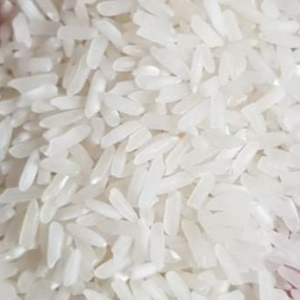
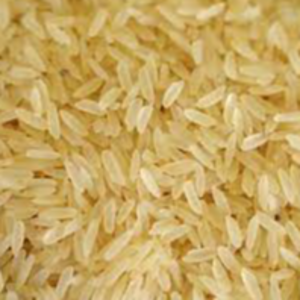
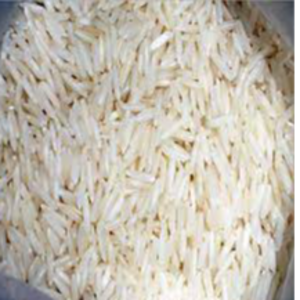
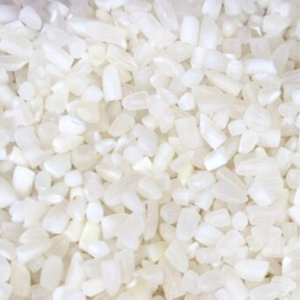
The catalogue lists 19 items, including Jasmine Rice 5 % broken, Hom Mali (fragrant) rice, Long Grain Rice ST21, ST24 and ST25 with 3 % broken, Calrose, Japonica (round) rice, as well as Red, Black and Purple rice each at 5 % broken. It also includes brown rice, glutinous rice (5 % and 10 % broken) and standard long‑grain white rice with 15 %, 25 % and 100 % broken fractions.
Which HS codes are applicable to the rice products offered?
Milled white and aromatic rice without broken kernels are classified under HS 1006.00, while rice with a defined broken fraction falls under HS 1006.30 (broken rice). Colored and specialty rice varieties are also covered by HS 1006.30 but may be recorded with additional sub‑headings for statistical reporting.
What quality specifications should buyers verify for Vietnamese milled rice?
Buyers normally check moisture content (12 % - 14 %), broken‑rice percentage as stated in the product name, foreign matter below 0.5 %, and pesticide residue limits that meet EU or US maximum residue limits. For aromatic rice, an aroma intensity test (e.g., sensory panel rating) is also common.
Which certifications are typically required for importing rice from Vietnam?
Importers usually request a phytosanitary certificate, a certificate of origin, and food‑safety certifications such as ISO 22000 or HACCP. Depending on the destination market, a Halal or Kosher certification may also be required.
How is the rice packaged for export?
The standard export packaging is 50 kg polypropylene woven bags, stacked on pallets for container loading. A 20‑ft container can accommodate approximately 400 metric tons, while a 40‑ft container can hold around 800 metric tons of the same packaging.
What are typical payment and shipping terms for SUNRISE INS GROUP?
Typical terms include FOB Ho Chi Minh City for buyers who arrange freight, or CIF to major ports in the Middle East or Europe when the supplier handles shipping. Payment is often secured by a documentary letter of credit issued at sight.
What lead time can a buyer expect after order confirmation?
Lead times generally range from 30 to 45 days, covering grain processing, quality testing, packaging and container loading. Seasonal demand peaks may extend the timeline, especially during the main harvest period.
How can a buyer obtain a sample before placing a full order?
Buyers can request a 5‑kg sample packed in the same 50 kg bag material; the supplier typically ships the sample by air freight within 5‑7 business days after the request is approved. The sample should be accompanied by a lab report confirming the key specifications listed above.




 , Viet Nam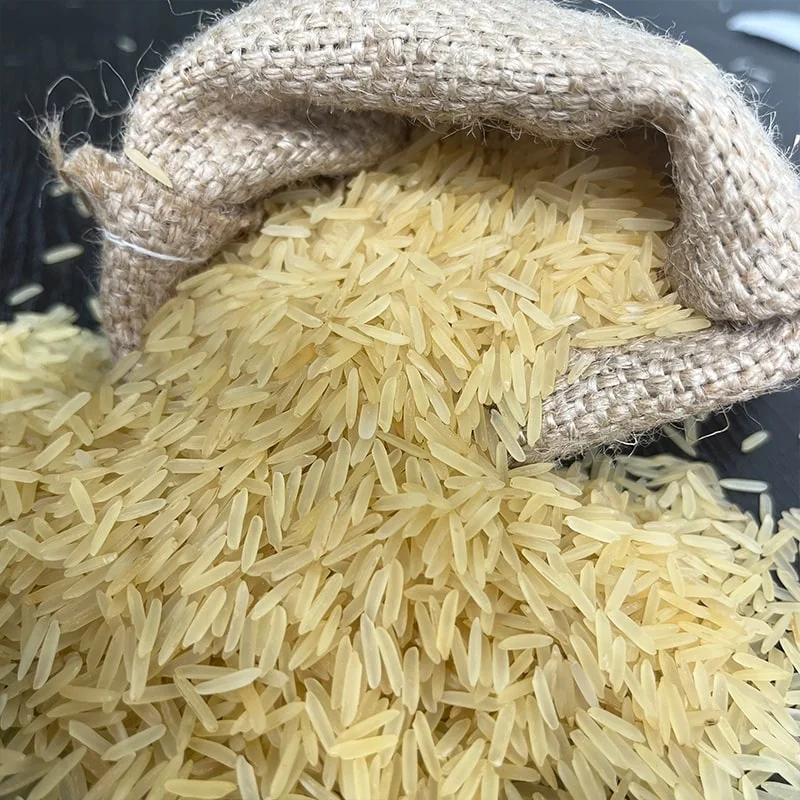
.jpg.png)