Sunray International — Verified Supplier
About Sunray International - Castor Meal Supplier in India
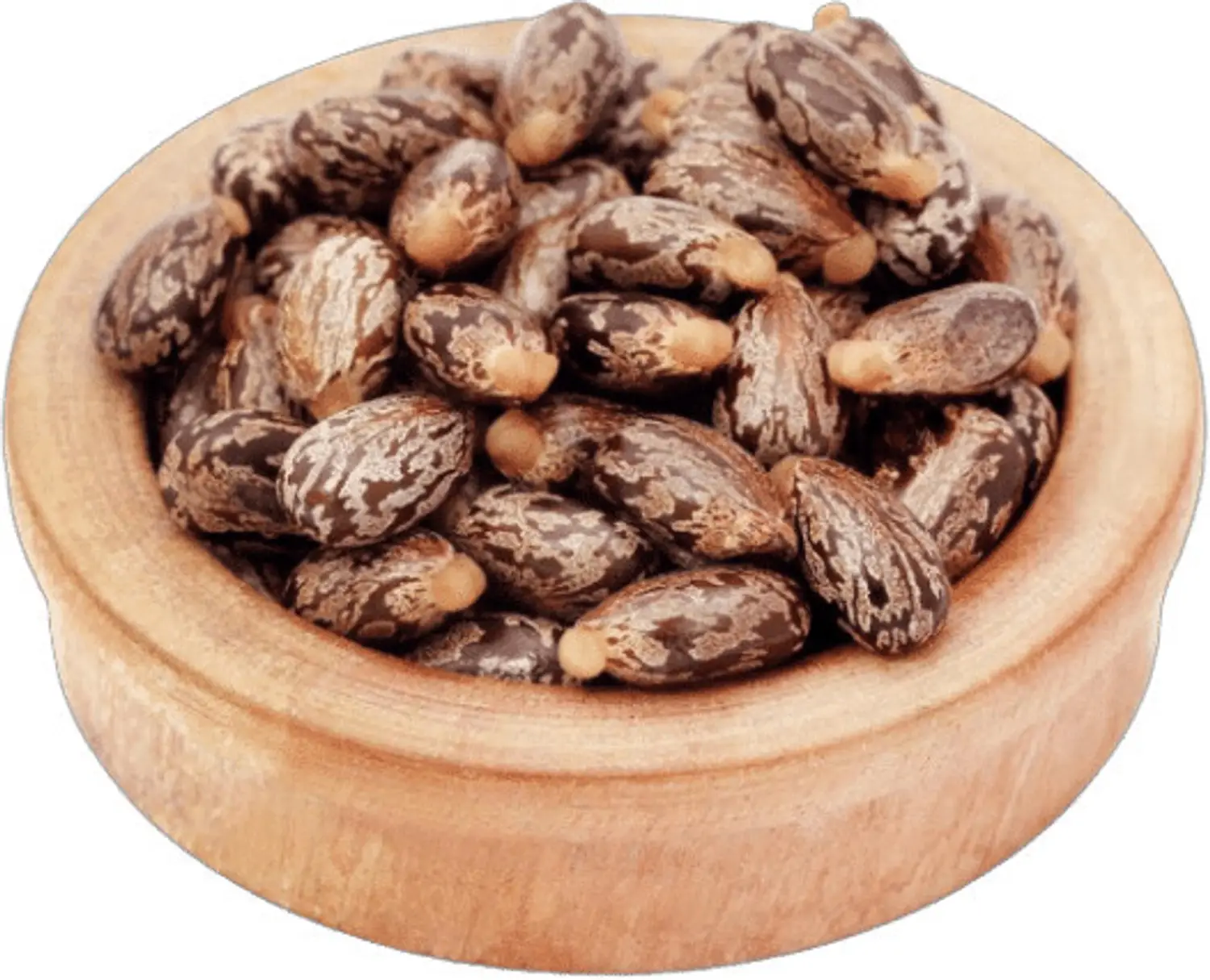
Sunray International operates from India and lists nine active products across feed, chemical and starch categories. The catalogue includes Castor Oil Cake (HS 2306.60) derived from castor seed oil extraction, High Protein Castor De‑Oiled Cake (HS 2303.30) and Castor De‑Oiled Cake (HS 2306.99) both sourced from de‑oiled Ricinus communis residues, as well as Neem De‑Oiled Cake and Neem Oil Cake which are by‑products of neem seed processing. Additional chemical offerings are Sodium Carboxymethyl Cellulose (CMC) and Sodium Monochloro Acetate (SMCA), while the starch segment contains Carboxymethyl Tamarind Kernel Powder and Sodium Carboxymethyl Starch (CMS). Each product is listed under its relevant HS‑code family where specified, reflecting standard customs classifications for animal feed meals, industrial chemicals and modified starches.
The listed top categories are Castor Meal, Neem Products, Chemicals & Allied Products, Industrial Chemicals, Tamarind Seed and Starch. Sunray’s product set therefore spans high‑protein protein meals for livestock, organic‑fertiliser‑grade neem cakes, cellulose‑based thickeners, textile‑processing chemicals and functional starch derivatives. The mix aligns with typical Indian export portfolios that combine agro‑industrial meals with specialty chemicals for downstream processing.
Product Range and Specialties of Sunray International
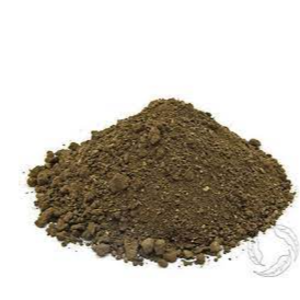
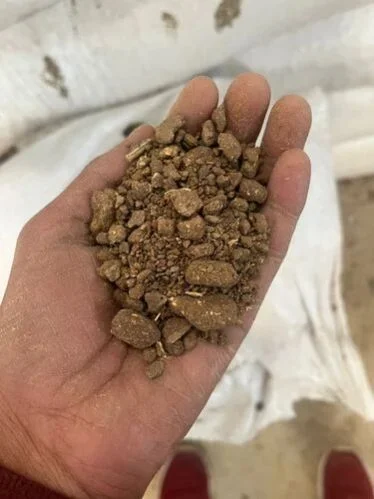
Castor meals such as the oil cake (HS 2306.60) and de‑oiled cake (HS 2306.99) normally contain 40‑48 % crude protein, 6‑8 % moisture and are used as protein‑rich feed for ruminants and poultry. High‑protein castor meal (HS 2303.30) is graded by protein content (often ≥45 %) and low fibre levels, making it suitable for premium feed formulations. Neem cakes are valued for their nitrogen content (≈5‑7 %) and natural pest‑repellent compounds; they are commonly classified under HS 2306.99 for organic fertiliser meals. Sodium Carboxymethyl Cellulose (CMC) is a cellulose ether with viscosity grades ranging from 1000 - 5000 cP at 1 % solution and a typical degree of substitution of 0.7‑0.9, classified under HS 3915. Sodium Monochloro Acetate (SMCA) is a textile‑processing intermediate with purity ≥99 % and is usually recorded under HS 2925. Carboxymethyl Tamarind Kernel Powder and Sodium Carboxymethyl Starch are modified starches, often falling under HS 3502, with typical moisture ≤12 % and a paste viscosity of 300 - 800 cP at 2 % solids. These specifications represent the usual industry grades buyers encounter for each product type.
Trade and Export Information - Sunray International
India is a major exporter of castor meals and neem‑based organic fertilisers, shipping primarily to the Middle East, Southeast Asia, the EU and North America. HS 2303‑2306 families are subject to phytosanitary inspection and may require a Certificate of Origin and a laboratory analysis for protein, moisture and heavy‑metal limits under the importing country’s regulations. Chemical products such as CMC and SMCA fall under HS 3915 and HS 2925 respectively and typically need an MSDS, a purity test report and, where applicable, compliance with REACH or US TSCA. Starch derivatives under HS 3502 are usually packed in food‑grade polyethylene bags (20 kg) or bulk 1 tonne polypropylene drums, with container loads of 20‑22 tonnes in a 20‑ft box or 44‑48 tonnes in a 40‑ft box. Indian exporters often work on FOB terms from major ports such as Mumbai or Mundra, with buyers arranging CIF or DAP to target markets.
Sourcing from Sunray International - Buyer Guidance
When sourcing castor or neem meals from Sunray International, buyers should request a recent analysis report covering crude protein, moisture, fibre, ash and any pesticide residues. For the chemical line, obtain an up‑to‑date MSDS, a certificate of analysis confirming purity (≥99 % for SMCA, ≥95 % for CMC) and, where required, evidence of compliance with REACH or local chemical safety regulations. Starch derivatives should be accompanied by a moisture content certificate and a viscosity profile at standard concentrations. Verify that the HS codes on the commercial invoice match the product descriptions and ask for a phytosanitary certificate for feed‑grade meals. Confirm packaging details (e.g., 20 kg polyethylene bags, 1 tonne drums) and container loading plans before finalising the order.
Frequently Asked Questions About Sunray International
What are the typical protein levels in Sunray International’s castor meals?
Castor Oil Cake (HS 2306.60) and Castor De‑Oiled Cake (HS 2306.99) generally contain 40‑48 % crude protein, while the High Protein Castor De‑Oiled Cake (HS 2303.30) is usually graded at ≥45 % protein.
Which certifications should a buyer request for the chemical products?
Buyers should ask for an up‑to‑date Material Safety Data Sheet, a Certificate of Analysis confirming ≥95 % purity for CMC and ≥99 % purity for SMCA, and any applicable REACH or TSCA compliance documents.
What HS codes are used for the neem cake products?
Both Neem De‑Oiled Cake and Neem Oil Cake are typically classified under HS 2306.99, the same chapter used for other oil‑seed meals.
How are the modified starch products packaged for export?
Carboxymethyl Tamarind Kernel Powder and Sodium Carboxymethyl Starch are commonly packed in food‑grade polyethylene bags of 20 kg or in 1 tonne polypropylene drums, suitable for container loading of 20‑ft or 40‑ft boxes.
What documentation is required for feed‑grade meals entering the EU?
EU importers usually require a phytosanitary certificate, a Certificate of Origin, and a laboratory analysis report showing compliance with protein, moisture and pesticide‑residue limits.
What are the typical container capacities for Sunray International’s bulk shipments?
A 20‑ft container can hold approximately 20‑22 tonnes of powdered meals or chemicals, while a 40‑ft container can accommodate 44‑48 tonnes, depending on packaging density.
What quality tests are standard for the sodium carboxymethyl starch product?
Standard tests include moisture content (≤12 %), viscosity measurement at 2 % solids (300‑800 cP), and a purity assessment confirming ≥95 % carbohydrate content.




 , India