Sujata Enterprises — Verified Supplier
About Sujata Enterprises - Food & Specialty Products Supplier in India
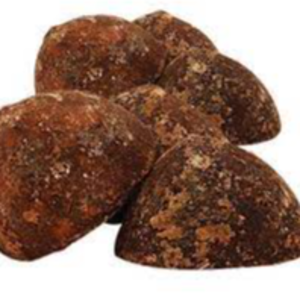
Sujata Enterprises operates out of India and currently offers five distinct food and specialty items in its catalogue. The active product count of five includes organic jaggery powder, low‑glycemic‑index organic rice, scented candles, hulled sesame seeds, and organic turmeric powder. All listed items fall under the primary categories of Jaggery, Organic Rice, Candles, Sesame Seeds and Turmeric Powder as indicated in the supplier’s top categories. The catalogue does not disclose any additional product lines beyond these five entries. Sujata Enterprises is classified in the “harbor” trust tier, indicating a mid‑level verification level within the platform.
Product Range and Specialties of Sujata Enterprises
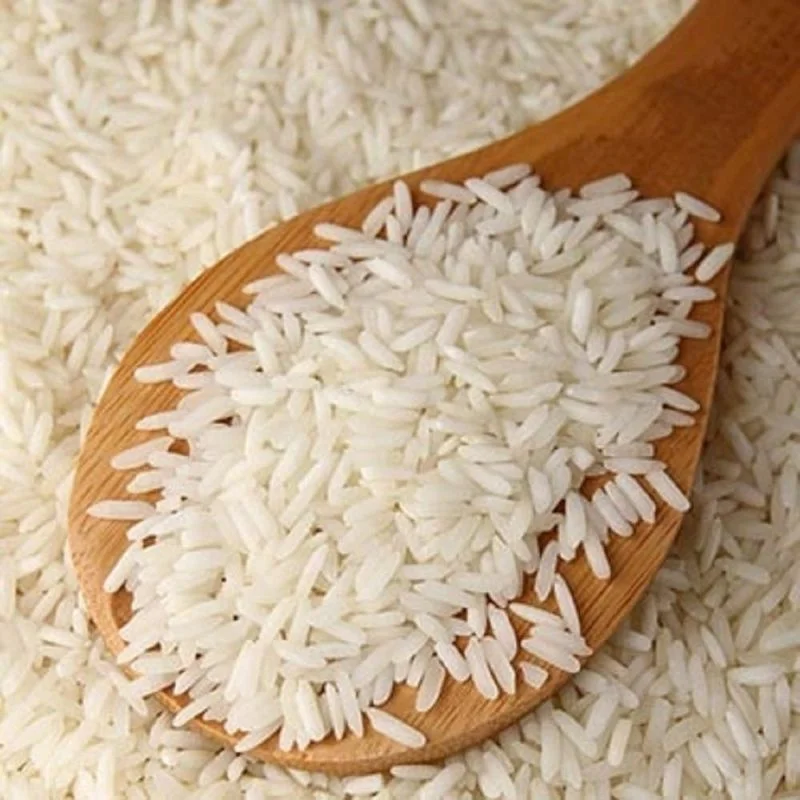
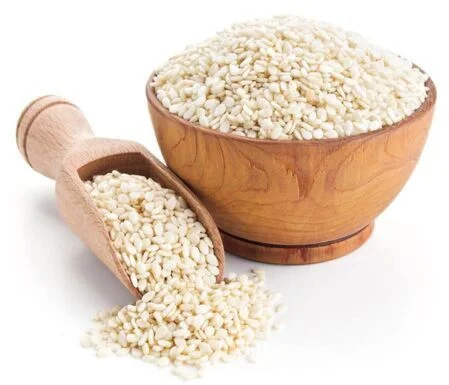
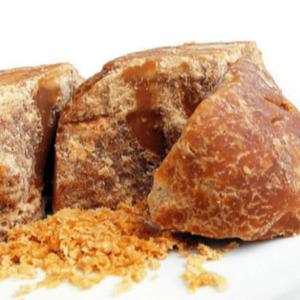
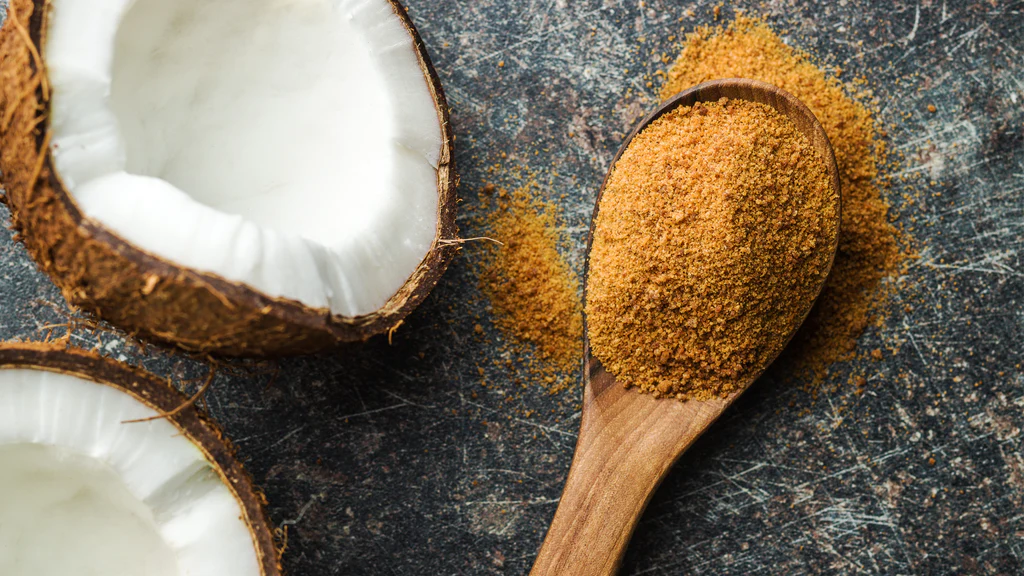
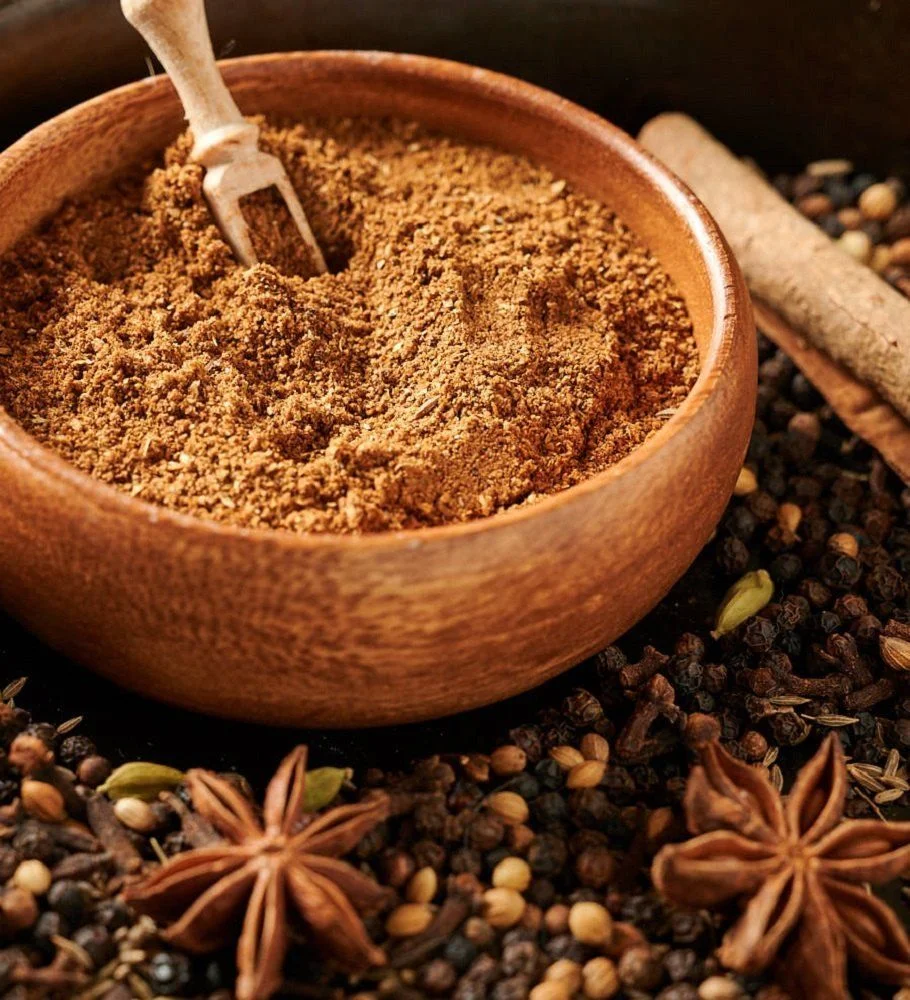
In the catalogue, Sujata Enterprises supplies organic jaggery powder typically manufactured to a moisture content below 10 % and a sucrose concentration above 85 %, which matches the standard quality grades used in the Indian sweetener market. The organic low‑glycemic‑index rice is usually classified as a short‑grain or medium‑grain variety with an amylose content below 20 % and a moisture level of 12‑14 % for safe storage; it is commonly exported under HS 1006.30. The scented candles are generally produced from paraffin or soy wax blends, with a typical melt point between 55 °C and 65 °C and fragrance load up to 8 % by weight, falling under HS 3406.30. Hulled sesame seeds are offered with a kernel size of 3‑5 mm, oil content around 50 % and moisture under 5 %, matching the specifications of HS 1207.00. Organic turmeric powder is usually ground to a particle size of 200‑300 µm, with curcumin content exceeding 3 % and moisture below 12 %, corresponding to HS 0910.12.
Trade and Export Information - Sujata Enterprises
India is a major exporter of the product families represented in Sujata Enterprises’ catalogue, with the European Union, United States and Middle Eastern markets accounting for the largest share of demand for organic sweeteners, rice and spices. Export shipments for jaggery powder and turmeric powder are typically packed in food‑grade polypropylene bags of 25 kg, while rice is loaded in 20‑ft containers at 22‑24 tons per container; sesame seeds are often shipped in 1‑ton bulk bags. Buyers usually require certifications such as ISO 22000, FSSC 22000 or the India Organic (NPOP) standard for the organic items, and a Certificate of Analysis confirming moisture, pesticide residue and microbial limits. Customs authorities commonly inspect HS code families 1702, 1006, 1207, 0910 and 3406, applying the relevant food safety regulations of the importing country. Logistics for these commodities generally follow CIF or FOB terms, with temperature‑controlled storage recommended for jaggery and turmeric to preserve flavor and potency.
Sourcing from Sujata Enterprises - Buyer Guidance
When sourcing from Sujata Enterprises, buyers should request a current Certificate of Analysis for each batch, covering moisture, ash, sucrose (for jaggery), amylose (for rice), oil content (for sesame) and curcumin levels (for turmeric). Organic certification documents such as the NPOP certificate or equivalent international organic accreditation should be verified before contract finalisation. Samples in the standard packaging size (e.g., 1 kg for powders, 5 kg for seeds) allow laboratory testing for pesticide residues, heavy metals and microbiological limits as per Codex Alimentarius. Confirming the HS code declared on the commercial invoice matches the product category helps avoid customs delays. Buyers are advised to discuss packaging preferences, lead times (typically 30‑45 days from order confirmation) and the preferred Incoterm to align with their logistics network.
Frequently Asked Questions About Sujata Enterprises
What HS code should I expect for the organic low‑glycemic‑index rice?
Rice is generally classified under HS 1006.30 for milled or polished rice. This code is used by most importers for bulk shipments, and the supplier should list it on the commercial invoice.
Which certifications are commonly available for the organic jaggery powder?
Organic jaggery producers in India often hold the India Organic (NPOP) certification, which confirms compliance with national organic standards. Additional food‑safety certifications such as ISO 22000 or FSSC 22000 are also commonly provided upon request.
What is the typical moisture limit for the hulled sesame seeds?
Commercial hulled sesame seeds are typically required to have moisture content not exceeding 5 % to maintain shelf stability. Importers also check for foreign matter below 0.5 % as part of standard quality acceptance.
How are the scented candles packaged for export?
Export shipments of scented candles are usually packed in reinforced cardboard boxes, with each candle wrapped in protective film to prevent damage. The cargo is classified under HS 3406.30 for candles, and the packaging specifications are stated on the packing list.
What laboratory tests are standard for the organic turmeric powder?
Standard laboratory tests for organic turmeric powder include curcumin content (minimum 3 %), moisture (≤12 %), and limits for heavy metals such as lead (≤0.1 ppm). Pesticide residue analysis is also performed according to Codex Alimentarius guidelines.
What are the usual minimum order quantities (MOQ) for these products?
Typical minimum order quantities are 500 kg for powdered products like jaggery and turmeric, 1 ton for hulled sesame seeds, and a full 20‑ft container (approximately 22 tons) for rice. Sellers may adjust MOQs based on packaging and shipping arrangements.
Which markets typically import these Indian organic products?
The European Union, United States and Gulf Cooperation Council (GCC) countries are the principal importers of Indian organic sweeteners, rice, spices and seed commodities. These regions often require compliance with both local food safety regulations and organic certification standards.
What documentation should I request before shipment?
Before shipment, buyers should request a commercial invoice with the correct HS code, a Certificate of Origin, and a Certificate of Analysis detailing key quality parameters. For organic items, the relevant organic certification document (e.g., NPOP) should also be provided.




 , India