Sri Paavaki Muthya International — Verified Supplier

About Sri Paavaki Muthya International - Rice and Agro Products Supplier in India

Sri Paavaki Muthya International is an India-based exporter operating from the country's southern agro-processing belt with an active catalogue of 15 product lines spanning rice, fresh fruits, dehydrated vegetables, and neem-based goods. The supplier's listed range covers Rice, Non-Basmati Rice, Organic Non-Basmati Rice, Jasmine Rice, IR64, and IR36 rice varieties, alongside fresh Banana (HS code 0803.00, Cavendish and Gros Michel varieties), Coconut, Pomegranate, Tamarind, Green Chilli, Dehydrated Green Chilli Flakes, Dehydrated Green Chilli Powder, Green Chilli Powder, and Neem Stick. The mix pairs staple cereals under HS chapter 10 with fresh fruit under HS chapter 08 and value-added dehydrated vegetable preparations that typically fall under HS chapter 07 or 20 depending on the processing stage. The catalogue reflects a typical South Indian export profile, combining commodity rice grades with horticultural produce and minimally processed agro derivatives. Rice accounts for six of the fifteen listings, signalling that cereals form the core volume category, while the inclusion of dehydrated green chilli in three processed forms (whole, flakes, powder) shows a secondary focus on shelf-stable spice ingredients used in food manufacturing. Fresh banana is the only product with an HS code explicitly stated in the catalogue (0803.00), and the variety note (Cavendish/Gros Michel) is consistent with what Indian ports typically ship in reefer containers to Gulf, African, and Asian wholesale markets.

Product Range and Specialties of Sri Paavaki Muthya International

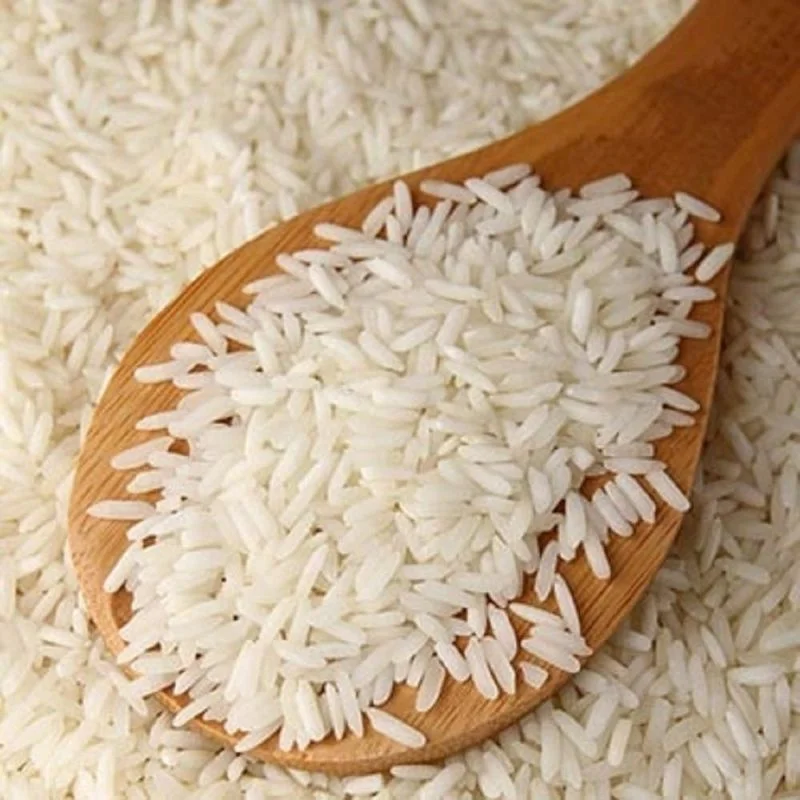
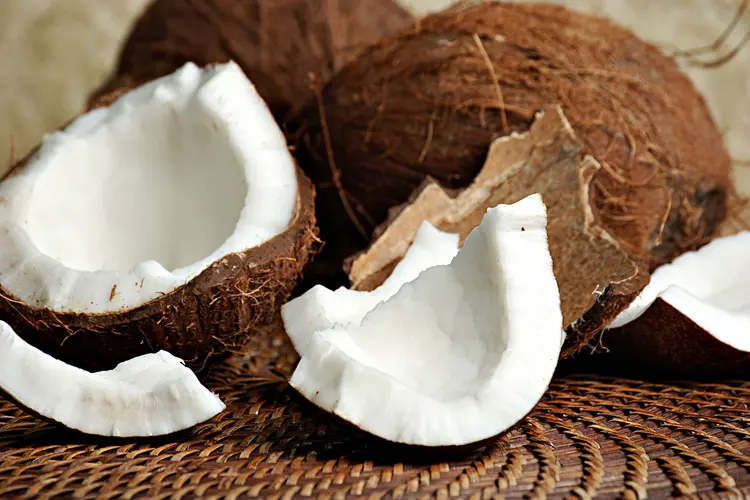
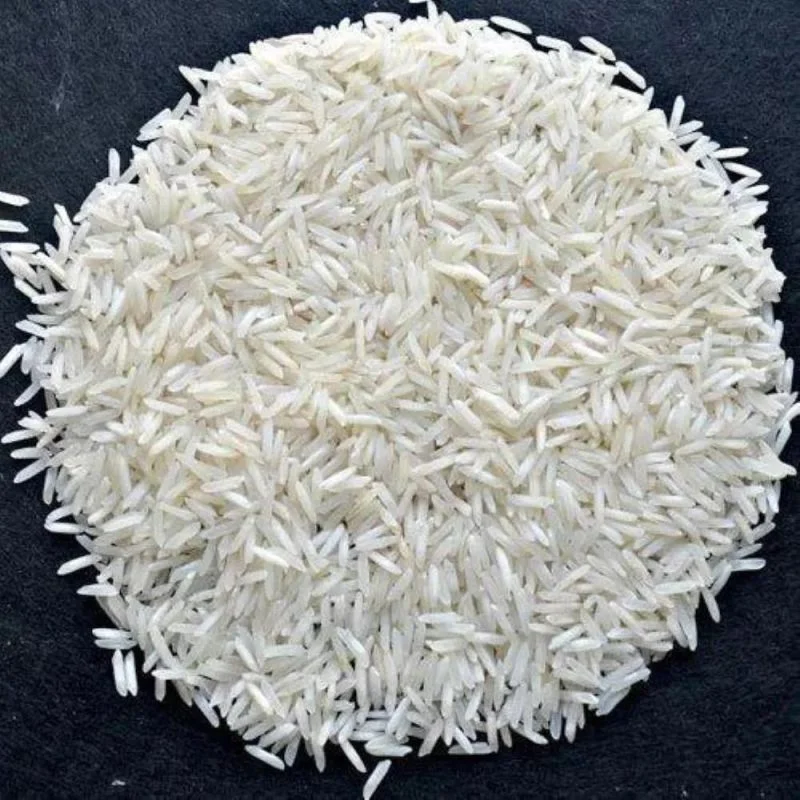
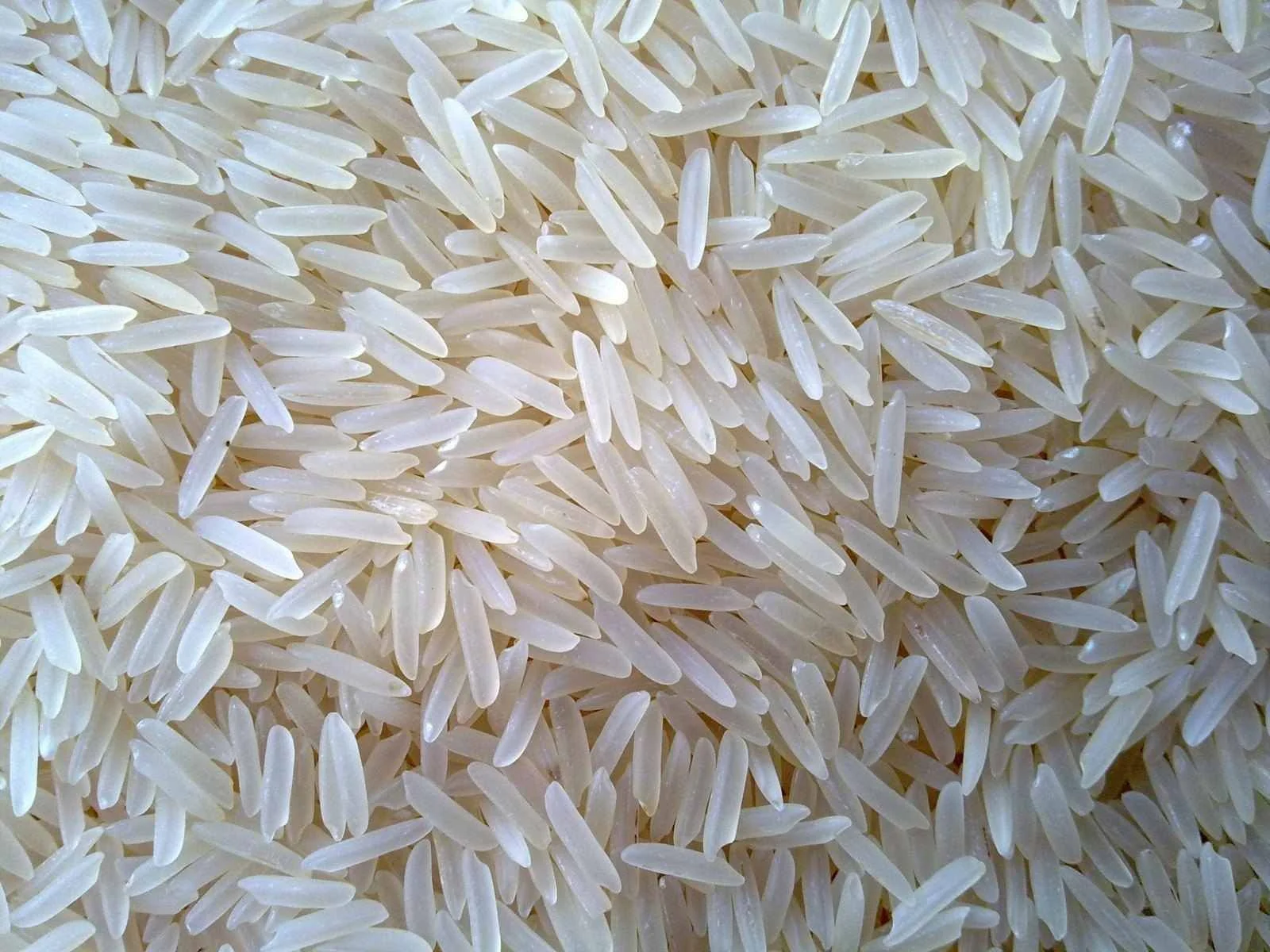
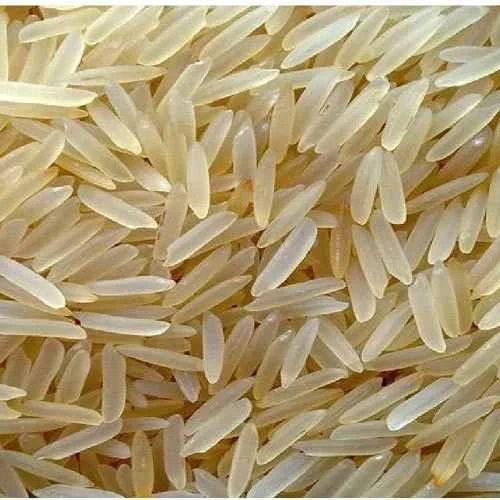
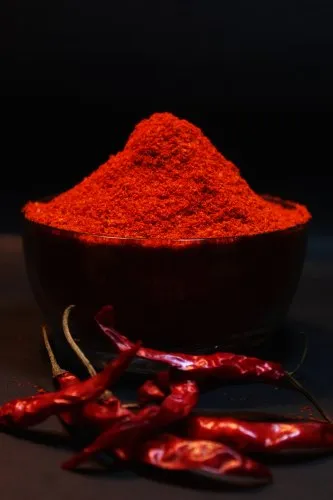
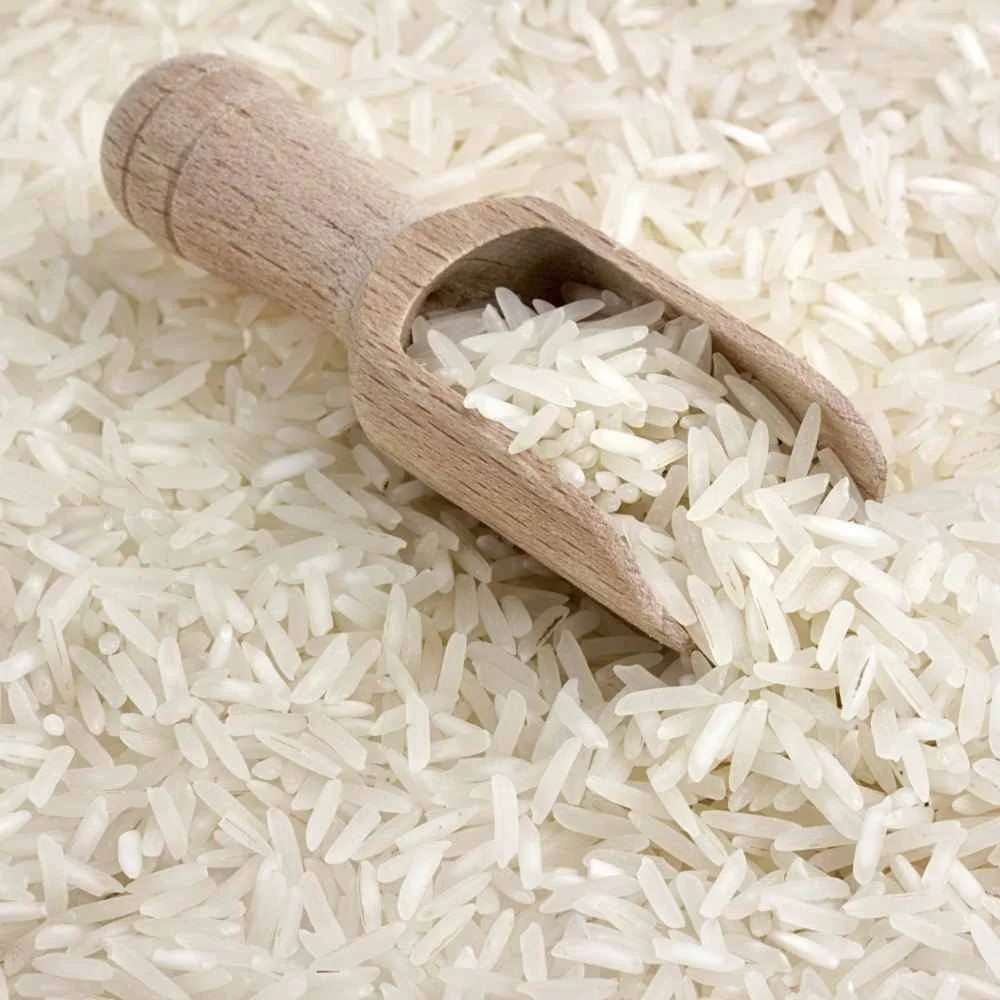
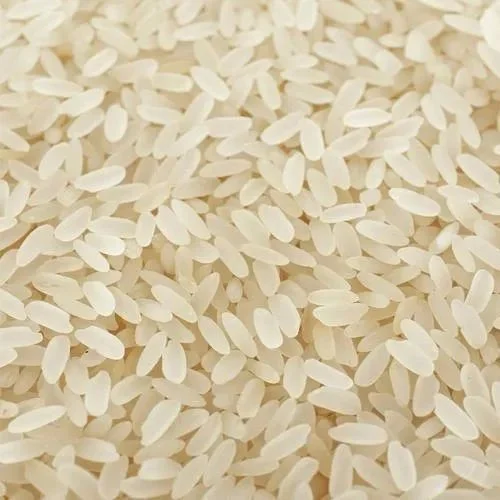
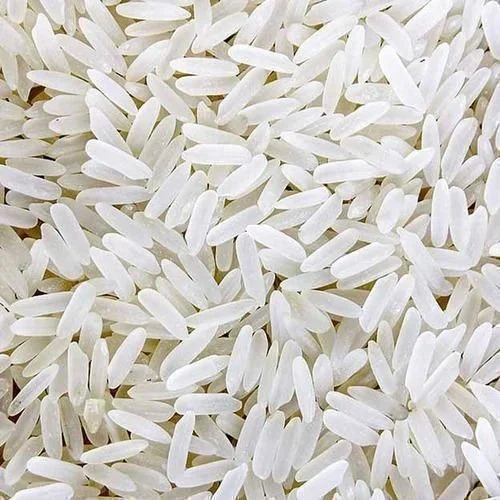
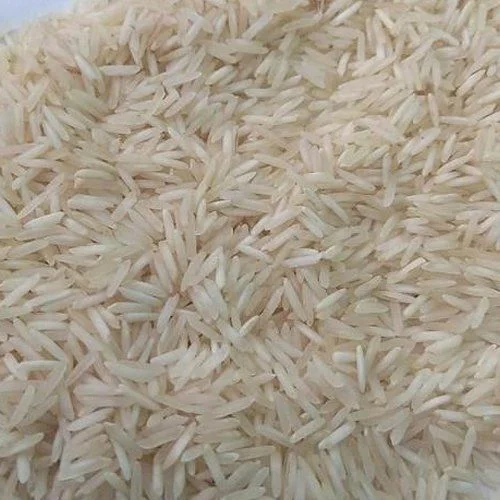
Sri Paavaki Muthya International's catalogue is built around three product clusters. The rice cluster includes generic Rice, Non-Basmati Rice, Organic Non-Basmati Rice, Jasmine Rice, IR64, and IR36; these are the parboiled and raw white rice grades most commonly exported from India, with IR64 and IR36 being the long-grain (around 6.0-6.8 mm) non-basmati varieties that dominate shipments from Andhra Pradesh, Tamil Nadu, and Chhattisgarh. Jasmine Rice in this context usually refers to the Indian fragrant Sona Masuri or Jeera Samba style rather than Thai Hom Mali, and buyers typically request specifications on grain length, broken percentage (commonly 5%, 25%, or 100% broken), moisture (below 14%), and whiteness/degree of milling. The fresh produce cluster covers Banana (Cavendish/Gros Michel, HS 0803.00), Coconut, Pomegranate, Tamarind, and Green Chilli, while the processed cluster adds Dehydrated Green Chilli Flakes, Dehydrated Green Chilli Powder, and Green Chilli Powder, plus Neem Stick from the neem products range. Dehydrated chilli products are typically traded with moisture below 10%, ASTA colour value, and Scoville Heat Unit ranges (commonly 30,000-50,000 SHU for Indian green chilli), and buyers in spice blending and sauce manufacturing usually ask for mesh size (40-80 mesh), plate counts, and microbiological limits. Neem Stick is a traditional oral-care and agricultural input product, exported both as chewing sticks and as raw material for neem-based pesticides and cosmetics, with neem oil and neem cake typically traded under HS 1302 or 3808.

Trade and Export Information - Sri Paavaki Muthya International

Indian rice exporters typically ship to Gulf Cooperation Council (UAE, Saudi Arabia, Oman, Qatar, Kuwait, Bahrain), African markets (Benin, Senegal, Côte d'Ivoire, Somalia, Djibouti, South Africa), Bangladesh, Nepal, Sri Lanka, and Asian diaspora hubs in Europe and North America. Non-basmati rice falls under HS code 1006.30 (semi-milled or wholly milled rice) and HS 1006.40 (broken rice), and Indian shipments usually require a Certificate of Export from the Directorate General of Foreign Trade, a phytosanitary certificate from the Plant Quarantine authority, and an SGS or Bureau Veritas pre-shipment inspection report for African and Asian tenders. Fresh banana exports (HS 0803.00) move predominantly by reefer containers at 13-14°C from Tamil Nadu, Maharashtra, and Gujarat ports to UAE, Saudi Arabia, Iran, and Egypt, with 20 ft reefer loads of roughly 1,200-1,400 cartons at 13-18 kg each. Dehydrated vegetables and spice powders from India are commonly traded under HS 0712 (dried vegetables) and HS 0904 (pepper/chilli, crushed or ground), and buyers in the EU, USA, Canada, and Australia typically require compliance with maximum residue limits (MRLs) under EU Regulation 396/2005 and the US FDA pesticide tolerances, plus microbiological standards (salmonella absent in 25 g, E. coli <10 cfu/g), aflatoxin limits, and HACCP or ISO 22000 food safety certification at the processing facility. Indian spice exporters generally ship in 25 kg kraft paper bags or multi-wall laminated pouches inside corrugated cartons, with 20 ft container loads of roughly 18-20 metric tonnes for powders and flakes. Neem products are increasingly shipped to organic input buyers in Europe, Australia, and Latin America, where certifications such as ECOCERT, USDA NOP, or OMRI listing are commonly requested even when not held by the supplier.

Sourcing from Sri Paavaki Muthya International - Buyer Guidance

Buyers sourcing from Sri Paavaki Muthya International should request the rice grade specification sheet before confirming orders: grain length in mm, broken percentage, degree of milling, moisture content (target below 14%), and the relevant FCI or APEDA grade. For African and Asian government tenders, ask for the Certificate of Export, phytosanitary certificate, and a third-party pre-shipment inspection (SGS, Bureau Veritas, or Intertek) report tied to the specific lot. For organic non-basmati rice, confirm the scope and validity of the organic certification (NPOP, USDA NOP, or EU 2018/848) and request the most recent transaction certificate from the accredited certifying body. For fresh banana (HS 0803.00), confirm crown condition, hand count per carton, pulp temperature at loading (target 13-14°C), and the reefer container's temperature recorder chart. For dehydrated green chilli products, request a Certificate of Analysis covering moisture, ASTA colour, Scoville Heat Units, mesh size, total plate count, coliforms, salmonella, and aflatoxin, along with the manufacturing date and shelf life (typically 18-24 months). For neem sticks, clarify whether the product is for direct oral care use or for further processing (neem oil extraction, pesticide formulation), as this affects the cut length, drying method, and packaging requirement. Always request product samples, verify the supplier's IEC (Import Export Code) on the DGFT portal, and align Incoterms (commonly FOB or CIF for rice, CFR or CIP for reefer produce) with the buyer's port handling capacity.

Frequently Asked Questions About Sri Paavaki Muthya International

What rice varieties does Sri Paavaki Muthya International list?

The catalogue lists six rice lines: generic Rice, Non-Basmati Rice, Organic Non-Basmati Rice, Jasmine Rice (typically Indian fragrant Sona Masuri or Jeera Samba style), IR64, and IR36. IR64 and IR36 are long-grain non-basmati varieties commonly shipped from South Indian and central Indian rice belts.

Which HS code applies to the fresh banana offered?

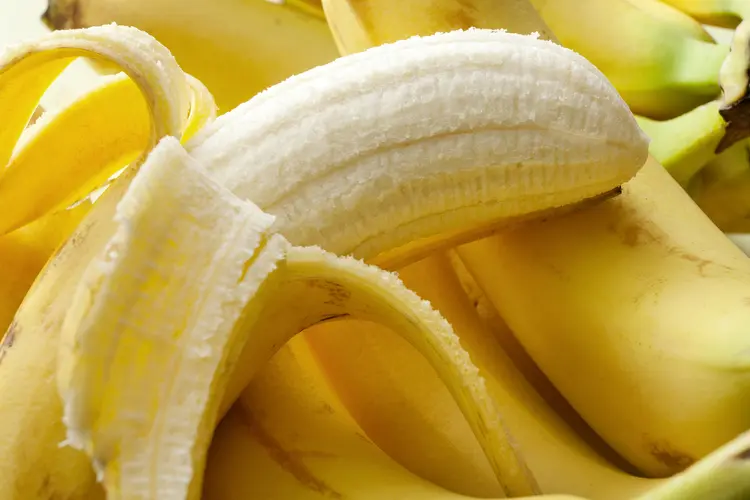
Fresh banana is listed under HS code 0803.00, covering fresh or dried bananas including plantains. The catalogue specifies Cavendish and Gros Michel varieties, which are the two main cultivars exported in reefer containers from Indian ports.

What documents should I request when ordering rice?

For Indian rice shipments, request a phytosanitary certificate, the APEDA-issued Certificate of Export, a mill test report covering grain length, broken percentage, moisture, and degree of milling, and a third-party pre-shipment inspection report (SGS, Bureau Veritas, or equivalent) for tender orders.

What specifications are typical for dehydrated green chilli products?

Dehydrated green chilli flakes and powders are commonly traded with moisture below 10%, ASTA colour value, mesh size of 40-80 mesh for powders, Scoville Heat Units in the 30,000-50,000 range, and microbiological limits including salmonella absent in 25 g. Buyers should request a lot-specific Certificate of Analysis.

What is the typical packaging for Indian dehydrated vegetables?

Dehydrated green chilli products from India are typically packed in 25 kg kraft paper bags or multi-wall laminated pouches inside corrugated cartons, with 20 ft container loads of roughly 18-20 metric tonnes. Inner food-grade poly liners are standard for moisture protection.

Does the supplier list organic certification for its organic non-basmati rice?

The catalogue lists Organic Non-Basmati Rice as a product line, but the specific certifying body and scope (NPOP, USDA NOP, EU 2018/848) are not stated in the available facts. Buyers should request the certificate number, scope, validity, and the most recent transaction certificate before placing an order.

Which Incoterms are typical for Indian rice and fresh produce exports?

Indian rice is commonly quoted on FOB or CIF basis from ports such as Chennai, Kakinada, Mundra, or Kandla. Fresh banana shipments by reefer are usually quoted CFR or CIP, with the buyer arranging cold-chain clearance at destination.

What is the typical shelf life and storage condition for dehydrated green chilli powder?

Dehydrated green chilli powder and flakes from Indian processors typically carry a shelf life of 18-24 months from the manufacturing date when stored below 25°C in dry, low-humidity conditions and away from direct sunlight. Buyers should confirm the production date and recommended storage on the Certificate of Analysis.


Featured Products from this Supplier

Other Suppliers in Primary Category

Top Trusted Suppliers

Related Products

Trending in Parent Category

More Suppliers in Category

Related Products

Other Suppliers

EximNext
58.4K+ live requirements
Register Free🎁 5 free buy-lead credits
Post Requirement
🌍 Trusted by 224.4K+ businesses in 200+ countries|
58.4K+ active requirements right now
✉️ [email protected]
|
Sell on EximNextPost Requirement
EximNext
AgricultureApparelConstructionElectronicFoodHomeIndustrialMineralsMiscellaneous
🔥 Deals|✨ AI Match|🏭 Suppliers|📋 Buy Leads|💰 Trade Finance|⭐ Upgrade
58.4K+ live RFQs·194.5K+ suppliers
🎁 5 free credits →
EximNext
EximNext
Register Free
🎁 5 free buy-lead credits
Sign In
📋Post Requirement💬Get QuotesAI Match📋RFQ Marketplace
All Categories
Services & Tools
🏭Supplier Directory🔥Today's Deals💰Trade FinanceMembership
Sell on EximNext
AboutContactBlogHelp
🏭

Sri Paavaki Muthya International

Harbor
Country flag , India
🛡️
55/100
Trust Score

Sri Paavaki Muthya International Product Catalog

Showing 12 of 15 products
View all products →
Rice
Harbor
Rice
Contact
MOQ: 1 Unit
Neem Stick
Harbor
Neem Stick
Contact
MOQ: 1 Unit
banana
Harbor
banana
Contact
MOQ: 1 Unit
Coconut
Harbor
Coconut
Contact
MOQ: 1 Unit
Tamarind
Harbor
Tamarind
Contact
MOQ: 1 Unit
Organic Non Basmati Rice
Harbor
Organic Non Basmati Rice
Contact
MOQ: 1 Unit
Non - Basmati Rice
Harbor
Non - Basmati Rice
Contact
MOQ: 1 Unit
Jasmine Rice
Harbor
Jasmine Rice
Contact
MOQ: 1 Unit
IR64
Harbor
IR64
Contact
MOQ: 1 Unit
IR36
Harbor
IR36
Contact
MOQ: 1 Unit
Pomegranate
Harbor
Pomegranate
Contact
MOQ: 1 Unit
Green Chilli
Harbor
Green Chilli
Contact
MOQ: 1 Unit

About Sri Paavaki Muthya International - Rice and Agro Products Supplier in India

Sri Paavaki Muthya International is an India-based exporter operating from the country's southern agro-processing belt with an active catalogue of 15 product lines spanning rice, fresh fruits, dehydrated vegetables, and neem-based goods. The supplier's listed range covers Rice, Non-Basmati Rice, Organic Non-Basmati Rice, Jasmine Rice, IR64, and IR36 rice varieties, alongside fresh Banana (HS code 0803.00, Cavendish and Gros Michel varieties), Coconut, Pomegranate, Tamarind, Green Chilli, Dehydrated Green Chilli Flakes, Dehydrated Green Chilli Powder, Green Chilli Powder, and Neem Stick. The mix pairs staple cereals under HS chapter 10 with fresh fruit under HS chapter 08 and value-added dehydrated vegetable preparations that typically fall under HS chapter 07 or 20 depending on the processing stage. The catalogue reflects a typical South Indian export profile, combining commodity rice grades with horticultural produce and minimally processed agro derivatives. Rice accounts for six of the fifteen listings, signalling that cereals form the core volume category, while the inclusion of dehydrated green chilli in three processed forms (whole, flakes, powder) shows a secondary focus on shelf-stable spice ingredients used in food manufacturing. Fresh banana is the only product with an HS code explicitly stated in the catalogue (0803.00), and the variety note (Cavendish/Gros Michel) is consistent with what Indian ports typically ship in reefer containers to Gulf, African, and Asian wholesale markets.

Product Range and Specialties of Sri Paavaki Muthya International

Sri Paavaki Muthya International's catalogue is built around three product clusters. The rice cluster includes generic Rice, Non-Basmati Rice, Organic Non-Basmati Rice, Jasmine Rice, IR64, and IR36; these are the parboiled and raw white rice grades most commonly exported from India, with IR64 and IR36 being the long-grain (around 6.0-6.8 mm) non-basmati varieties that dominate shipments from Andhra Pradesh, Tamil Nadu, and Chhattisgarh. Jasmine Rice in this context usually refers to the Indian fragrant Sona Masuri or Jeera Samba style rather than Thai Hom Mali, and buyers typically request specifications on grain length, broken percentage (commonly 5%, 25%, or 100% broken), moisture (below 14%), and whiteness/degree of milling. The fresh produce cluster covers Banana (Cavendish/Gros Michel, HS 0803.00), Coconut, Pomegranate, Tamarind, and Green Chilli, while the processed cluster adds Dehydrated Green Chilli Flakes, Dehydrated Green Chilli Powder, and Green Chilli Powder, plus Neem Stick from the neem products range. Dehydrated chilli products are typically traded with moisture below 10%, ASTA colour value, and Scoville Heat Unit ranges (commonly 30,000-50,000 SHU for Indian green chilli), and buyers in spice blending and sauce manufacturing usually ask for mesh size (40-80 mesh), plate counts, and microbiological limits. Neem Stick is a traditional oral-care and agricultural input product, exported both as chewing sticks and as raw material for neem-based pesticides and cosmetics, with neem oil and neem cake typically traded under HS 1302 or 3808.

Trade and Export Information - Sri Paavaki Muthya International

Indian rice exporters typically ship to Gulf Cooperation Council (UAE, Saudi Arabia, Oman, Qatar, Kuwait, Bahrain), African markets (Benin, Senegal, Côte d'Ivoire, Somalia, Djibouti, South Africa), Bangladesh, Nepal, Sri Lanka, and Asian diaspora hubs in Europe and North America. Non-basmati rice falls under HS code 1006.30 (semi-milled or wholly milled rice) and HS 1006.40 (broken rice), and Indian shipments usually require a Certificate of Export from the Directorate General of Foreign Trade, a phytosanitary certificate from the Plant Quarantine authority, and an SGS or Bureau Veritas pre-shipment inspection report for African and Asian tenders. Fresh banana exports (HS 0803.00) move predominantly by reefer containers at 13-14°C from Tamil Nadu, Maharashtra, and Gujarat ports to UAE, Saudi Arabia, Iran, and Egypt, with 20 ft reefer loads of roughly 1,200-1,400 cartons at 13-18 kg each. Dehydrated vegetables and spice powders from India are commonly traded under HS 0712 (dried vegetables) and HS 0904 (pepper/chilli, crushed or ground), and buyers in the EU, USA, Canada, and Australia typically require compliance with maximum residue limits (MRLs) under EU Regulation 396/2005 and the US FDA pesticide tolerances, plus microbiological standards (salmonella absent in 25 g, E. coli <10 cfu/g), aflatoxin limits, and HACCP or ISO 22000 food safety certification at the processing facility. Indian spice exporters generally ship in 25 kg kraft paper bags or multi-wall laminated pouches inside corrugated cartons, with 20 ft container loads of roughly 18-20 metric tonnes for powders and flakes. Neem products are increasingly shipped to organic input buyers in Europe, Australia, and Latin America, where certifications such as ECOCERT, USDA NOP, or OMRI listing are commonly requested even when not held by the supplier.

Sourcing from Sri Paavaki Muthya International - Buyer Guidance

Buyers sourcing from Sri Paavaki Muthya International should request the rice grade specification sheet before confirming orders: grain length in mm, broken percentage, degree of milling, moisture content (target below 14%), and the relevant FCI or APEDA grade. For African and Asian government tenders, ask for the Certificate of Export, phytosanitary certificate, and a third-party pre-shipment inspection (SGS, Bureau Veritas, or Intertek) report tied to the specific lot. For organic non-basmati rice, confirm the scope and validity of the organic certification (NPOP, USDA NOP, or EU 2018/848) and request the most recent transaction certificate from the accredited certifying body. For fresh banana (HS 0803.00), confirm crown condition, hand count per carton, pulp temperature at loading (target 13-14°C), and the reefer container's temperature recorder chart. For dehydrated green chilli products, request a Certificate of Analysis covering moisture, ASTA colour, Scoville Heat Units, mesh size, total plate count, coliforms, salmonella, and aflatoxin, along with the manufacturing date and shelf life (typically 18-24 months). For neem sticks, clarify whether the product is for direct oral care use or for further processing (neem oil extraction, pesticide formulation), as this affects the cut length, drying method, and packaging requirement. Always request product samples, verify the supplier's IEC (Import Export Code) on the DGFT portal, and align Incoterms (commonly FOB or CIF for rice, CFR or CIP for reefer produce) with the buyer's port handling capacity.

Frequently Asked Questions About Sri Paavaki Muthya International

What rice varieties does Sri Paavaki Muthya International list?

The catalogue lists six rice lines: generic Rice, Non-Basmati Rice, Organic Non-Basmati Rice, Jasmine Rice (typically Indian fragrant Sona Masuri or Jeera Samba style), IR64, and IR36. IR64 and IR36 are long-grain non-basmati varieties commonly shipped from South Indian and central Indian rice belts.

Which HS code applies to the fresh banana offered?

Fresh banana is listed under HS code 0803.00, covering fresh or dried bananas including plantains. The catalogue specifies Cavendish and Gros Michel varieties, which are the two main cultivars exported in reefer containers from Indian ports.

What documents should I request when ordering rice?

For Indian rice shipments, request a phytosanitary certificate, the APEDA-issued Certificate of Export, a mill test report covering grain length, broken percentage, moisture, and degree of milling, and a third-party pre-shipment inspection report (SGS, Bureau Veritas, or equivalent) for tender orders.

What specifications are typical for dehydrated green chilli products?

Dehydrated green chilli flakes and powders are commonly traded with moisture below 10%, ASTA colour value, mesh size of 40-80 mesh for powders, Scoville Heat Units in the 30,000-50,000 range, and microbiological limits including salmonella absent in 25 g. Buyers should request a lot-specific Certificate of Analysis.

What is the typical packaging for Indian dehydrated vegetables?

Dehydrated green chilli products from India are typically packed in 25 kg kraft paper bags or multi-wall laminated pouches inside corrugated cartons, with 20 ft container loads of roughly 18-20 metric tonnes. Inner food-grade poly liners are standard for moisture protection.

Does the supplier list organic certification for its organic non-basmati rice?

The catalogue lists Organic Non-Basmati Rice as a product line, but the specific certifying body and scope (NPOP, USDA NOP, EU 2018/848) are not stated in the available facts. Buyers should request the certificate number, scope, validity, and the most recent transaction certificate before placing an order.

Which Incoterms are typical for Indian rice and fresh produce exports?

Indian rice is commonly quoted on FOB or CIF basis from ports such as Chennai, Kakinada, Mundra, or Kandla. Fresh banana shipments by reefer are usually quoted CFR or CIP, with the buyer arranging cold-chain clearance at destination.

What is the typical shelf life and storage condition for dehydrated green chilli powder?

Dehydrated green chilli powder and flakes from Indian processors typically carry a shelf life of 18-24 months from the manufacturing date when stored below 25°C in dry, low-humidity conditions and away from direct sunlight. Buyers should confirm the production date and recommended storage on the Certificate of Analysis.

About Sri Paavaki Muthya International - Rice and Agro Products Supplier in India

Sri Paavaki Muthya International is an India-based exporter operating from the country's southern agro-processing belt with an active catalogue of 15 product lines spanning rice, fresh fruits, dehydrated vegetables, and neem-based goods. The supplier's listed range covers Rice, Non-Basmati Rice, Organic Non-Basmati Rice, Jasmine Rice, IR64, and IR36 rice varieties, alongside fresh Banana (HS code 0803.00, Cavendish and Gros Michel varieties), Coconut, Pomegranate, Tamarind, Green Chilli, Dehydrated Green Chilli Flakes, Dehydrated Green Chilli Powder, Green Chilli Powder, and Neem Stick. The mix pairs staple cereals under HS chapter 10 with fresh fruit under HS chapter 08 and value-added dehydrated vegetable preparations that typically fall under HS chapter 07 or 20 depending on the processing stage. The catalogue reflects a typical South Indian export profile, combining commodity rice grades with horticultural produce and minimally processed agro derivatives. Rice accounts for six of the fifteen listings, signalling that cereals form the core volume category, while the inclusion of dehydrated green chilli in three processed forms (whole, flakes, powder) shows a secondary focus on shelf-stable spice ingredients used in food manufacturing. Fresh banana is the only product with an HS code explicitly stated in the catalogue (0803.00), and the variety note (Cavendish/Gros Michel) is consistent with what Indian ports typically ship in reefer containers to Gulf, African, and Asian wholesale markets.

Product Range and Specialties of Sri Paavaki Muthya International

Sri Paavaki Muthya International's catalogue is built around three product clusters. The rice cluster includes generic Rice, Non-Basmati Rice, Organic Non-Basmati Rice, Jasmine Rice, IR64, and IR36; these are the parboiled and raw white rice grades most commonly exported from India, with IR64 and IR36 being the long-grain (around 6.0-6.8 mm) non-basmati varieties that dominate shipments from Andhra Pradesh, Tamil Nadu, and Chhattisgarh. Jasmine Rice in this context usually refers to the Indian fragrant Sona Masuri or Jeera Samba style rather than Thai Hom Mali, and buyers typically request specifications on grain length, broken percentage (commonly 5%, 25%, or 100% broken), moisture (below 14%), and whiteness/degree of milling. The fresh produce cluster covers Banana (Cavendish/Gros Michel, HS 0803.00), Coconut, Pomegranate, Tamarind, and Green Chilli, while the processed cluster adds Dehydrated Green Chilli Flakes, Dehydrated Green Chilli Powder, and Green Chilli Powder, plus Neem Stick from the neem products range. Dehydrated chilli products are typically traded with moisture below 10%, ASTA colour value, and Scoville Heat Unit ranges (commonly 30,000-50,000 SHU for Indian green chilli), and buyers in spice blending and sauce manufacturing usually ask for mesh size (40-80 mesh), plate counts, and microbiological limits. Neem Stick is a traditional oral-care and agricultural input product, exported both as chewing sticks and as raw material for neem-based pesticides and cosmetics, with neem oil and neem cake typically traded under HS 1302 or 3808.

Trade and Export Information - Sri Paavaki Muthya International

Indian rice exporters typically ship to Gulf Cooperation Council (UAE, Saudi Arabia, Oman, Qatar, Kuwait, Bahrain), African markets (Benin, Senegal, Côte d'Ivoire, Somalia, Djibouti, South Africa), Bangladesh, Nepal, Sri Lanka, and Asian diaspora hubs in Europe and North America. Non-basmati rice falls under HS code 1006.30 (semi-milled or wholly milled rice) and HS 1006.40 (broken rice), and Indian shipments usually require a Certificate of Export from the Directorate General of Foreign Trade, a phytosanitary certificate from the Plant Quarantine authority, and an SGS or Bureau Veritas pre-shipment inspection report for African and Asian tenders. Fresh banana exports (HS 0803.00) move predominantly by reefer containers at 13-14°C from Tamil Nadu, Maharashtra, and Gujarat ports to UAE, Saudi Arabia, Iran, and Egypt, with 20 ft reefer loads of roughly 1,200-1,400 cartons at 13-18 kg each. Dehydrated vegetables and spice powders from India are commonly traded under HS 0712 (dried vegetables) and HS 0904 (pepper/chilli, crushed or ground), and buyers in the EU, USA, Canada, and Australia typically require compliance with maximum residue limits (MRLs) under EU Regulation 396/2005 and the US FDA pesticide tolerances, plus microbiological standards (salmonella absent in 25 g, E. coli <10 cfu/g), aflatoxin limits, and HACCP or ISO 22000 food safety certification at the processing facility. Indian spice exporters generally ship in 25 kg kraft paper bags or multi-wall laminated pouches inside corrugated cartons, with 20 ft container loads of roughly 18-20 metric tonnes for powders and flakes. Neem products are increasingly shipped to organic input buyers in Europe, Australia, and Latin America, where certifications such as ECOCERT, USDA NOP, or OMRI listing are commonly requested even when not held by the supplier.

Sourcing from Sri Paavaki Muthya International - Buyer Guidance

Buyers sourcing from Sri Paavaki Muthya International should request the rice grade specification sheet before confirming orders: grain length in mm, broken percentage, degree of milling, moisture content (target below 14%), and the relevant FCI or APEDA grade. For African and Asian government tenders, ask for the Certificate of Export, phytosanitary certificate, and a third-party pre-shipment inspection (SGS, Bureau Veritas, or Intertek) report tied to the specific lot. For organic non-basmati rice, confirm the scope and validity of the organic certification (NPOP, USDA NOP, or EU 2018/848) and request the most recent transaction certificate from the accredited certifying body. For fresh banana (HS 0803.00), confirm crown condition, hand count per carton, pulp temperature at loading (target 13-14°C), and the reefer container's temperature recorder chart. For dehydrated green chilli products, request a Certificate of Analysis covering moisture, ASTA colour, Scoville Heat Units, mesh size, total plate count, coliforms, salmonella, and aflatoxin, along with the manufacturing date and shelf life (typically 18-24 months). For neem sticks, clarify whether the product is for direct oral care use or for further processing (neem oil extraction, pesticide formulation), as this affects the cut length, drying method, and packaging requirement. Always request product samples, verify the supplier's IEC (Import Export Code) on the DGFT portal, and align Incoterms (commonly FOB or CIF for rice, CFR or CIP for reefer produce) with the buyer's port handling capacity.

Frequently Asked Questions About Sri Paavaki Muthya International
What rice varieties does Sri Paavaki Muthya International list?
The catalogue lists six rice lines: generic Rice, Non-Basmati Rice, Organic Non-Basmati Rice, Jasmine Rice (typically Indian fragrant Sona Masuri or Jeera Samba style), IR64, and IR36. IR64 and IR36 are long-grain non-basmati varieties commonly shipped from South Indian and central Indian rice belts.
Which HS code applies to the fresh banana offered?
Fresh banana is listed under HS code 0803.00, covering fresh or dried bananas including plantains. The catalogue specifies Cavendish and Gros Michel varieties, which are the two main cultivars exported in reefer containers from Indian ports.
What documents should I request when ordering rice?
For Indian rice shipments, request a phytosanitary certificate, the APEDA-issued Certificate of Export, a mill test report covering grain length, broken percentage, moisture, and degree of milling, and a third-party pre-shipment inspection report (SGS, Bureau Veritas, or equivalent) for tender orders.
What specifications are typical for dehydrated green chilli products?
Dehydrated green chilli flakes and powders are commonly traded with moisture below 10%, ASTA colour value, mesh size of 40-80 mesh for powders, Scoville Heat Units in the 30,000-50,000 range, and microbiological limits including salmonella absent in 25 g. Buyers should request a lot-specific Certificate of Analysis.
What is the typical packaging for Indian dehydrated vegetables?
Dehydrated green chilli products from India are typically packed in 25 kg kraft paper bags or multi-wall laminated pouches inside corrugated cartons, with 20 ft container loads of roughly 18-20 metric tonnes. Inner food-grade poly liners are standard for moisture protection.
Does the supplier list organic certification for its organic non-basmati rice?
The catalogue lists Organic Non-Basmati Rice as a product line, but the specific certifying body and scope (NPOP, USDA NOP, EU 2018/848) are not stated in the available facts. Buyers should request the certificate number, scope, validity, and the most recent transaction certificate before placing an order.
Which Incoterms are typical for Indian rice and fresh produce exports?
Indian rice is commonly quoted on FOB or CIF basis from ports such as Chennai, Kakinada, Mundra, or Kandla. Fresh banana shipments by reefer are usually quoted CFR or CIP, with the buyer arranging cold-chain clearance at destination.
What is the typical shelf life and storage condition for dehydrated green chilli powder?
Dehydrated green chilli powder and flakes from Indian processors typically carry a shelf life of 18-24 months from the manufacturing date when stored below 25°C in dry, low-humidity conditions and away from direct sunlight. Buyers should confirm the production date and recommended storage on the Certificate of Analysis.

🏭
Sri Paavaki Muthya International
Country flag , India
Harbor
55/100
Trust Score
📦
15
Products
Free to contact — no commission
Escrow payment available
Verified business identity
Compare more suppliers
Post a requirement — get 10 quotes free
Let verified suppliers compete for your business. Free, fast, no commitment.
EximNext Verified Supplier
Business identity verified
Physical address confirmed
Financial history checked
Certifications authenticated
Trade references validated
Due Diligence
Verify this supplier's real shipping history.
Every shipment, every buyer, every port. Trade data that can't be faked.
Run due diligence →
Discover More

Related Suppliers & Products

Explore similar suppliers, related products and trending categories

Featured Products from this Supplier

Other Suppliers in Primary Category

Top Trusted Suppliers

Related Products

Trending in Parent Category

More Suppliers in Category

Stay ahead in global trade
Weekly market insights & new supplier alerts.
EximNext
Exim Next is a leading global B2B marketplace, connecting over 205,000 verified suppliers and buyers across 200+ countries. As a trusted import export marketplace, it serves as the essential B2B portal for businesses worldwide, empowering them to expand their international reach. With Exim Next, businesses can trade smarter and grow faster.
SECURE PAYMENTS
VISAMastercardPayPalSWIFTL/CEscrow
Follow us
© 2026 EximNext