Spicepower Import & Export — Verified Supplier
About Spicepower Import & Export - Spices Supplier in Egypt
Spicepower Import & Export is based in Egypt and currently lists 18 active products across several botanical categories. The supplier’s catalogue includes items classified under Plants & Plant Extracts, Herbs, Fresh Flowers, Spices, and specific seed varieties such as Coriander, Cumin, and Fennel. The product set spans dried leaves, seeds, and flower material, each typically falling under HS Chapter 09 for spices and HS Chapter 06 for fresh cut flowers. The supplier is assigned a harbor trust tier, indicating a moderate level of verification on the platform.
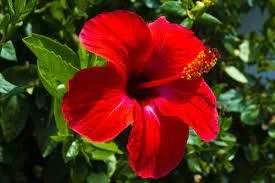
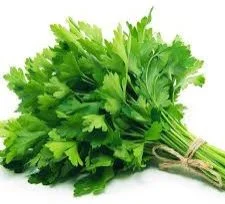
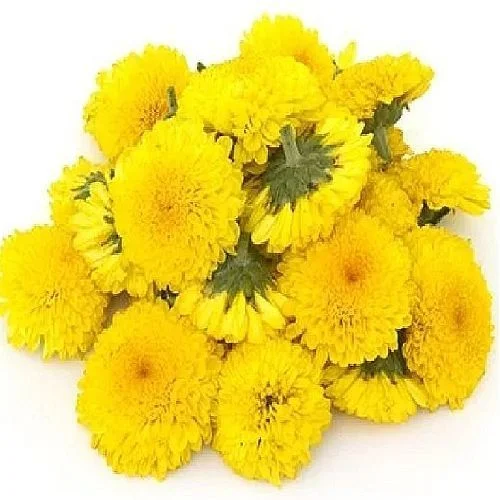
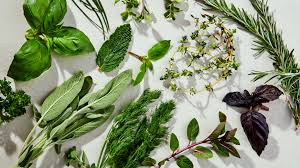
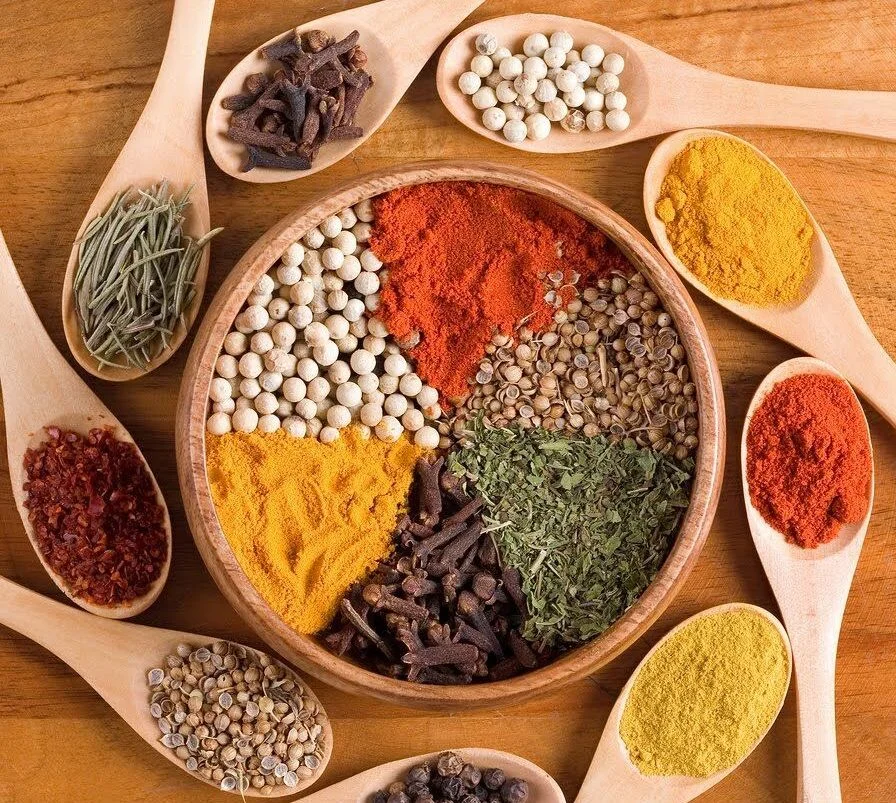
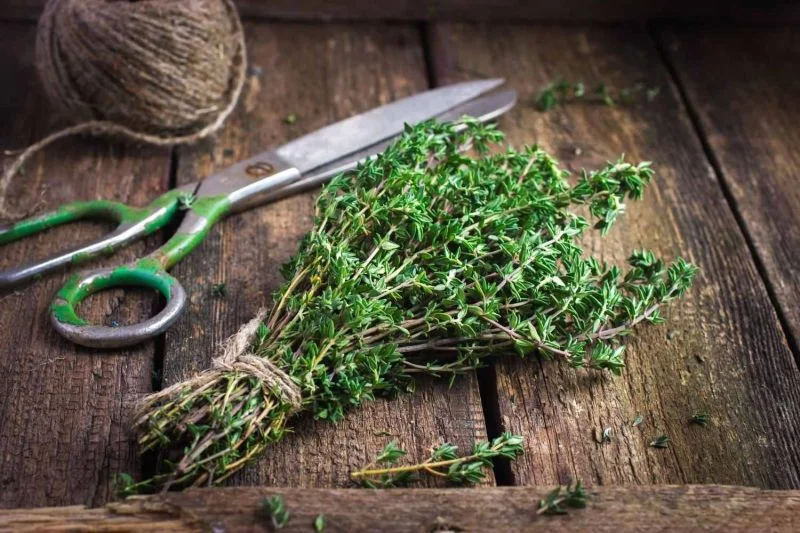
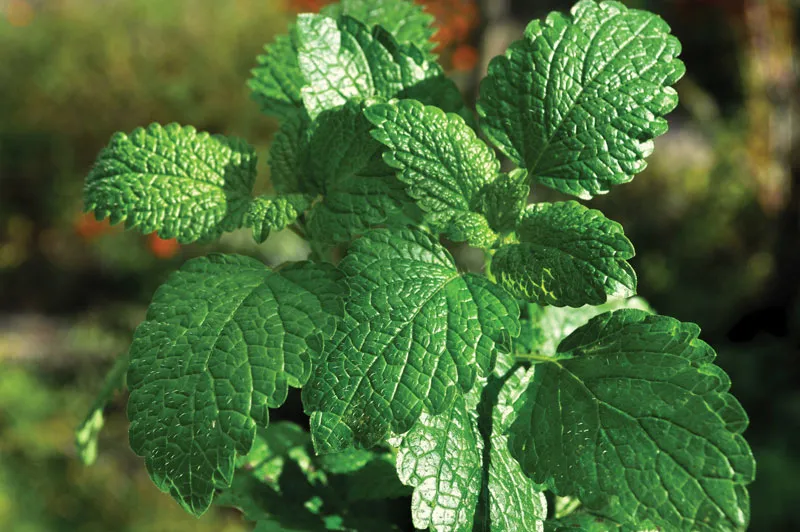
The 18 listed items comprise aromatic herbs like spearmint, lemon grass, marjoram, thyme, basil, oregano, and celery leaves, as well as seed commodities including coriander, cumin, fennel, caraway, and other spice seeds. Floral offerings consist of hibiscus, chamomile flower, and verbascum flower, while leek flakes represent a processed vegetable product. All entries are presented without stated certifications, so buyers should verify compliance with common standards such as ISO 9001 or organic certifications where required.
Product Range and Specialties of Spicepower Import & Export
The catalogue covers dried herb leaves (spearmint, basil, marjoram, thyme, oregano, celery leaves) that are commonly supplied with moisture content below 12 % and essential‑oil yields ranging from 0.5 % to 2 % depending on species. Seed products - coriander, cumin, fennel, caraway and other spice seeds - are usually graded by size (2 mm - 4 mm) and purity levels of 98 % or higher, with aflatoxin limits set at 10 µg/kg for most international markets. Fresh flower items such as hibiscus, chamomile, and verbascum are typically packed in bulk or bunched form with a post‑harvest life of 5 - 7 days and are classified under HS 0601 for fresh cut flowers. Leek flakes represent a dehydrated vegetable product often marketed with residual moisture of 8 % - 10 % and a particle size of 1 mm to 3 mm.
In the global spice trade, standard grades are defined by ISO 21056, which sets criteria for colour, aroma and foreign‑matter limits. Buyers frequently request certificates of analysis showing pesticide residues, heavy‑metal limits and microbiological counts (e.g., total plate count < 10⁴ CFU/g).
Trade and Export Information - Spicepower Import & Export
Egypt is a recognized exporter of aromatic herbs and spice seeds to the European Union, the Gulf Cooperation Council and North America. Products such as spearmint, cumin and coriander are generally exported under HS 0909.10 (herbs and spices) and are subject to EU Regulation No 396/2005 for pesticide residues as well as US FDA food‑safety guidelines. Fresh cut flowers from Egypt, classified under HS 0601, are shipped primarily to European markets where phytosanitary certificates are mandatory.
Typical shipment formats include 20‑ft or 40‑ft containers packed in food‑grade polyethylene bags with nitrogen flushing for dried herbs, or bulk cartons for fresh flowers. Incoterms most often used are FOB Alexandria or CIF Dubai, depending on buyer preference. Exporters from Egypt commonly hold certifications such as ISO 9001, GlobalGAP for herbs and organic certifications (EU organic, USDA organic) when targeting premium segments.
Sourcing from Spicepower Import & Export - Buyer Guidance
Potential buyers should request a recent Certificate of Analysis for each herb or seed batch, confirming moisture, microbial limits (e.g., E. coli < 10 CFU/g) and pesticide‑residue compliance with the destination market’s MRLs. Verification of a phytosanitary certificate is essential for fresh‑flower shipments, and a fumigation statement may be required for seed exports.
It is advisable to obtain a sample size of 500 g to 1 kg for laboratory testing before placing a full order. Confirm the packaging material (e.g., multi‑layer polyethylene bags with zip‑lock) and container loading plan to ensure product integrity during transit. Clarify the agreed Incoterm, lead time (typically 30 - 45 days from order confirmation for dried herbs, 7 - 10 days for fresh flowers) and minimum order quantity, which for most seed items ranges from 10 kg to 25 kg.
Frequently Asked Questions About Spicepower Import & Export
What product categories does Spicepower Import & Export list?
The supplier lists herbs (spearmint, basil, marjoram, thyme, oregano, celery leaves), spice seeds (coriander, cumin, fennel, caraway), fresh flowers (hibiscus, chamomile, verbascum) and processed vegetable flakes (leek flakes), covering a total of 18 active items.
Which HS codes are typically used for these products?
Dried herbs and spice seeds are generally classified under HS Chapter 09 (e.g., 0909 for herbs and spices), while fresh cut flowers fall under HS Chapter 06 (e.g., 0601). The supplier’s catalogue does not specify individual HS codes.
What quality specifications should buyers check for the dried herb leaves?
Buyers commonly verify moisture content below 12 %, essential‑oil content as per product specification, foreign matter under 0.5 % and microbiological limits such as total plate count under 10⁴ CFU/g.
Are any certifications required for importing the seed products?
Importers usually request a Certificate of Analysis, a phytosanitary certificate and may require proof of compliance with EU pesticide‑residue limits or USDA organic certification if the buyer seeks organic status.
What are typical packaging and container sizes for the spice seeds?
Seed batches are often packed in food‑grade polyethylene bags (typically 25 kg per bag) placed inside 20‑ft or 40‑ft containers; bags may be nitrogen‑flushed to preserve freshness.
What is the usual lead time for fresh flower orders?
Fresh flower shipments from Egypt typically require 7 - 10 days from order confirmation to loading, due to their short post‑harvest life.
What minimum order quantities apply to the listed products?
Seed items generally have MOQs of 10 kg to 25 kg per variety, while dried herb leaves are often ordered in multiples of 20 kg; fresh flowers are usually ordered per kilogram or per bunch with a minimum of 5 kg.




 , Egypt